

Cover Photo: Korhan Erdol on Pexels
Photo: Korhan Erdol on Pexels
1 / 1
Five inspiring game-changers including the Philippines' very own Roberto Ballon will receive the prestigious Ramon Magsaysay Award this 2021. Tatler tells their stories below.
The prestigious Ramon Magsaysay Award Foundation has a life-long mission of recognising individuals who have shown moral courage and impassioned insistence on making the societies they serve better, kinder, and more equitable for everyone, especially the marginalised sectors.
For 2021, the awarding body has chosen to recognise four individuals and one news institution. The list includes the country's own fisher Roberto Ballon, who is recognised for “his inspiring determination in leading his fellow fisherfolk to revive a dying fishing industry by creating a sustainable marine environment for this generation and generations to come".
The Magsaysay Awardees of 2021 were chosen out of their commitment to building solutions to vital and complex issues in their respective societies. The awarding body has made sure that the individuals possess moral courage that is unfazed by repressive systems, social divisions, and deep cultural prejudice.
Read also: Respect and Recognition: Ramon Magsaysay Awards Cocktails
Get to know the Ballon and four other recipients below:
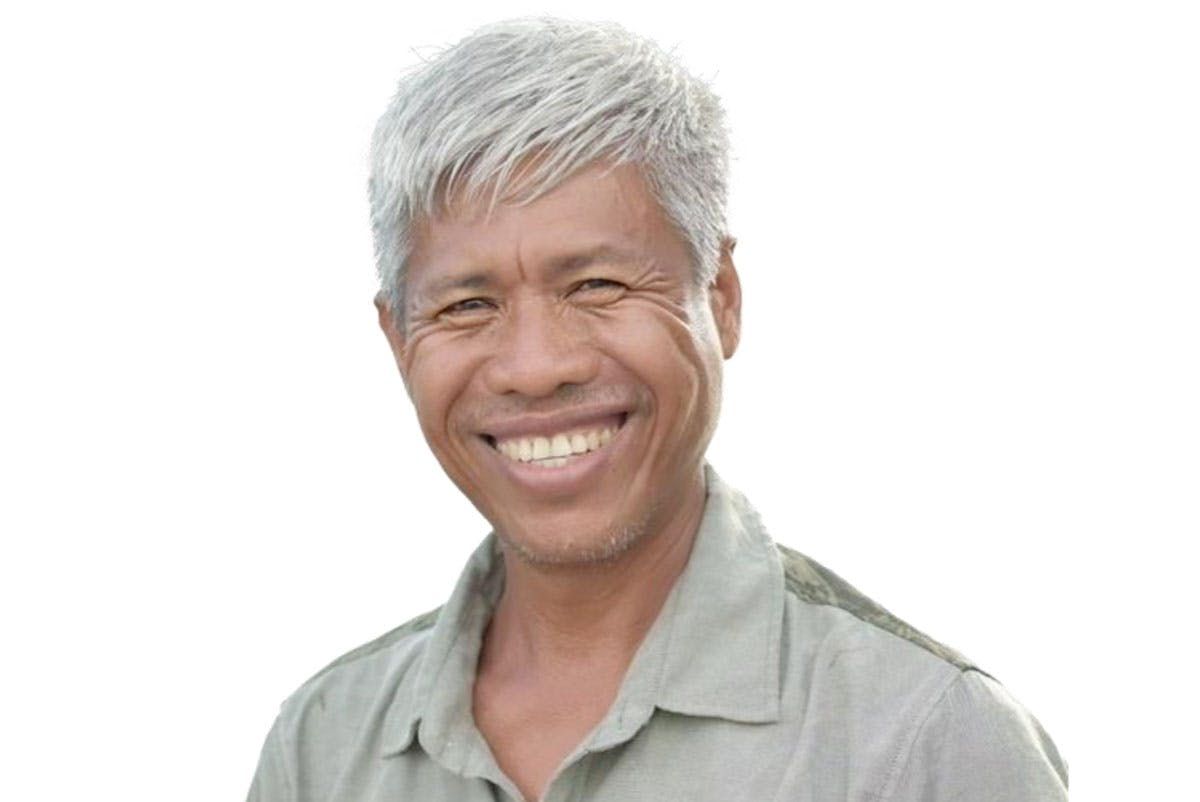
1. Roberto Ballon, Philippines

Above Photo: Ramon Magsaysay Awards Foundation
Photo: Ramon Magsaysay Awards Foundation
1 / 1
Fifty-three-year-old Roberto Ballon ("fondly called “Ka Dodoy”) continues to lead his community in preserving the coastal environment. He understands that the sea has been the source of livelihood for many fishing families. In 1986, Ballon and 30 other fishermen started Kapunungan sa Gamay nga Mangingisda sa Concepcion (KGMC), or Association of Small Fishermen of Concepcion.
The organisation seeks to fight for mangrove reforestation after seeing how rampant fishpond conversion was and how this action drastically contributes to the collapse of many mangrove forests.
Because of KGMC'S perseverance under the leadership of Ballon, they have attracted government support. In 2000, the fishermen were granted tenurial rights to the reforested land under a government forestry co-management program. The 50 hectares they replanted by 1994 had expanded to 500 hectares of mangrove forests in 2015.
What was once a desert of abandoned fishponds is now an expanse of healthy mangrove forests rich with marine and terrestrial life. Fish catch has improved dramatically from 1.5 kg per fishing trip of eight hours to as much as 7.0 kg in three to five hours of fishing. The improvement in the fisherfolk’s quality of life has been evident in their ability to buy a boat engine or simple household appliances and send their children to school.
Related: 7 Birds You Can Only See In The Philippines: Eagle, Cockatoo, And More
2. Steven Muncy, Southeast Asia

Above Photo: Ramon Magsaysay Awards Foundation
Photo: Ramon Magsaysay Awards Foundation
1 / 1
Steven Muncy, a sixty-four-year-old American, was raised by a humble family grounded in the principles of Christianity. In 1980, he enlisted in a Baptist journeyman social ministry program that made him a volunteer at the Philippine Refugee Processing Center in Morong, Bataan, a transit centre for Indochinese refugees of the Vietnam War.
Seeing the dire lack of psychosocial services in the camp, he formed a non-governmental organisation (NGO), Community Mental Health Services. In 1989-1993, the NGO was also tasked by United Nations High Commissioner for Refugees (UNHCR) to do similar work in the Vietnamese refugee camps in Hong Kong.
Renamed Community and Family Service International (CFSI) in 1989, the group defined itself as a humanitarian organisation committed to “the lives, wellbeing, and dignity of people uprooted by persecution, armed conflict, disasters, and other exceptionally difficult circumstances.” Based in the Philippines, it would soon serve for varying lengths of time in 10 Asian countries.
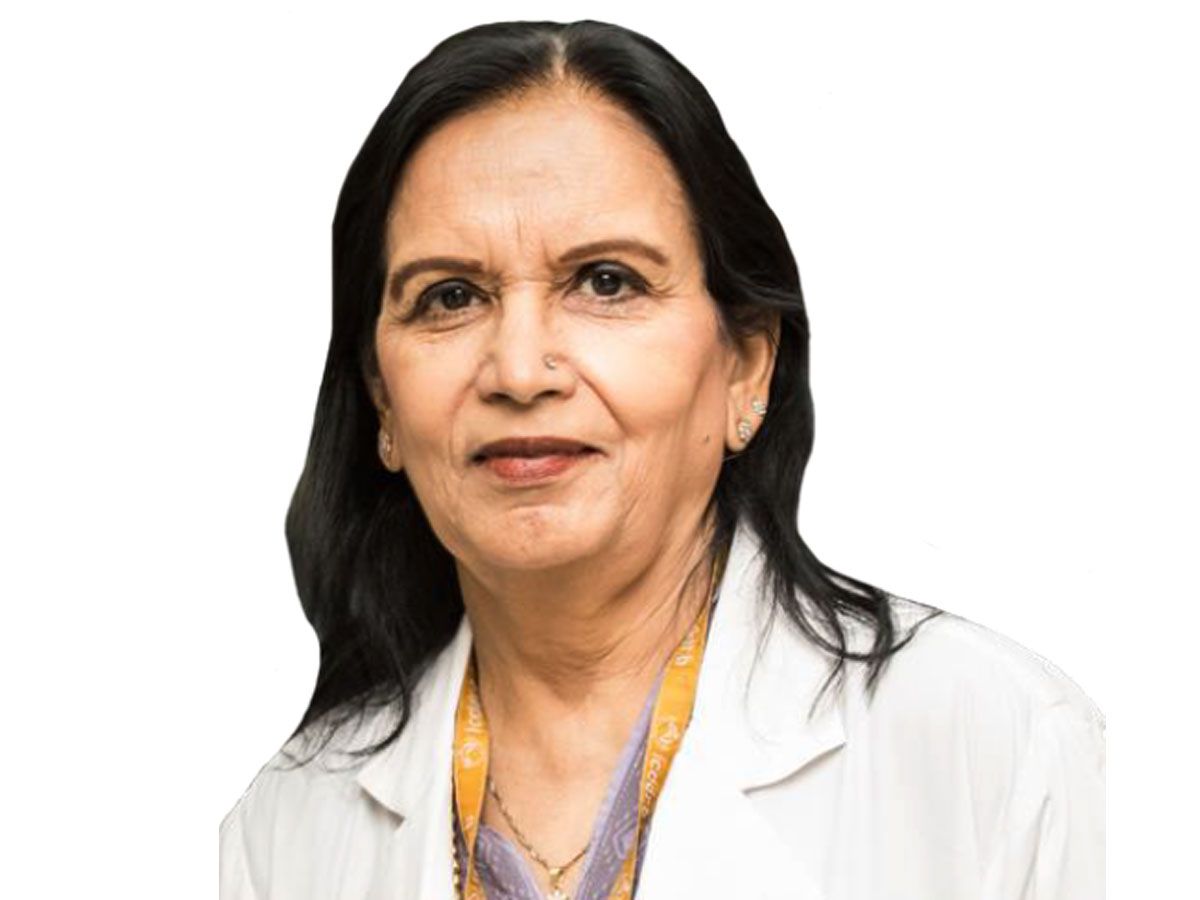
3. Firdausi Qadri, Bangladesh
Above Photo: Ramon Magsaysay Awards Foundation
Photo: Ramon Magsaysay Awards Foundation
1 / 1
Bangladeshi scientist Firdausi Qadri specialises in immunology and infectious disease research. Born to a middle-class family that encouraged women to pursue education and a career, Qadi immediately decided to pursue medical research, earning herself a degree in biochemistry and a doctorate from Liverpool University in the United Kingdom.
Set on working in her homeland, she taught in a local university and in 1988 joined the International Centre For Diarrhoeal Disease Research, Bangladesh, an international health research institute based in Dhaka. Qadi is also focused on communicable diseases, immunology, vaccine development, and clinical trials. She is passionate about training and inspiring young scientists by putting them in contact with well-known scientists in other countries.
Building local capability is her greater goal. She is focused on upgrading laboratories so that Bangladeshi scientists will not have to go abroad (as she did early on) for lack of facilities available.
More from Tatler: Joan Ongchoco: First Filipina Awarded The William James Prize
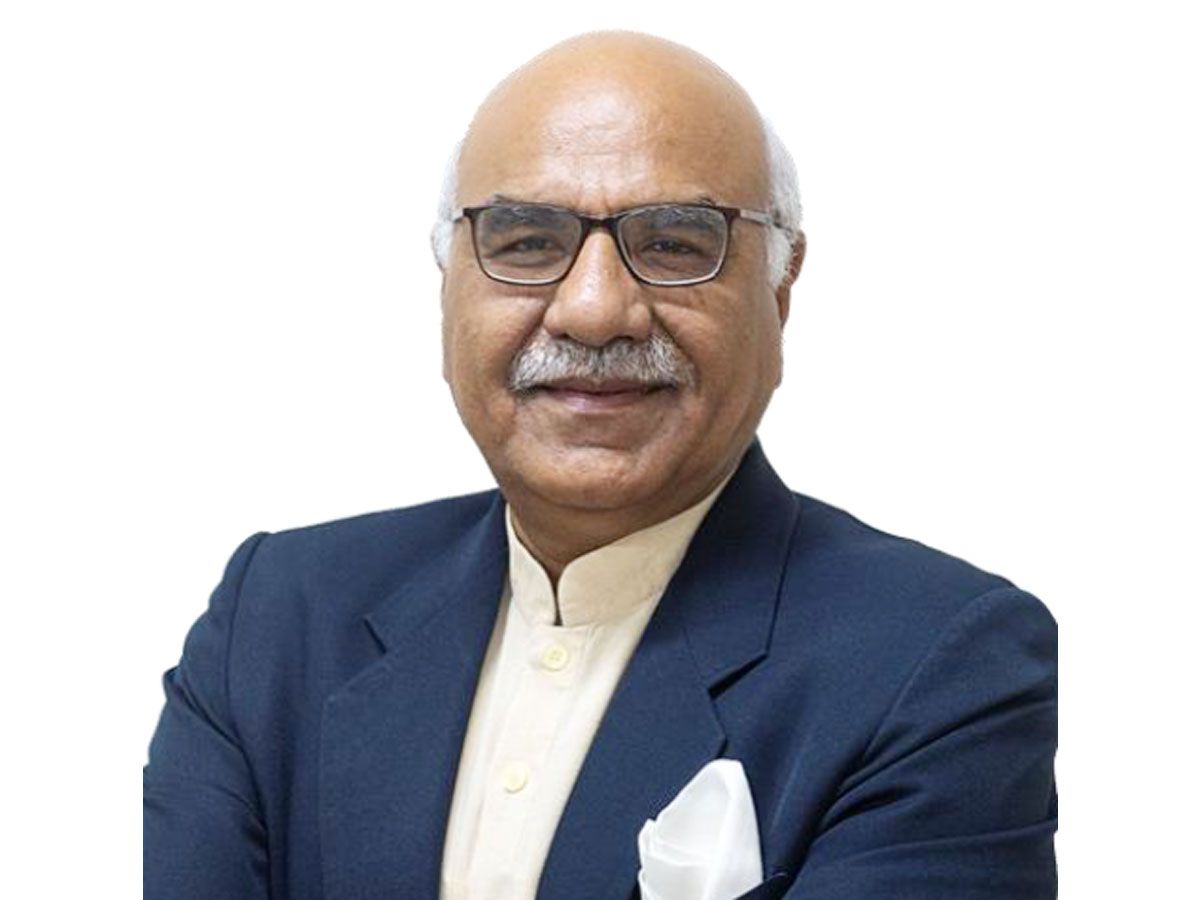
4. Muhammad Amjad Saqib, Pakistan
Above Photo: Ramon Magsaysay Awards Foundation
Photo: Ramon Magsaysay Awards Foundation
1 / 1
Sixty-four-year-old Muhamad Amjad Saqib understands that the fight against poverty is not an easy task especially in Pakistan where about 50 million are still below the national poverty line.
Saqib has worked as a consultant on social development for Pakistan’s government and international development organizations. In 2001, Saqib invited a group of friends (all successful professionals and businessmen) to present to them his plan for a first-of-its-kind interest-free microfinance program. With much enthusiasm, his friends pledged their support, and funds were raised to capitalise on the project. Two years later, Akhuwat was formed and its first branch opened in Lahore.
The most interesting aspect of Akhuwat is its concept and philosophy. Akhuwat, which means "brotherhood or sisterhood," is an approach to poverty alleviation that Saqib introduced based on the values of the Islamic tradition of Mawakhat.
The tradition believes in Prophet Mohammed's teaching that "if one has a loaf of bread, half of it rightly belongs to a person who has none." Related to this is the idea that charging interest (riba) on a loan is un-Islamic, hence the practice of the “benevolent loan” which, Saqib reminds us, was already there in early human societies. “We just institutionalized it."
Akhuwat uses places of worship for loan disbursements, saving on costs and instilling the sense of trust, responsibility and community that a mosque, church, or temple creates. It also promotes volunteerism among staff and clients; aims at transforming borrowers into donors; and fosters diversity and, inclusion, serving all—irrespective of religion, caste, colour, and gender.
5. Watchdoc, Indonesia

Above Photo: Ramon Magsaysay Awards Foundation
Photo: Ramon Magsaysay Awards Foundation
1 / 1
In the digital age where there is a proliferation of fake news, news agencies such as Watchdoc Media Mandiri or Wartchdoc (from “watchdog” + “documentary”) takes journalism and public service to another level.
One of Watchdoc's advocacy is to create public awareness of such issues as human rights, social justice, and the environment. The private audiovisual production company was incorporated in 2011 by two remarkable individuals, Dandhy Laksono and Andhy Panca Kurniawan, both with journalism backgrounds and a passion for social causes. Disenchanted with mainstream broadcast TV—the concentration of media ownership, the premium on ratings, advertising, and revenues, the merchandising of entertainment and news—Laksono and Kurniawan yearned for an independent, people-based, and socially responsible media.
Through its YouTube channel and other platforms, Watchdoc was able to produce over 150 film titles that average 200,000 viewers per video. Eight of its documentaries have each attracted more than one million views. One of them, called Sexy Killers, a documentary on the coal mining industry’s links with Indonesia’s political establishment, is a viral hit, getting 36 million views as of July 2021.
This year’s Magsaysay Award winners will each receive a certificate, a medallion bearing the likeness of the late President, and a cash prize. Should the pandemic circumstances improve, they will be formally conferred the Magsaysay Award during formal Presentation Ceremonies to be held on Tuesday, November 30, 2021, at the Ramon Magsaysay Center in Manila.

Jove holds a degree in Journalism and is currently pursuing graduate studies in Philosophy at the University of the Philippines–Diliman. She has flair for in-depth, interview-driven stories that explore politics and culture, shaped by her background in national broadsheets.
When she’s not on assignment, Jove spends her days painting, sipping lemonade, and walking her dog, Jupiter. She can often be seen in Escolta with a film camera in hand, browsing novelty shops in search of rare memorabilia. For leads, reach her at Jove@tatlerphilippines.com.





