
1 / 1
Learn more about the creative forces—established and up-and-coming—shaping the country’s design scene.

1 / 1
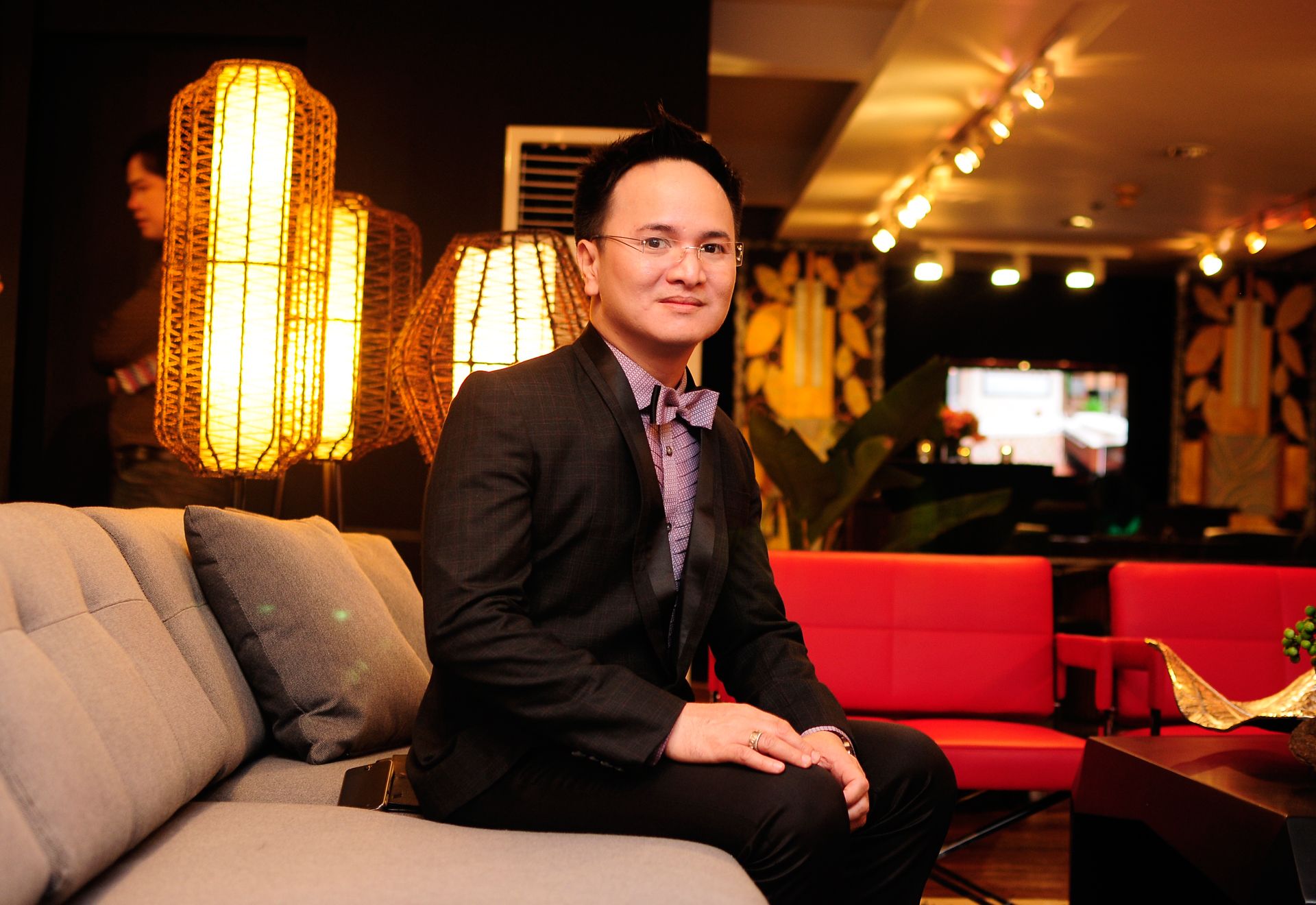
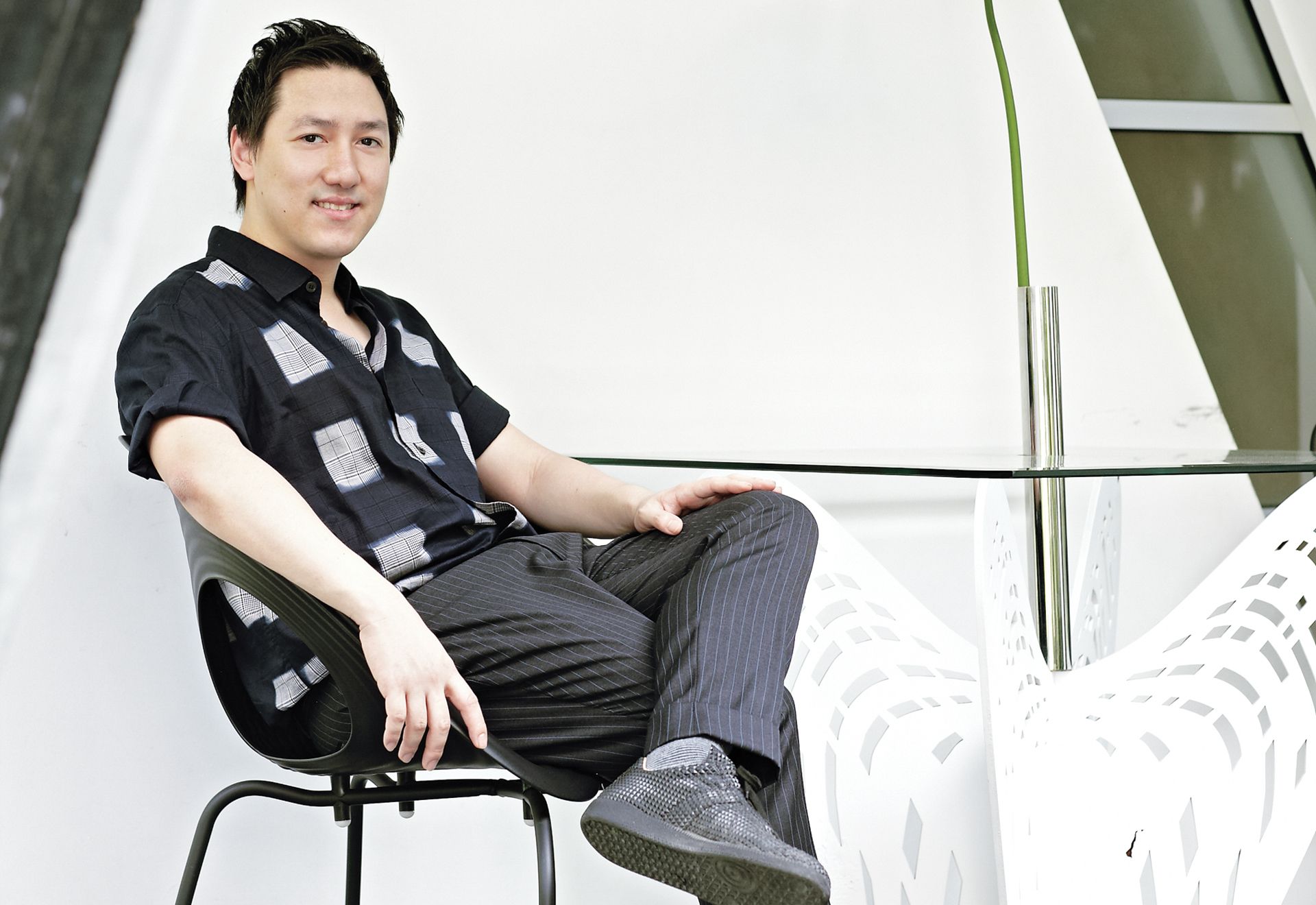
Carlo Calma
"Initially I wanted to focus on just interior design but my dad pushed me to be an architect instead so I could do both. It was the best decision I made,” Carlo Calma shares. “Architecture is not really just about edifices and built projects. There is that rigorous training that lets you see the view in a different light. You see the potentials of a city, an empty lot, a random space, a specific room."
Calma’s multi-disciplinary background has proven advantageous in his line of work, as he strives to bend the boundaries between art and architecture. Calma’s expertise is showcased in the interiors of progressive Spanish restaurant Vask, and his art installations displayed in Solaire, among others.
1 / 1
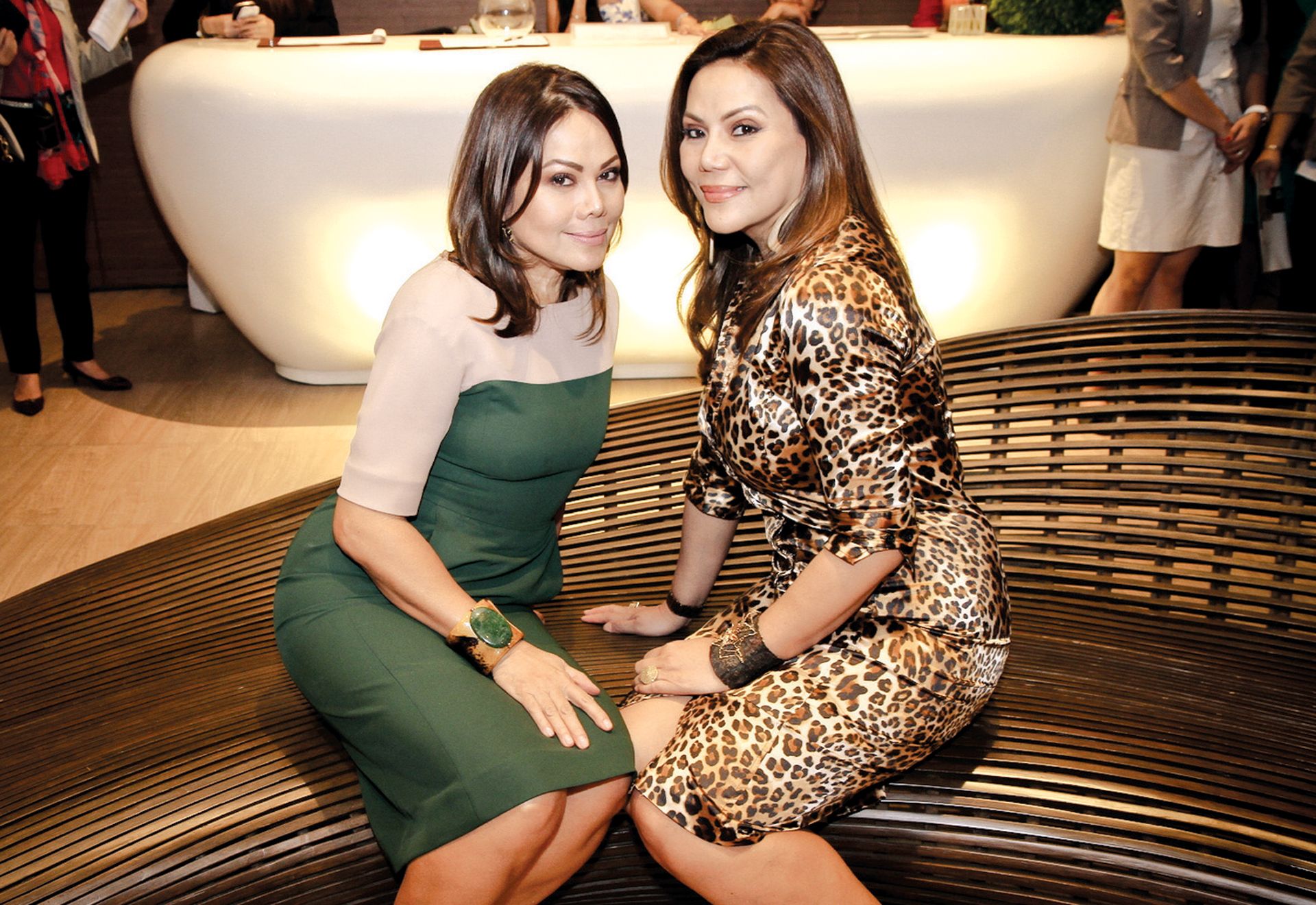
Cynthia and Ivy Almario
Having studied and practiced design separately in California for 15 years, together, design sisters Ivy and Cynthia Almario have always been a formidable pair. Soon after settling back in the Philippines, they establish their own company called Atelier Almario, which has since accumulated an impressive body of interior work that spans from popular fine dining restaurants to luxurious residential properties.
“I tend to do clean, contemporary lines,” says older sister Ivy says of her repertoire. Despite the design style of the duo, they still draw upon the client’s vision for the overall look. “I’m very impressed with clients who are hands-on,” Ivy adds.
1 / 1
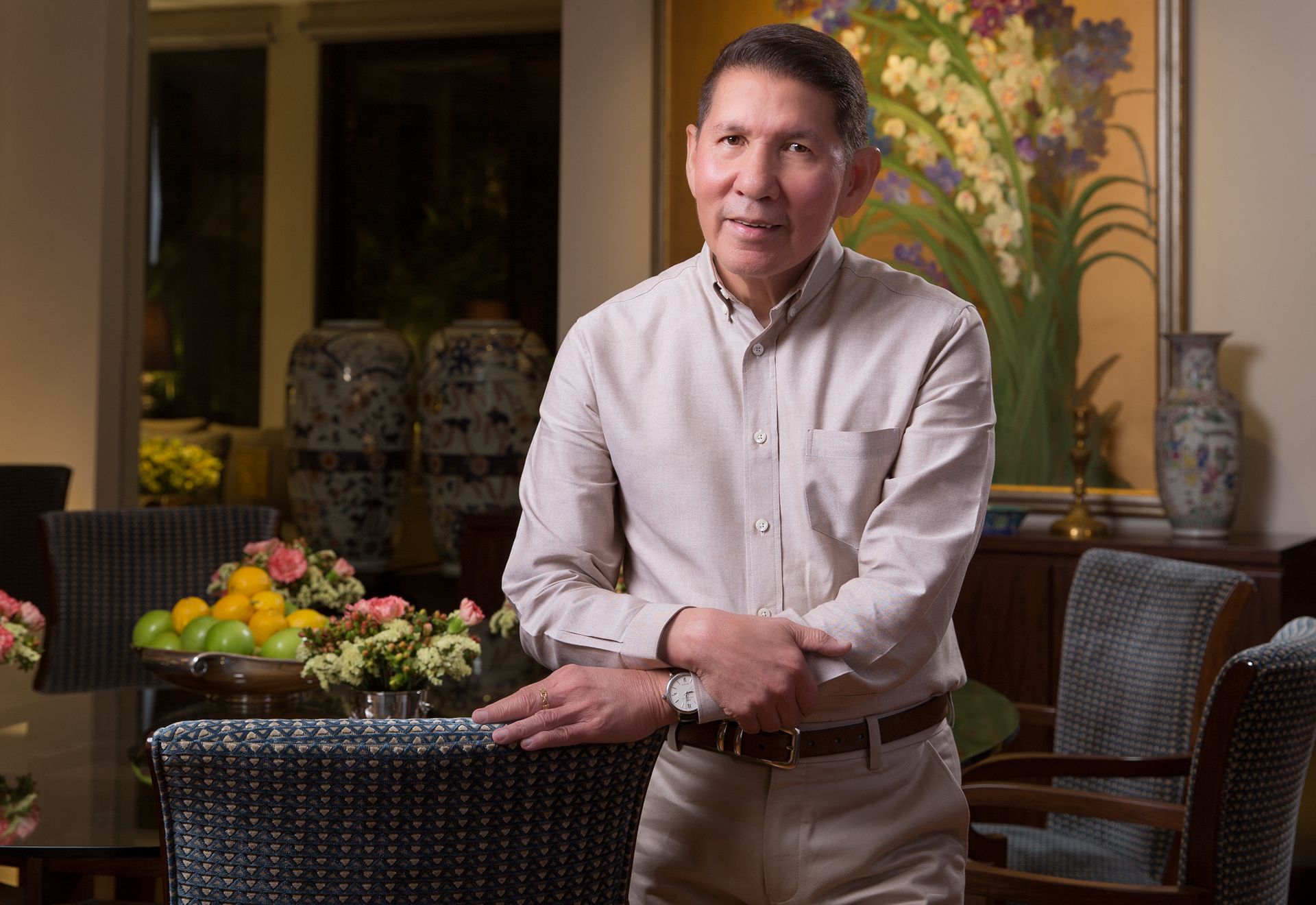
Ramon Antonio
“Design must have a purpose,” says Ramon Antonio on his design philosophy. “It should be practical, just what’s needed and nothing more.” This mindset is an interpretation of his idol Frank Lloyd Wright’s concept of organic architecture.
Having been exposed to the wonders of architecture since he was a little child, his love for design only grew as time flew by. So much so that if he were not an architect, he would still be working in the same industry. “I will still be in a related field, like fine arts, maybe a modernist painter,” said Antonio.
1 / 1
Jigs Adefuin
“I consider myself a client’s designer,” says Jigs Adefuin. “Despite being given free reign over a space, I make sure to tailor it to the lifestyle of the people I am designing for.” His creative process keeps research to the bare minimum, and tries to approach design as purely as possible.
Adefuin’s creative energy is centred in his headquarters inside the LRI Design Studio, which was established after he trained at Nardy Aquino Interior Design Studio, and worked for an international luxury furniture brand. Over the course of his training, he developed his principle, which leans towards timeless design, with a special emphasis on balance, function, and proportion.
1 / 1
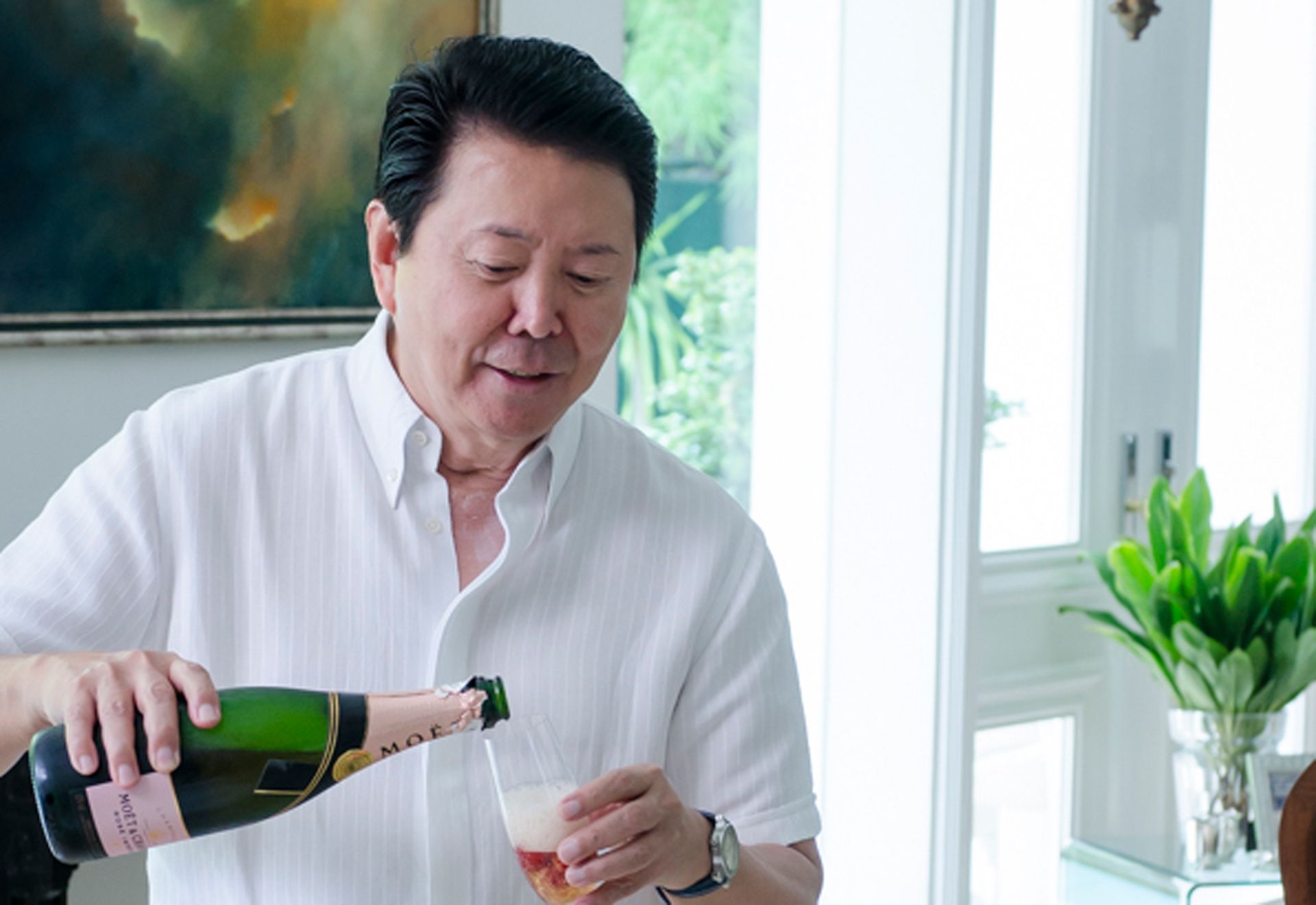
Luis “Chito” Antonio
Growing up in a family of respected artists has served Chito Antonio well, since he his impeccable style has been in demand with Manila’s elite. His own home is an amalgamation of his inspirations and influences. “I’ve been very influenced by Sakul Intakul and Preston Bailey,” he says. These two floral designers are icons in their own right, known for their ingenious use of unconventional elements in their designs. A quite impressive show that Antonio exercises his creativity in more ways than one – he, after all, also does landscaping for his clients.
With themes flowing from one room to another, and eloquent pieces and antiques displayed for visitors to adore, Antonio’s pared-down au naturel style exemplifies understated elegance.





