

1 / 1
Everything you need to know about the sport ahead of this weekend’s equestrian spectacular at AsiaWorld-Expo
 Equestrianism is known as an athletics category that pushes physical endurance — both human and animal—to the extreme. Among the range of riding events, showjumping is quite possibly the most demanding — and simultaneously, elegant — of them all.
As difficult as it is to excel at a course, it is also a rather challenging game to comprehend, especially for those completely new to the world of horses. With this year’s Longines Masters of Hong Kong just around the corner, we’ve compiled a bluffer’s guide on showjumping that will serve as a survival manual for all horse novices out there.
Victoria Spicer, the London-based Web Editor of Horse & Country TV, is here to answer your most pressing questions. An experienced horsewoman herself, she had boundless patience to spare — and even more wisdom to share. Read on for tips on coming off as somewhat knowledgeable about the goings on inside the ring.
Longines Masters of Hong Kong 2016
Date: February 19 to 21
Venue: AsiaWorld-Expo Convention Centre
Click here to purchase tickets for the event.
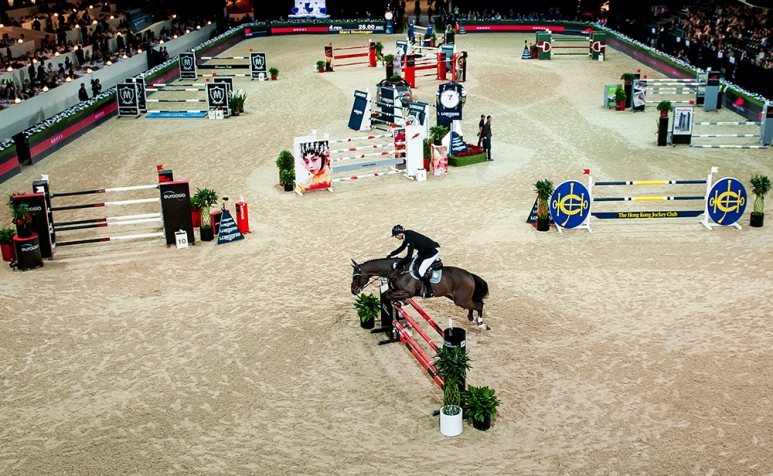
1. So, let’s start with what exactly happens at a showjumping event like this.
The Longines Masters of Hong Kong is a five-star indoor showjumping event that brings together the top echelon of equine athletes around the world. The three-day programme culminates at the Longines Grand Prix, a highlight that mustn’t be missed.
At the Grand Prix, riders pass the first round by "jumping clear”— getting through twelve obstacles and fifteen demanding jumps without penalties or faults. A knocked over fence constitute as a fault, which also counts when a horse is unwilling or unable to jump a particular fence. Those who manage to leave all the fences standing then participates in a shorter course against the clock, named jump-off. The winning prize is €500,000, so the stakes are very high.
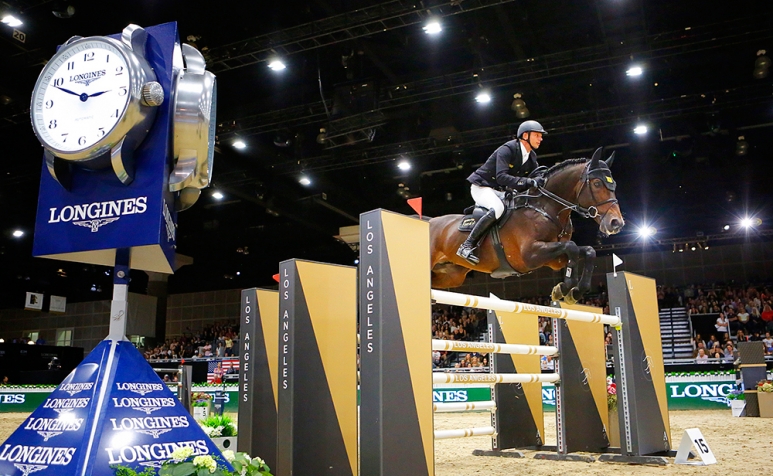 2. Sounds like a very exciting sport to watch. What are some of the activities that elicit the most crowd reactions?
The cheering, gasping and clapping definitely occur most frequently during the jump-off course. Riders have to get through as quickly as possible, but it’s more about taking the sharpest and smartest route. The course designer either makes the fences a little bit closer to each other or further apart, so the horse is constantly adjusting to different intervals. Some athletes will cut so close to the fence, you think there’s no way a horse can get over it. But somehow, these brilliant people manage to do so beautifully at the last second. The horse-and-rider partnerships that take it to the maximum are the most exhilarating to watch.
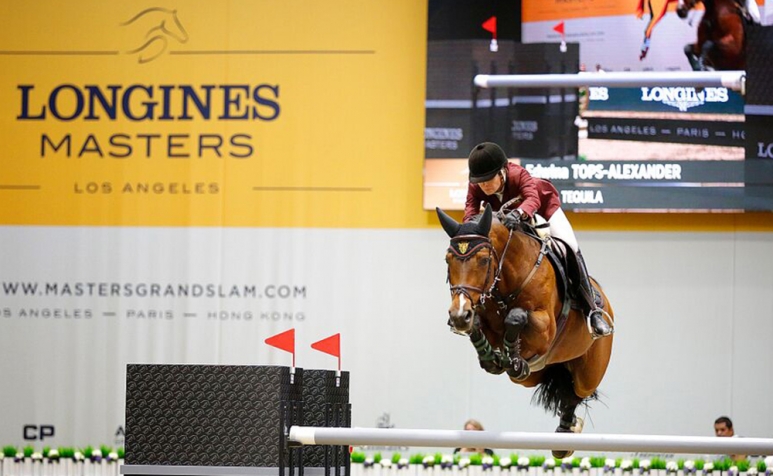
3. Let’s say I happen to sit next to an equestrian enthusiast or an actual showjumper. Are there any technical terms or phrases I can bring up to impress said person?
Show jumpers love talking about breeding, so a fail-proof question to ask is how their horses were bred — but brace yourself for potentially getting an earful. If a horse clears a succession of fences, you can offer compliments by describing the horse as “scopey” — an insider term that means full of abilities. When a horse is going pretty fast at the timed jump-off round, use the phrase “this horse is formidable against the clock” to sound like an expert.
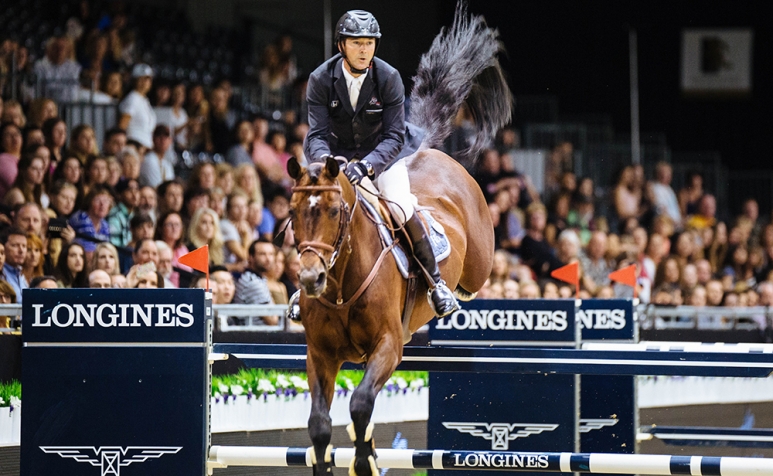
4. What are the some of the faux pas I should avoid?
DON’T get rowdy: Horses are very sensitive creatures, so even if they are trained to overcome noise, they can still be distracted. The first run in particular should be so silent, you can hear a pin drop. The most appropriate time to cheer would be the minute they touchdown after the final fence.
DON’T overdo humour: Luck plays a huge factor in showjumping, and even the most elite horseman is prone to a bad day. Patience and respect should be paid to each and every athlete and horse, as they have given their all. Unfortunately, there are many technical terms in the horse world that can be made into jokes full of innuendo, but chances are, showjumping fans have heard them a million times. This is a very polite type of sport, so the riding community will not appreciate the connotations. The last one is just about being a decent human being: Refrain from laughing when a rider falls off, no matter how funny it may seem.
DON’T mistaken the gender: People who follow the sport are well-informed on the sex of the current superstars in the circuit, so messing that up will make you seem completely clueless. Be sure to read the programme closely to keep track on whether the horse in question is a mare, a gelding or a stallion.
5. Who are some of biggest names to watch at this year’s event and why do they warrant my attention?
The revered John Whitaker will be present at the 2016 Longines Masters of Hong Kong. He won his first Olympic medal for Britain 32 years ago, and continues to bring home major titles, such as the historic triple that included a memorable victory in the Longines Grand Prix on his stallion Argento.
Belgium’s Olivier Philippaerts is one of the youngest and most talented horsemen on the scene. The son of Olympic champion Ludo Philippaerts, the 22-year-old has been credited with popularising equestrianism among the younger generation. The dashing athlete boasts an impressive Instagram following, and is a brand ambassador for H&M along with twin brother Nicola.
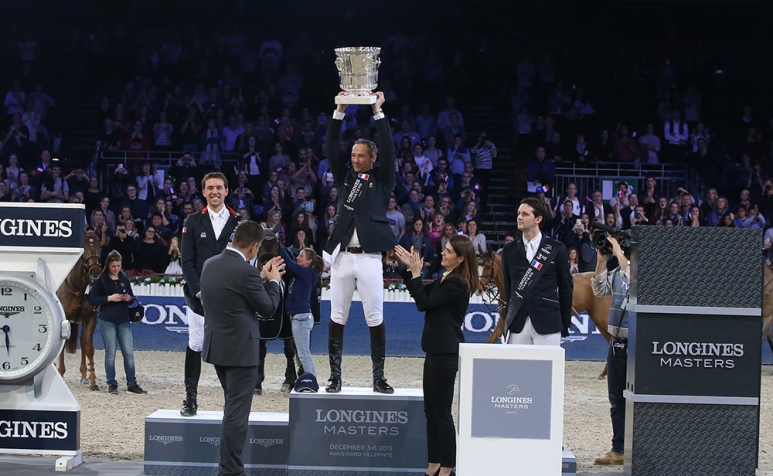
French equestrian Patrice Delaveau (pictured) will also be taking part this year. The powerhouse has been in top form these past couple of years, accumulating an immaculate winning record. It will be a thrill to see if he can scoop up the biggest prize this time around.





