
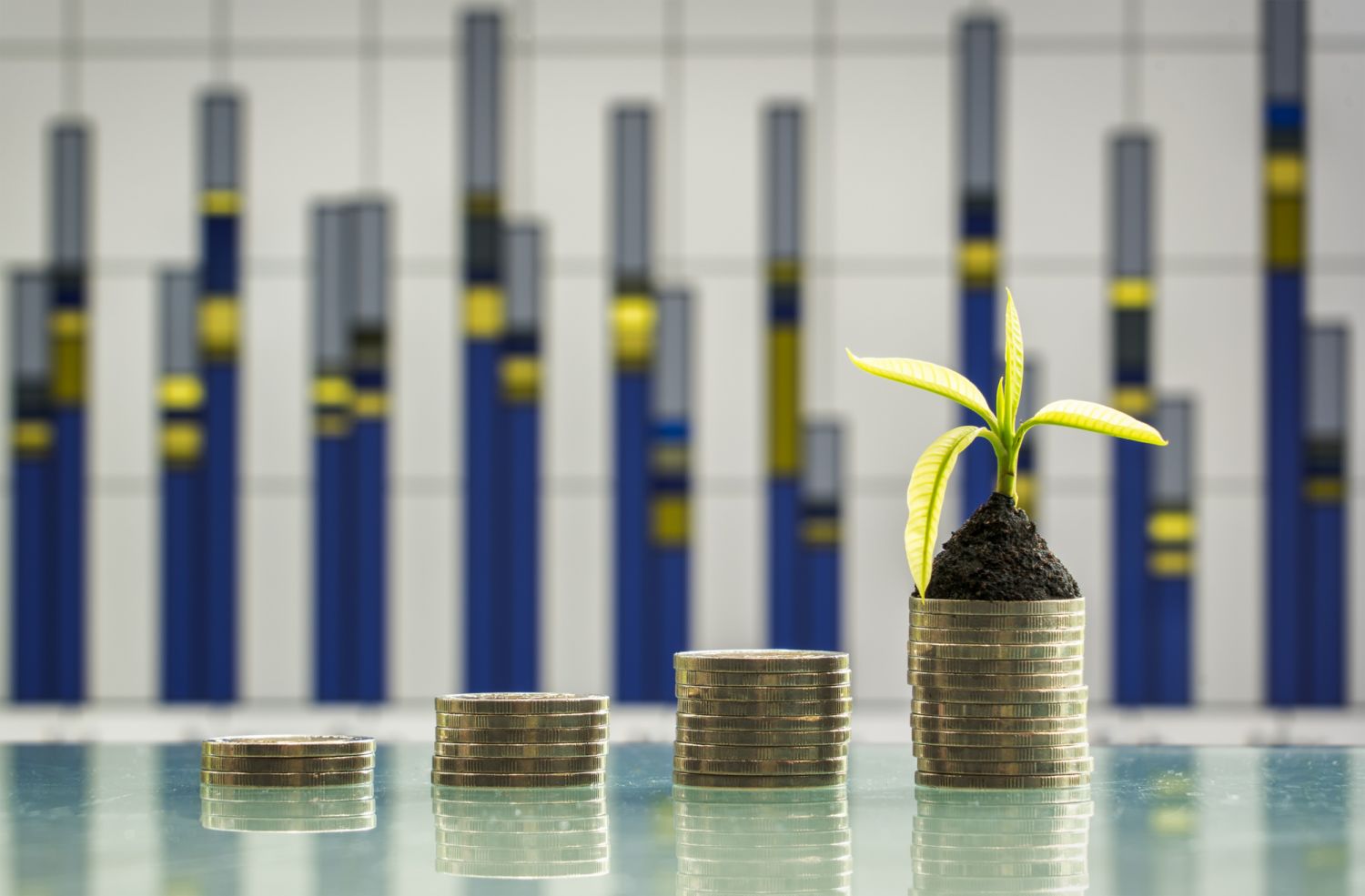
Cover ESG (environmental, social and governance) investing has become one of the dominant trends in finance in recent years, as it allows investors to align their ethics with financial gain.(Image: Getty Images)
ESG (environmental, social and governance) investing has become one of the dominant trends in finance in recent years, as it allows investors to align their ethics with financial gain.(Image: Getty Images)
1 / 1
Putting your money to good use and seeing returns—investing within an ESG framework has never been more popular, but careful planning is required to identify issues like greenwashing
Participating in a beach clean-up, going vegan and turning off lights when you leave a room all help the environment, but few things put your money where your mouth is like investing in sustainable businesses. ESG (environmental, social and governance) investing has become one of the dominant trends in finance in recent years, as it allows investors to align their ethics with financial gain—two concepts that can be antithetical.
However, ESG isn’t just about feeling virtuous when you go to sleep at night: as a set of criteria, it is one of the best routes to obtaining long-term rewards, as climate change becomes an ever more crucial consideration for businesses around the world.
Read more: Can Your Investments Be Profitable and Sustainable?
“ESG became even more important through the pandemic,” says Jenn-Hui Tan, global head of stewardship and sustainable investing at investment management services Fidelity. “If you’re not considering ESG factors, on quite a basic level you’re failing to consider the risks, [which] can lead to missed opportunities.” From electric vehicles to alternative protein to decarbonisation, portfolios that integrate ESG considerations mitigate risk and place investors in a better position to capture upside—a rise in value.


Above Jenn-Hui Tan, global head of stewardship and sustainable investing at investment management services Fidelity
Jenn-Hui Tan, global head of stewardship and sustainable investing at investment management services Fidelity
1 / 1
Ethical strategies date back to the 1960s, when investors would exclude companies and industries that they didn’t agree with, though the term “ESG” was only coined in 2004. The sector has since grown exponentially. Sustainable investment in the major financial markets globally was worth US$35.3 trillion and represented 36 per cent of all professionally managed assets across North America, Australasia and Europe, marking a 15 per cent growth over two years, a report by the Global Sustainable Investment Alliance showed last year.
Now try: This New Online Course Will Teach You the Basics of Money
“This growth is being fuelled by rising consumer expectations, strong financial performance and the increasing materiality of social and environmental issues, from biodiversity to racial equity to climate change,” said Simon O’Connor, chief executive at the Responsible Investment Association Australasia, upon the report’s release. In Asia, Japan is leading the way, after seeing the highest compound growth rate between 2014 to 2020 from sustainably invested assets. Although China lagged behind, partly due to the lack of quality data from mainland Chinese companies, the report acknowledged that overseas stakeholders were driving sustainable investment in the country.
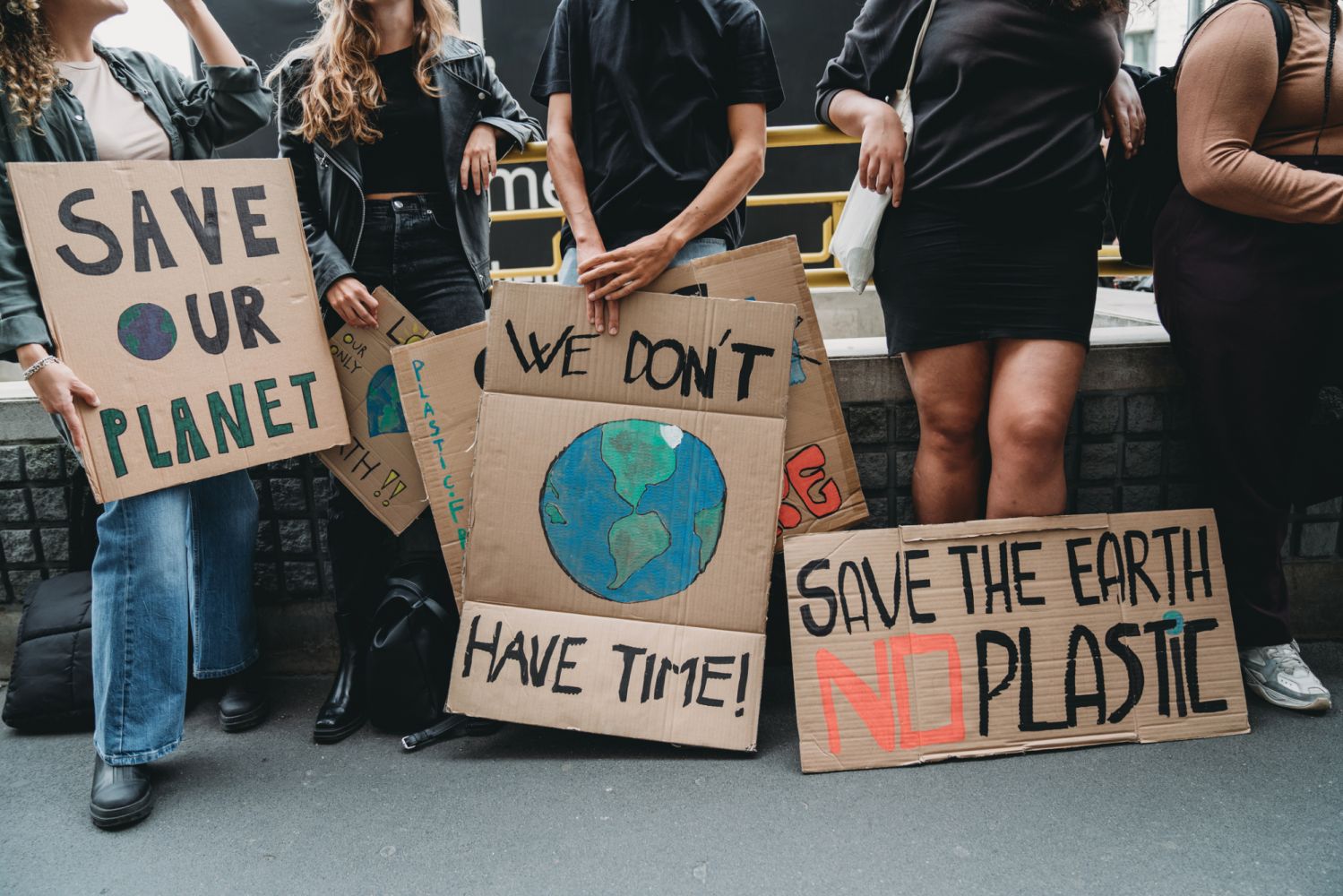
Above Protests against climate change are ramping up worldwide as citizens call upon governments and industry leaders to enact the changes needed to protect the planet. (Photo: Getty Images)
Protests against climate change are ramping up worldwide as citizens call upon governments and industry leaders to enact the changes needed to protect the planet. (Photo: Getty Images)
1 / 1
This emerging investment landscape needs workers who are not only literate in finance, but also understand the complexities of sustainability and ethics. To meet this demand, in January, the Hong Kong University of Science and Technology launched Hong Kong’s first bachelor of science in sustainable and green finance.
“Sustainability will be at the heart of the economy in the 21st century and beyond. The new programme is set to equip students with the essential knowledge and skills to fill the talent gap for green and sustainable finance,” says Professor Jimmy Fung Chi-hung, the programme’s co-director.
How about: This Intelligent Wealth Management Platform is Set to Revolutionise Investing
Tan has seen how rapidly the field has advanced in just a few years. As awareness around environmental issues grows, so too does the awareness that your investments can do something about these problems, he says. “There is a desire to ensure that your money doesn’t cause any harm and, ideally, to use your money to drive positive outcomes. And that doesn’t mean you’re not looking for financial return; everyone is looking for financial return. But the question is: can you use the concept of ESG to solve these problems? [Does it have to be] a choice of doing good or making money? The financial system needs to do both: it needs to generate financial returns but it also needs to participate in the solution to a lot of these big problems that we’re facing.”
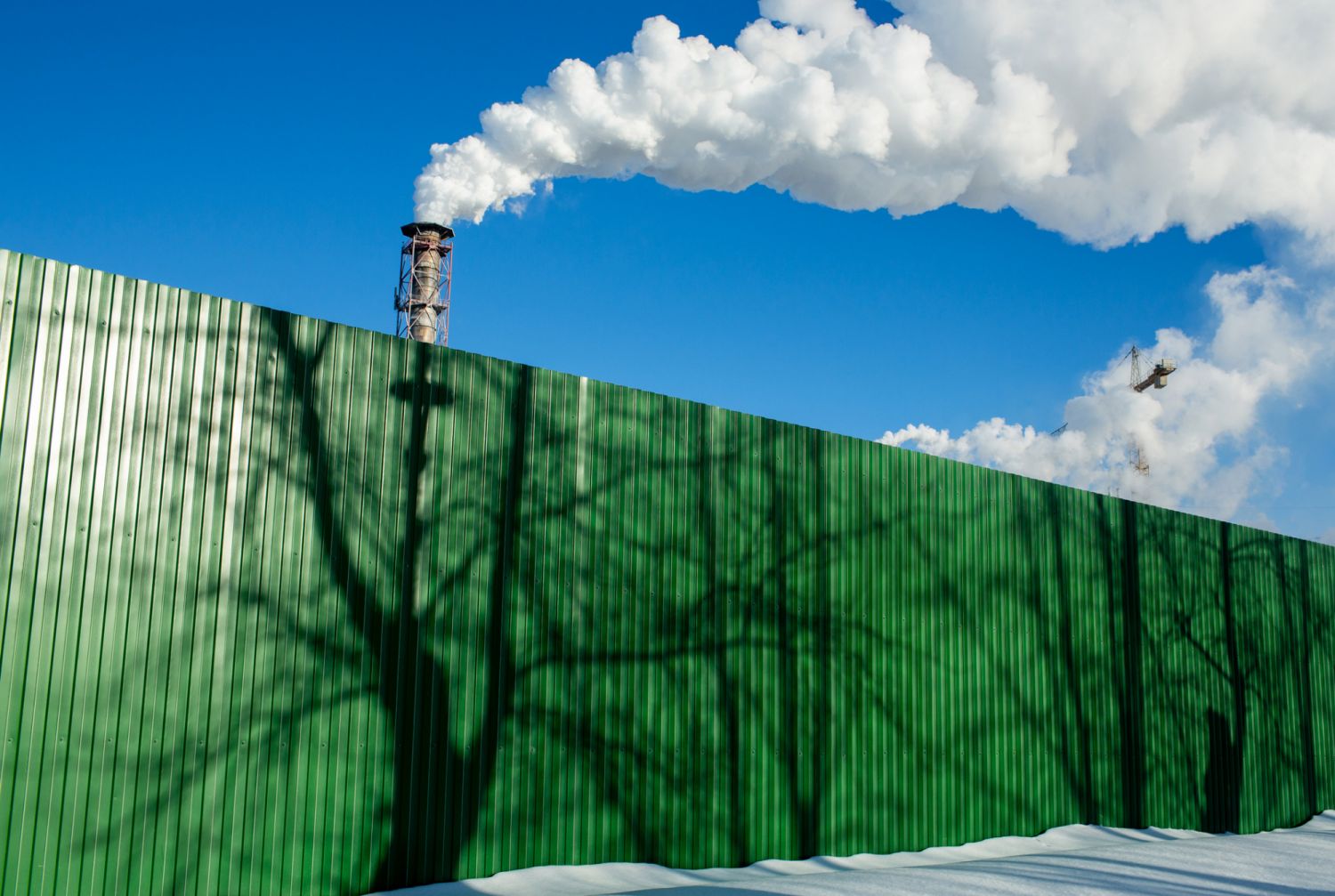
Above Greenwashing—when a company provides misleading information to seem more environmentally friendly than they are—is rife throughout industry. (Photo: Getty Images)
Greenwashing—when a company provides misleading information to seem more environmentally friendly than they are—is rife throughout industry. (Photo: Getty Images)
1 / 1
There was a time when investing in sustainability ventures meant having to accept lower returns than when investing in “dirty industries”, such as coal, tobacco or defence—and, equally, that these industries could never be part of an ESG investment portfolio. “Every time you spend money, you’re casting a vote for the kind of world you want,” sustainable food advocate Anna Lappé wrote of consumers’ choices in 2003; and larger-scale investments are no different. Unsustainable industries can be engineered towards solutions adapted to the challenges of a changing world.
“ESG is evolving,” says Singapore-based Tan. “As society changes, these assumptions start to be challenged more. It’s not as simple as saying: this industry is bad, this industry is good. It’s about saying: what is the role of that industry? Can it be done in a way that creates a more positive outcome?”
Read more: Could Wilson Cheung Be the First Hongkonger to Conquer the Alps’ Peaks?
Greenwashing and a lack of transparency are among the threats to ESG investing, undermining credibility and creating litigation risks. Organisations such as MSCI and Sustainalytics produce ESG ratings, but there is inconsistency among providers. The International Sustainability Standards Board, formed last November, is expected to issue global disclosure standards, but sourcing comparable or consistent data will remain a challenge. Making funds comparable using a set of established metrics, similar to food labelling, would help bring more confidence, Tan believes. Until then, he adds, “There’s no substitute for doing your own homework on products or fund managers to come to an informed view.
“ESG is fundamentally a force for good. It can be used for positive outcomes, but we [fund managers] need to be much more transparent. We need to be clear about what those outcomes are. And we need to be clear about how those outcomes are generated.”
GREEN GLOSSARY
A guide to commonly used terms in the ESG space.
Environmental
How the company manages its impacts with regards to climate change, natural capital, pollution and waste, and unlocking environmental opportunities.
Social
How the company manages its human capital, product liability, stakeholder opposition, and social opportunities
Governance
How the company operates around board composition, remuneration, and corporate behaviour.
ESG integration
The systematic and explicit identification and inclusion of material ESG factors into investment analysis and investment decisions
Impact investing
Often confused with ESG investing, Impact investing aims to generate positive, measurable influences on society and/or the environment, alongside a financial return.
Stewardship
Stewardship refers to engaging and influencing current or potential investee companies with the goal of maximising long term value for clients and beneficiaries.
Greenwashing
Companies overstating or making misleading claims about the sustainability of their products, services or business operations.
READ MORE
Ask the Expert: How Can I Evaluate Sustainable Investments and Avoid Greenwashing?
The Hidden Stories of the Women in NASA
Ask the Expert: How Can I Build a Sustainable Investment Portfolio?





