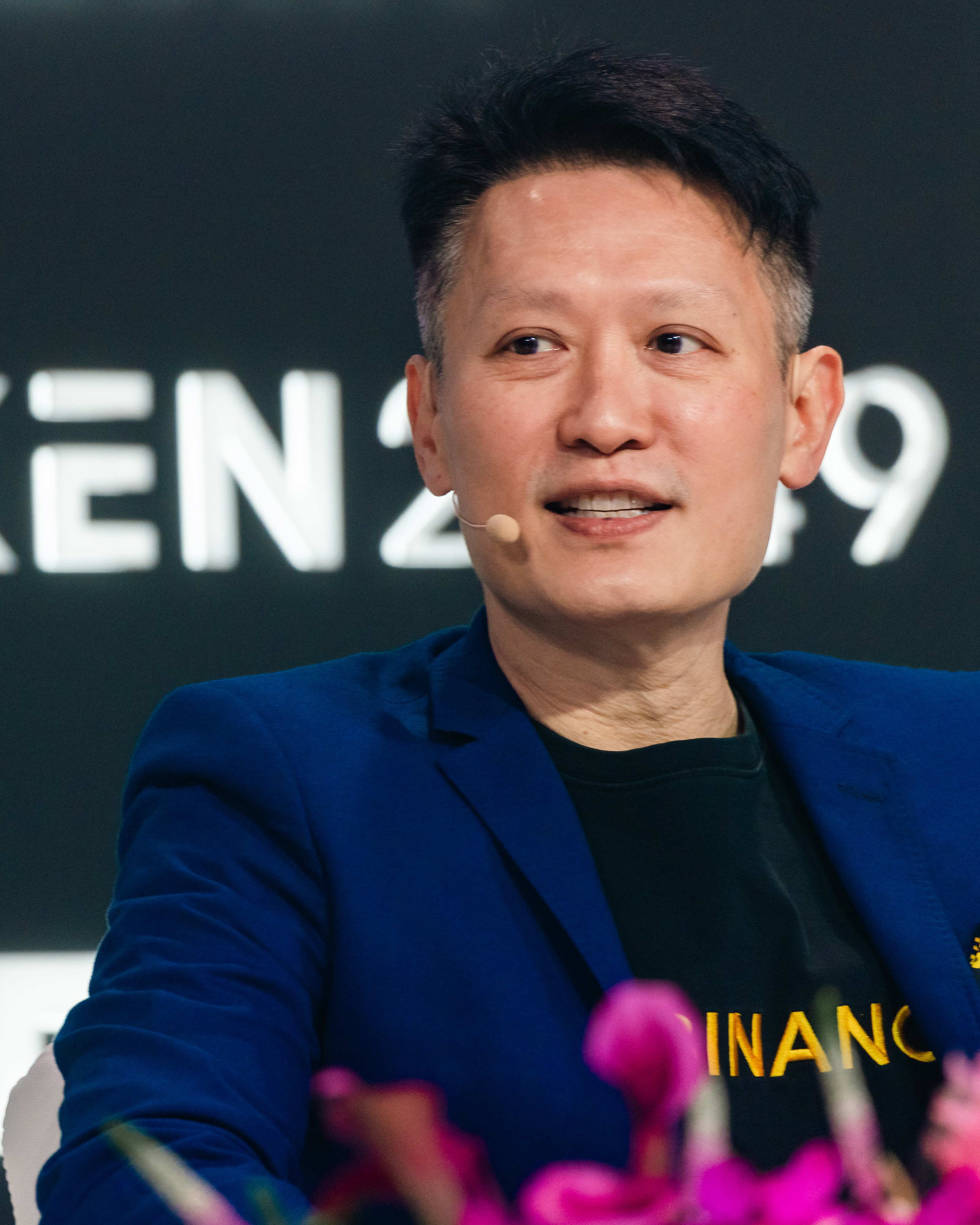
Cover Developer and Porsche collector Ko Chanond in his curated private office, where a lifelong passion for rare automobiles laid the foundation for a new model of collectible real estate. (Photo: Courtesy of the interviewee)
Developer and Porsche collector Ko Chanond in his curated private office, where a lifelong passion for rare automobiles laid the foundation for a new model of collectible real estate. (Photo: Courtesy of the interviewee)
1 / 1
When luxury branded residences flood the global market, what elevates an address from property into collectible real estate? In an exclusive conversation with Tatler, developer and Porsche collector Ko Chanond reveals how family offices are rethinking alternative portfolio allocations
When I first heard about the Porsche Design residential building in Bangkok, I assumed it was another branded project in a saturated market. But one detail caught my attention: a single residence with private parking for up to 12 Porsches. Intrigued, I travelled to Bangkok to meet the developer behind it, Ko Chanond.
Stepping into the private reception gallery in Thonglor, the experience felt less like a residential property tour and more like an exclusive luxury brand unveiling. As a neighborhood sandbox model slid aside to reveal the 22-residence tower, it became obvious this was not born of corporate marketing, but of one man’s passion for performance design. Sitting down with Ko exclusively for Tatler, our discussion turned to why ultra-high-net-worth individuals and family offices are shifting toward collectible real estate.


Above The striking modern facade of the Porsche Design residential tower in Bangkok's Thonglor district, engineered as a 22-residence architectural sculpture. (Render: Courtesy of the interviewee)
The striking modern facade of the Porsche Design residential tower in Bangkok's Thonglor district, engineered as a 22-residence architectural sculpture. (Render: Courtesy of the interviewee)
1 / 1
Li Fan: How did this project begin, and why target this specific tier of global buyers?
Ko Chanond: We first reached out to Porsche during the pandemic. Looking at quantitative easing and global market shifts, I saw a very clear K-shaped recovery—capital was moving in a specific direction. I knew the next decade would demand an asset that truly resonated with ultra-high-net-worth buyers, a group that is notoriously hard to impress.
Wealth at this level is fundamentally about capital preservation. Real estate should act as an alternative asset class for family offices: limited-edition, collectible physical assets. Family offices typically allocate around 4% to 5% of their portfolios to alternative assets, and that is exactly the mindset we wanted this project to speak to. Negotiating with Porsche took two years. They chose to work with us because they trusted us to represent the brand as a living monument—a brand monument you can actually live in.
Many luxury branded residential developments feel like commercial licensing exercises. How does this differ?
Ko Chanond: In many markets, developers simply slap a brand name on a building when the market is hot, print nice brochures, and host a launch event. This is completely different. With only 22 residences, we are selective. We are curating a community of like-minded people who connect with the brand's rebel spirit rather than drawing a mixed crowd.
Read more: You can now live inside the Flatiron building: inside NYC's most exclusive landmark conversion
Provenance, story, and the psychology of value

Above An architectural rendition of "The Loop", the vehicular route designed to guide residents seamlessly from street level up to private sky garages. (Render: Courtesy of the interviewee)
An architectural rendition of "The Loop", the vehicular route designed to guide residents seamlessly from street level up to private sky garages. (Render: Courtesy of the interviewee)
1 / 1
You are an active collector yourself, participating in Sotheby's auctions at Monterey Car Week. How does that collector mindset translate into property development?
Ko Chanond: Most people view assets like cars or property purely through depreciation or rental yield. But when you attend events like Goodwood or Pebble Beach, you see billionaires competing for historic racing cars. In that world, the physical object is secondary to provenance and storytelling. You realize an object only carries exceptional value based on the human story attached to it.
It is a fascinating study in human psychology. When creating ultra-luxury goods or collectible real estate, you are creating history that makes the physical asset irreplaceable.
Rarity over square footage
When potential buyers tour the project, how do they rationalise the investment within their portfolios?
Ko Chanond: Buyers at this level might already own four or five houses globally. They ask themselves how to justify another purchase. But even at this price point, sophisticated capital finds justification in capital appreciation, extreme rarity, and prestige.
It is similar to the Amanpuri villas in Phuket—some of the most celebrated residential assets in Asia, priced between 500 million and 800 million Baht. A buyer could build a custom home five times larger for the same price, but they choose the brand for liquidity, security, and provenance. Global family offices trade these kinds of assets. If an investor holds a $30 million residence in Malibu, owning a prime collectible asset in Bangkok fits that global portfolio seamlessly.
Read more: Are luxury investments the smartest way to wear and protect your wealth?

Above Designed with high-contrast, gallery-style finishes, the street-level entrance and driveway sequence seamlessly transitions residents from the city into the private lobby sequence. (Render: Courtesy of the interviewee)
Designed with high-contrast, gallery-style finishes, the street-level entrance and driveway sequence seamlessly transitions residents from the city into the private lobby sequence. (Render: Courtesy of the interviewee)
1 / 1
Creating a global asset class from Bangkok to Shanghai
Where do you see this model of collectible real estate going over the next decade?
Ko Chanond: Looking 20 or 30 years into the future, money managers will increasingly allocate capital into limited-edition tangible assets. We already see family offices driving the valuation of rare, analog Ferraris and Lamborghinis through the roof because supply is finite.
My vision is to establish a formula for a new global asset class, much like Adrian Zecha did with Aman. Imagine a limited collection of 20 residences on the Bund in Shanghai, or in Tokyo and Beijing. You treat the asset like a superyacht—except unlike a $500 million yacht that depreciates over time, a living brand monument preserves long-term value through sheer architectural rarity and brand prestige.
Topics
Li Fan is the Editorial Director of Tatler Shangliu, overseeing coverage of luxury lifestyle, culture, leadership, and influential global profiles.
Curated for you
The stories, profiles, and cultural moments featured on our Instagram feed