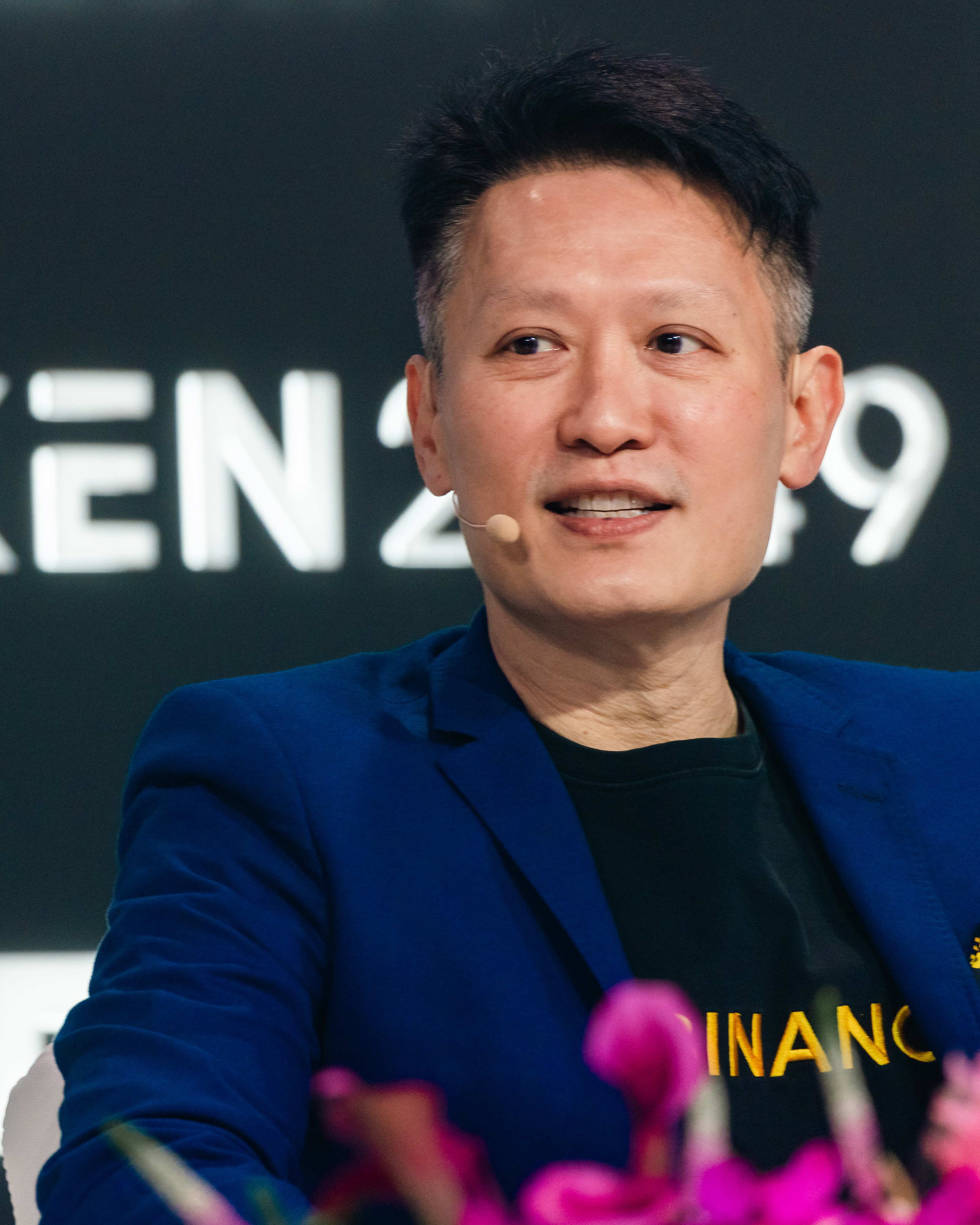
Cover The digital asset and cryptocurrency technologies conference, Bitcoin Asia 2025, took place over two days in August at the Hong Kong Convention and Exhibition Centre (Photo: Tatler Hong Kong)
The digital asset and cryptocurrency technologies conference, Bitcoin Asia 2025, took place over two days in August at the Hong Kong Convention and Exhibition Centre (Photo: Tatler Hong Kong)
1 / 1
From regulatory roadmaps to the rise of AI, industry leaders outline the forces driving the next wave of Bitcoin investment at Bitcoin Asia 2025 in Hong Kong
Bitcoin Asia 2025 brought together the industry’s brightest minds in Hong Kong to examine the future of one of the world’s leading digital assets. Beyond its role as a digital currency, Bitcoin is increasingly regarded as a cultural phenomenon and an important macroeconomic instrument. Bitcoin reached an all-time high of over US$120,000 in July this year, signalling a new phase of market interest.
The two-day event, held at the Hong Kong Convention and Exhibition Centre, highlighted the forces driving the adoption of Bitcoin into mainstream finance and corporate strategy through a series of panel discussions. Here are three key insights from industry leaders, covering regulation, AI and geopolitics.
Read more: What does Hong Kong’s new stablecoins law mean for the future of digital money?
Bitcoin as AI’s asset
Yat Siu, the chairman of the Web3 game software and venture capital company Animoca Brands, shared a forward-looking view of Bitcoin’s role beyond human finance. He noted that the cryptocurrency is a cultural marker, a “club” you join by owning it, but suggested its future users may not be humans at all.


Above Leading AI companies, including OpenAI, Anthropic and Google, are in a tight race to develop more advanced models, focusing on improving performance, scalability and real-world applications (Photo: Getty Images)
Leading AI companies, including OpenAI, Anthropic and Google, are in a tight race to develop more advanced models, focusing on improving performance, scalability and real-world applications (Photo: Getty Images)
1 / 1
As AI agents become more autonomous, Siu argued that they will require a native digital asset to transact and store value. “What is the natural hedge for most people to have then? It’s crypto. It’s Bitcoin. It’s digital assets,” he says. “That is the real estate, the scarce asset of the AI agents. They’re going to be trading 24/7 while we’re asleep”.
Read more: Meme coins: serious talk about this cryptocurrency that’s built on internet jokes
Geopolitical neutrality drives adoption
Alessio Quaglini, the co-founder and CEO of institutional custodian Hex Trust, highlighted two key forces driving institutional Bitcoin adoption: devaluation of fiat currencies and intensifying geopolitical tensions. He observed that governments expanding their money supply to finance deficits and conflicts are pushing institutions to find a dependable hedge against inflation.
Quaglini emphasised that Bitcoin is distinctive because it is borderless and “geopolitically neutral”. Unlike the national fiat currencies, which he said can be wielded as “weapons to control other countries”, Bitcoin is impartial. This neutrality, he argued, makes it an invaluable asset for corporations and nations alike, safeguarding wealth against economic mismanagement and international disputes.
Read more: Bitcoin and the cryptocurrency problem: how to manage it effectively?
Regulatory clarity in Hong Kong
Clarence Shen, manager of intermediaries at Hong Kong’s Securities and Futures Commission (SFC), stressed that its regulatory approach is designed to be “predictable and consistent”. He pointed to the SFC’s Aspire roadmap—short for Access, Safeguards, Products, Infrastructure and Relationships—as evidence of this philosophy.

Above Hong Kong’s new stablecoins ordinance, which came into effect on August 1, mandates that issuers of fiat-pegged cryptocurrencies must obtain a license from the Hong Kong Monetary Authority (Photo: Getty Images)
Hong Kong’s new stablecoins ordinance, which came into effect on August 1, mandates that issuers of fiat-pegged cryptocurrencies must obtain a license from the Hong Kong Monetary Authority (Photo: Getty Images)
1 / 1
“We do not think regulations necessarily slow innovation, but what we do is try to make sure that these innovations land safely and become widely adopted,” he said. This balanced approach, he added, is what enables confidence and positions Hong Kong as a trusted hub for digital asset development.
NOW READ
What is Nano Banana, and why are people going ‘bananas’ over it?
Your next car tracks your carbon, has a drone and wants to reduce your road rage with... emojis?
Topics
Curated for you
The stories, profiles, and cultural moments featured on our Instagram feed