Cover Across 90+ malls, SM Supermalls is championing neuro-inclusive retail with acoustic ceilings, biannual frontline staff training and inclusive employment (Photo: SM Supermalls)
Across 90+ malls, SM Supermalls is championing neuro-inclusive retail with acoustic ceilings, biannual frontline staff training and inclusive employment (Photo: SM Supermalls)
1 / 1
Public spaces are loud, bright, and hurried, but they do not have to be unkind. SM Supermalls president Steven Tan explains how acoustic ceilings, sensory quiet rooms, and staff trained in neurodiversity are reshaping retail into a more neuro-inclusive experience across the Philippines
For Steven Tan, president of SM Supermalls, the journey toward neurodivergent inclusivity didn’t begin in a corporate boardroom. It began with a mistake.
In the early 2000s, a young boy with autism experienced a severe sensory meltdown at SM Megamall, pacing the floors and shouting. Uninformed about neurodivergence, security personnel mishandled the situation, taking the rowdy child into the security office to wait for his parents. The family formally complained, arguing that this was no way to treat a child on the spectrum.
In case you missed it: Tatler Most Influential 2026: meet the people shaping Asia’s future
Rather than issuing a standard PR apology, SM Supermalls hit pause.
“We stepped back and said, ‘We have to deal with this,’” Tan recalls. “We reached out to the Autism Society of the Philippines (ASP) and asked them to educate us. We invited speakers to talk to our frontliners, janitors, security guards, and mall personnel. They taught us how to assist individuals with autism, what to do, and just as importantly, what not to do.”
Today, that singular incident has snowballed into one of the most comprehensive neuro-inclusive retail programs in the Asia-Pacific region. Across its network of over 90 malls in the Philippines, SM Supermalls has mandated that frontline staff—along with hundreds of individual tenant employees—undergo awareness training every six months.
But for Tan, training the staff was only half the equation. The physical spaces themselves had to change.
Designing for the senses


Above Designed with calming colours and tactile textures, SM’s Sensory Labs offer neurodivergent guests a quiet sanctuary to decompress when public spaces become overwhelming (Photo: SM Supermalls)
Designed with calming colours and tactile textures, SM’s Sensory Labs offer neurodivergent guests a quiet sanctuary to decompress when public spaces become overwhelming (Photo: SM Supermalls)
1 / 1
Public spaces, by default, are sensory minefields. For neurodivergent individuals, harsh lighting, echoing crowds, and unpredictable noises can trigger debilitating anxiety. To combat this, SM phased out loud, drum-heavy mall concerts over two decades ago.
More impressively, the structural architecture of the malls was quietly re-engineered. “If you look at the ceilings of our shopping centres right now, we installed acoustic panels with holes specifically designed to absorb noise and lessen anxiety,” Tan says.
Following the pandemic, SM collaborated with the ASP to introduce a dedicated “Sensory Lab”—a specialised quiet zone for neurodivergent guests experiencing sensory overload. “We didn’t know what colours, fabrics, or materials to use, so we relied on the experts,” says Tan. The resulting rooms utilise specific tactile textures and calming colours that allow individuals to self-regulate and decompress in private.
The philosophy of ‘right first, business later’

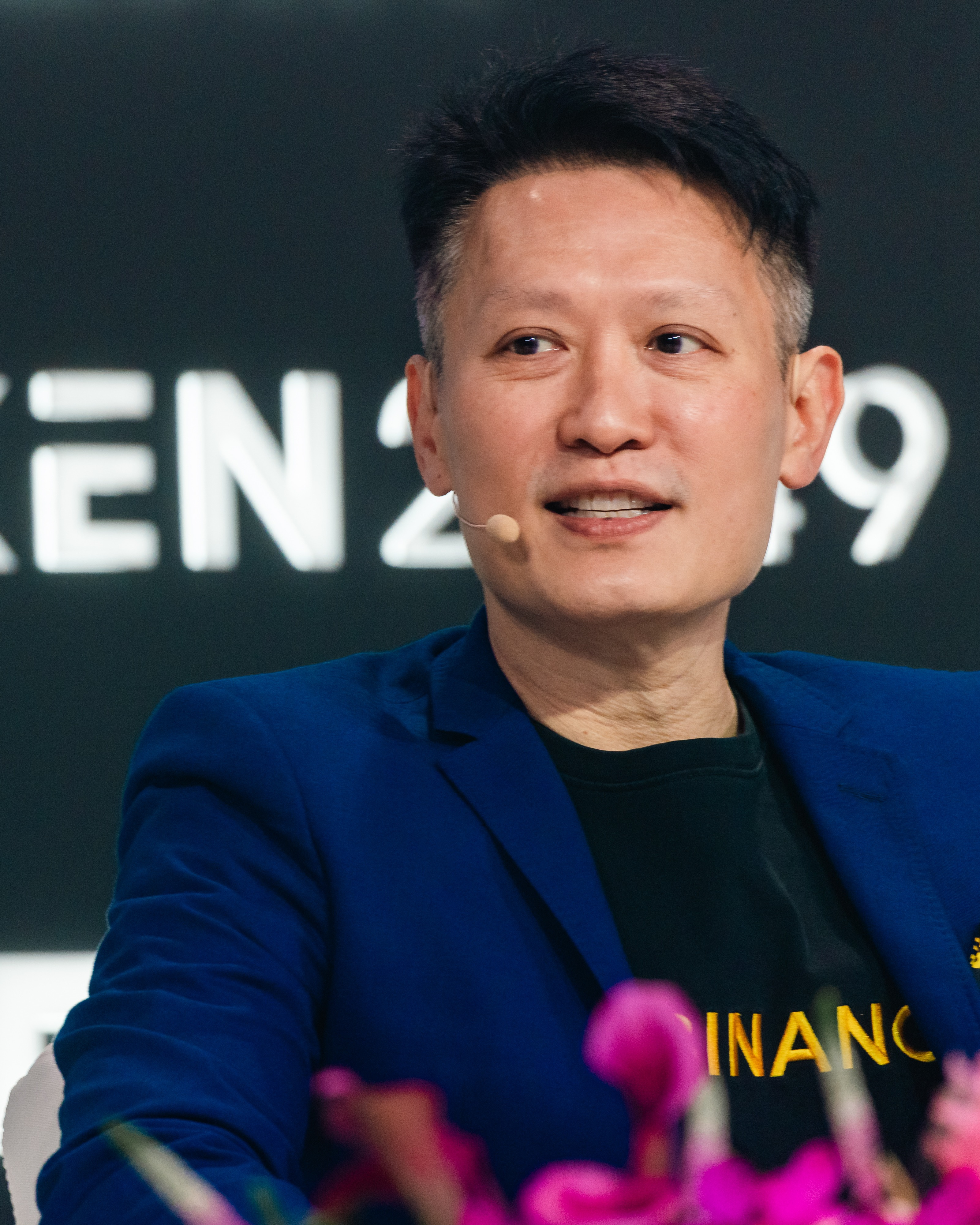
Above SM Supermalls president Steven Tan, a Tatler Most Influential honouree, shares why designing for neurodiversity is more than just good business—it’s a responsibility (Photo: SM Supermalls)
SM Supermalls president Steven Tan, a Tatler Most Influential honouree, shares why designing for neurodiversity is more than just good business—it’s a responsibility (Photo: SM Supermalls)
1 / 1
When asked about the business case for investing in neuro-inclusive design—especially when the ROI isn’t immediately visible on a balance sheet—Tan points back to the founding ethos of the late SM patriarch, Henry Sy Sr.
“Mr Henry Sy Sr once told me, ‘Stephen, never discriminate. Today, they might not spend money in your centre, but the world is round. Always welcome everyone,’” Tan shares.
It is a philosophy that has guided SM’s boldest operational decisions for decades. In 1990, long before “sustainability” was a corporate buzzword, SM invested heavily in a sewage treatment plant to recycle water, despite water being remarkably cheap at the time. In 2021, they installed free EV charging stations when there were virtually no electric vehicles on Philippine roads.
“A lot of the things we do, we don’t think of the business first,” Tan says. “First, do what is right. Do what is good for the community and the country. Financial success will naturally follow.”
Don’t miss: Runa Khan on privilege and responsibility—‘It’s not rocket science’
The real return on investment

Above Public spaces are often loud, bright, and rushed, but they don't have to be unkind. Building welcoming spaces for every family is always worth the investment (Photo: SM Supermalls)
Public spaces are often loud, bright, and rushed, but they don't have to be unkind. Building welcoming spaces for every family is always worth the investment (Photo: SM Supermalls)
1 / 1
That community-first mindset has transformed SM’s relationship with its neurodivergent customers. The annual Angels Walk for Autism, which started in a small SM parking lot, now draws thousands, filling the entire Mall of Asia Arena. Thousands of SM head office employees voluntarily give up their weekends to assist at the events.
The company has also integrated neurodivergent talent into its workforce. Tan proudly highlights an individual on the spectrum who was hired to manage the “Book Nook” library space at SM Aura. “She turned out to be an exceptional, highly efficient professional gem,” Tan says.
Ultimately, for SM Supermalls, the success of their neuro-inclusive initiatives isn't measured by foot traffic or tenant sales.
“How do you measure success?” Tan asks. “It’s when you start seeing families happily bringing their whole family together to the mall. We have a responsibility to push the envelope. And we are just getting started.”
Topics

Karen Vera is the regional content director for Tatler Asia. Having led editorial strategy across Hong Kong, Singapore, Manila, Jakarta, and Shanghai throughout her career, she is a devoted culture vulture whose favorite party trick is naming every Oscar Best Picture winner from 1972 onwards. (Annie Hall won in 1977, by the way.)
Curated for you
The stories, profiles, and cultural moments featured on our Instagram feed