

Cover Cropped detail shot of the seismometer, an instrument used to record the motion of the ground during an earthquake
Cropped detail shot of the seismometer, an instrument used to record the motion of the ground during an earthquake
1 / 1
Read on to learn about the most shocking earthquakes in history that shook many Filipinos to their core
It is impossible to predict when the next major earthquake will strike the Philippines. It is only right to prepare oneself by reading up on crucial pointers and looking back on past experiences. What better way to prepare for natural disasters than learning from history?
Related: Force of nature: Toni Loyzaga’s bold vision for disaster preparedness
In this article, Tatler lists several of the most shocking earthquakes in the country.
More from Tatler Opinion: beyond duck, cover and hold: why geologist Mahar Lagmay believes it’s time to rethink earthquake drills
Moro Gulf Earthquake in 1976


Above Moro Gulf Earthquake in 1976 (Photo: PHILVOLCS)
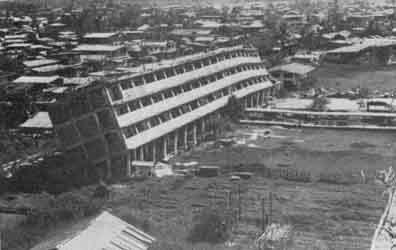
Above Moro Gulf Earthquake in 1976 (Photo: PHILVOLCS)
Moro Gulf Earthquake in 1976 (Photo: PHILVOLCS)
1 / 2
Magnitude: 7.9
The earthquake in Mindanao spawned a tsunami on the midnight of August 17, 1976, which ravaged various properties and left large cracks on the ground. Families lost their loved ones to this tragic event. Fortunately, the victims received both international and local support.
See also: Kaayo Modern Mindanao by Marga Nograles Launches Its First Resort Collection
Luzon Earthquake in 1990

Above Luzon Earthquake in 1990 (Photo: PHILVOLCS)
Luzon Earthquake in 1990 (Photo: PHILVOLCS)
1 / 1
Magnitude: 7.8
Filipinos residing from Dingalan, Aurora to Kayapa, Nueva Vizcaya bore the brunt of the earthquake that took place on July 16, 1990. The epicentre was located near the town of Rizal. The dangerous earthquake was caused by the strike-slip movements along the Philippine Fault Zone and the Digdig Fault. This massive earthquake did not spare Manila, as it also left at least 25 per cent of the houses in the city damaged.
Casiguran Earthquake in 1968
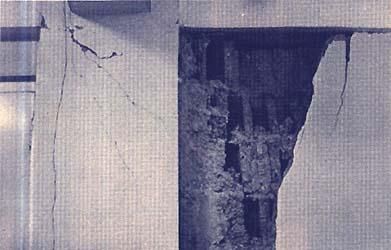
Above Casiguran Earthquake in 1968 (Photo: PHILVOLCS)

Above Casiguran Earthquake in 1968 (Photo: PHILVOLCS)
Casiguran Earthquake in 1968 (Photo: PHILVOLCS)
1 / 2
Magnitude: 7.3
The town of Casiguran, Aurora, was struck by a destructive earthquake on August 2, 1968, leaving 261 injured and 270 dead. Several towering buildings in Manila were damaged, including eight-storey and six-storey buildings like the Aloha Theatre, Ruby Tower and the Philippine Bar Association’s commercial building. The cost of property damage? Several million dollars.
See also: Volcanoes, Typhoons, SARS, MERS, COVID-19: is the Philippines prepared for the next disaster?
Ragay Gulf Earthquake in 1973
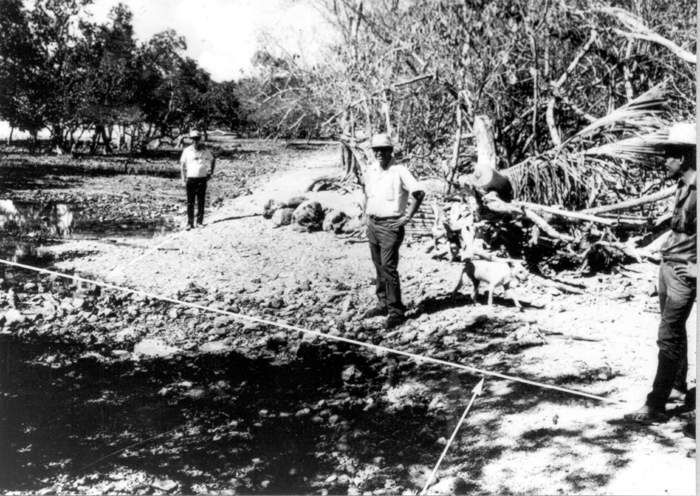
Above Ragay Gulf Earthquake in 1973 (Photo: luirig.altervista.org)
Ragay Gulf Earthquake in 1973 (Photo: luirig.altervista.org)
1 / 1
Magnitude: 7.0
In 1973, an earthquake severely shook Calauag, Quezon, leaving 98 houses destroyed and 270 others damaged. The tremor was so destructive that it extended 90 kilometres away from the epicentre. Proof of this earthquake’s magnitude can be seen through the various ground breakages along the segment of the Philippine Fault and the mud boils formed near the Calauag River.
Davao del Sur Earthquake in 2019
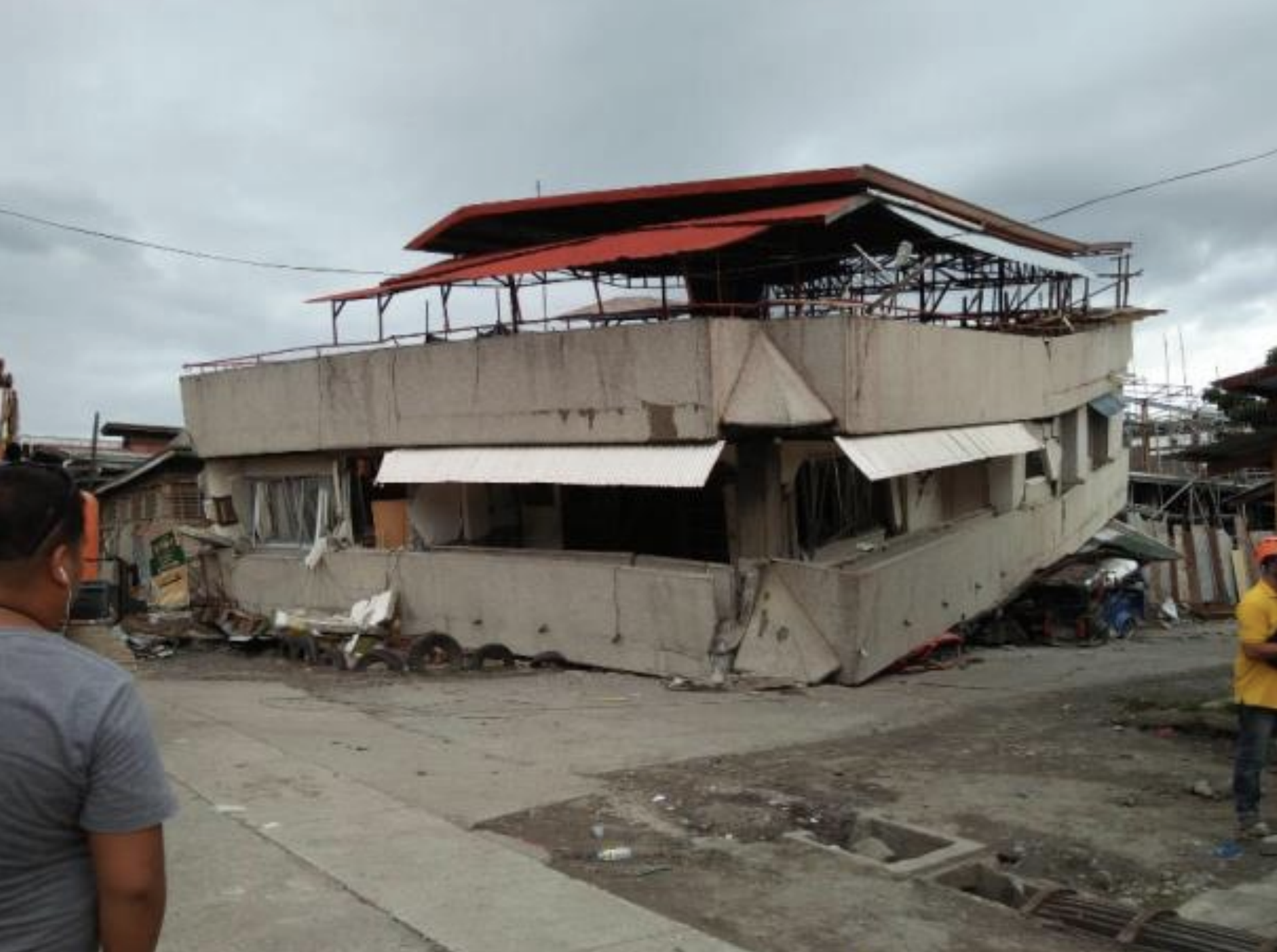
Above Davao del Sur Earthquake in 2019 (Photo: PHILVOLCS)
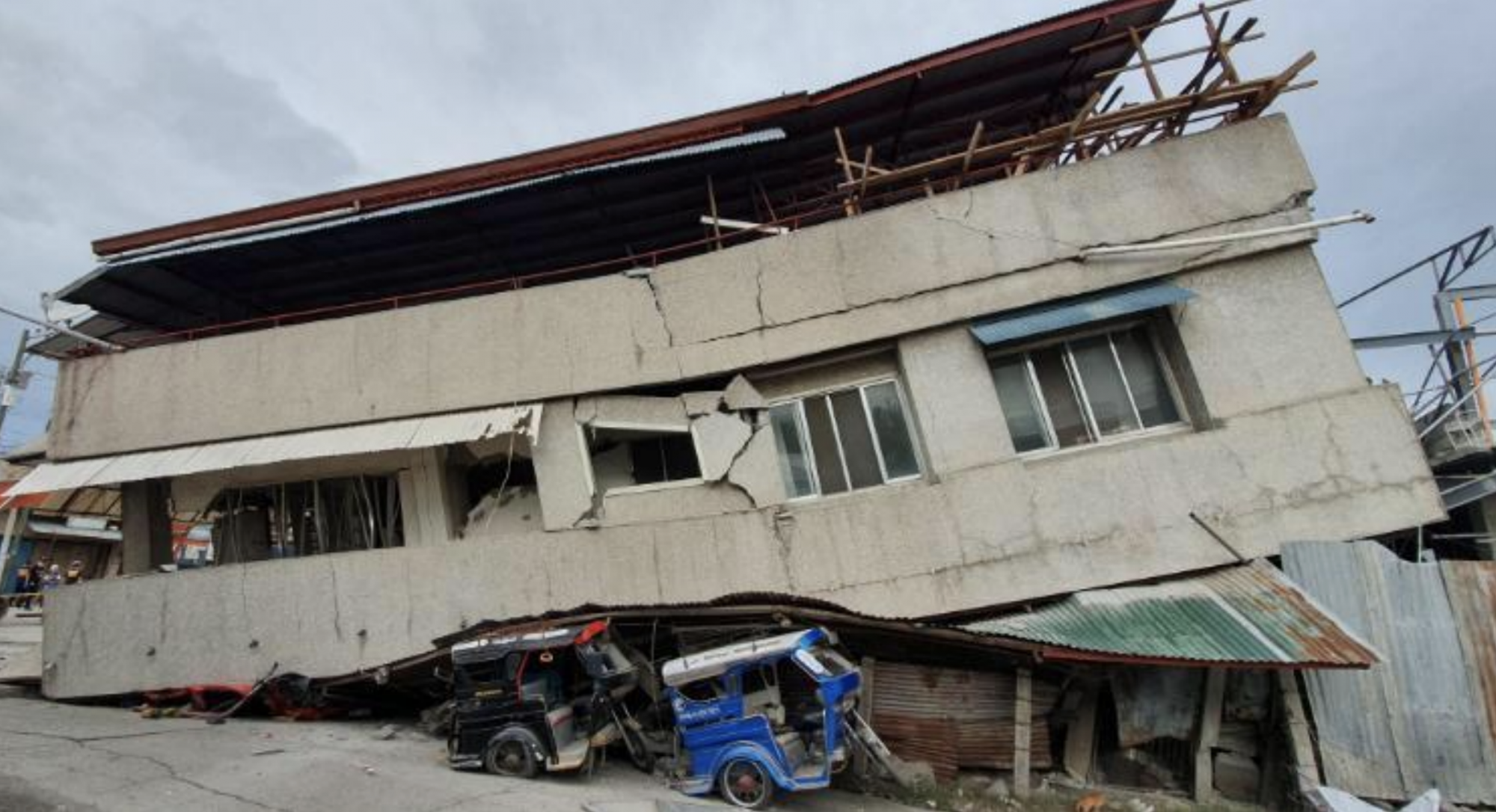
Above Davao del Sur Earthquake in 2019 (Photo: PHILVOLCS)
Davao del Sur Earthquake in 2019 (Photo: PHILVOLCS)
1 / 2
Magnitude: 6.9
On December 15, 2019, an earthquake hit Davao Del Sur, resulting in structural damage, with more than 210 people injured and 13 fatalities. Various schools and health facilities were also affected. Known to be one of the most seismically active regions in the Philippines, the Davao Region is also susceptible to rockfalls and landslides. Fortunately, the epicentre of this earthquake is inland, which means that a tsunami is highly unlikely to occur after an earthquake.
More from Tatler: Why The Fat Cow Is A Must For Steak Aficionados In Davao
Davao Oriental coast earthquake in 2025

Above Landslide caused by the earthquake (Photo: Office of Civil Defense; Davao Region)
Landslide caused by the earthquake (Photo: Office of Civil Defense; Davao Region)
1 / 1
Magnitude: 7.5
A powerful earthquake struck the southern Philippines on October 10, 2025, hitting off the coast of Davao Oriental, Mindanao, at 9.43am. Authorities issued a tsunami warning and urged precautionary coastal evacuations, though they later lifted the advisory after recording just minor sea-level changes. This recent tremor hit the country just over a week after a destructive quake near Cebu in the central Visayas. It also follows two powerful tropical cyclones, Nando (international name: Ragasa) and Opong (Bualoi), that recently battered parts of the archipelago.
NOW READ
How DENR Secretary Toni Loyzaga challenges the status quo
Rest in power: 7 lost buildings that still resonate in architecture and design
Topics

Christine Andas is a features writer and the style lead of Tatler Philippines. She mostly covers style-related content but enjoys writing about space, sneakers, and her favourite stars. She acquired a master's degree in Creative Writing at the University of Santo Tomas and has written young adult short stories which can be read online.





