

Cover Image: Getty Images/Drazen
Image: Getty Images/Drazen
1 / 1
Tatler rounds up the top schools and universities offering professional development courses, masters and doctoral programmes in the region
Learning is a lifelong journey, and while a bachelor’s degree is enough to land a job, upskilling and postgraduate education have become essentials in this dynamic and ever-competitive world. In recent years, an increase in enrolment in postgraduate and professional certification courses has been seen around the world. A 2021 article in the British news platform The Guardian says that postgraduate applications accelerated, especially during the pandemic, because “students are recognising the value of furthering their education against a challenging economic and employment backdrop”. Through continuing education, learners develop new skills, knowledge and expertise that can support them face the demands of the 21st century: technological advancements, economic growth, and societal shifts.
But why choose Asia or Australia for your postgraduate journey? A study by Unesco in 2013 says that since the Nineties, many countries in Asia, which previously had only public institutions, started establishing private institutions of higher education. Countries such as Indonesia, Japan, the Philippines, and the Republic of Korea have a strong tradition of private higher education where most students attend private institutions. On the other hand, universities in Australia have been consistently topping the university ranking charts for decades.
In case you missed it: 14 Boarding Schools Attended By Members Of Royal Families
Additionally, foreign universities set up branch campuses in selected Asian countries such as Hong Kong and Singapore to accommodate the demand that cannot be met by local higher education institutions as well as attract international teachers and students. Exposure to the language and cultures of these countries also equips students with competencies to thrive globally. Asia is also home to both established and fast-rising economies, so it makes sense to study within these economic superstars to get a grasp of real-world, real-life scenarios. These factors prove that Asia and Australia are more than ready and capable of bringing quality and time-tested higher education.
In this issue, Tatler lists some of the top schools and universities in Asia and Australia that offer a diverse portfolio of degrees and programmes—in-person and online—to suit your higher education goals.
INSEAD

Above Image: INSEAD
Image: INSEAD
1 / 1
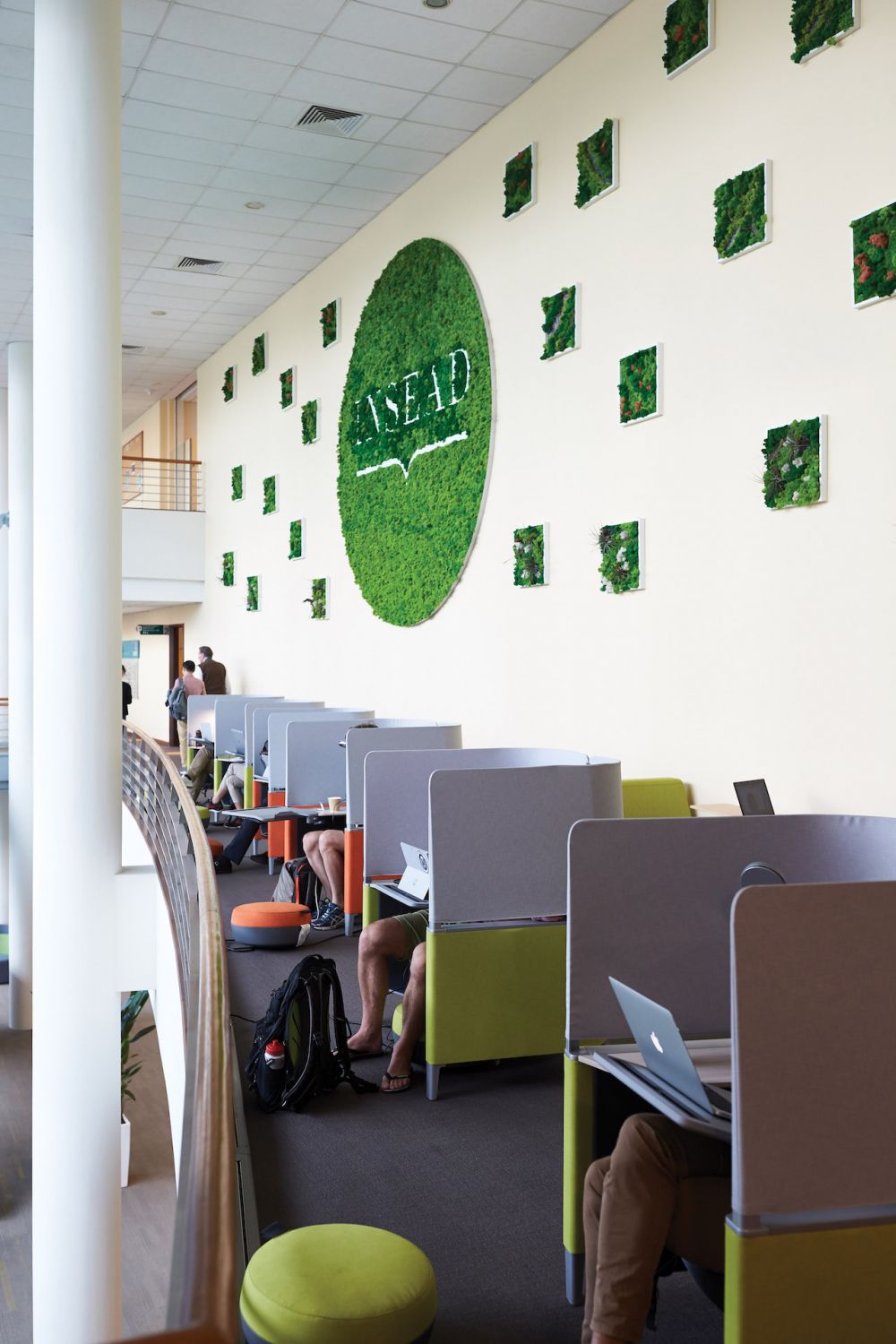
The Institut Européen d’Administration des Affaires (European Institute of Business Administration) is a prestigious business school that maintains its campuses in Europe (Fontainebleau, France), Asia (Singapore), the Middle East (Abu Dhabi, UAE), and North America (San Francisco, United States). It is considered one of the world’s best as it reportedly belongs to the top 20 universities that produce the most millionaire graduates.
This institution admits no more than 12 per cent of students of the same nationality. It requires each student to speak at least two languages upon entry and three by graduation.
Its campus in Singapore offers Master’s in Management (MIM), a 14- to 16-month programme that stimulates learners with problem-solving orientations. It seeks to empower younger individuals with regular opportunities for field trips to China, Dubai, and San Francisco. This programme recently ranked 4th in the 2022 QS Business Masters Rankings for Management.
National University of Singapore

Above Image: Getty Images/Primeimages
Image: Getty Images/Primeimages
1 / 1
What initially began as a modest medical school with 23 students in 1905 became, over a century later, Singapore’s (and Asia’s) number one university, as cited by the QS World University Rankings for four years in a row. With its global approach to education and research centred on Asian perspectives and expertise, the National University of Singapore (NUS) brings to the fore transformative education through a broad-based curriculum underscored by multi-disciplinary courses and cross-faculty enrichment.
Masters, doctoral, and postgraduate diploma programmes in the fields of nursing and medicine, computing, data science, engineering, business, and social sciences are offered across its faculties and institutes.
The Cancer Science Institute Singapore, for instance, aims to put the country as a global leader in biomedical sciences by embarking on a multifaceted approach to cancer research. On the other hand, the NUS’s Asian Institute of Digital Finance gears toward becoming a thought leader in FinTech and an incubator for developing digital financial technologies in Asia. The University’s latest research focuses on data sciences, optimisation research, and cyber security to support Singapore’s Smart Nation initiative.
More from Tatler: How These 3 Innovators are Transforming Education in Asia
Tsinghua University
Above Image: Getty Images/Mike Kemp
Image: Getty Images/Mike Kemp
1 / 1
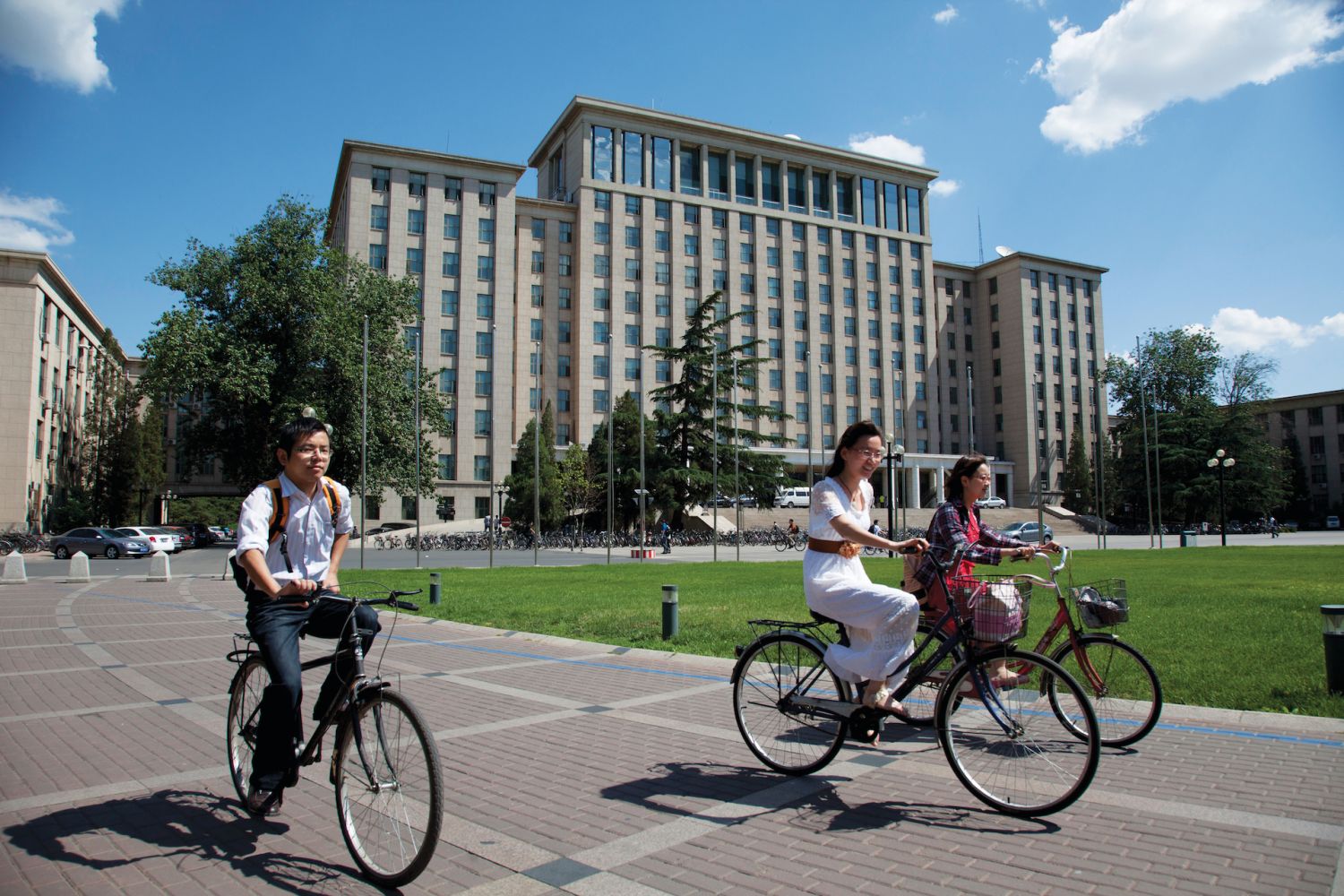
Since 1984, China’s premier educational institution has provided high-quality education that sustains its consistent top spot in respected university rankings. Among these are citations by the QS World University Rankings, US News Global University Rankings, Times Higher Education World University Rankings, and ARWU World University Rankings. The university is well-known in the business, engineering, computer science, materials science, and chemistry fields, among many others.
International students can choose from 100 master’s and 90 doctoral programmes, among which 21 master’s and 8 doctoral programmes are delivered fully in English. Of special mention are programmes such as the Global Masters in Business Administration and Master of Public Administration in International Development.
The university also holds the UNESCO Chair of Continuing Engineering Education, a badge of excellence for universities, centres, and educational organisations that fulfil UNESCO's aims with distinction.
In the fall semester of 2020, the university implemented hybrid teaching and learning to support more resilient and inclusive quality education.
Nanyang Technical University
Above Image: Getty Images/View Pictures
Image: Getty Images/View Pictures
1 / 1
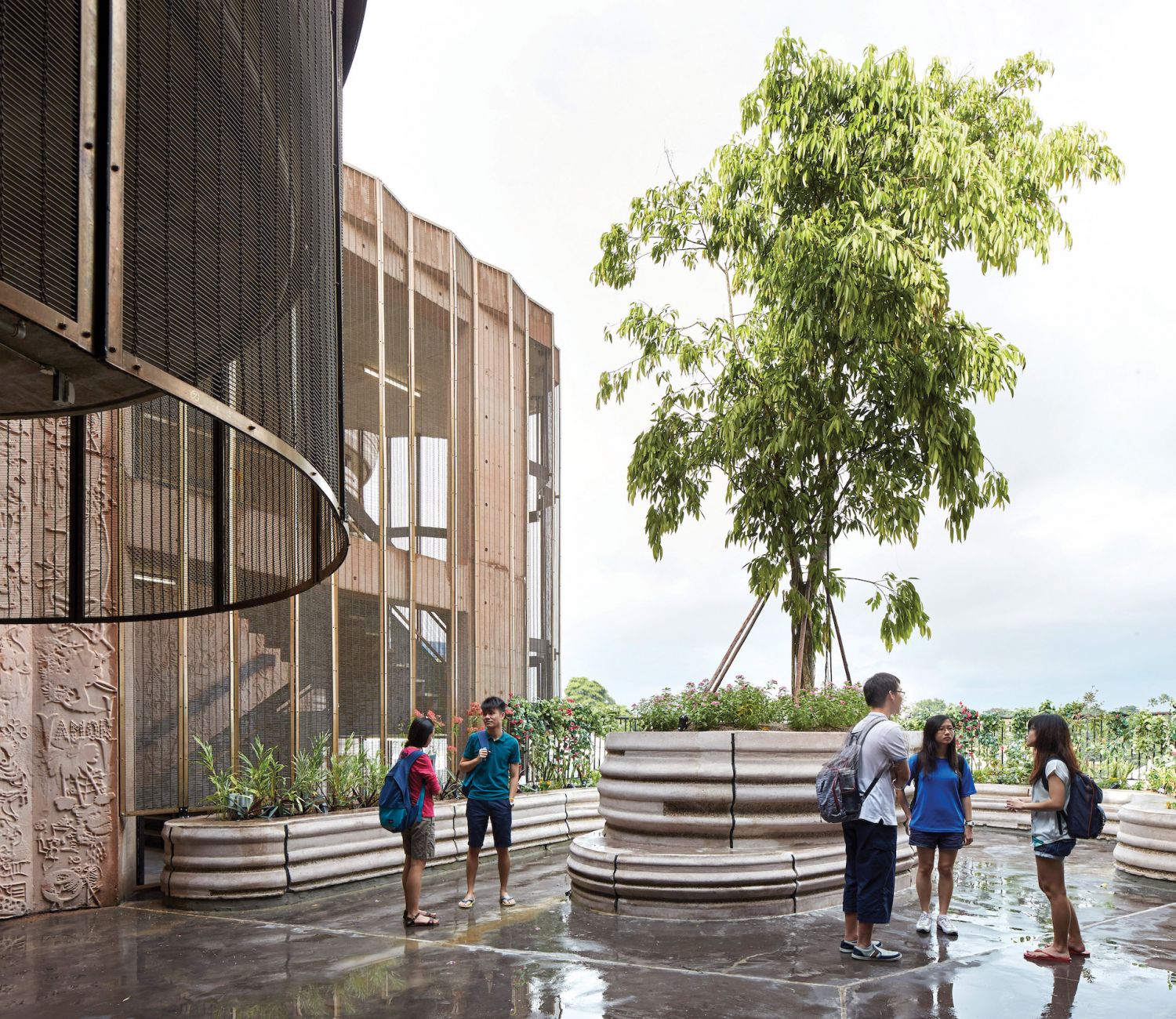
The youngest university on this list has secured the 11th spot globally and the first among the world’s best young universities for five years in a row at the recent release of the QS World University Rankings. Primarily a research-intensive, technological university, Nanyang Technical University, Singapore (NTU Singapore) offers comprehensive programmes in various fields and has a joint medical school with Imperial College London.
With digital technologies and sustainability at its core, the university takes pride in its joint Master of Science degree in Green Electronics, a full-time, highly specialised programme in collaboration with the Technical University of Munich. International students can also check out NTU’s Master of Science in Biomedical Data Science programme, the first graduate programme in the Asia-Pacific region offering data science training for specific applications in the biomedical domain. Extensive Master of Science in Artificial Intelligence and Master of Science in Cybersecurity aims to give professionals the necessary expertise in these highly technical fields. NTU also launched FlexiMasters, an innovative and flexible Continuing Education and Training initiative that allows working adults to upskill through modular courses that can be stacked towards a micro-credential and, where appropriate, credit transfer to a full master's degree.
Korea Advanced Institute of Science and Technology (KAIST)
Above Image: Getty Images/Jonas Gratzer
Image: Getty Images/Jonas Gratzer
1 / 1
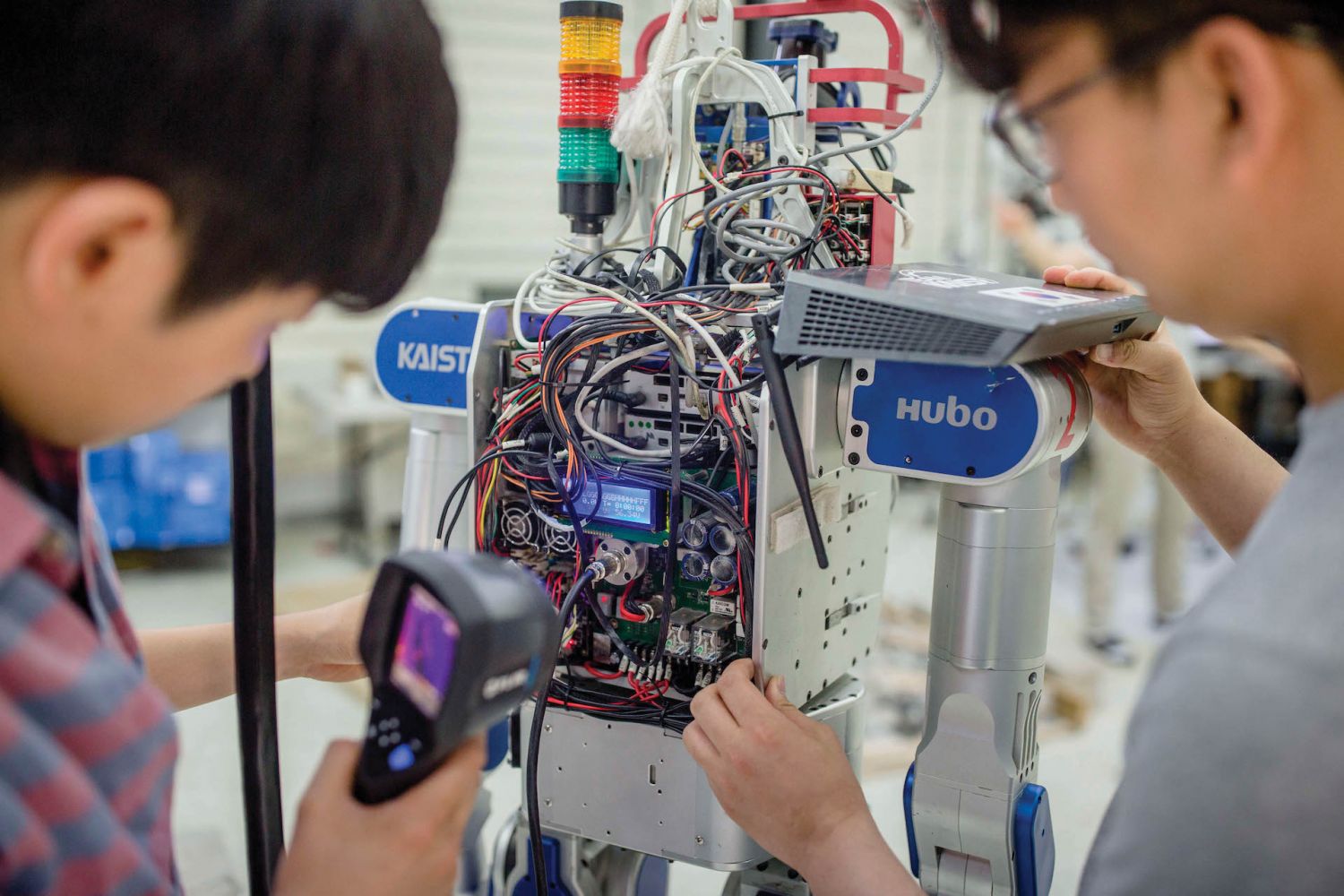
Founded in 1971, KAIST is South Korea’s first research-oriented science and engineering institution that is now globally recognised as the top science and technology university in Korea and one of the most innovative universities in the Asia-Pacific region. To date, about 6,000 postgraduate students from all over the world are enrolled in KAIST, taking programmes in science, engineering, and technology. While these areas are the university's focus, it is also internationally accredited and well-known for business education. It has adopted dual degree programmes with prestigious educational institutions such as Carnegie Mellon in the United States and the Technical University of Berlin.
While it offers Executive Education tailored explicitly for leaders of Korean companies, its general MBA, as well as the specialised MBA programmes with a focus on digital finance, financial engineering, information and media, information management, social entrepreneurship, and green business and policy, are designed to give students from all corners of the globe an immersive learning experience.
KAIST is also home to the National NanoFab Center, an institute that researches nano-devices and their potential applications. The university’s Graduate School of Nano Science and Technology also offers three study programmes such as Master of Science, integrated Master-Doctorate and Doctor of Philosophy degrees.
Read also: Travelling to South Korea? Here Are 5 Stylish and Popular Cafes You Must Visit
University of Tokyo
Above Image: University of Tokyo
Image: University of Tokyo
1 / 1
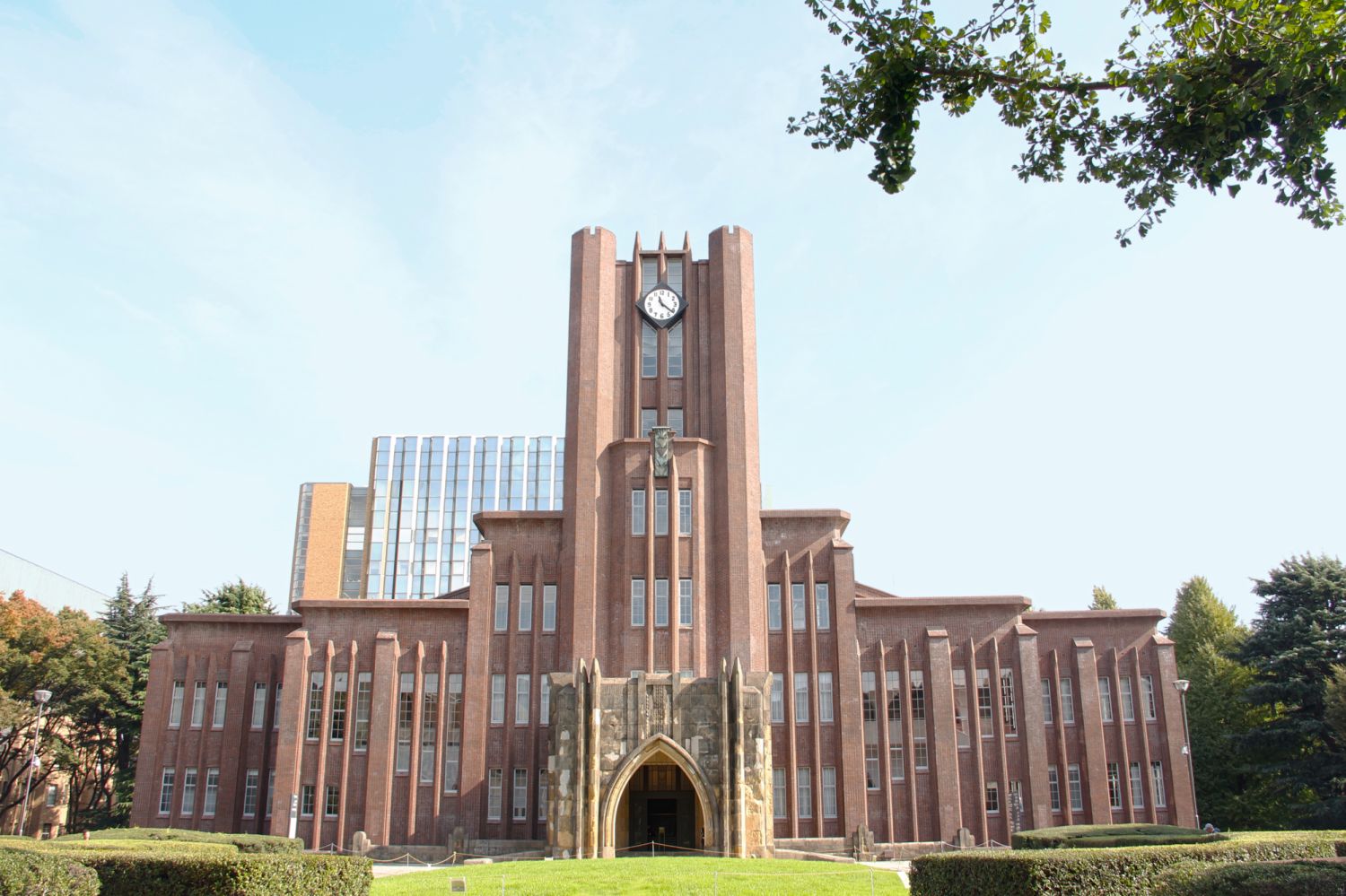
With 13 Nobel Prize laureates, four Pritzker Prize laureates, five astronauts, a Fields medallist, and 15 prime ministers under its belt, it is not surprising why this university in the Japanese capital consistently gets recognition from global institutions—the most recent being number 23 in the world, number 11 in Asia and number 1 in Japan, according to the esteemed 2022 QS World University Rankings.
The University of Tokyo, founded in 1877 as the country’s first imperial university, is one of Japan’s legendary higher education establishments. In 2011, it was ranked second in the world, following Harvard for the number of alumni in CEO positions at Fortune 500 companies it produced.
Unusual for a Japanese university, it offers myriad graduate courses taught in English in business, economics, arts, sciences, engineering, agriculture, medicine, information technology, and public policy. In keeping with the growing demand for distance learning, it also engages in several educational programmes outside the traditional classroom setting, such as online classes through Massive Open Online Course (MOOC) platforms. The UTokyo Executive Management Program is popular for continuing education, especially for international students.
ESSEC

Above Image: Getty Images
Image: Getty Images
1 / 1
Since its establishment in 2005, ESSEC Asia-Pacific has already welcomed more than 5000 students, all eager to learn more about the world of entrepreneurship.
The institution offers a wide range of top-ranked programmes that promote strong global exposure, professional networks, and career-driven outcomes.
Among its most sought-after courses is the ESSEC Global MBA, a 12-month full-time programme delivered on its campuses in Singapore and France. Through its majors: Luxury Brand Management and Strategy and Digital Leadership, students are given a macro-view of core business functions coupled with industry-specific skills and knowledge to help them make a successful career switch to industries including consulting, tech, or luxury.
See also: Back To School: How To Ease Children Back Into A Normal School Day
University of Melbourne
Above Image: Getty Images
Image: Getty Images
1 / 1
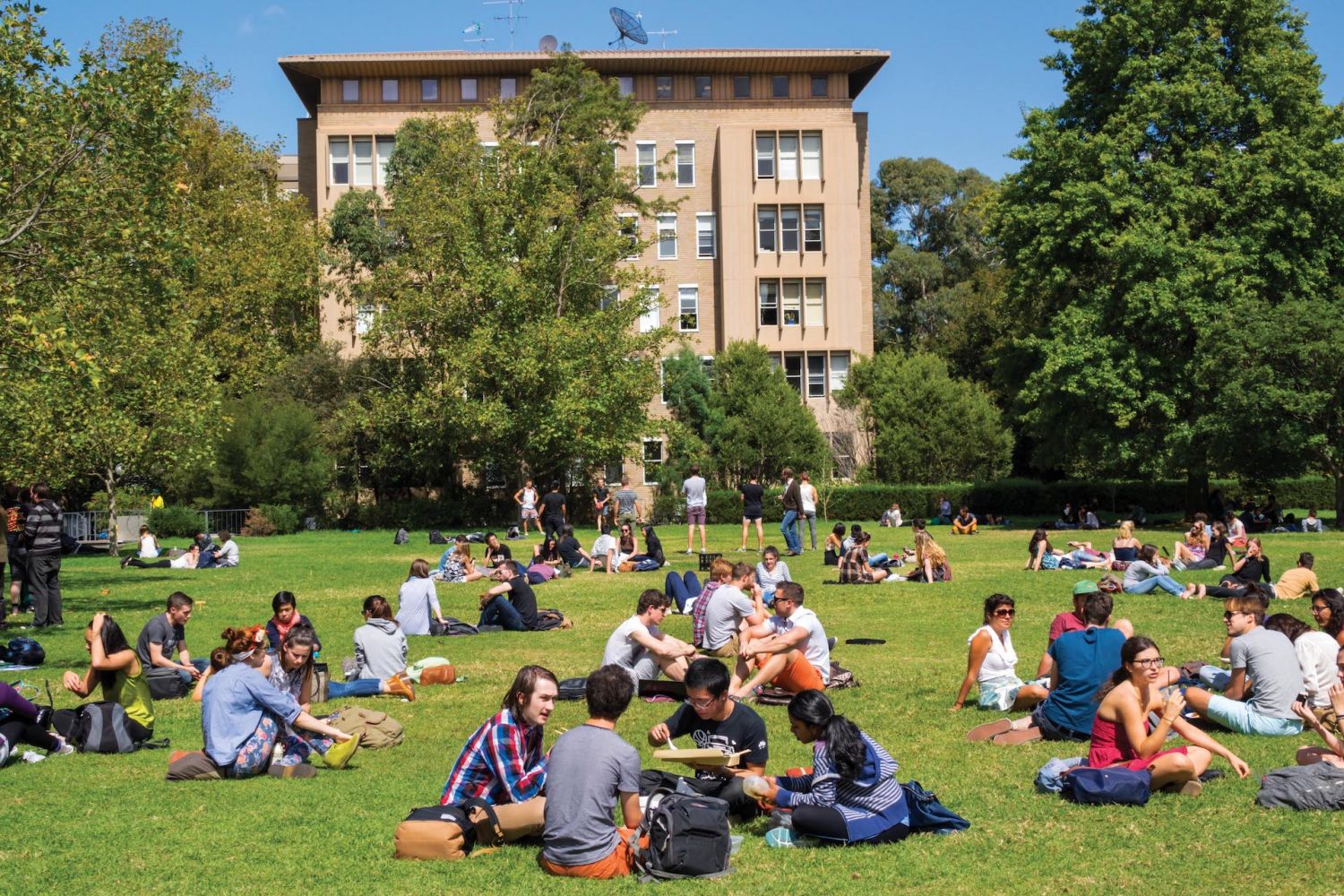
Getting into the University of Melbourne in Australia is a feather on any student’s cap. Besides ranking 37th in QS’ World University Rankings, this graduate school is known for its 70 to 80 per cent acceptance rate, making it a moderately selective institution.
Founded in 1853, the institution is Australia’s second-oldest university. It is one of Australia’s six sandstone universities composed of the country’s oldest tertiary educational establishments. Its main campus is in Parkville, an inner suburb north of Melbourne’s CBD.
The university boasts three other campuses in metropolitan Melbourne: Burnley, where horticultural courses are offered; Southbank, where performing arts, film and music courses are taught; and Werribee, where students can enrol in veterinary courses. The University of Melbourne also offers 100 per cent online courses and micro-certification courses for those who are looking into upskilling and professional development.
Related: Where To Eat Filipino Food In Melbourne, Australia: 7 Eateries To Try
Asian Institute of Management
Above Asian Institute of Management
Asian Institute of Management
1 / 1
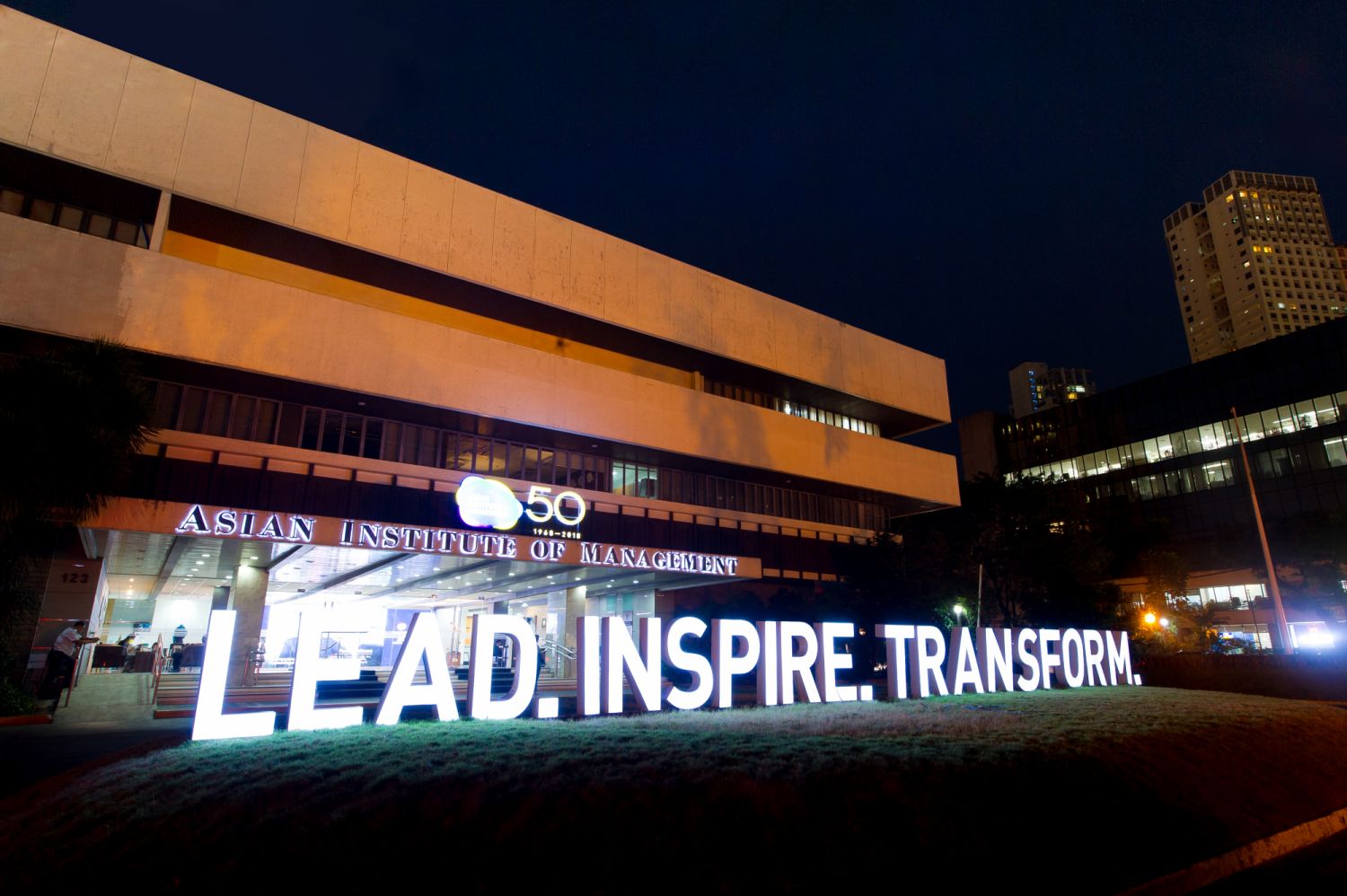
The Asian Institute of Management (AIM) prides itself on being the pioneer in management education since its foundation in 1968. Conceived by a consortium of renowned business leaders in partnership with Filipino academic institutions and the prestigious business school of Harvard, AIM is the first school in Southeast Asia to receive accreditation from the American-based Association to Advance Collegiate Schools of Business. To date, over 46,000 alumni from 79 countries around the world have passed through its hallowed halls and made their respective marks in various governments and non-profit organisations.
For over 50 years, it has remained true to its mission of developing transformative, professional, entrepreneurial, and socially responsible leaders and managers. In the pursuit of this mission, AIM offers leading-edge, participant-centred, and technology-enabled teaching and a holistic learning environment.
For AIM, it is important to sustain the economic growth of Asian communities and societies; ergo, its mission has always been to let its students get in-depth knowledge about the nitty-gritty of entrepreneurship.
Some of its most sought-after programmes are: MBA; Master in Development Management; and Master of Science in Data Science. The school is also known for providing part-time degree programmes.
More from Tatler: How Jennifer Yu Cheng Is Empowering Girls to Become Future-Ready Leaders
KELLOGG-HKUST

Above Image: Getty Images
Image: Getty Images
1 / 1
The Kellogg-Hong Kong University of Science Technology (HKUST) school of business and management has enjoyed an impressive reputation since its founding in 1998. Located in the heart of Asia’s economic centre, the educational institution boasts state-of-the-art learning establishments devoted to helping a new batch of leaders keen on learning more about the world of entrepreneurship.
The school offers global electives, including “Deal-Making in China and Asia”, where students are encouraged to formulate and apply practical deal-making strategies to transactions in the Asia-Pacific region. They are also asked to explore real-world scenarios and examine the roles that negotiators, bankers, salesmen, and consultants play in these transactions.
Kellogg-HKUST also provides Executive MBA programmes designed for experienced professionals. These include Accounting for Management Planning and Control, which equips students with profitability and performance measurement knowledge.
NOW READ
Educator Ramita Anand Is Empowering Young Girls by Talking About Their Mental Health
Journalist Sophia Li On How The US Education System Needs To Change
What to Know About the British Education and Schools Show in Asia (BESSA) 2022





