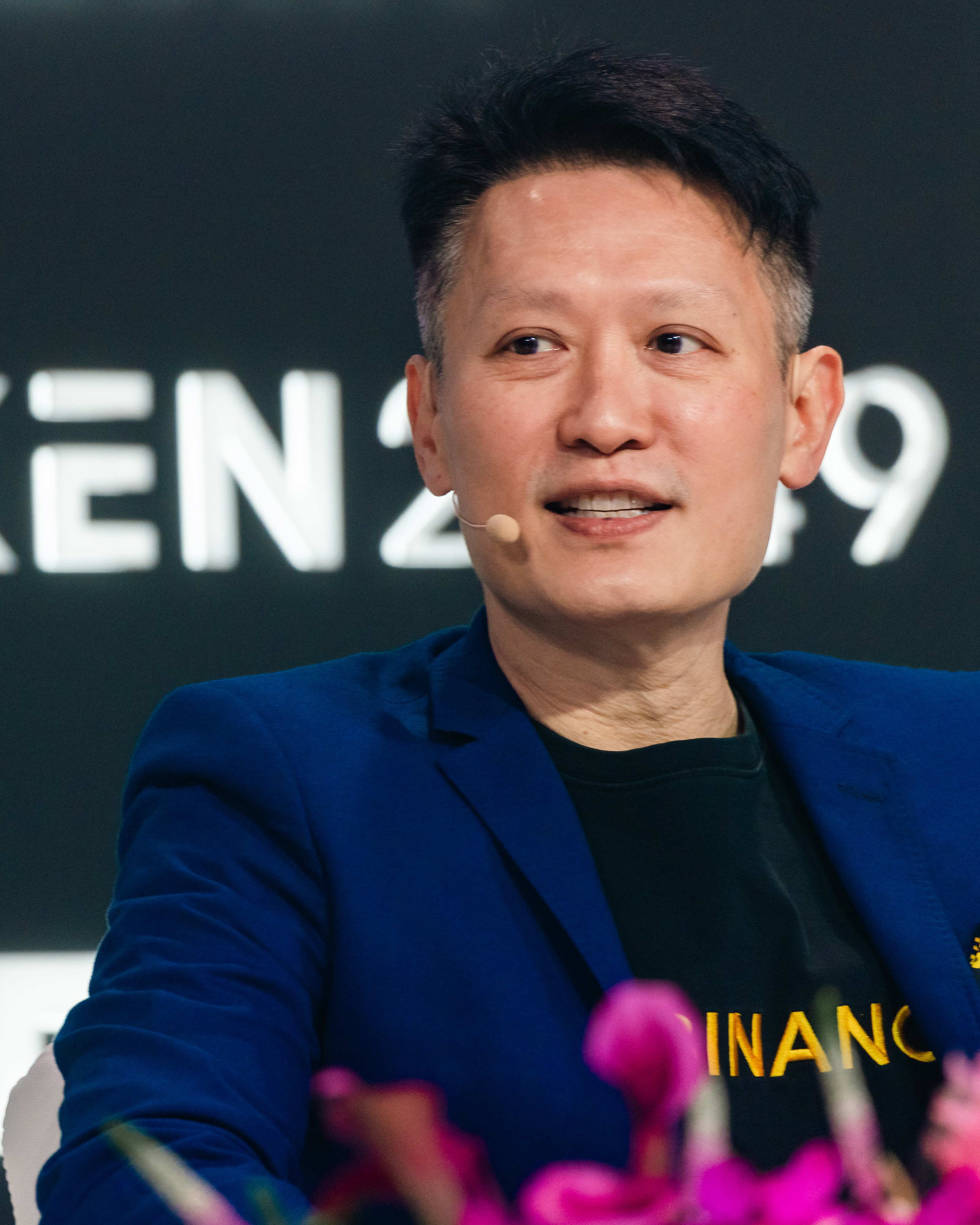
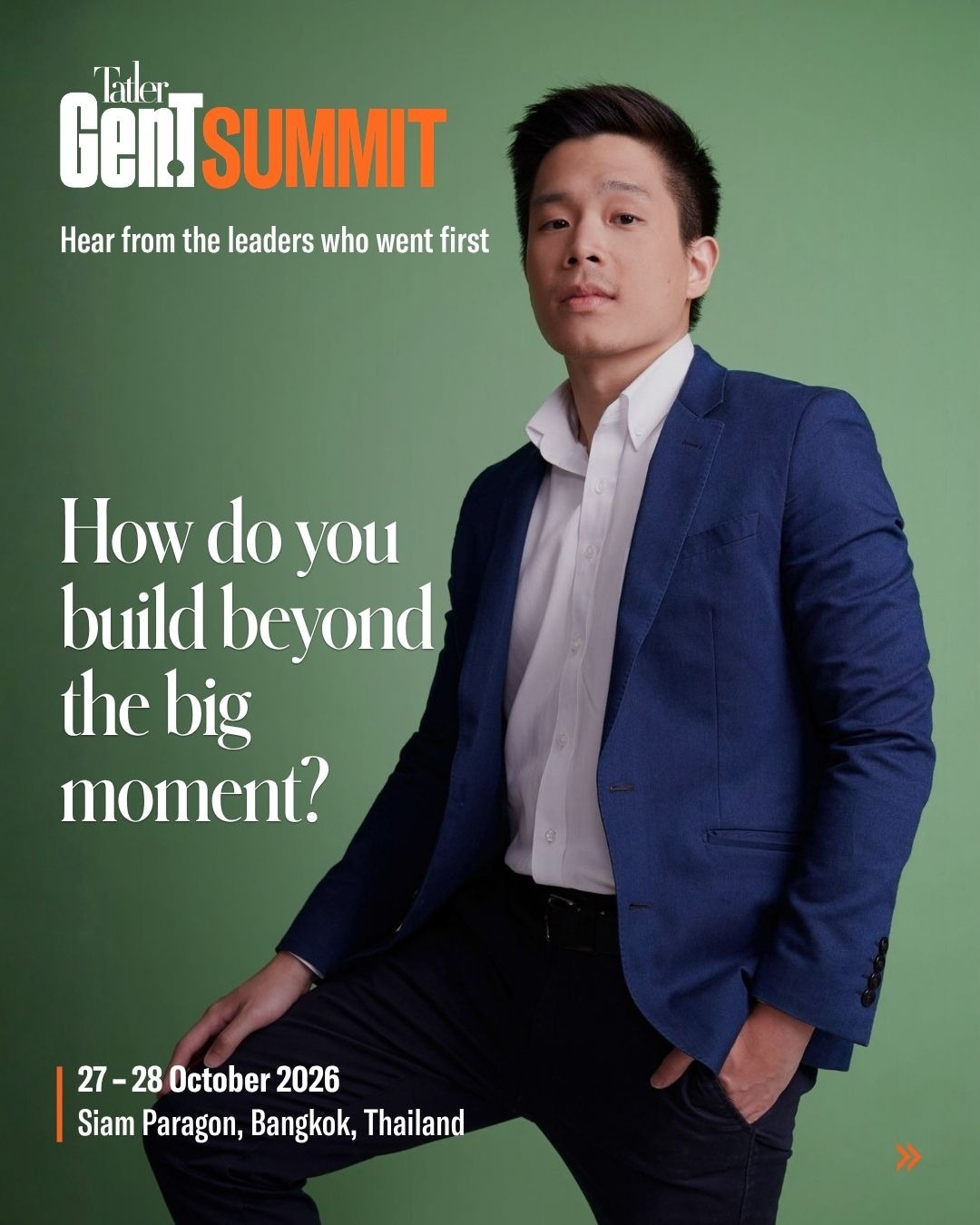
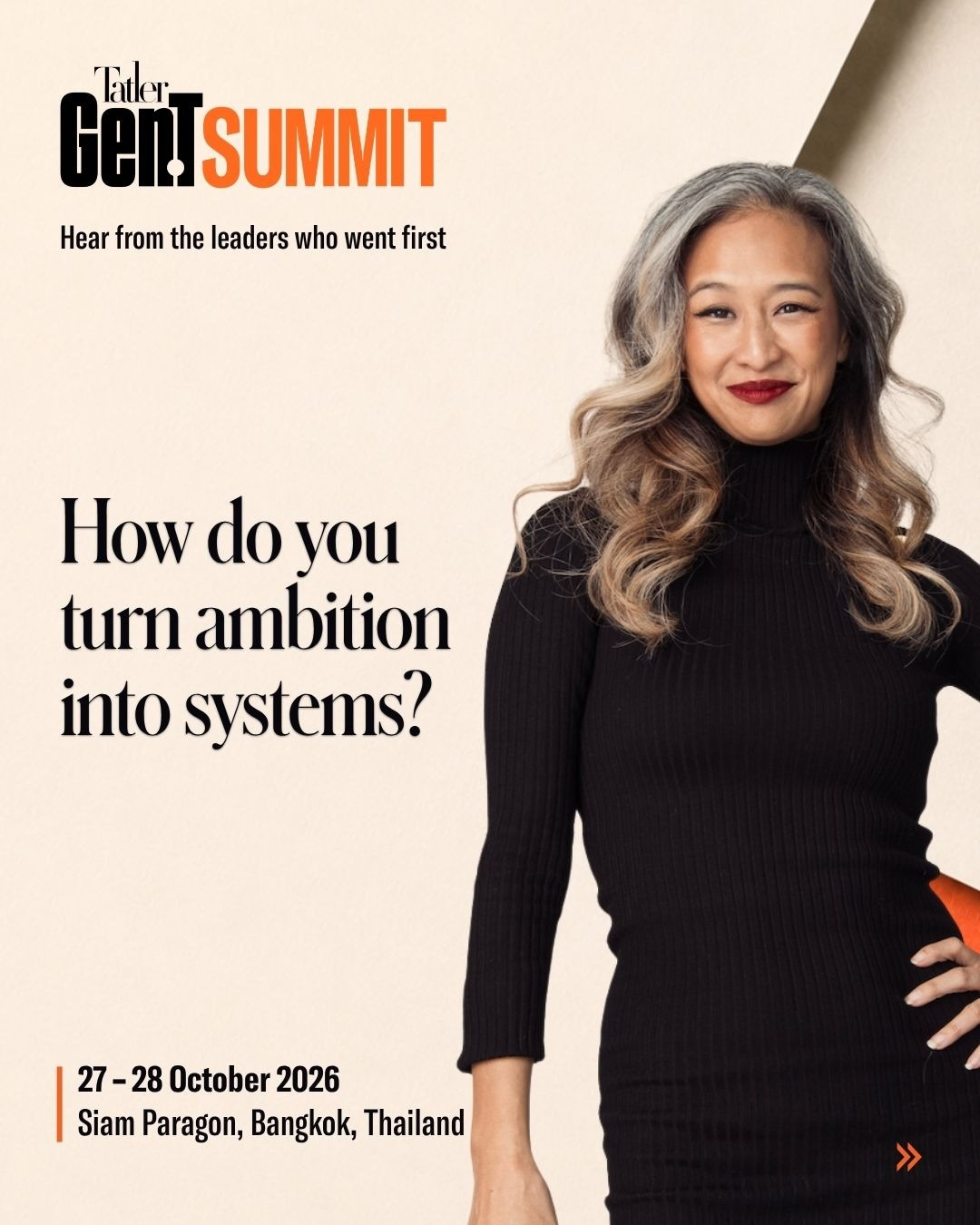
Cover The Tatler Gen.T Leaders of Tomorrow recognises 300 individuals every year for their contributions and positive impact on their industries, communities or society (Collage: Raphael Quaison)
The Tatler Gen.T Leaders of Tomorrow recognises 300 individuals every year for their contributions and positive impact on their industries, communities or society (Collage: Raphael Quaison)
1 / 1
We answer a question we’re frequently asked: What does it take to be a Tatler Gen.T Leader of Tomorrow? Here is the definitive guide
Each year, the Tatler Gen.T team gets asked the same question: how can I or someone I know get on the Tatler Gen.T Leaders of Tomorrow list? If you’re wondering what it takes to be part of this game-changing community of Asian leaders, here’s your inside guide, including the updates with what’s new this year.
Since 2016, Gen.T celebrates the most promising individuals shaping Asia’s future. From entrepreneurs and innovators to artists and athletes, we’ve spotlighted rising talents who are driving innovation, transforming their industries and creating meaningful impact in ways big and small.
In 2026, the Gen.T Leaders of Tomorrow is changing to reflect the times. We’ve refined our selection criteria and doubled down on impact as a significant factor of what makes a notable leader today.
What’s new this year
Success looks differently in every industry—and this year we’ve updated how we measure it. We’ve now widened the spotlight on individuals at varying stages of their impact, recognising not just emerging names, but also those already building momentum.
To reflect this change, we’ve narrowed down the sizes of the list of each market to better identify the leaders shaping Asia’s future.
We’ve also developed an elaborate assessment process to evaluate the level of innovation and direct positive impact of each nominee’s work as well as the scale, depth and sustainability of that impact.
Additionally, the Gen.T community gets bigger this year as we welcome Kazakhstan to our existing markets comprising Hong Kong, Singapore, Malaysia, the Philippines, Taiwan, Thailand, mainland China, Indonesia and Vietnam—bringing our market count up to ten.


Above Juri Imao is an internet personality (Photo: Wesley Villarica)

Above Tan Yin Ling’s startup Cloop is fighting fashion waste on multiple fronts (Photo: Darren Gabriel Leow)
Juri Imao is an internet personality (Photo: Wesley Villarica)
1 / 2
What we look for
Success is a moving target and we’re constantly evolving our definition of it. Today, finding a Gen.T Leader of Tomorrow is more than just winning, scaling or being first.
We ask questions like:
- Have they made the world more innovative, inclusive or sustainable?
- Are they elevating their industry or lifting up others?
- Are they creating solutions and not just headlines?
- Are they inspiring others to take action or adopt new practices?
- Do they have momentum and a vision for what’s next?
If the answer is yes, then they are the kind of people we want on the list.
Who’s eligible
To qualify, a nominee must be:
- A founder or co-founder of their own company.
- A C-suite executive who’s playing a key role in changing their organisation.
- An individual who is their own brand, such as an athlete, actor, musician or artist.
- Based in or is making a significant positive impact in any of our nine markets.
Before anything else, they should have achieved something meaningful in the last 18 months. This can be measured by several metrics, including:
- A breakthrough product launch
- Expansion into new markets
- Major funding raised
- Had a high-profile acquisition
- Received a prestigious industry award
- Involved in an initiative or campaign that has shifted cultural or social needle
The list covers 20 categories of industries, from the arts and entertainment to technology and healthcare. We welcome unconventional paths—our list includes everyone from athletes to scientists to restaurateurs. What they all share is impact, credibility and a future-facing mindset.

Above Belle Sisoski is a Malaysian musician who makes traditional instruments contemporary (Photo: Fady Younis)

Above MedFluid, founded by Bon Lee, is providing microfluidic systems for fast detection, diagnosis (Photo: Renan Chung)
Belle Sisoski is a Malaysian musician who makes traditional instruments contemporary (Photo: Fady Younis)
1 / 2
The selection process
We identify candidates in several ways, such as public nominations and internal curation by our editorial team alongside our regional network of expert advisors, whom we call the Tribe.
We also track media, funding news, awards, innovation rankings and more. That said, there are still various ways to get on our radar:
- Nominate yourself or someone you admire through our public nomination form.
- Reach out to the Tribe if you know someone in the network.
- Reach out to the most heavyweight industry leaders in your address book to back your inclusion.
- Email our team at editor@tatlerasia.com with a brief bio and recent achievements.
- Share your wins. We’re always watching for movement makers in the news.
The Gen.T Leaders of Tomorrow list drops in July. Here’s how the cycle works:
- January to April: Our team and the Tribe review all the nominations.
- March: Public nominations for the year close at the end of this month.
- April: The list of honourees is finalised, informed of their selection and invited to have their portrait taken for their Gen.T profile.
- May to June: The production of the list is in full swing—the writing, editing and readying the list for publication in print and online.
- July: The list goes live on TatlerAsia.com and is published in the Tatler July issue. Throughout the month, the new honourees are celebrated at events in each of our markets.
Missed the deadline? Don’t worry, you can still nominate yourself or someone else year-round for future consideration.
How we vet candidates
First, we assemble the Tribe—they are industry titans across a breadth of fields and featuring new faces each year. Members of the Tribe submit nominations, offer insight during vetting and help ensure that our list reflects a broad range of industries, regions, and definitions of success.
They are our eyes and ears on the ground, providing invaluable insight and expertise. They do not, however, decide who makes the final list—that responsibility lies with the Gen.T editorial team.
January to April is when most of the work takes place to whittle down our longlist of more than 1,000 candidates each year. During this period, the Gen.T editorial team curates a longlist of nominees. As well as internal nominations, names for the longlist come from Tribe members, past years’ Gen.T honourees and members of the public
Over four months, we rigorously work to assess and vet this list, spending at least 250 hours researching, fact-checking and vetting with the local teams in our offices across Asia. The final selection is made by the Gen.T editorial team using a proprietary scoring system that ensures consistency across markets and categories.
There are 20 categories in the Gen.T Leaders of Tomorrow list. Some are industry-based (e.g. Media & Marketing, Retail & E-commerce, Technology), while others reflect values or themes (e.g. Sustainability, Public Service & Law). Honourees are only included in one category. When candidates fit multiple categories, we pick the one that reflects their strongest or most recent contribution.
Once the list is finalised, we reach out to our newest honourees to arrange photo shoots and filming of content.
In July 2026, we reveal the Gen.T Leaders of Tomorrow online here as well as at official celebratory events across Asia.
What happens if I make the list?
If you’re selected, you’ll be officially recognised as a Gen.T honouree and join a growing community of young leaders across Asia.
Here’s what that includes:
- A dedicated profile published across Tatler print and digital platforms
- Access to exclusive events and networking opportunities
- Media coverage across Tatler Asia’s channels
- Access to Gen.T and Tatler communities across Asia
- Most importantly, you become part of a collective that believes in purpose, progress and pushing boundaries.
FAQs
Can I be included more than once?
Yes—if you’ve made significant strides since your last inclusion. Past honourees may be selected again for up to two consecutive years.
We’re always on the lookout for ongoing impact and momentum.
Can co-founders be included?
Yes—as long as each one has played a clearly defined role in their company’s success. We assess every individual based on their own merits and impact.
What markets does Gen.T cover?
We recognise Leaders of Tomorrow from Hong Kong, Singapore, mainland China, Malaysia, the Philippines, Indonesia, Taiwan, Thailand, Vietnam and Kazakhstan.
Curated for you
The stories, profiles, and cultural moments featured on our Instagram feed