When everything is wellness, what’s actually useful?
By Tatler Limitless
Jul 20, 2026
This week’s question: When everything is wellness, what’s actually useful?
The short answer: start with what you are trying to understand. Then ask whether the solution is credible, relevant to you, interpreted by the right person and likely to change what you do next.
That is the idea behind the Tatler Limitless Briefing: a filter for the people, places, treatments, ideas and questions shaping wellness in Asia and beyond.
Not one perfect routine. Not a promise that you can add ten years to your life before breakfast.
A clearer way to think about what is worth your time, your money and your attention.
In this issue
The Brief: When did wellness get so complicated?
The Asia Lens: Why the region offers a broader way to understand health
The Decision Map: Five questions to ask before you book, buy or try
The Access List: Where to go deeper on Tatler Limitless
The Brief
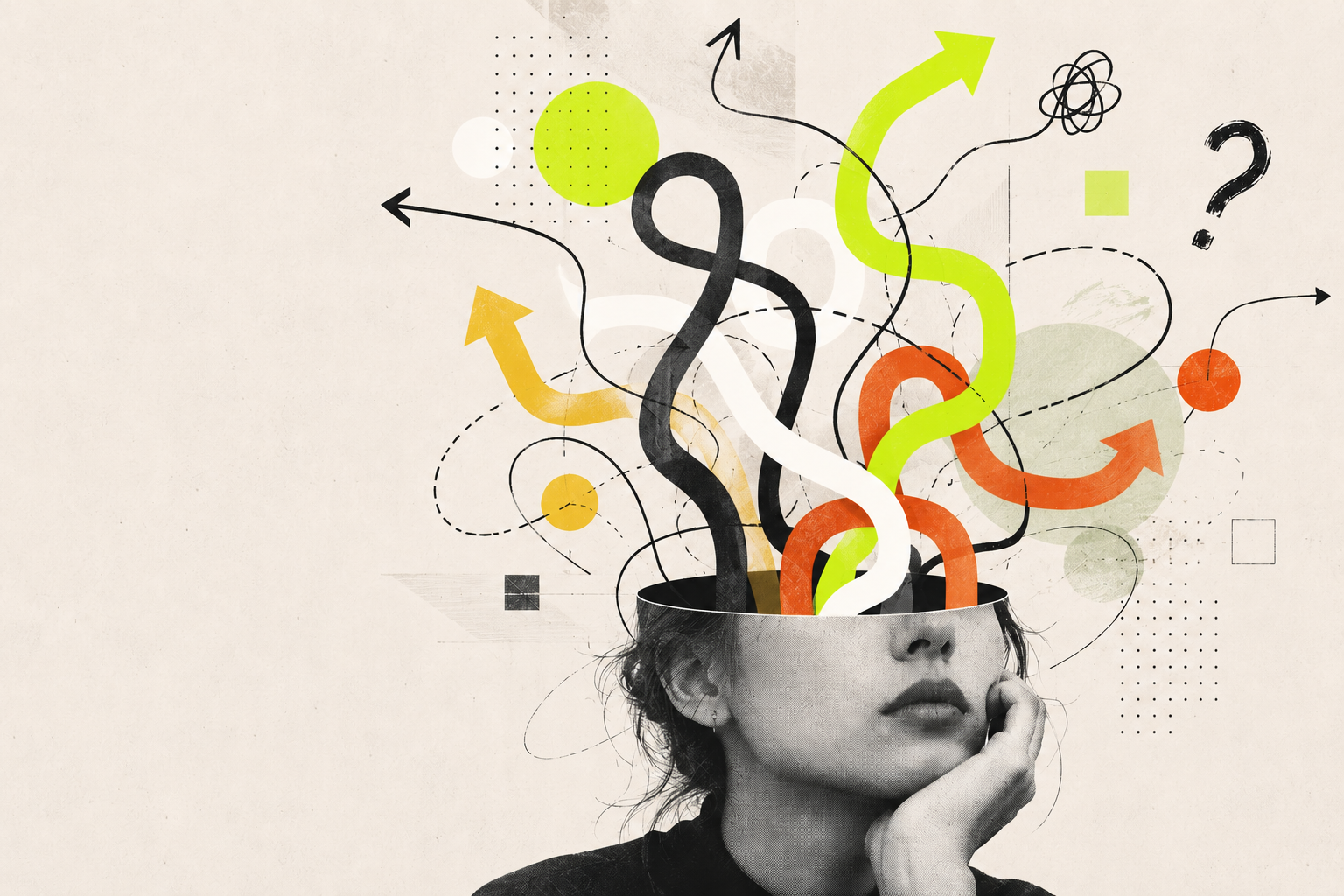
When did wellness get so complicated?
Wellness used to be easier to place: a spa, a yoga class, a green juice, a reset after life had already become too much.
Now it is everywhere. Hotels are wellness hotels. Drinks are functional. Beauty is regenerative. Clinics are longevity clinics. Gyms are recovery spaces. Supplements are protocols. Even doing nothing now has a programme, a practitioner and a booking link.
According to the Global Wellness Institute, the global wellness economy reached US$6.8 trillion in 2024. It now accounts for just over 6 per cent of global GDP and is larger than sports, tourism, IT and the green economy.
In other words: wellness is not having a moment. It is the moment.
The reasons aren’t hard to understand. We are living longer, but not always better. Chronic disease is rising. Ageing populations are shifting attention toward prevention. The pandemic turned health from a background concern into a front-of-mind priority. Younger generations have folded wellness into daily life: run clubs, sleep scores, protein goals, recovery days, alcohol-free menus and a thousand ways to optimise a Tuesday.
The irony of modern wellness is that there has never been more information, and yet clarity still feels hard to find.
The Asia Lens
Asia is one of the most interesting places to ask what wellness and longevity can become next. The region pairs cutting-edge medical infrastructure with deep cultural roots—food, family and philosophy—that have long treated the body as an interconnected system.
Hong Kong and Singapore are becoming hubs for preventive medicine, diagnostics and private health. Thailand and Indonesia have helped define wellness travel and recovery culture. Japan, Korea, Taiwan, India and China each bring their own influence across beauty, nutrition, traditional practices, fitness, medicine and ageing.
The result is a regional consumer who moves fluidly between systems. An executive health check in Singapore, a recovery retreat in Thailand, a dermatologist in Seoul, a TCM consultation in Hong Kong, a strength coach followed online—and, when something feels off, a return to family food traditions.
That fluency is the story; Eastern and Western approaches, used side by side.
It is also why Tatler Limitless exists. Not to prescribe one perfect routine or promise a longer life in a few easy steps. Instead, we help make sense of the space through explainers, how-to and life-stage guides, expert interviews, curated lists, and a unique Asian lens.
That’s the art and science of living better and longer. Evidence matters and so does context—your body, your culture, your life stage, your values and the life you are actually trying to build.
The question isn’t simply “What’s new?” It’s “What’s useful, credible and relevant to the life you actually live?”
The Access List

- The sleep expert: Matthew Walker on how to get a better night’s sleep
The global sleep expert shares what actually matters for rest, recovery and better sleep habits. - The reset: Digital detox destinations to know
Where to go when the point of travel is not doing more, but switching off properly. - The glossary: Regenerative beauty terms, decoded
A clear guide to the language behind one of beauty’s fastest-growing categories. - The movement: Asia’s run clubs
How running has become one of the region’s most social forms of wellness. - The clinics: Integrative clinics in Hong Kong
A first filter for where to go, what they offer and what to ask before booking.
The Decision Map
Use this before booking a treatment, buying a test or starting a new protocol.
What is this meant to improve?
Energy, sleep, recovery, hormones, inflammation, cognition, appearance, or something else?
Is there credible evidence for someone like me?
Look for relevance: age, sex, health status, lifestyle and risk profile all matter.
Who is interpreting the results?
A doctor, a specialist, a health coach, a salesperson or an algorithm?
What are the risks, limits and costs?
Include financial cost, time, side effects, false reassurance and unnecessary anxiety.
What would I actually do differently?
If the result will not change your behaviour, treatment plan or understanding of your health, it may not be worth doing.
Worth Your Time
Read: Five eating patterns, one useful takeaway
The longevity lesson may be less about following one perfect diet and more about what healthy eating patterns tend to have in common.
Watch: CNA’s Changing Ageing In Asia
A timely look at how the region is rethinking care, connection and what it means to live well later in life.
Save: Bryan Johnson’s 41-point checklist for healthy ageing
The longevity influencer, recently diagnosed with autoimmune gastritis, has spent millions optimising his biology. His habits are still worth a look, and many are surprisingly affordable or free.
Next on Limitless

Coming next: Why women need a different wellness playbook
For too long, women’s health has been treated as a separate chapter: periods, fertility, pregnancy, menopause.
But hormones, strength, sleep, bone density, brain health, metabolic health, recovery and mental load are not side notes. They shape how women feel, age and perform every day.
In the next edition, we look at why women’s longevity cannot be built on male-default advice, and what to ask when fatigue, poor sleep, brain fog or midlife changes are being dismissed as “just stress”.





