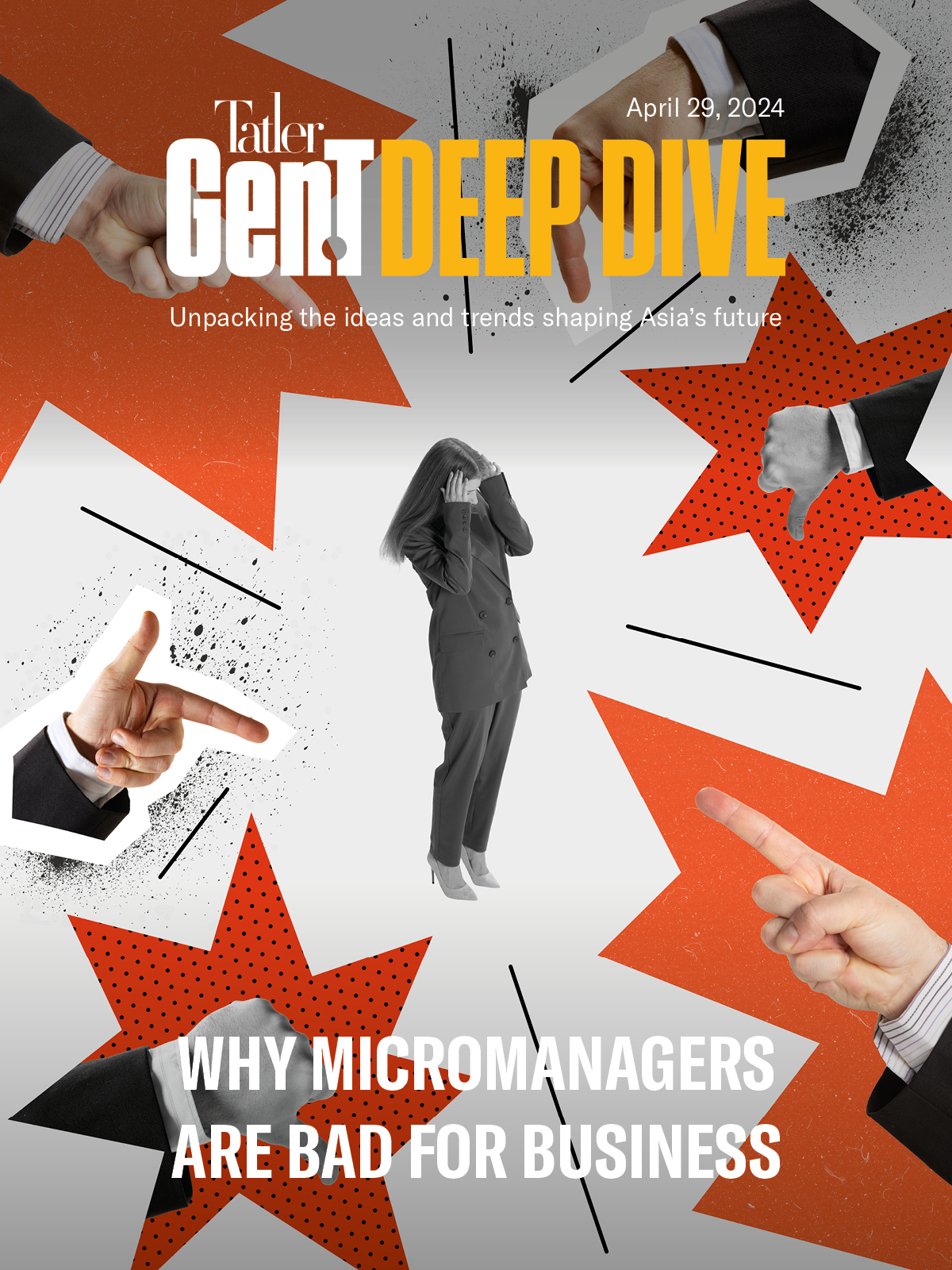
How empowering employees leads to better business outcomes
From nascent startups to major corporations, micromanagers can plague businesses of all sizes. Is there a way to foster autonomy without losing control? Let’s dive in.
🔎 Compared to effective leadership, micromanagement usually focuses on minute details and immediate tasks while neglecting bigger-picture strategies.
😭 Micromanagers often exert excessive control over employees, with similar effects to bullying.
☠️ Working under a micromanager can crush employee morale, leading to heightened stress and stifling creativity.
📉 The stress of long-term micromanagement is also damaging to the micromanager and can result in burnout.
QUOTABLE
“Micromanagement is the destroyer of momentum.”
— Miles Anthony Smith, entrepreneur and author of Why Leadership Sucks

BY THE NUMBERS

28% Employees who feel micromanaged have been found to be 28 percent more likely to look for other work opportunities.
30% It has been found that 30 percent of workers follow through and quit because of micromanagement.
41% An online test showed that 41 percent of leaders who have a strong desire for power micromanage as they want to be seen as experts and authority figures.
48% At the start of the pandemic in 2020, an average of 48 percent of workers worldwide felt micromanaged while working remotely.
$600,000 Harvard Business Review found that the correlation between absenteeism and micromanagement can cost a company $600,000 a year in salary.
QUIZ
Overbearing, demanding and controlling are traits often associated with micromanagement. Yet, there are some benefits to it. Which one of the following is a strength of micromanagement?
A. Measuring every single minute detail
B. Not delegating work
C. Foreseeing and preventing problems
Scroll to the bottom for the answer.
DID YOU KNOW?

Being billionaires isn’t the only thing Elon Musk and Bill Gates have in common. Both tech moguls are notoriously known as micromanagers. While Musk insists that it isn’t micromanagement but ‘attention to detail’, Gates used to memorise the licence plates of his employees to keep track of their whereabouts.
THE EDIT
⛓️ The invisible chain. Feeling depreciated, micromanaged employees become hesitant to take the initiative and eventually rarely do so.
😨 Fear reaction. As managers climb the ladder and become increasingly disconnected, their fear of losing control can manifest as an obsession with the little details.
💼 On the other hand. Quiet leadership is a leadership strategy that provides support and autonomy to steer employees away from quiet quitting.
🙅🏽♂️ The big picture. On a deeper level, micromanagement is a form of mismanagement. It risks killing creativity and innovation.
👀 Spot the signs. Most micromanagers don’t know they are micromanaging. Here are some ways to identify the harmful behaviour.
WATCH

President of the World Economic Forum’s Global Collaboration Village, Chieh Huang, shares insights on how to stop micromanagement and unlock a path to workplace innovation and joy.
THE FULL PICTURE
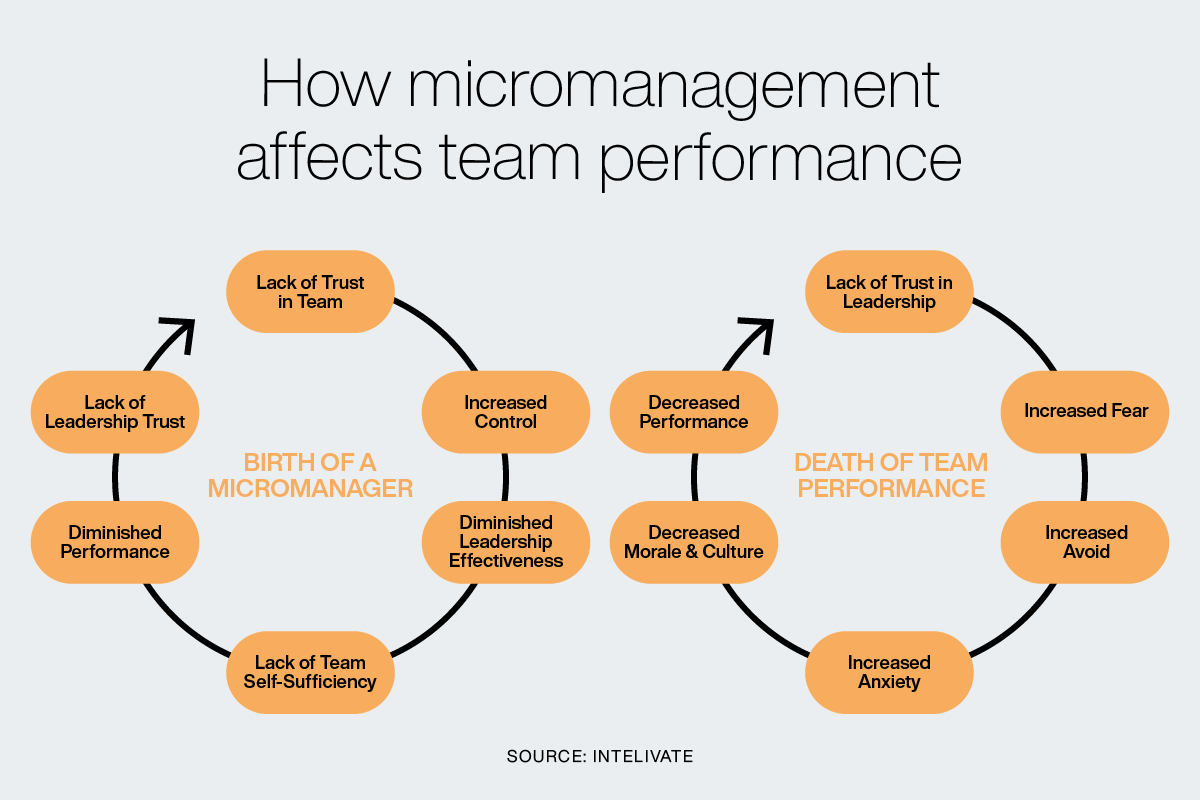
This infographic, created by workforce solutions provider Intelivate, shows how micromanaging hurts team performance by creating a vicious cycle.
KEY PLAYER
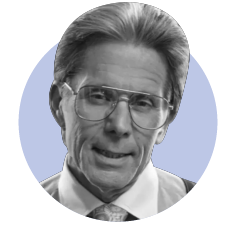
Bill Lumbergh
In the 1999 movie, Office Space, fictional character micromanager Bill Lumbergh is an example of what managers should not do. Focused on busy work and the infamous TPS reports in the show, his unbearable passive-aggressive attitude makes him extremely unpopular with his colleagues and subordinates.
ONE FINAL THING
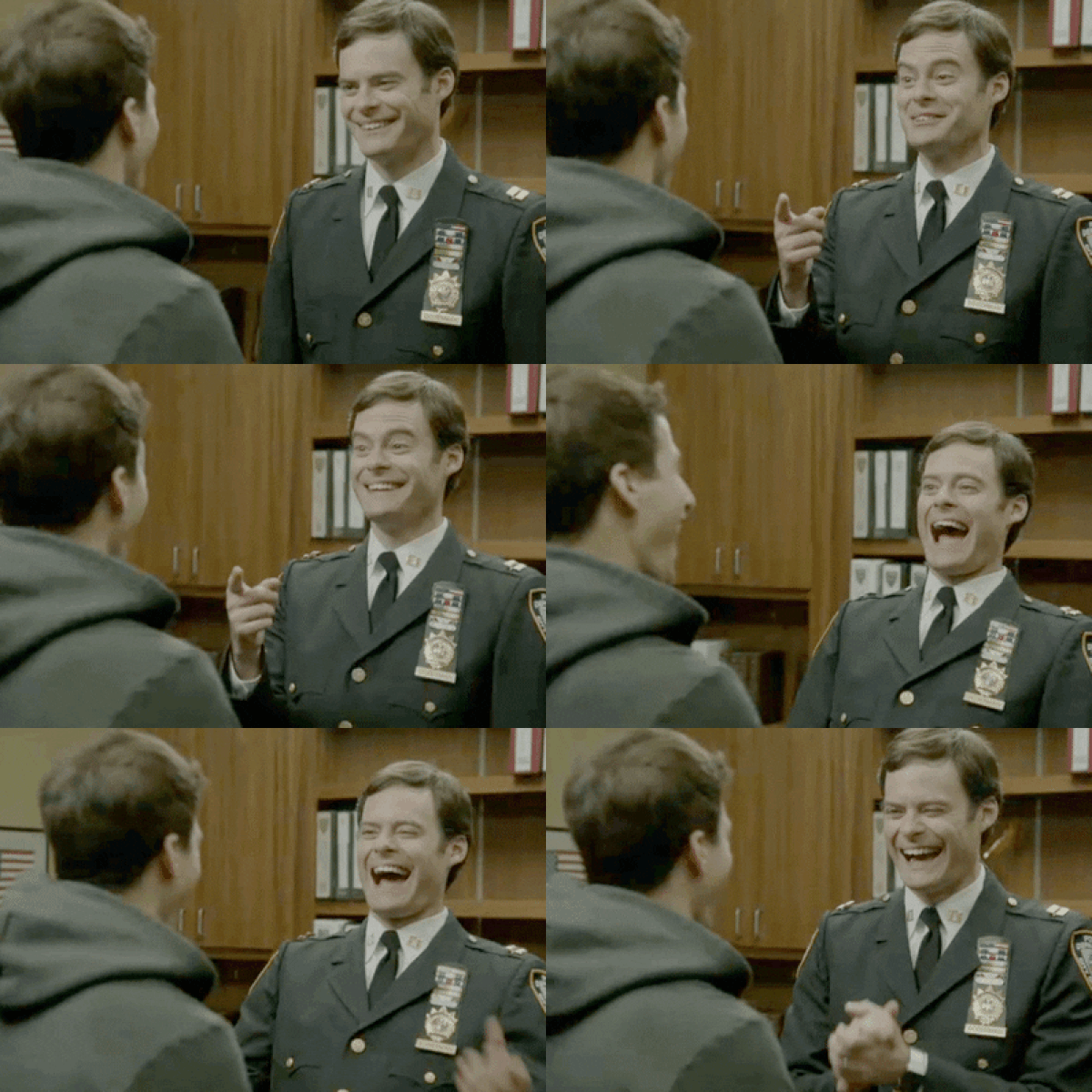
Obsessed with efficiency, the fictional police captain Seth Dozerman in NBC’s Brooklyn Nine-Nine is the epitome of a micromanager. He gives a tablet to each employee which measures every minute of their productivity. But when things don’t go his way, he gets a heart attack and dies.