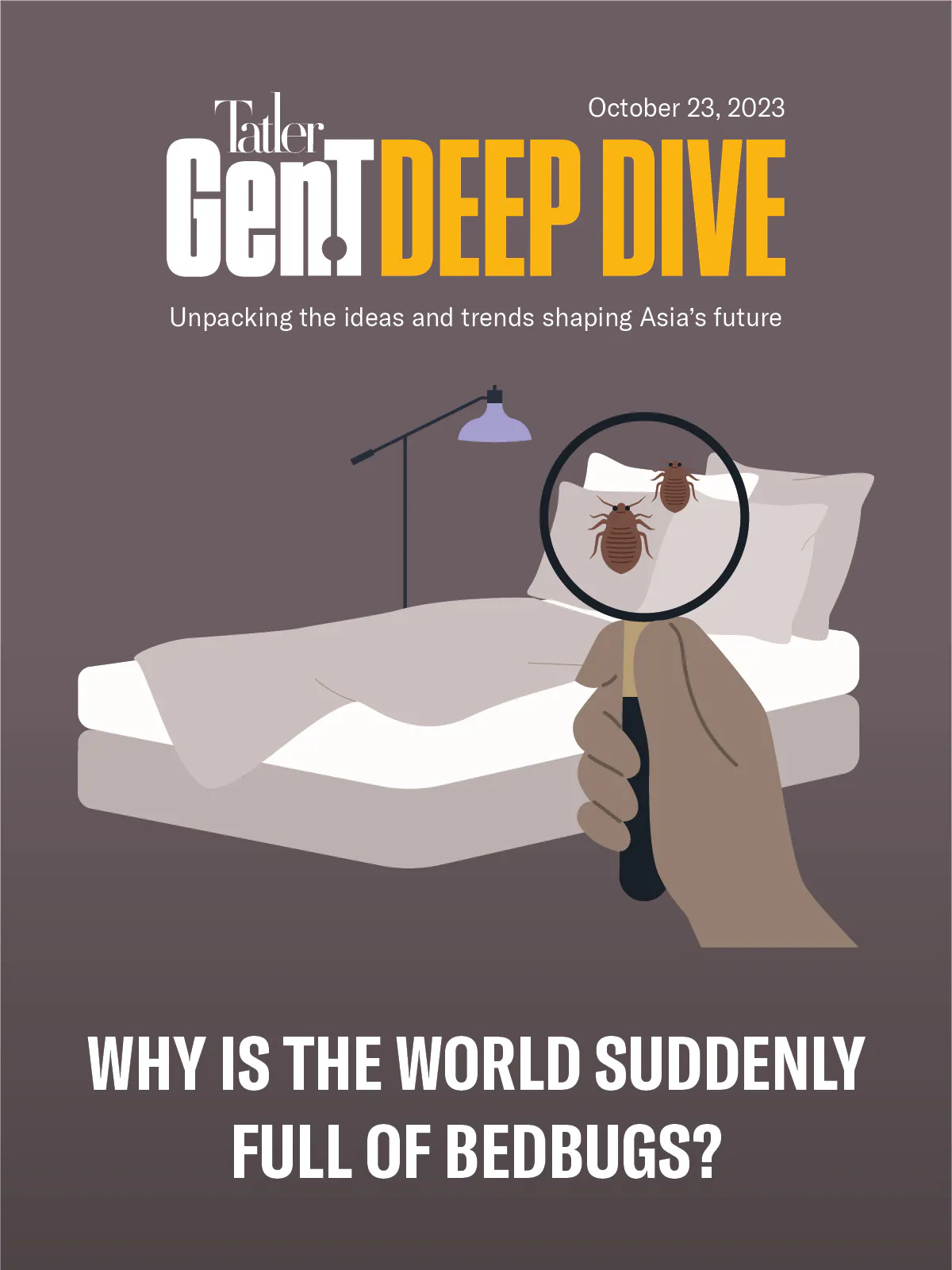
Not guests you want to sleep with
You’ll have heard the alarming news coming out of Paris. Will we all soon be sleeping with the enemy? Let’s take a Deep Dive.
🐛 Bedbugs—Cimex lectularius or Cimex hemipterus—are tiny insects that feed on human blood, typically at night and live in soft furnishings. Their bites cause lesions, itching and potentially fever and allergic reactions. Fortunately, they don’t spread diseases.
🗼Bedbugs live pretty much everywhere humans do. But recently, ground zero has been located in Paris, with fears that their numbers are growing and spreading.
👀 While there might indeed be a growth in their number, part of it is probably just people noticing them more. In reality, their numbers have been growing for many decades, since long-haul international travel became cheap and ubiquitous.
📉 The current increase is probably more of a return to normal after the pandemic era, which was a particularly bad time to be a bedbug.
QUOTABLE
“There is no bedbug resurgence, we must not fall into madness.”
― Clément Beaune, French minister of transport

BY THE NUMBERS

400 Bedbugs are hard to get rid of because they can live so long without feeding. Exactly how long varies according to temperature and humidity, but it can be as many as 400 days.
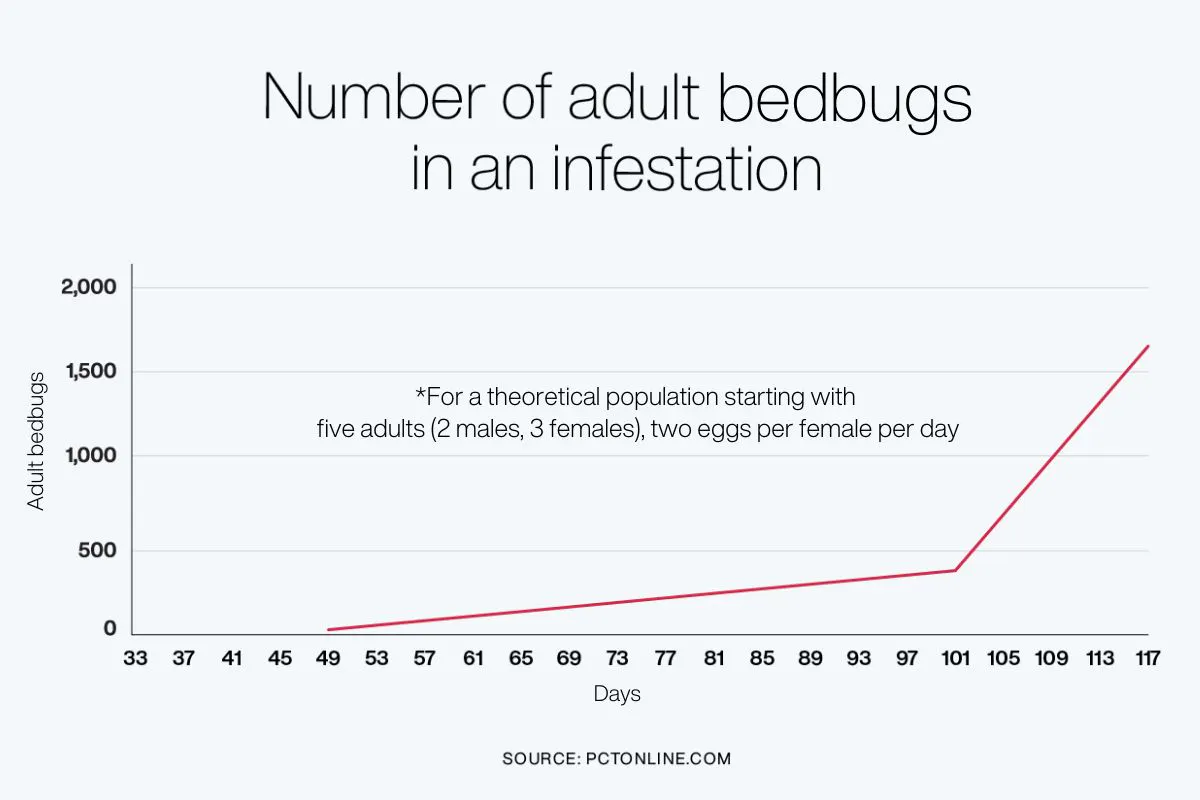
7 Female bed bugs typically produce about 1 to 7 eggs per day—about 500 during their lifetime.
30% Estimates of the percentage of people who don’t experience any reaction to bedbug bites typically run from about 20 to 30 percent.
QUIZ
What percentage of pest controllers in the US have responded to a bedbug emergency in the past year?
A. 57%
B. 77%
C. 97%
Scroll to the bottom for the answer.
DID YOU KNOW?

There are accounts of bedbugs dating back as far as about 400 BC. In ancient Rome, Pliny claimed in his Natural History (c 77 AD) that bedbugs could be used to treat ear infections and snakebites.
THE EDIT
🏛️ Bugging out. Despite M Beaune’s words above, plenty of politicians in France are taking the current outbreak pretty seriously.
👗 Bitten by the fashion bug. When it comes to the recent spread of bugs, Paris Fashion Week in late September and early October looks like it was one of the main vectors.
🛋️ Sofa so bad. Another common way for bedbugs to spread is via second-hand furniture and clothes.
✈️ Come fly with me. Bedbugs are also a problem on planes. It’s at its worst in business class.
🛑 Bedbug barbecue. The critters are resistant to most insecticides. Heat treatment tends to be a more effective way to get rid of them.
WATCH
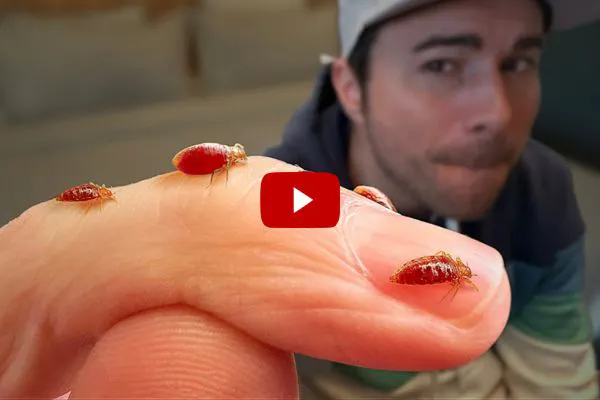
In the interest of science—and of explaining the best way to get rid of them—YouTuber and former Nasa engineer Mark Rober decided to let himself get bitten.
KEY PLAYER
Brooke Borel
Science journalist Brooke Borel wrote the best-known account of how bedbugs have proliferated in recent years, Infested: How the Bed Bug Infiltrated Our Bedrooms and Took Over the World (2015), focusing on how humans have impacted their spread.

HONOUREE TO KNOW
Daniel Thong
Daniel Thong set out to fix Singapore’s broken home services market, in which cut-throat competition has forced wages down to starvation levels. His company Nimbus provides a subscription-based office cleaning and housekeeping service. It ensures its workers are well-trained and aware of their rights and also gives them generous pay, benefits and even shares in the company.

ONE FINAL THING

With most creatures, introducing a natural predator is a good way of controlling a population. Unfortunately, with the bedbug, the number one predator is... er... the cockroach.





