
Gen Z’s balancing act between ambition and well-being
Starting a business, taking on side gigs, launching a podcast, growing your online following, hustle culture has become mainstream—until Gen Z came along and started redefining it. This week’s Deep Dive explores this shift.
🤑 Hustle culture promises rewards for relentless effort, but younger generations, particularly Gen Z, are more concerned about its effects on their physical and mental health.
🔄 One side of the fence believes it is empowering and motivating while the other sees it as exhausting and exploitative.
🔒 While most of Gen Z speak out against hustle culture, they remain committed to the grind.
🙄 Zoomers are increasingly uninterested in being underpaid, underappreciated and overworked—and are not afraid to quit.
QUOTABLE
“You need to have days that other people consider wasteful, to be able to focus more on useful things later.”
— Jin, singer and songwriter, BTS
BY THE NUMBERS

48% Forty-eight percent of Gen Z small business owners have reported juggling multiple side gigs.
46% A survey by Deloitte found that 46 percent of Gen Z and millennial workers felt burnt out due to the pressure and workload of the work environments.
69% In another Deloitte study, 69 percent of Zoomers said they would consider seeking a new job if mandated to a full-time return to the office.
$15.7 billion In 2023, a study by Singapore’s Duke-NUS Medical School and the Institute of Mental Health projected that mental health suffering costs the Singapore economy S$15.7 billion, or 2.9 percent of its gross domestic product, yearly.
QUIZ
What percentage of Zoomers feel comfortable taking time off during business hours as long as they still get the work done?
A. 33%
B. 75%
C. 87%
Scroll to the bottom for the answer.
GEN.T LEADERS OF TOMORROW

The Gen.T Leaders of Tomorrow 2024 has been unveiled. See the full list here.
DID YOU KNOW?
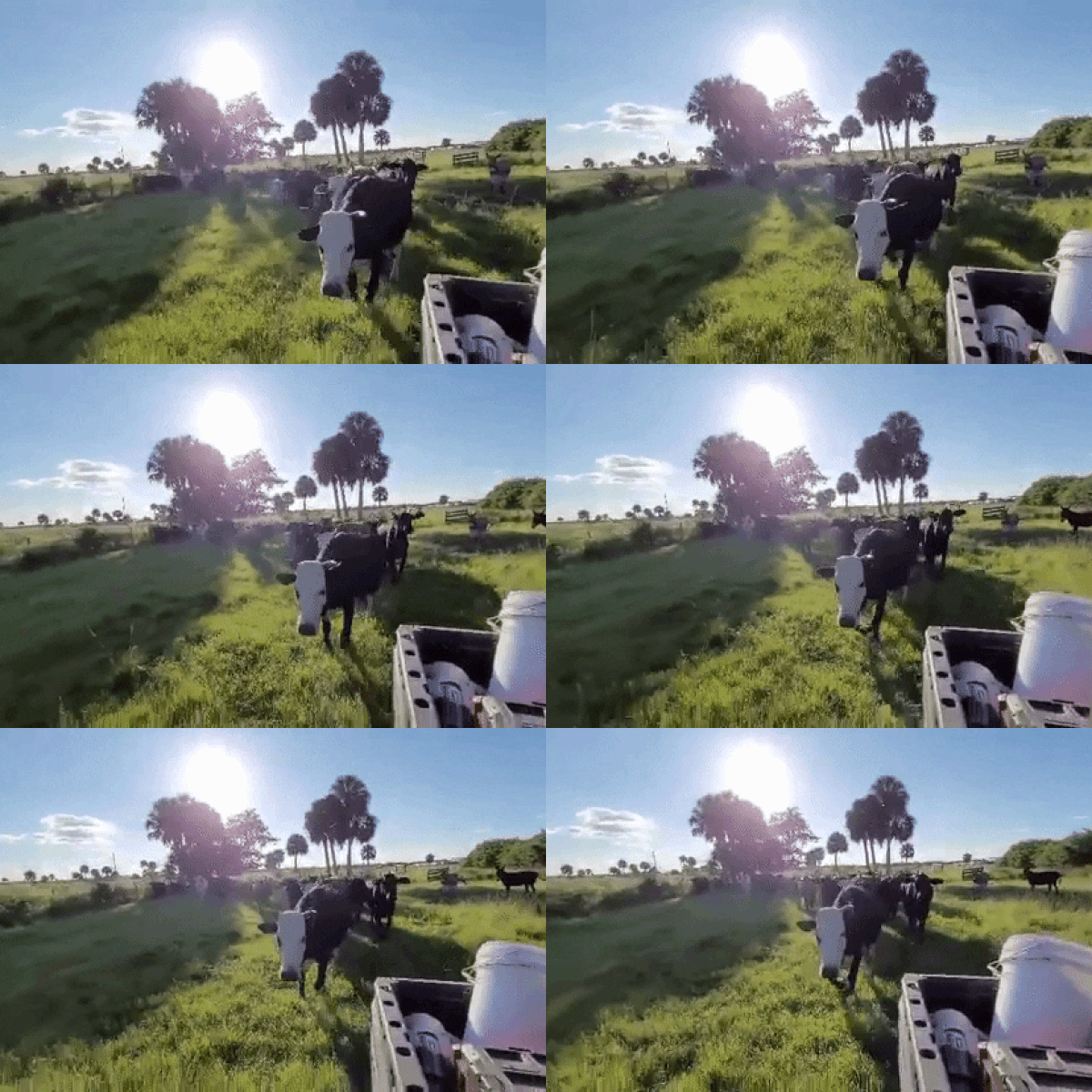
Gen Z TikTok-ers are responding to hustle culture with the “Miley Stewart summer” trend. Inspired by the 2009 Hannah Montana movie where Miley Cyrus’ character reconnects with her small-town roots through activities like horseback riding. The trend celebrates the generation’s desire to prioritise self-care over the rise and grind.
THE EDIT
🏝️ Outside is the new office. Wanderlust fuels Gen Z’s preference for remote work.
🧘 Healthy grind, healthy mind. The generation is also leading the charge in prioritising mental health and setting boundaries in the workplace.
🛠️ Rest, restore, reset. Hustle culture is no longer the focus. Break culture and productive rest are advocated more in the workplace.
🎯 Hustling for the dream. Side gigs and hustles can help pay the bills but are also an outlet for Zoomers to pursue their dreams and passions that align with their values.
WATCH
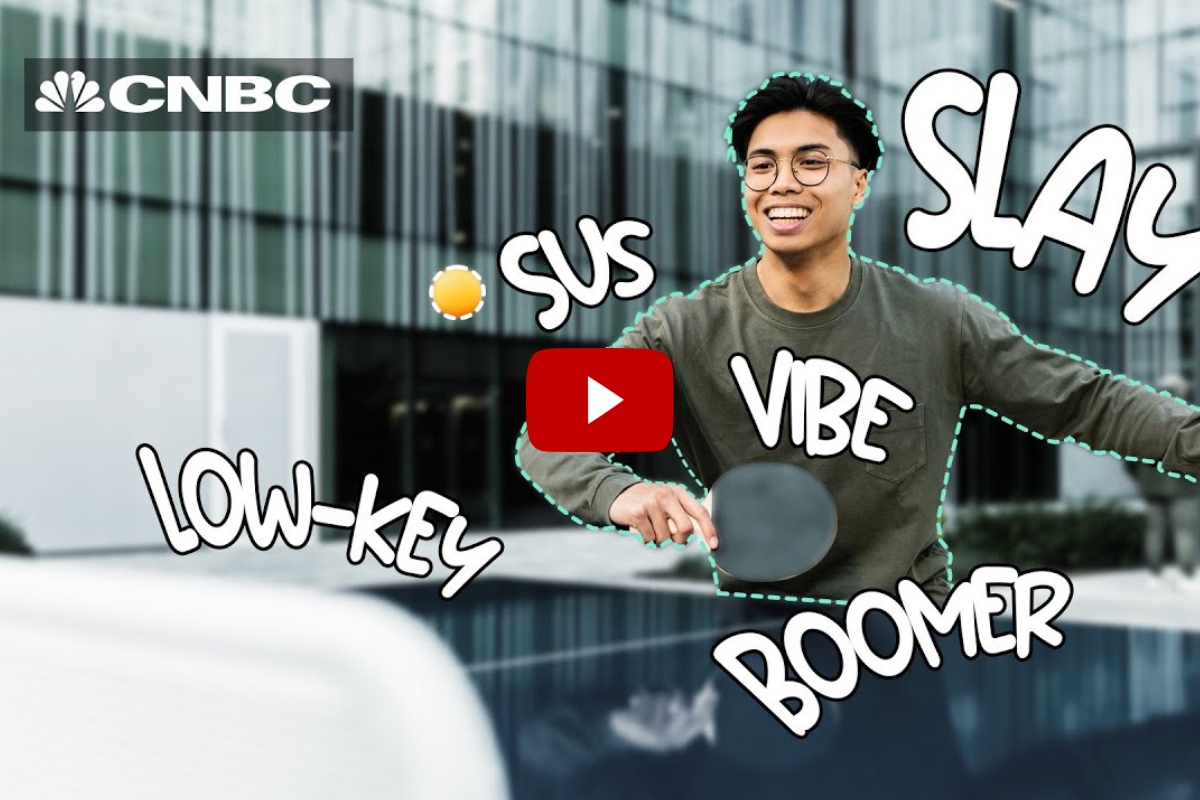
Gen Z employees and managers share their perspectives on the work ethic of the new generation and if Zoomers are indeed the most challenging to work with.
THE FULL PICTURE
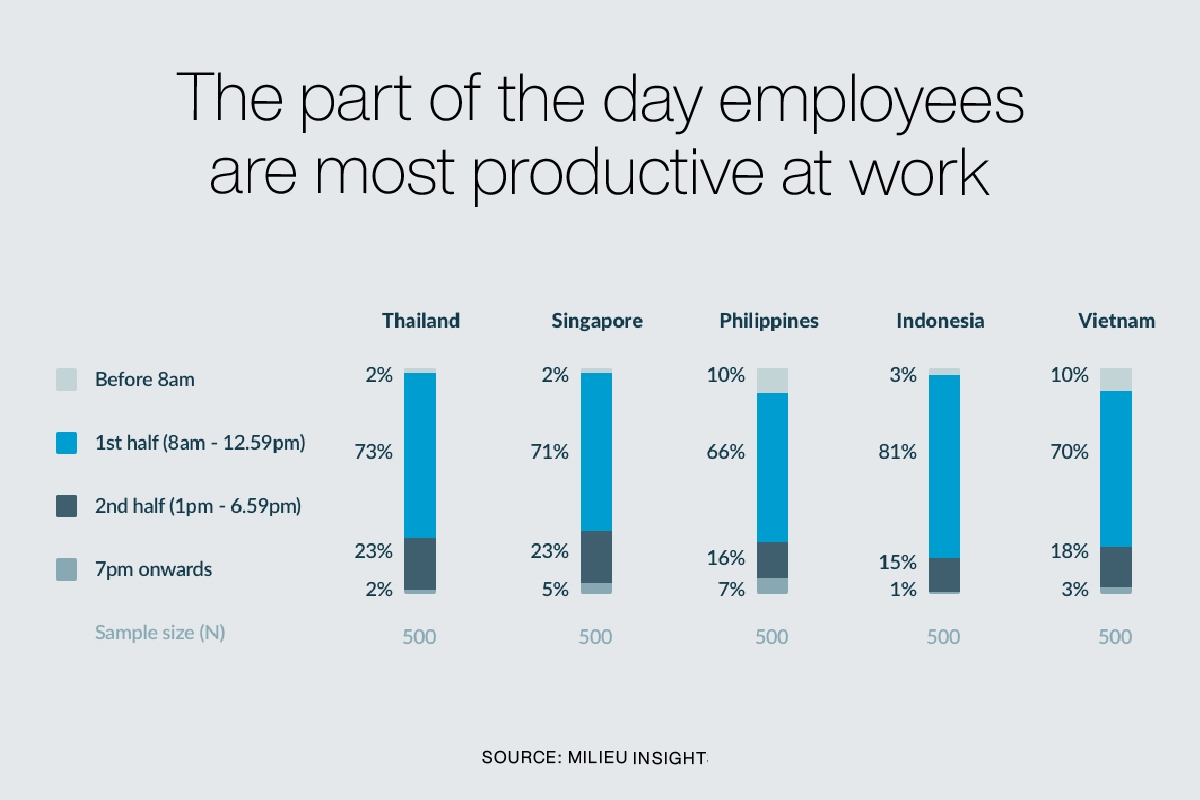
A 2022 survey by data analytics company Milieu Insight showed that most employees across Southeast Asia are only hustling during the first half of the day, up till lunchtime.
KEY PLAYER
Yoshihisa Aono
Yoshihisa Aono, co-founder, president and CEO of Japanese software company Cybozu, is using his position to speak out against the downsides of hustle culture and its negative toll on employee well-being. He is championing a more comprehensive approach to productivity that recognises the importance of rest and recovery.

HONOUREE TO KNOW
Joelle Pang
FastGig, where Joelle Pang helms as general manager, provides better opportunities for Malaysian and Singapore gig workers. The company aims to revolutionise the traditional employment model for freelancers and part-time workers. It allows people to work flexibly, with no commitment, while also helping to fulfil the operational needs of businesses facing a hiring crunch.

ONE FINAL THING

Relaxation training, which is when you focus on becoming aware of tension within the mind and body, can have the opposite effect on some people. It may increase their stress levels, causing the paradoxical phenomenon called relaxation-induced anxiety.
YOUR OPINION MATTERS
Got a minute? Share with us your feedback.
Take our quick 2-minute survey and let us know what you think about our newsletter. Your feedback will help us craft your personalised Tatler experience.





