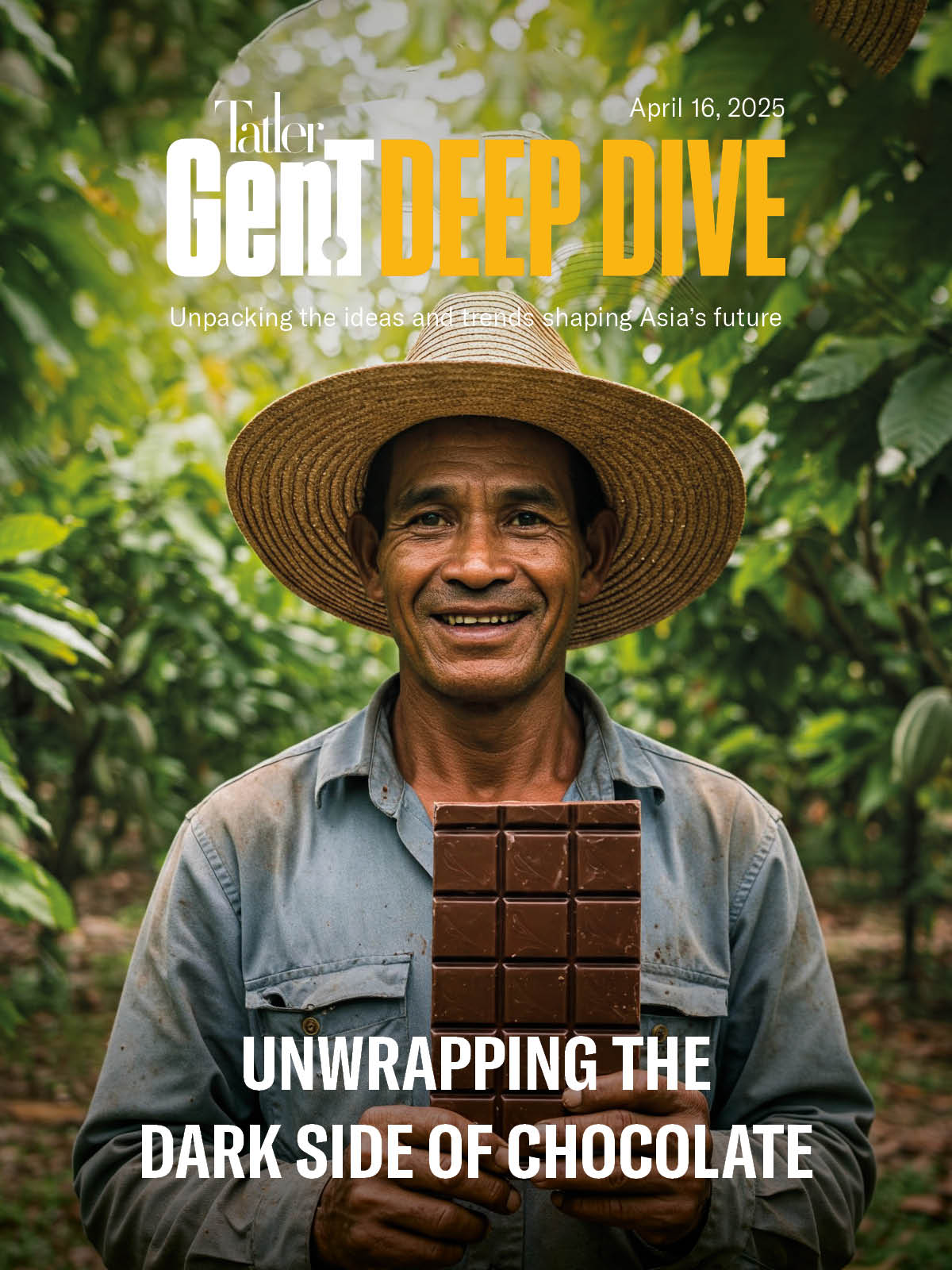
Sweet sins
While chocolate brings joy to billions around the globe, its production has long been marred by exploitation and unethical practices. What is the hidden price we pay for our pleasures? Let’s take a Deep Dive.
🍫 West Africa, particularly Ghana and Ivory Coast, produces most of the world’s cacao bean supply, supporting a chocolate industry valued at US$130 billion annually.
😮💨 However, farmers in this region are often underpaid and endure unhealthy and unsafe working conditions.
🧒 Children bear the brunt of this exploitation. Minors work on cacao farms, where they wield machetes, carry heavy loads and handle chemicals, instead of attending school.
🌍 Due to the high demand for cacao production, forests are cleared to make room for the plantations, accelerating biodiversity loss and environmental degradation.
QUOTABLE
“I quickly learned that this industry is full of illegal child slavery, child trafficking and violation of international laws. I also learned that nobody within the industry cared, that they were turning a blind eye to what was going on.”
— Miki Mistrati, director of the documentary The Dark Side of Chocolate (2010)

BY THE NUMBERS

1980 Asia’s role in cacao production only started to gain prominence in the 1980s.
US$1 The average daily wage for farmers often hovers at or below US$1 in major cacao-producing regions in West Africa.
43% Forty-three per cent of children aged between five and 17 in the largest cacao-growing regions are engaged in hazardous work.
667,000 In 2022, Indonesia was the top producer of cacao beans in Asia-Pacific, yielding over 667,000 metric tonnes.
QUIZ
Which of the following is the scientific name for the cacao tree?
A. Coffea cacao
B. Theobroma cacao
C. Vanilla cacao
D. Cacao guineensis
Scroll to the bottom for the answer.
DID YOU KNOW?
Major chocolate companies like Mars, Nestlé and Hershey pledged over twenty years ago to end child labour in their supply chains, but the issue remains.
THE EDIT
💰 Not me. Chocolate companies are shifting the responsibility for fair prices from farmers to suppliers, who operate on tight margins.
👩🏻 Unequal struggle. Women in the cacao industry are often earning lower wages and being given fewer leadership opportunities than men.
🧑🏻🌾 Bean-to-bar. Chocolate makers who embrace the bean-to-bar movement oversee almost all production stages, prioritising transparency and fair trade.
🍪 A sweet revolution. Researchers in Switzerland have created a method to produce chocolate using the whole cacao fruit instead of just the beans.
WATCH
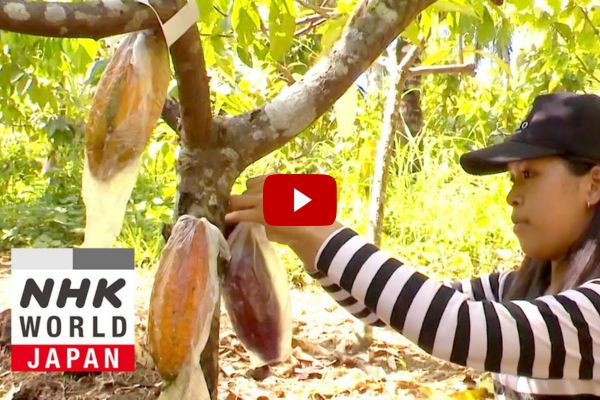
This video shows how cacao farming in the Philippines can empower and bring economic benefits to farmers.
THE FULL PICTURE
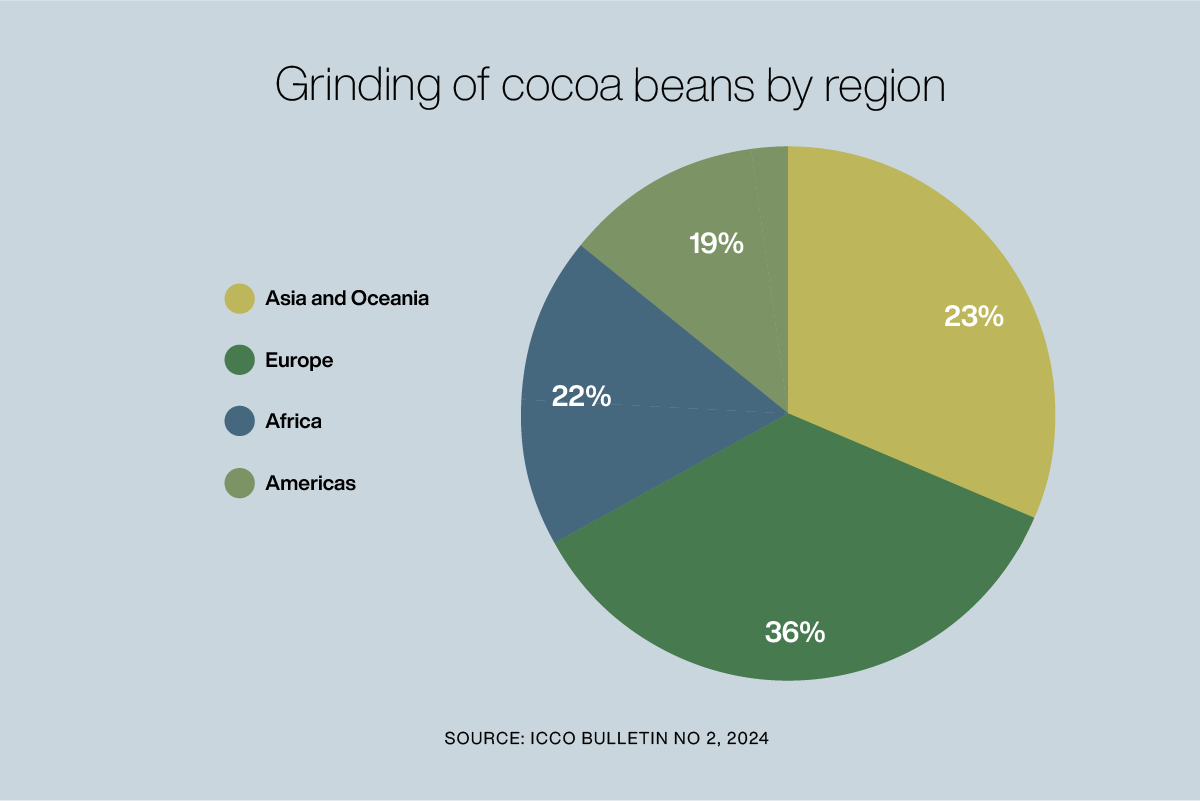
While the majority of cacao beans are grown in Africa, Europe leads in processing them. The region processes one-third, or 36 per cent, of the world’s cacao harvest every year by grinding them into cocoa mass, cocoa butter, cocoa powder, chocolate or other cocoa products.
KEY PLAYER
Leida Rijnhout
Leida Rijnhout is the chief executive of the World Fair Trade Organization, a global membership organisation promoting fair trade practices. Their members are small and medium-sized enterprises verified through a guarantee system that ensures that their entire business prioritises fair trade holistically rather than just for a single commodity.

HONOUREE TO KNOW
Amit Oz
Co-founded by Amit Oz, Conspiracy Chocolate embodies the global bean-to-bar movement, which centres on the quality of the cacao beans. It works with a single Vietnamese farm, paying farmers high wages and collaborating on the finished products. The company also uses zero plastic for its consumer packaging.

ONE FINAL THING
The price of chocolate reached a 50-year high due to a global cacao shortage since early 2024. Factors like disease and extreme weather in West Africa have exacerbated this situation.