Breaking down our news consumption
As the world becomes more virtually connected, traditional news outlets face stiff competition from digital channels as sources of news. How are these alternative platforms affecting our daily news consumption? Let’s take a Deep Dive.
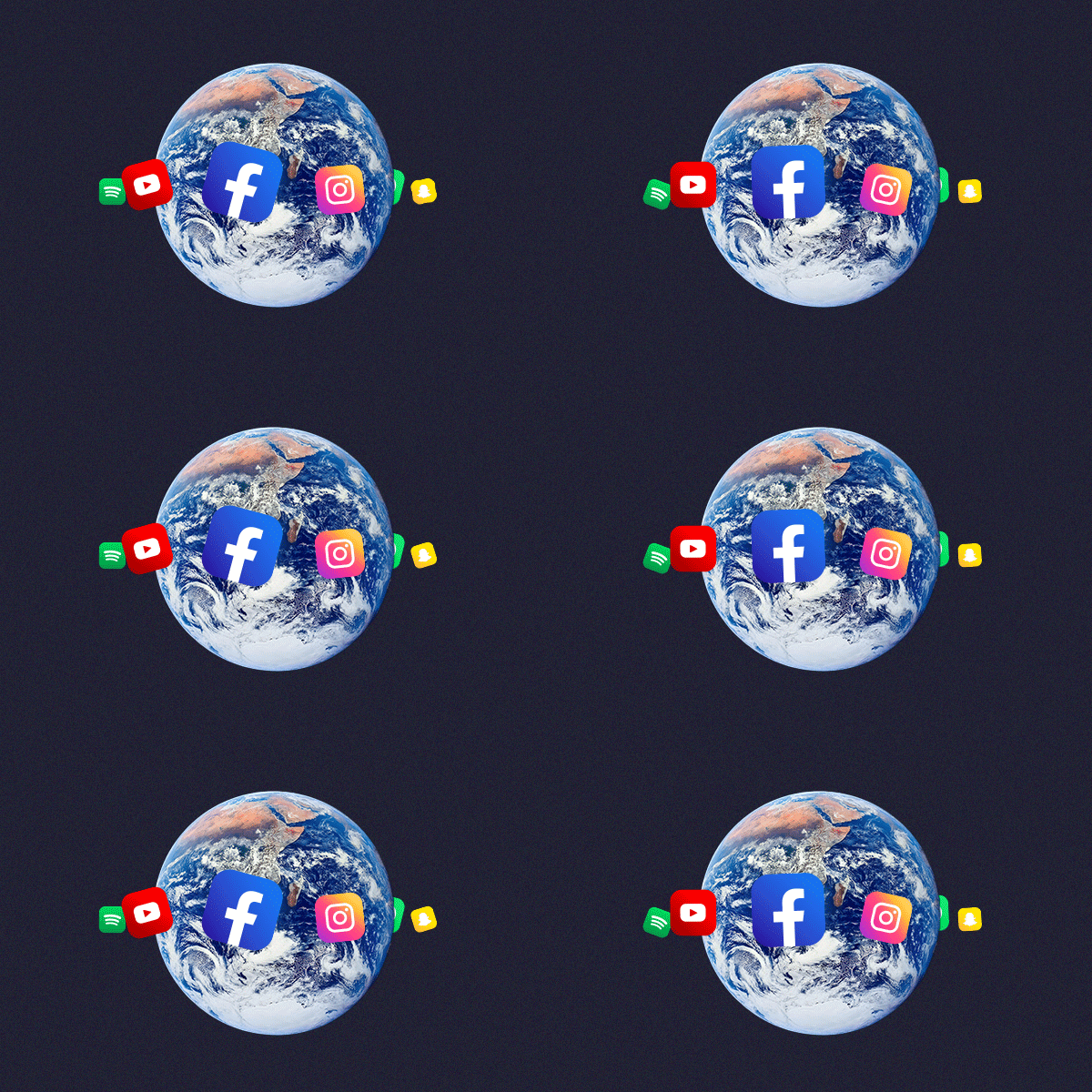
📱 From Instagram and YouTube to GRWM videos on TikTok, social media platforms are increasingly popular sources of news.
⬇️ Among the various platforms, Facebook declined as a news source from 2023 in Asian countries like the Philippines and Malaysia.
👀 Young people don’t seek out the news—they believe that important news will find them.
⌛ News consumption trends have given rise to the 24-hour news cycle, putting journalists on a constant deadline.
QUOTABLE
“Journalism is printing what someone else does not want printed. Everything else is public relations.”
— George Orwell, novelist, essayist and critic

BY THE NUMBERS

16 According to the Edelman Trust Barometer 2023, trust in media declined in 16 of the 27 surveyed countries.
38% The World Association of News Publishers found that the global average of people avoiding the news in 2022 was 38 percent, up from 29 percent in 2017.
86% Eighty-six percent of US adults reported receiving the news on a smartphone, computer or tablet.
17% A global average of 17 percent of news consumers paid for online content in 2024.
QUIZ
What percentage of people globally are concerned about fake news?
A. 36%
B. 46%
C. 59%
Scroll to the bottom for the answer.
DID YOU KNOW?
Studies have shown that younger generations turn to influencers for news because they value their relatability and perceived authenticity. However, experts advise that the information or news shared should be fact-checked and not taken at face value.
WORDPLAY
Misinformation versus Disinformation
Misinformation is false information spread unintentionally, while disinformation is deliberately created and spread to deceive or mislead.
THE EDIT
📉 Losing faith. People have trust issues with traditional news which they believe is subject to political influence.
🔍 Fact-check yourself. The rise of fake news has pushed governments and organisations to combat misinformation with fact-checking.
💬 Short and sweet. Short-form videos are the preferred news content format for young audiences.
🫨 Scrolling in the deep. Doomscrolling, or doomsurfing, is the compulsive urge to endlessly consume negative news online, despite the anxiety it causes.
WATCH
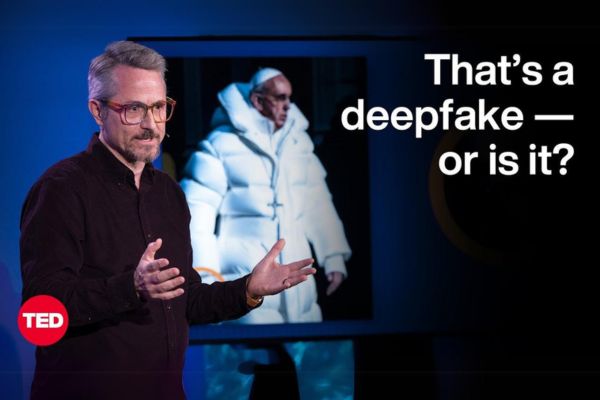
The rise of hyper-realistic AI deep fakes poses a problem for news credibility. In this video, technologist Sam Gregory covers three key steps to protecting our ability to distinguish humans from synthetics, and why our perception of the truth is crucial to our future.
THE FULL PICTURE
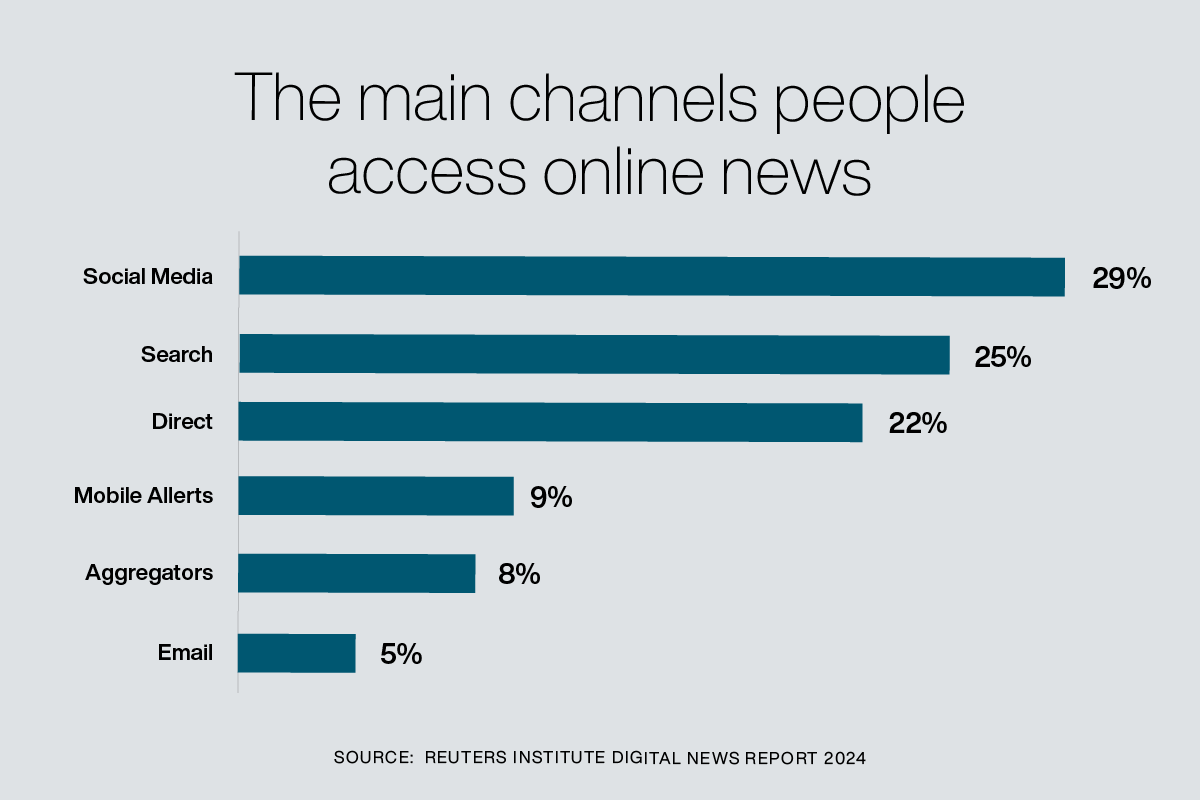
A report by Statista found that social media is the most popular channel from which people get their news.
KEY PLAYER
Josh Helfgott
As a child, TikTok, YouTube and Instagram influencer Josh Helfgott felt alone having never seen LGBTQ+ representation in mainstream media. Now in the spotlight, he keeps his global audience informed and educated about news and issues impacting the community.

HONOUREES TO KNOW
Catherine Lu
Taiwanese TV news anchor, Catherine Lu, is one of the few journalists to have worked in Hong Kong, Taiwan and mainland China. She has interviewed several prominent figures including Google CEO Eric Schmidt, Japanese billionaire investor Masayoshi Son and filmmaker Ang Lee.

Patricia Evangelista
Patricia Evangelista is a former Rappler journalist and author of Some People Need Killing, her 2023 best-selling book which shines a light on the Philippines’ brutal war on drugs.

ONE FINAL THING

In an era where scepticism about news authenticity runs high, some of the most outlandish-sounding headlines are ironically turning out to be genuine—like this one from Singapore where residents in a neighbourhood received threatening letters from JK Rowling’s Harry Potter villain, Lord Voldemort.