Nice leaders finish last
Kindness has often been mistaken for a weakness, but growing evidence suggests it's actually harder—and more effective—to be kind than to be nice. Let’s take a Deep Dive.
🙈🙉🙊 Niceness is often associated with people-pleasing, with the intention of being liked, rather than doing the right thing.
👀 In a work setting, it can have detrimental effects, such as not giving proper feedback, creating the illusion of harmony and refusing to make difficult decisions.
😇 Kindness, on the other hand, means making tough calls. This includes giving constructive (not soul-crushing) feedback, respecting work-life balance and speaking up.
❤️🩹 In a bid to counter the previous generation’s leadership style, the “nice and cool” millennial leadership approach can sometimes backfire and build an environment of distrust.
QUOTABLE
“The nice person will help pick up trash after a long night—but only if someone is watching so they can get the credit. In its worst form, this ignorance leads us to believe we are deeply good people doing good for the world when we are primarily doing good for ourselves.”
— Houston Kraft, author

BY THE NUMBERS

5 An organisation is five times more likely to be considered innovative if it’s also considered kind.
120% At organisations that put kindness ahead of profits, employees are 120 per cent more likely to have a sense of purpose.
35% Companies considered kind were 35 per cent more likely to double their EBITDA in the decade up to 2022.
76% However, 76 per cent of companies have increasingly prioritised profit over people since the pandemic.
QUIZ
According to the Global Health Care Outlook report, how much can poor leadership cost a company per employee per year due to issues like absenteeism and presenteeism?
A. US$500
B. US$2,000
C. US$5,000
Scroll to the bottom for the answer.
DID YOU KNOW?
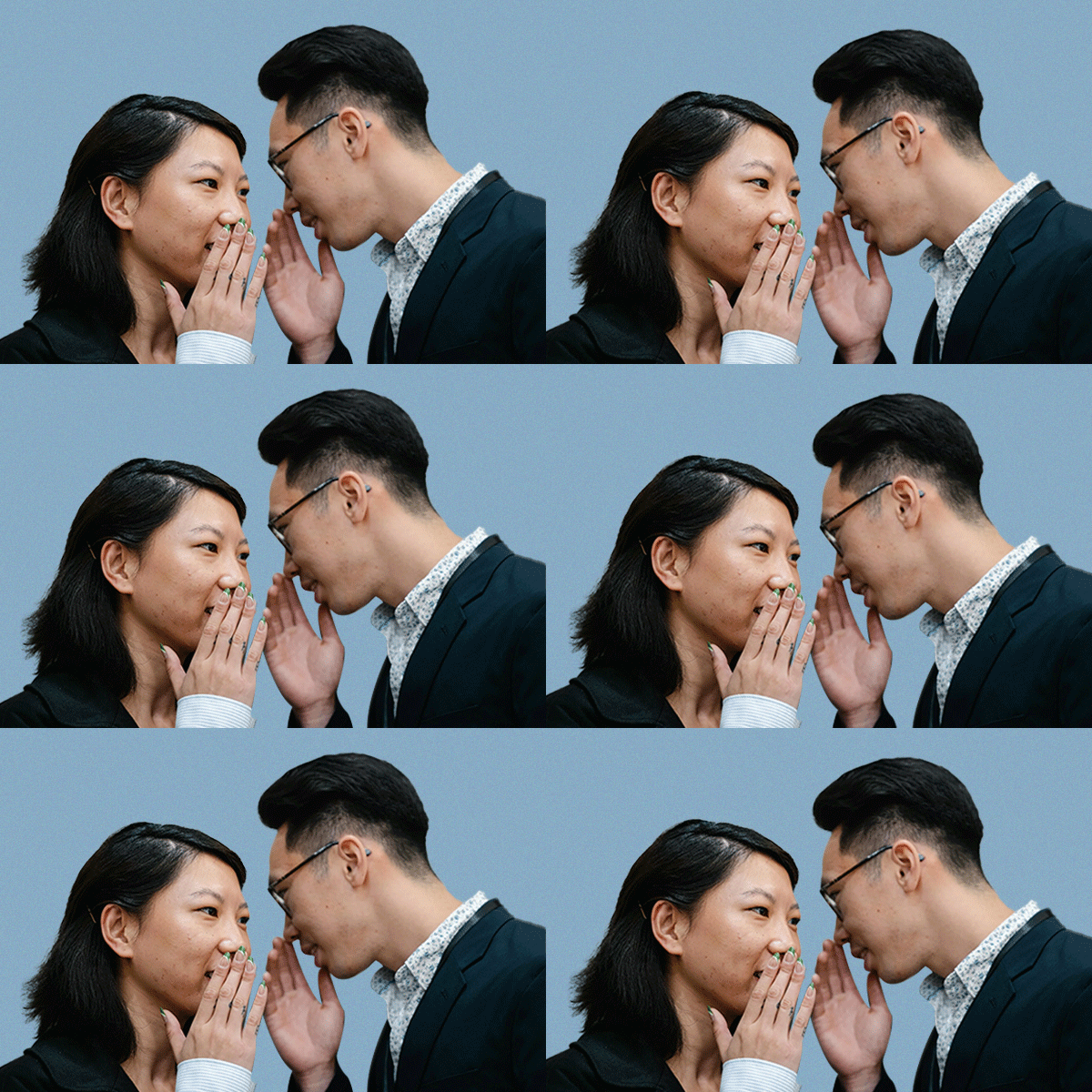
Nice employers tend to avoid resolving conflicts, resulting in 8 hours of lost company time in gossip and other unproductive activities.
THE EDIT
🥲 As you please. Niceness can also result in leaders becoming doormats.
🧬 It’s chemical. An act of kindness positively impacts our well-being, as it releases oxytocin, which promotes social connection, and suppresses activity in the amygdala, which controls fear and anxiety.
🤷🏼♀️ Double-edged sword. Women unintentionally receive nicer feedback than men, which can set them back in their careers.
🛁 It starts with you. The best way to be kind to your employees? Practise self-care and be kind to yourself.
WATCH
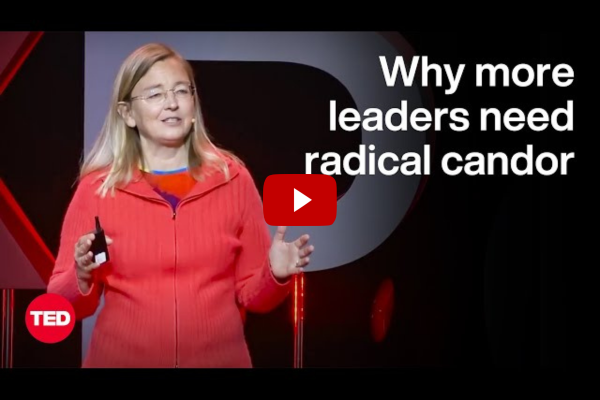
Kim Scott, author of Radical Candor, on how one can give constructive feedback compassionately.
THE FULL PICTURE
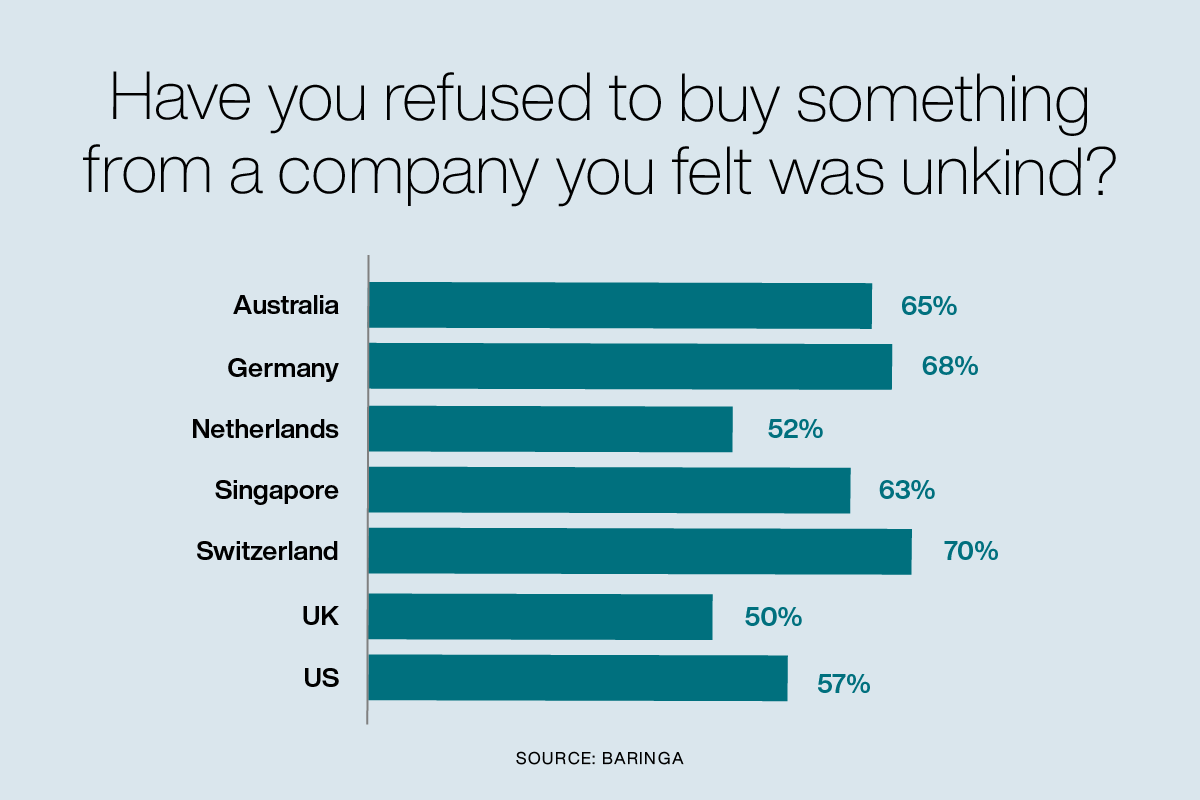
The percentage of people who’ve refused to buy a product or service over the last two years from a company they consider unkind.
Gen.T x Mercedes-Benz Hong Kong
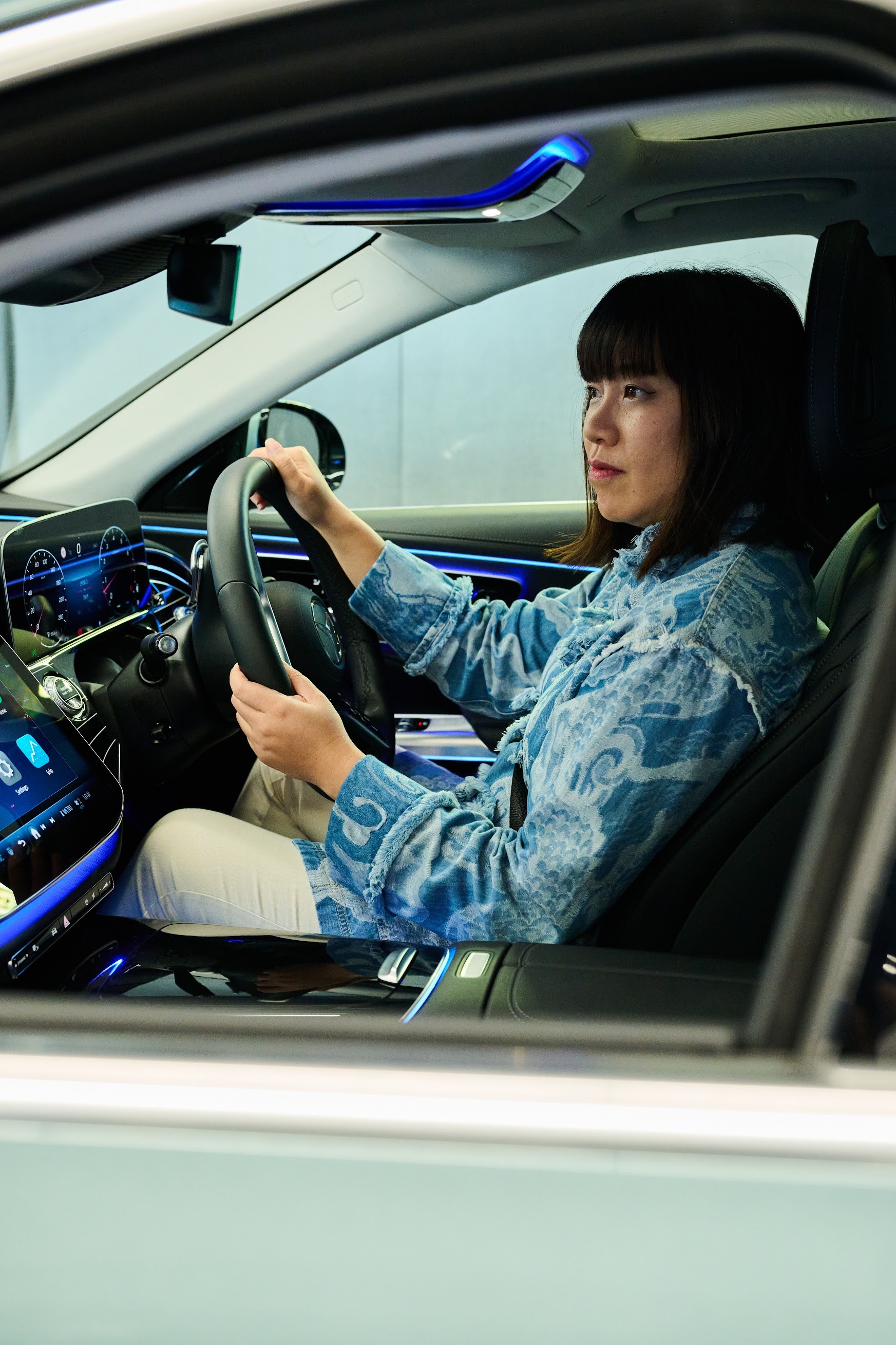
Krizia Li, the founder and CEO of e-commerce platform Vermillion, in the latest Mercedes-Benz E-Class W204 (Photo: Zed Leets/Tatler Hong Kong)
Krizia Li, the founder and CEO of Vermillion, vividly remembers the Mercedes-Benz cars that defined her childhood. From riding in her dad’s SEL 500 to playing games in her grandma’s classic 190, the brand holds a special place in her heart. Today, Mercedes-Benz still plays a significant role in her life, as she navigates the city and escapes on weekend getaways in her family’s dynamic Mercedes-AMG A 45. Discover the story behind her family’s enduring connection with Mercedes-Benz and her impressions of the new E-Class.
KEY PLAYER
Bonnie Hayden Cheng
Bonnie Hayden Cheng, associate professor at HKU Business School, is dedicated to researching how employees can thrive in the workplace. Her research has shown a tendency towards “human-centred leadership”. She recently launched her book, The Return on Kindness: How Kind Leadership Wins Talent, Earns Loyalty, and Builds Successful Companies.

HONOUREE TO KNOW
Sho Dewan
A content creator first and a coach second, Sho Dewan has racked up a social media following in the millions with Workhap—a portmanteau of “work” and “happy”—focusing on how to take ownership of your career. Since founding the company in 2019, he has coached thousands of clients worldwide in landing their dream jobs.

ONE FINAL THING
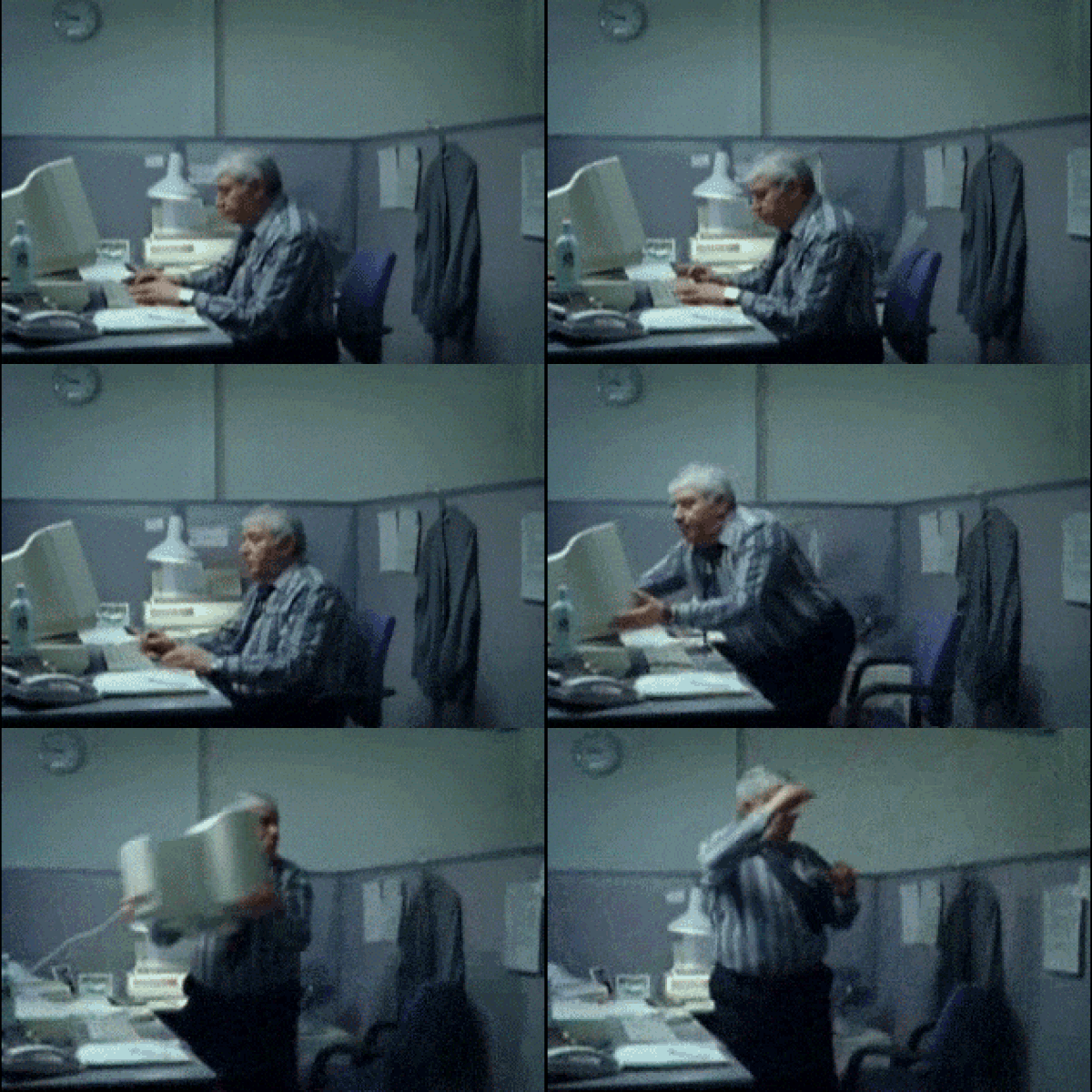
Leading with empathy and kindness can lower sick days: workers report significantly fewer health issues when they work in a non-toxic environment.