The systemic bias in medical treatment for females
From delayed diagnoses to inadequate treatments, the gender health gap has serious implications for women’s well-being. Why are women’s symptoms too often dismissed? Let’s take a Deep Dive.
🚑 The gender health gap refers to the disparities in health outcomes and healthcare experiences between men and women, which often arise from historical biases in research and ongoing systemic inequalities.
🤒 This reality means females frequently find themselves facing worse health outcomes, enduring delayed diagnoses and receiving treatments that fail to meet their needs.
🌎 Its impact ripples beyond women, damaging economies, straining families and hindering medical progress for all.
QUOTABLE
“Communities and countries and ultimately the world are only as strong as the health of their women.”
— Michelle Obama, philanthropist, attorney and former First Lady of the US

BY THE NUMBERS

25% Women spend approximately 25 per cent more of their lives in poor health compared to men, despite often living longer.
4 Women are diagnosed approximately four years later than men for hundreds of different health conditions.
US$28 billion The femtech sector was valued at US$28 billion by the end of 2024. It is projected to exceed US$60 billion by 2027.
QUIZ
What is one disease that often gets misdiagnosed due to the gender health gap?
A. Endometriosis
B. Appendicitis
C. The common cold
D. Broken bones
Scroll to the bottom for the answer.
DID YOU KNOW?
The health gap for women leads to a loss of 75 million years of life annually due to poor health or early death, the equivalent of seven days per woman per year, according to a 2024 report by McKinsey & Company.
THE EDIT
💊 Overmedicated and overlooked. Women are more likely to be overmedicated due to drug trials’ male-centric approach, which overlooks crucial sex-based differences in drug metabolism.
😫 In pain. Pain experienced by women is frequently dismissed, largely due to stereotypes that lead to the perception that they exaggerate their discomfort.
🫀 Hidden signals. Women often present different symptoms during heart attacks, such as nausea, dizziness and fatigue, which can lead to delays in treatment and ultimately lower survival rates.
WATCH
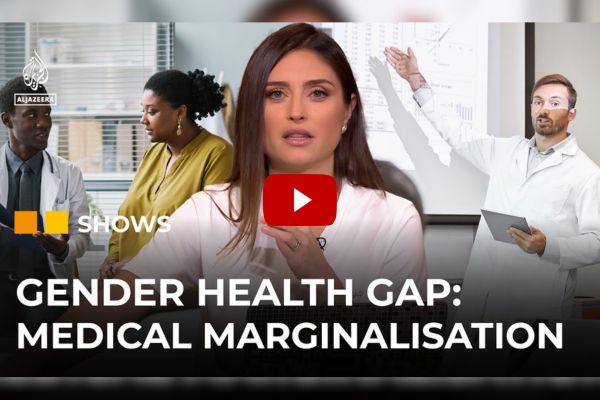
This video investigates how women’s health has been overlooked in research for generations, revealing the impact and proposing solutions to close the gap.
THE FULL PICTURE
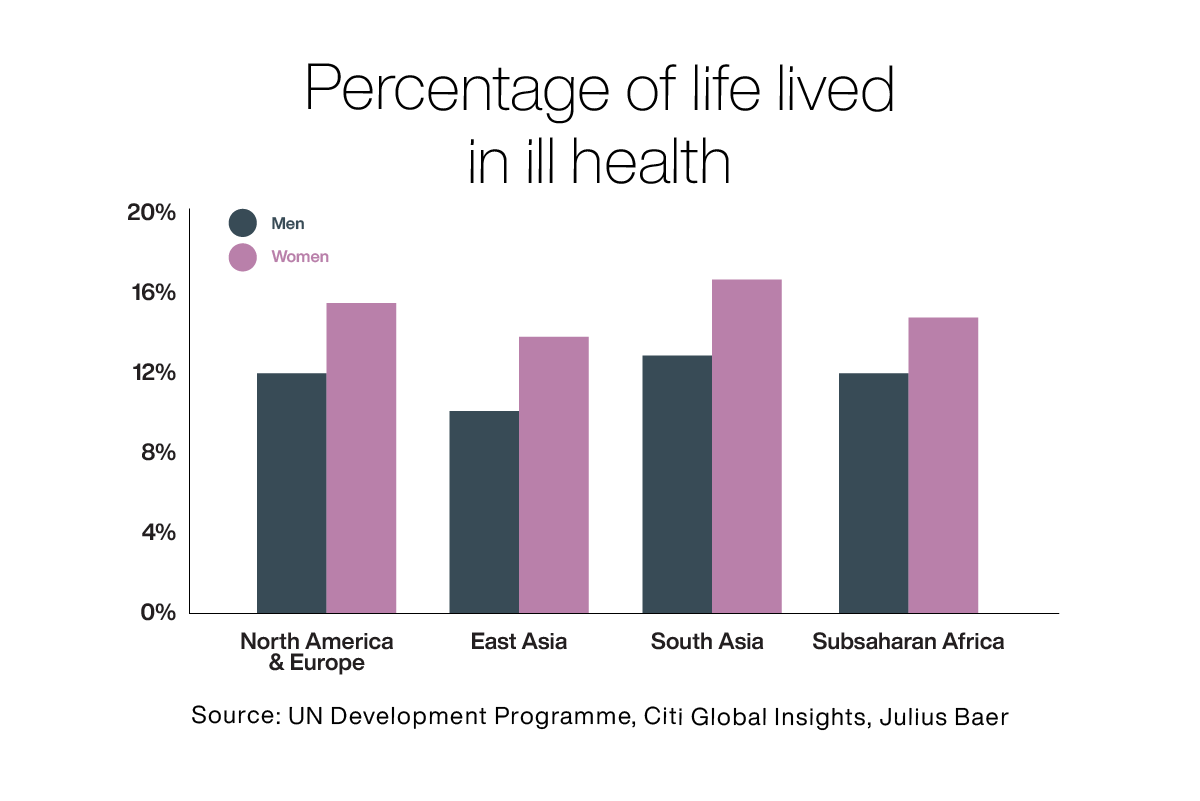
According to research from global wealth management group Julius Baer, women globally experience a higher percentage of their lives in poor health, with an average of around nine years.
KEY PLAYER
Lindsay Davis
Lindsay Davis, founder of FemTech Association Asia, aims to make healthcare accessible and affordable for all Asian women. A member of the Equity 2030 Alliance Member at the United Nations Population Fund, the group leverages technology to enhance women’s health and currently represents over 75 companies across nine Asian countries.

HONOUREE TO KNOW
Alexandra Jocom
Frustrated by the limitations of existing sanitary products, Alexandra Jocom founded Halia, which makes eco-friendly menstrual products from bamboo and corn fibre, including overnight pads and everyday liners which are biodegradable and body safe. The company is a member of One Percent for the Planet.

ONE FINAL THING
Increased representation of women in STEM could improve health outcomes for all, particularly for women, as female doctors perform better in specific areas, such as communication and patient-centred care.