Is degrowth the answer?
This is the greenest generation ever, we keep hearing. But it’s also the generation driving ever more excessive consumerism. Let’s take a Deep Dive.
📉 The degrowth movement proposes abandoning economic growth, and especially the current focus on GDP, as a way of evaluating progress, arguing that the emphasis on growth is destroying the environment and failing to measure what matters.
♻️ Its ideas are particularly interesting to Gen Z, the generation most vocally concerned about sustainability.
🛒 However, Gen Z is also the generational cohort doing the most to drive overconsumption, and in particular the growth of fast fashion.
🔗 Advocates of green growth think economic growth and environmental impact can be decoupled; proponents of degrowth reject that.
QUOTABLE
“Growth for the sake of growth is the ideology of the cancer cell.”
— Edward Abbey, author

BY THE NUMBERS

65% Sixty-five per cent of Gen Z say they want to shop sustainably, but 33 per cent of them admit to being addicted to fast fashion.
400% The amount of clothing consumed has grown by 400 per cent in two decades to reach 80 billion a year, with 85 per cent of it ending up in landfills.
13 million According to the new Netflix documentary Buy Now! The Shopping Conspiracy, 13 million phones are thrown away every day.
QUIZ
The company that best exemplifies fast fashion, Shein, became the world’s largest fashion retailer in 2022. What value of merchandise did it shift last year?
A. US$5 billion
B. US$25 billion
C. US$45 billion
Scroll to the bottom for the answer.
DID YOU KNOW?

The term “fast fashion” wasn’t coined until the 1990s, but the phenomenon goes back nearly 200 years, to the Industrial Revolution and the invention of the sewing machine.
THE EDIT
💸 The price is wrong. If Gen Z fail to live up to their values when shopping, it’s largely because of the cost of living.
🗑️ Single-use everything. Planned obsolescence, a business strategy that involves creating products that need replacing as regularly as possible, is having an ever-increasing negative environmental impact.
⬇️ Less is more. Not everyone in the fashion industry wants to endlessly up consumption: a growing number are prioritising sustainability in their business models.
🗾 Land of the falling GDP. Japan could present a model for a non-growth-obsessed, steady-state economy.
WATCH
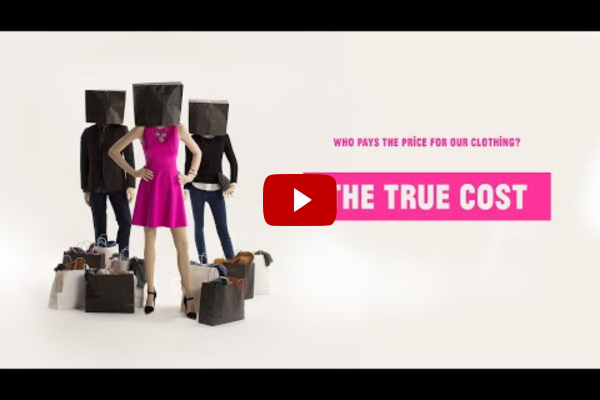
Here’s the last word on fast fashion and excessive consumption: the 2015 documentary The True Cost.
THE FULL PICTURE
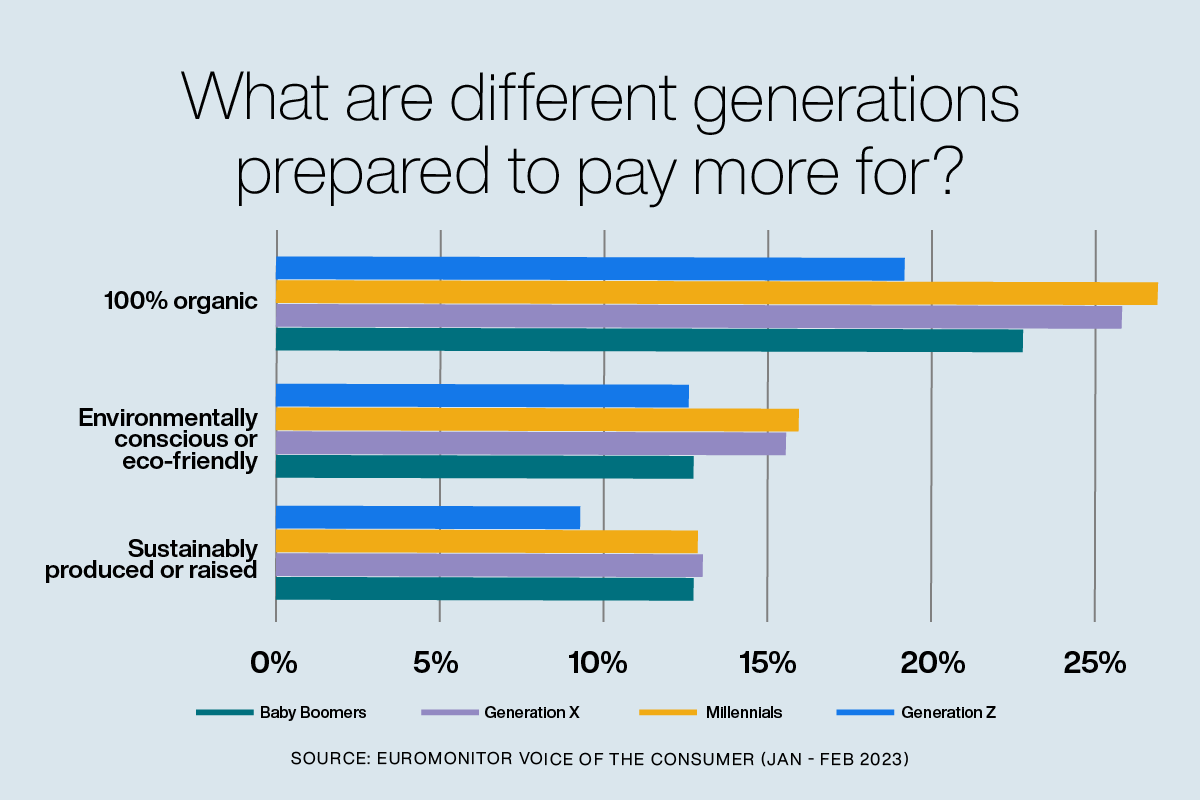
When it comes to food and beverage products, it’s Gen X and millennials rather than Gen Z who are prepared to pay more for eco-friendliness.
Gen.T x Mercedes-Benz Hong Kong
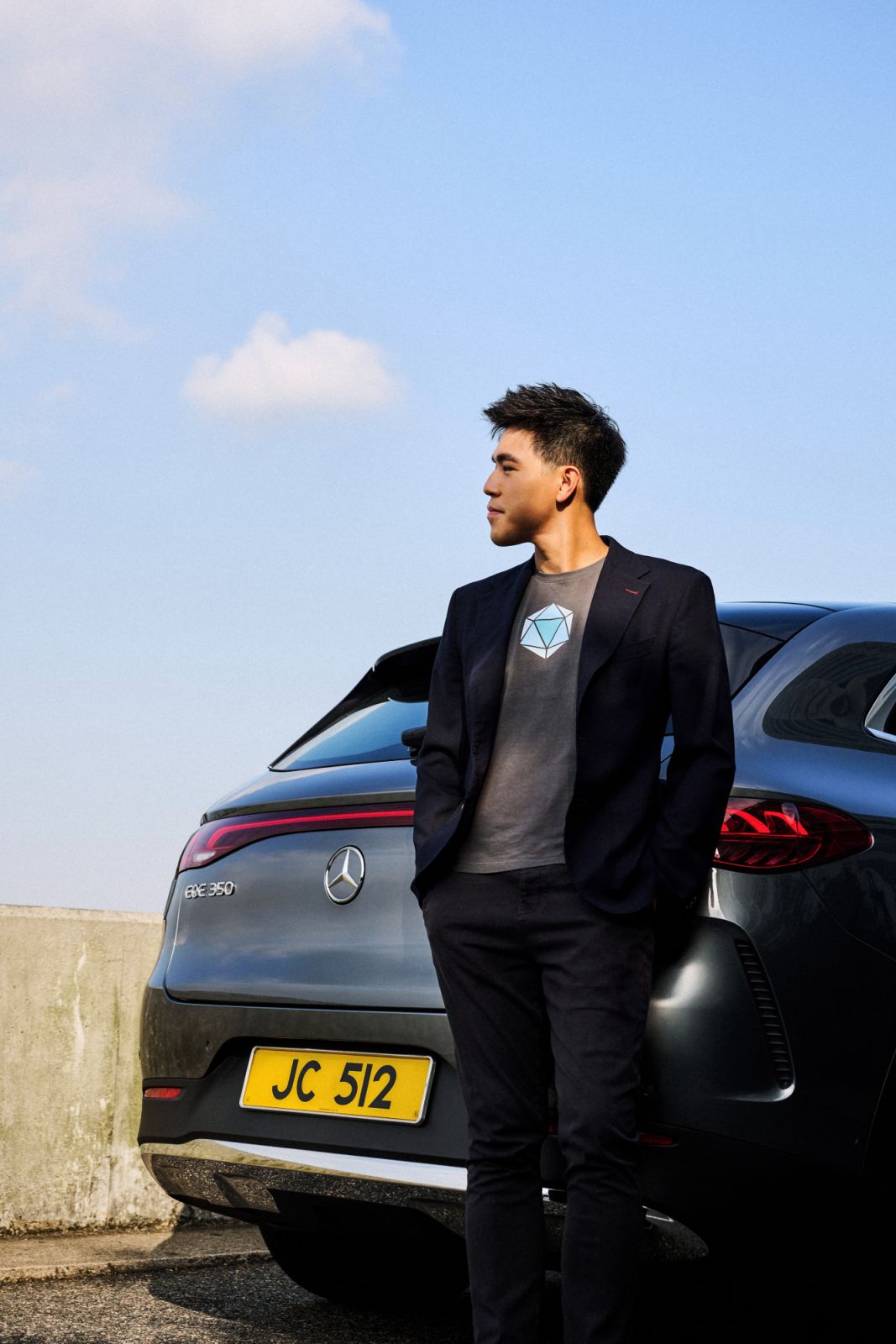
Vincent Siu with the Mercedes-Benz EQE SUV (Photo: Zed Leets/Tatler Hong Kong)
Vincent Siu, the founder and lead producer of Press Start Studios, chose a Mercedes-Benz eight years ago as his very first car. Drawn to the brand’s reputation for reliable and effective steering and braking systems, he found that cruising in his Mercedes-Benz around Hong Kong sparked creative inspiration for his edutainment games studio. Now, join Siu as he takes the innovative Mercedes-Benz EQE SUV for a test drive and shares his thoughts on the latest in automotive technology.
KEY PLAYERS
Jason Hickel
Anthropologist and professor Jason Hickel focuses on political economy, inequality and ecological economics. He has argued in books such as Less Is More: How Degrowth Will Save the World (2020) that economic growth is a wildly misleading measure of human development.

HONOUREE TO KNOW
Tan Yin Ling
Cloop helps people become part of the solution to fashion waste. The company, co-founded by Tan Yin Ling, collects used clothes, which are sorted and resold where possible, while the fibres of others are recycled.

ONE FINAL THING
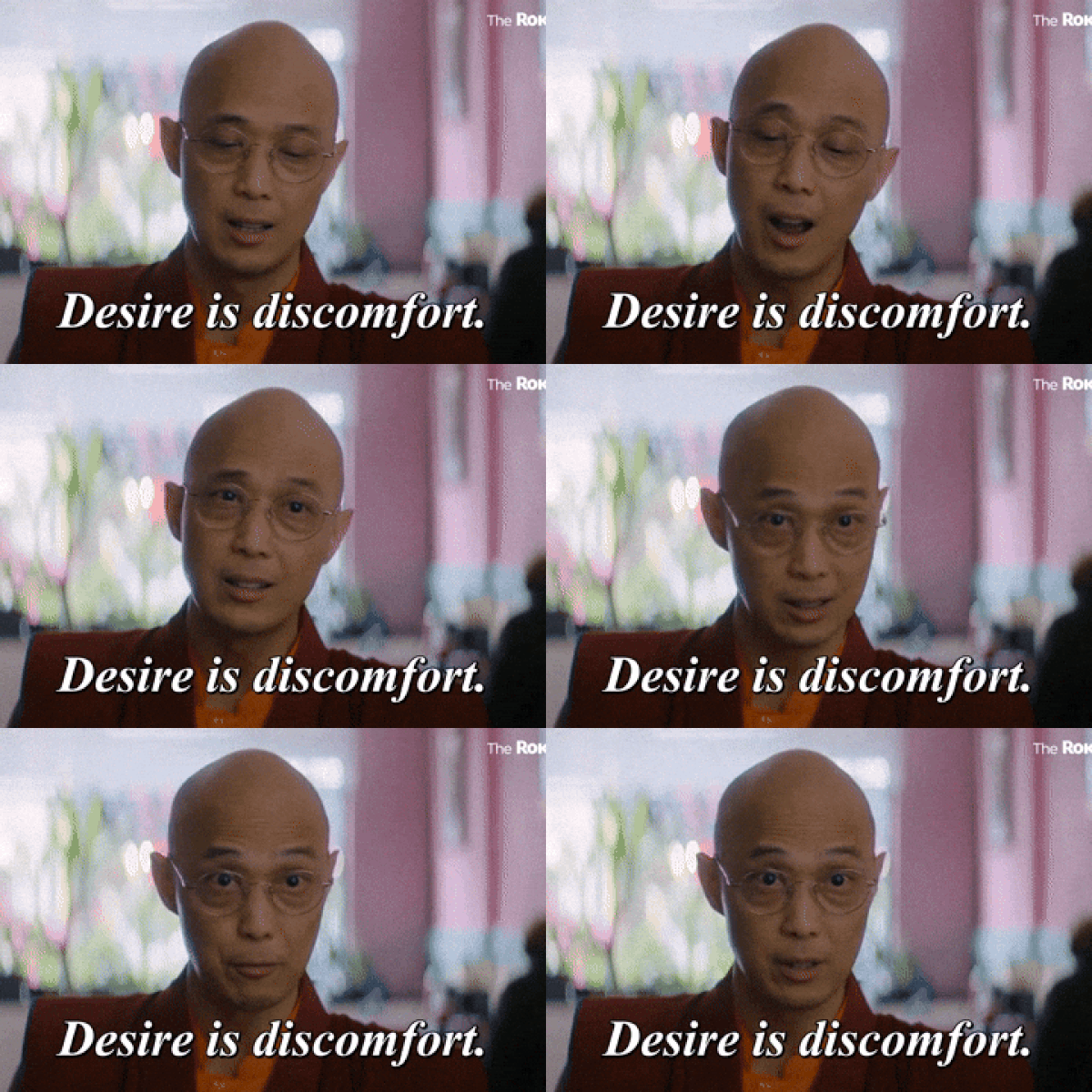
When it comes to a more sustainable model of economics, it turns out the world could learn from Asia. That’s what British economist E F Schumacher in the 1960s did when he came up with a theory that’s remarkably similar to degrowth: Buddhist economics.