OUR BIG STORY
After a record-breaking Met Gala, Robert Wun discusses his rise to the top
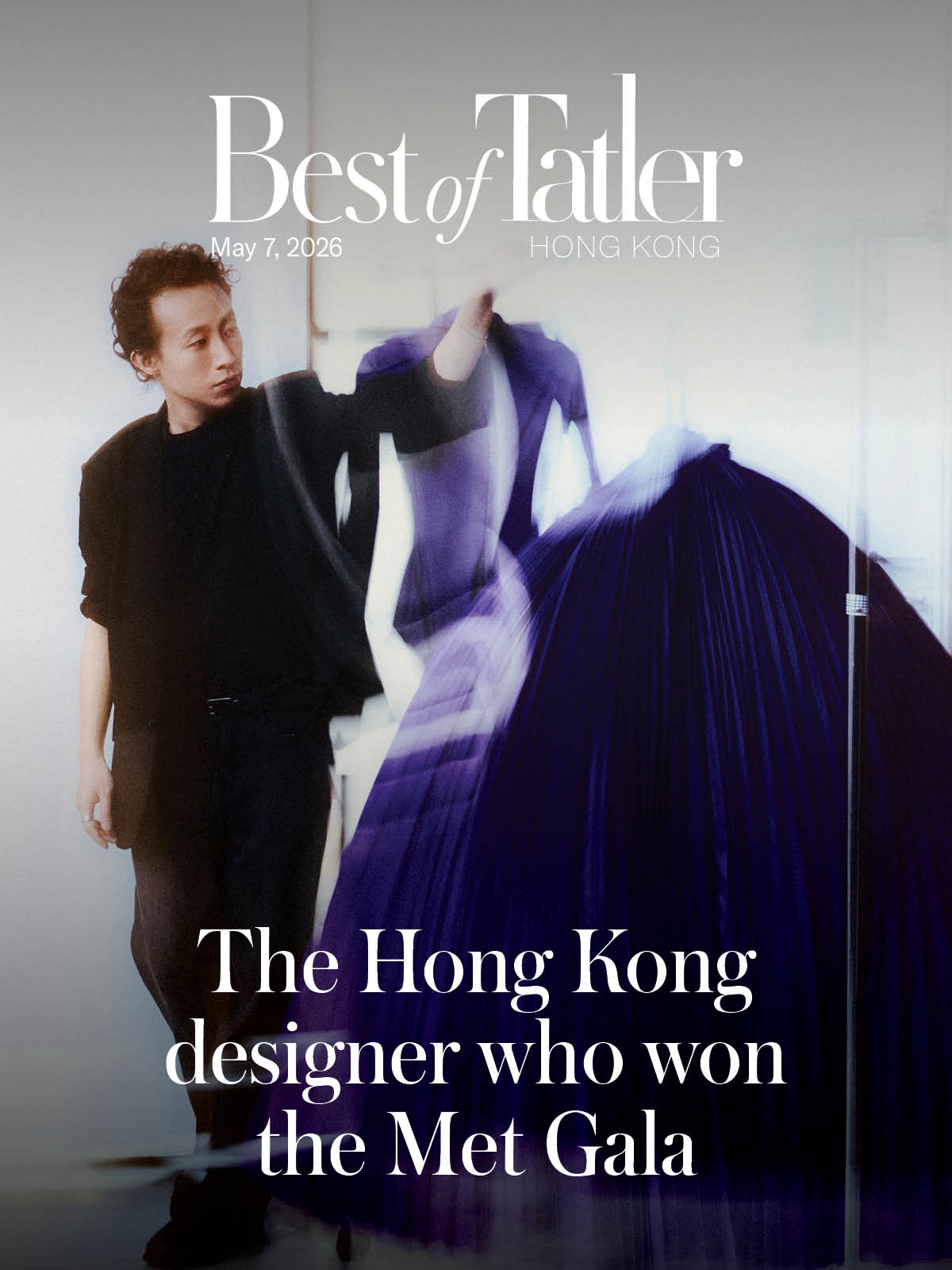
May 2026 cover star Robert Wun, photographed exclusively by hungmc for Tatler Asia
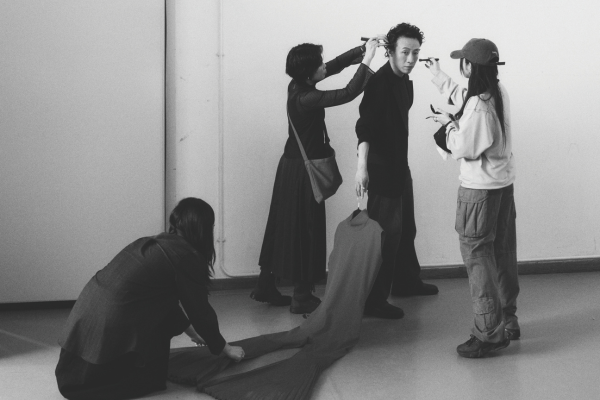
Robert Wun, who, in 2023, became the first Hong Kong designer to show at Paris Haute Couture Fashion Week, is known for his sculptural, avant-garde, convention-defying gowns—pieces that have been worn on red carpets and at gala events by the likes of Adele and Blackpink’s Jennie. They are not pieces designed for movement. So we are particularly intrigued to meet him in April in a dance studio to discuss his most recent reason for returning to his hometown: ballet.
Tatler caught up with Wun in a rehearsal room at the Hong Kong Cultural Centre, just days before the premiere of Hong Kong Ballet’s latest production, Glam Rock, a three-act programme inspired by music from the Eighties and Nineties. He was commissioned to design the costumes for Martlet, one of the three acts and, during our meeting, unveiled his creations—not on a runway, but with dancers drifting in and out of the studio between rehearsals.
DINING
The best new restaurants to try in Hong Kong this May: From fine dining debuts to hidden neighborhood gems
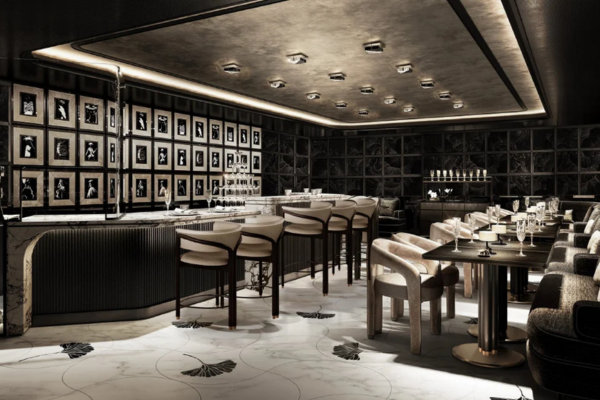
As Hong Kong embraces a slow, stormy transition into summer, May’s openings shake up the dining scene with renewed rhythm.
New restaurants and bars bring a variety of experiences to the city, from fine dining establishments offering refined multi-course menus and an elegant champagne bar serving coveted bottles, to neighbourhood eateries delivering soulful plates. All add something to the scene with a focus on seasonality, local identity and a boundless approach to dining.
We’ve compiled the city’s newest openings that warrant attention. Consider this your sign to head out for a meal or drink this month.
MORE STORIES FROM TATLER
LEADERSHIP
Soft power: how Korea’s Chaebols are using world-class architecture to reshape cities and define their legacy
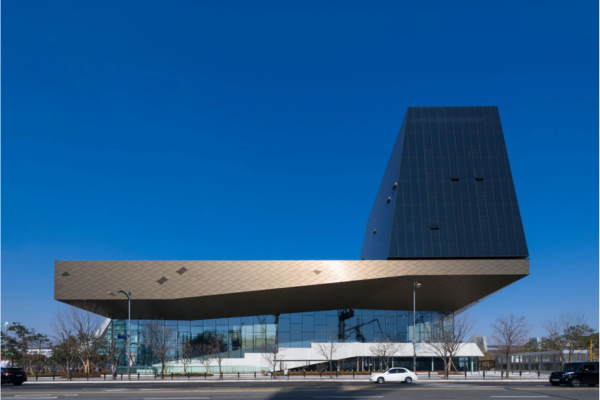
For most of the 20th century, Korea’s family-run conglomerates were understood as engines of manufacturing and export. Electronics, automobiles, shipping, construction: the output was industrial, and the aesthetic was largely incidental. Over the past two decades, several of the country’s largest groups have turned to architecture not as a logistical necessity but as a deliberate act of cultural positioning, commissioning buildings that have reshaped city districts, attracted international talent of the highest order, and embedded themselves in the public imagination in ways no product campaign could replicate.

ARTS & CULTURE
Venice Biennale 2026: A guide to the most anticipated Asian pavilions and artists defining the world's greatest art stage
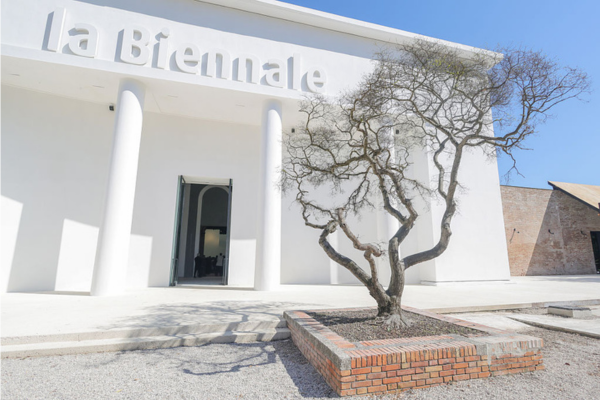
The newly restored facade of the Central Pavilion of the Biennale in Venice, Italy. (Photo: Stefano Mazzola/Getty Images)
Widely considered the Olympics of the art world, the festival returns this year from May 9 to November 22. Its installations are historically some of the most visually striking and conceptually mind-bending—one might recall the Lithuanian pavilion’s Sun & Sea (Marina) in 2019, where an opera took place on an artificial beach, or Marina Abramović’s Balkan Baroque in 1997, where she washed 1,500 bloody cow bones to protest the Yugoslav Wars.
Founded in 1895 to celebrate the silver anniversary of King Umberto I and Margherita of Savoy, the Biennale established a prestigious international art exhibition in Venice. While it began as a national exhibition, it quickly adopted an international focus, featuring 14 countries in its first year. Beyond providing a platform for global dialogues, the event allows artists to address pressing social and political issues, from climate change to human rights.
Asian representation has evolved from marginal participation to a central presence. Japan participated for the first time in 1952, becoming the first Asian country to open its own pavilion four years later.
EDITOR'S PICK