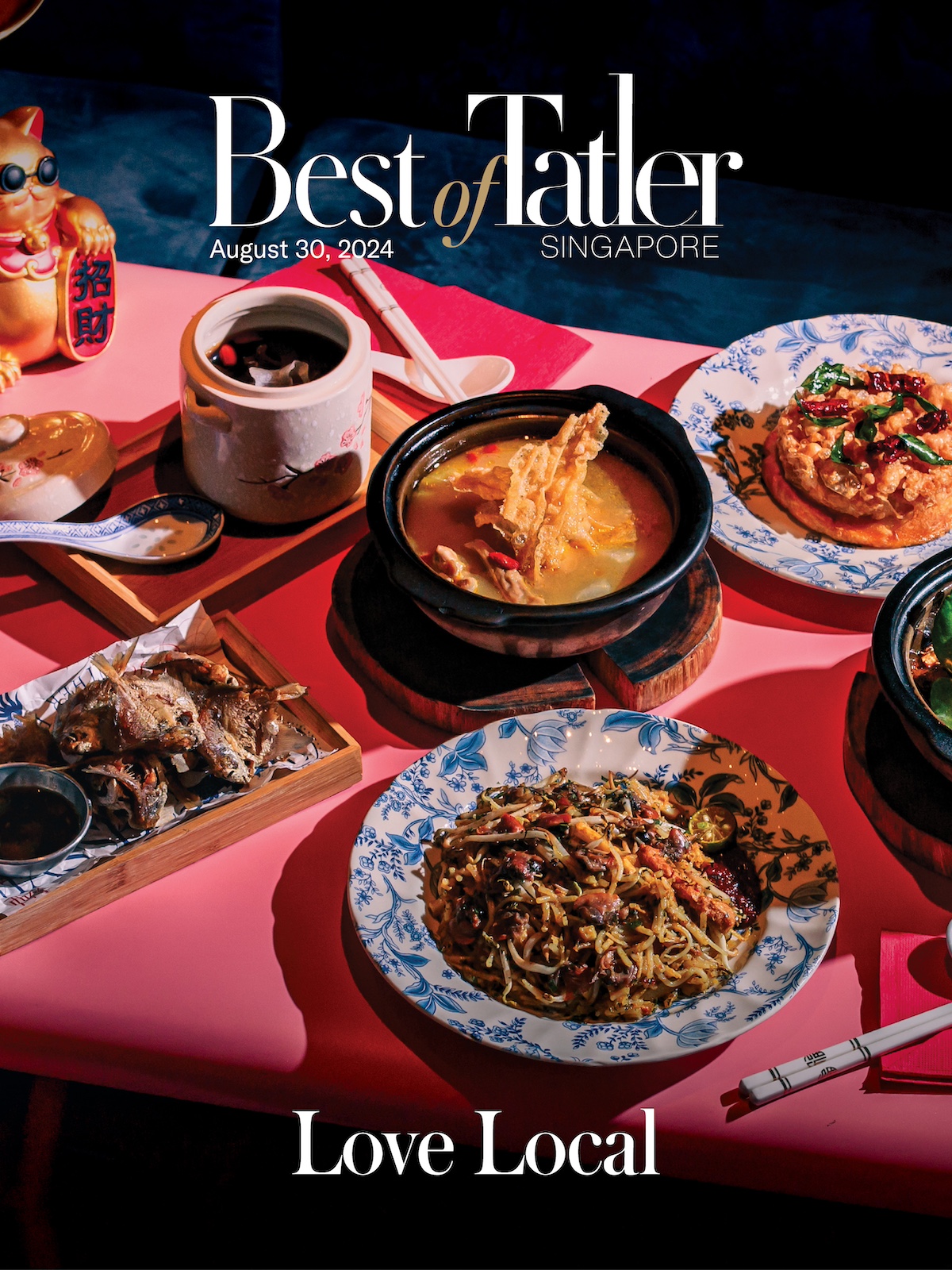
Heritage food, reimagined
Champion your own cuisine. This has been the growing trend in Asia’s dining scene in recent years, with chefs who earned their stripes at the world’s top tables looking to their own heritage and food memories to define their cooking. In Singapore, it has never been more evident than when the Asia’s 50 Best Restaurants 2024 rankings were revealed earlier this year. New Singaporean restaurant Labyrinth, by chef-owner Liguang Han, took the No. 31 spot, while Mustard Seed, by chef-owner Gan Ming Kiat, made it to the extended list at No. 81 with its modern Singaporean cuisine grounded in Japanese cooking techniques. Modern Malay restaurant Seroja, by chef‑owner Kevin Wong, entered the list at No. 31, earning it the Highest New Entry accolade.
When the Michelin Guide 2024 results came out this June, the idea was further reinforced when contemporary Asian restaurant Willow, by chef-owner Nicolas Tam, and Peranakan restaurant Candlenut, helmed by chef‑owner Malcolm Lee, each retained its one Michelin star. Malcom also earned a star for his fine‑dining restaurant Pangium, which offers contemporary Straits cuisine, or dishes based on forgotten local recipes but reinterpreted to suit today’s modern palates.
What do the modern Singaporean, Asian, Malay, Peranakan and contemporary Straits cuisines have in common? They make up the rich tapestry of modern Singaporean, or Mod Sin, cuisine, defined as a contemporary interpretation of traditional Singaporean dishes that take inspiration from Chinese, Malay, Indian and Peranakan cultures, among others. To better understand how this came to be, author and food historian Khir Johari explained in a previous interview about his award‑winning tome, The Food of Singapore Malays, that the borders of Singapore, Malaysia and Indonesia were not carved out until 1824. “People were mobile in this borderless space [whose] waters served as highways and bridges,” said Khir, which is why Singapore shares a culinary heritage with its neighbouring countries. The interconnectedness of Singapore with other regions is reflected in the dizzying array of hawker dishes such as mee goreng, roti john and chilli crab, which are commonly found in the more than 100 hawker centres across the island and have fed Singaporeans for generations.
“[These] hawker foods remain the backbone of our culinary fabric and culture,” shares Malcom, who is part of the group of veteran local chefs, including Han and Willin Low of the now‑defunct Wild Rocket, who first introduced diners to innovative takes on local dishes more than a decade ago. Low, for example, created his signature laksa pesto linguine using laksa leaves in place of basil and candlenut instead of pine nuts, while Han debuted the Ang Moh Chicken Rice, presented as a dumpling with skin made with rice and filled with minced chicken, and served with chilli sauce prepared using his grandmother’s recipe. These are but just two examples of the chefs’ contemporary creations that gave rise to the modern Singaporean cuisine of today.
As these culinary pioneers paved the way for Mod Sin cuisine to be recognised on the international culinary stage, a new generation of chefs is following in their footsteps by tapping into their heritage and personal memories to create novel dining experiences for today’s discerning diners. As Nicola Lee, Asia’s 50 Best Restaurants’ academy chair for Southeast Asia (South), observes, “reinvention and reinterpretation” are the watchwords now, as these chefs want to “cook dishes that they connect with and relate to, and present them in modern ways while not forgetting familiar flavours”.
Read the full story here.
LIFESTYLE
The best luxury resorts in Asia for a tranquil and tropical escape
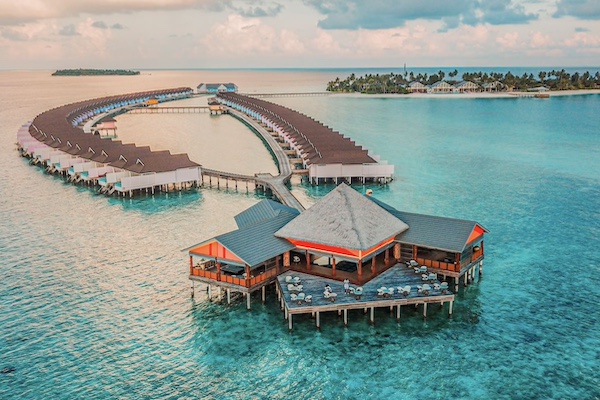
The best luxury resorts in Asia for a tranquil and tropical escape
If you’re craving an escape from the fast-paced hustle and bustle of daily life, there’s no better place to unwind and unplug than within the serene ambience of a luxury resort. But you won’t have to travel too far for a much-needed getaway, there are options aplenty close by.
Wellness-focused retreats that promise relaxation, rejuvenation, and digital detoxification have become increasingly popular among travellers seeking to disconnect from technology and reconnect with themselves. Whether you’re seeking a secluded island getaway or full cultural immersion, there’s a resort to suit every taste and preference. So why wait? Sink into the lap of luxury and embark on a journey of relaxation and rejuvenation like never before.
The Standard, Huruvalhi offers a refreshing take on the typical Maldivian getaway. This resort is not just about breathtaking views; it’s a vibrant hub of activity and relaxation. The resort boasts a world-class spa, an impressive fitness centre, and a variety of water sports, including snorkelling and diving in the vibrant coral reefs.
With 115 stylish villas, many featuring private pools and direct beach access, guests can unwind in luxury while enjoying the stunning surroundings. For those looking to socialise, the beach club and lively bar scene provide the perfect backdrop for sunset cocktails.
For those seeking a wellness-centric escape on the Thai coast, Avani+ Hua Hin is a remarkable choice. The resort is known for its extensive wellness offerings, including a full-service spa and a variety of fitness classes.
A serene blend of modern design and traditional Thai hospitality meet in the resort’s design, with spacious rooms and villas that feature private terraces and plunge pools, so guests can enjoy their own slice of paradise.
The resort’s dining scene is equally enticing, with multiple venues serving everything from authentic Thai cuisine to international favourites. Guests can also partake in unique experiences such as cooking classes, where they can learn to prepare traditional dishes using fresh local ingredients, and wellness workshops to kick-start healthy eating habits. The resort’s proximity to Hua Hin’s vibrant markets and cultural sites makes it an ideal base for exploring the rich heritage of Thailand.
Another gem in the Maldives is Jumeirah Olhahali. A sanctuary of tranquillity, its minimalist design incorporates and complements the natural beauty of its surroundings, making it the perfect retreat for relaxation in luxury. The resort features 67 spacious villas, each designed with contemporary elegance and equipped with private pools and direct ocean access. Here, you can indulge in a variety of experiences, from rejuvenating spa treatments to gourmet dining at the resort's signature restaurant, and even a private yacht excursion.
Read the full story here.
STYLE
Heirloom Gallery owner Shawn Tan on his love for vintage watches
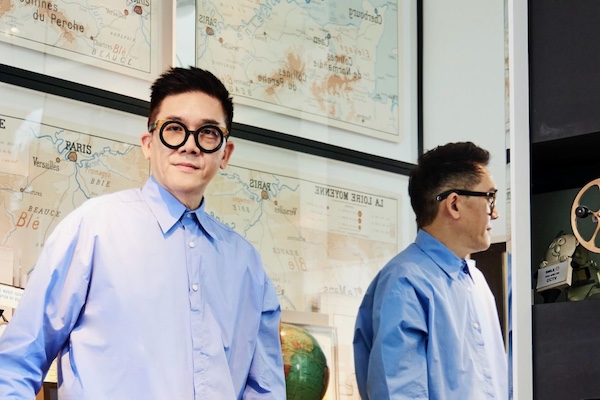
Heirloom Gallery owner Shawn Tan on his love for vintage watches
Located in a quiet corner of The Riverwalk, an inconspicuous shopping mall by the Singapore River, Heirloom Gallery has been the stomping ground of many watch lovers for the past 24 years. The boutique, which is set up like a mini gallery with numerous vintage timepieces and watch memorabilia on display, is a one‑man operation run by its founder, Shawn Tan. On a typical afternoon, collectors pop in to browse and shop the wide selection of vintage watches, or just to chat with the friendly owner and fellow enthusiasts.
An accountant by training, Tan held a stable and well‑paying tax consulting job at leading accounting firm PricewaterhouseCoopers until he decided to make a drastic career switch in 1999 and quit, to the shock of many who knew him. While he had long been immersed in the world of watches, this turning point of becoming a business owner was further prompted by the passing of his mother earlier that year. “It made me realise that life is quite fragile and short, and you need to do what you’re happy with,” he recalls. This happiness he sought lay in his true, life‑altering passion for vintage watches, which he pursued by opening Heirloom Gallery in 2000. “Once I made that decision, I never looked back. I thank God every day now that I’m doing something that I like. I’m lucky and blessed with all the love and support from my clients and friends,” says Tan.
His love of timepieces, especially vintage ones, started from a young age and seems predestined. He was born into a family with a penchant for collecting—everything from stamps to currency, vintage cars and more—and his early exposure instilled in him a deep appreciation for objects with history and character. He was gifted watches and wore them since he was a child, but he made his first significant purchase with his own money—his earnings from giving tuition—when he was around 18. His choice: a 1920s Moeris wristwatch with a case design resembling a pocket watch, which he picked up from a dealer at a Chinese New Year street fair in Singapore, who later became a lifelong friend. This purchase marked the beginning of a long‑standing obsession.
By the time he started Heirloom Gallery, Tan had accumulated a significant collection of vintage watches and needed to let some of them go. The business started out this way, with Tan selling his own watches, before he eventually also started sourcing for the store, typically from auctions, and through his travels as well as his network of friends and clients. On top of dealing in watches—from vintage to contemporary—Tan helps his clients with repairs. He collaborates with a select group of trusted watchmakers, ensuring that each precious timepiece is handled with the utmost care. His commitment to quality and authenticity has earned him a loyal clientele and a respected position within the watch community.
Today, Tan’s collection is diverse, reflecting his broad taste and deep knowledge. He does not chase trends or succumb to hype; instead, he focuses on what he genuinely loves—the same advice he gives to those who seek it. “After so many years of collecting and dealing with watches, I no longer set any criteria for my next watch, or goals for a grail watch (the term for a highly sought‑after timepiece in the horological community). Because a grail watch is like a moving goalpost; there’ll always be another one and there’s no end to it. Now, I prefer to be surprised,” Tan remarks, adding that he enjoys discovering rare finds during his travels.
Read the full story here.
HOMES
The most beautiful newly opened spaces, furniture showrooms and destinations
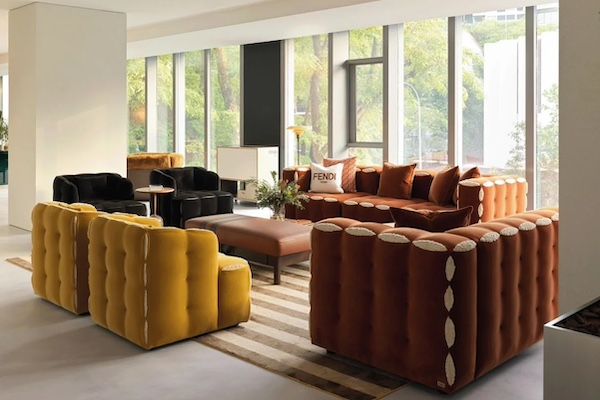
The most beautiful newly opened spaces, furniture showrooms and destinations
Singapore’s design scene continues to flourish with the opening of marvellous new furniture showrooms, spaces, and other destinations that cater to the tastes of design enthusiasts.
Take New Bahru for one. With “designed for discovery” as its tagline, New Bahru has taken over the old Nan Chiau High School site along Kim Yam Road following an architectural refurbishment by Farm, complete with fresh landscaping by This Humid House.
It now positions itself as a creative hub and lifestyle destination in Singapore, featuring a buzz-worthy directory that includes minimalist fashion boutique Rye, stylish furniture shop Studio Yono, plant design studio Soilboy, bedding purveyor Sojao and independent bookshop Woods in the Books, as well as various fitness studios, educational enrichment spaces, and a diverse mix of F&B outlets to suit every palate.
EDL gallery takes up the third storey of the laminates firm’s new regional headquarters in Singapore, serving as both an immersive browsing space as well as a source of inspiration for customers. Hundreds of interlocking modules are suspended from the ceiling, showcasing a wide range of finishes and wood grains, and supported by so-called “test labs” to visualise the surfaces under various lighting conditions. Product offcuts, out-of-production series and surplus project materials were also sustainably reworked into statement furniture pieces and key design elements in the gallery.
Another new space is Cycling Bears’ new showroom. Located in Joo Chiat, the new Cycling Bears showroom doubles as a wellness oasis, undeniably at the forefront of top-of-the-line fitness and recovery equipment in Singapore. Here, the retailer’s cutting-edge equipment can be visualised in a home environment, customised to suit your personal preferences, and tested for peace of mind, with items ranging from sustainably crafted gym equipment to an infrared sauna from Sunlighten and hand-built ice baths from Brass Monkey.
Read the full story here.
POWER & PURPOSE
Ba&sh co-founder Barbara Boccara on building a brand by women, for women

Ba&sh co-founder Barbara Boccara on building a brand by women, for women
“We created clothes for women for every moment: to go to work, to go on vacation, for sexy moments. It’s a woman’s wardrobe, from morning until evening, and for each different pace of life. That is the idea of ba&sh,” says Barbara Boccara, who with high school friend Sharon Krief founded the contemporary Parisian fashion label with a focus on what women want in—and from—their wardrobes in 2003.
“The style is very feminine and sexy, but not vulgar,” Boccara tells Tatler Front & Female while visiting Singapore recently. “And of course, it’s trendy without copying. There are very feminine silhouettes and it’s very joyful.”
It has been, perhaps, an unlikely success story. Neither co-founder went to fashion school and while Boccara had begun her career as a press officer in the fashion industry, Krief had studied law. It was not until they had both had children that they decided to follow their passion for fashion with the launch of their own label. The press liked their style and their story, and ba&sh continued to grow, its appeal translating across the world where, two decades later, it boasts more than 300 stores.
As women in business, the duo haven’t faced many of the struggles that challenge female founders. They have surrounded themselves with other women, even though unintentionally—as a company, ba&sh is 85 percent female with an almost entirely female Board of Directors.
“But, this is not my fight,” says Boccara. “It’s not my fight to have more women in the business.” Rather, there are other causes that matter deeply to Boccara and Krief, and which, through ba&sh, they are increasingly supporting.
“I’m lucky to come from a family who was not rich, but had a big heart. I followed my parents, especially my mum, who always showed me how to give back to people. And Sharon and I, when we started ba&sh, we wanted to give a similar meaning to the brand, and we decided that we would add purpose to our brand, and not only when we started making profits but from day one. In the beginning, it was not money. We did not have money to give, but we gave clothes that were not being sold.”
Among the brand’s more recent social initiatives is its Power Blazer campaign. First launched in 2021, it aims to support female entrepreneurs and address the significant funding gap faced by female-founded companies, with only about 3 percent of institutional investments directed towards them—a number that dropped to 2 percent in 2022 according to research by BCG and Sista. “We came to know that it was very difficult for women to raise funds,” says Boccara.
Read the full story here.
DISCOVER THESE ON TATLER ASIA
Tatler GMT hosts an exclusive evening of discovery with Hublot.

Space Makers: Meet Lim Thong, the founder of luxury interior design firm LA Design Studio.

Highlights from Tatler GMT’s evening of horology, featuring 3 luxury watch brands.
A Mediterranean dream: Willabelle and Ryan Ong uncover the treasures of Spain.
Seamless journeys await with Samsonite’s latest EVOA Z collection.

Sinkholes in KL: What to know about them and why it happens.

Why you need to add SkinCeuticals’ A.G.E. anti-ageing power duo to your skincare regime.