

Cover Sweating is normal–but when does it become a problem?
Sweating is normal–but when does it become a problem?
1 / 1
Hong Kong-based general practitioner Dr Lisa Chan shares advice on what to do with heavy sweating in the unforgiving heat
Summer in Hong Kong is a season of extremes. With temperatures climbing into the 30s and humidity often above 80 per cent, it is a time of extreme heat, extreme stickiness and—for some people—extreme, uncomfortable sweating.
Sweating is a perfectly natural way for our bodies to react to extreme heat and stop us from overheating. Our bodies have some three million sweat glands that release perspiration—made up mostly of water but also small amounts of minerals, metabolites, unmetabolised drugs and lipids—to keep us cool.
Historically, sweat symbolises endeavour and achievement. After all, who has ever created anything magnificent with blood and tears but not sweat? Sadly, that knowledge is scant comfort for an office worker dripping in sweat after dashing from the MTR to their desk on a scorching midsummer morning.


Above Hong Kong's midsummer heat is no joke
Hong Kong's midsummer heat is no joke
1 / 1
Patients often come to me at this time of year and ask how they can reduce sweating, and the first thing to make clear is that a normal amount of sweating doesn’t require medical treatment and can be controlled through simple, common-sense steps.
Wear light clothing to allow your skin to breathe, use an underarm antiperspirant deodorant to reduce odour and sweating, eliminate spicy foods that might increase sweating from your diet, and wash dried sweat from your face and body to keep yourself cool and comfortable.
Heavy sweating can, however, be related to a medical condition called hyperhidrosis in which a person’s sweat glands are overactive and produce more sweat than the body needs to stay cool, and not always in response to the usual triggers of heat, stress or exercise.

Above Exercise can be the cause of sweating–but not always
Exercise can be the cause of sweating–but not always
1 / 1
Localised hyperhidrosis occurs in specific areas such as the hands, feet, underarms and face, while generalised hyperhidrosis is excessive sweating that happens due to other medical conditions such as thyroid disorders, or that is a side effect of some medications, and in these cases the underlying condition must be addressed as a priority.
In most cases, localised hyperhidrosis is not an indication of anything more serious. Nevertheless, it can have a profound and inhibiting impact on people’s daily lives from a psychological, emotional and social perspective, particularly in the suffocating heat of a Hong Kong summer.
It may impact people’s work and social lives. It can make them feel uncomfortable, embarrassed and self-conscious. It can make them afraid to shake hands and, over a period, it can lead to them withdrawing from work colleagues and social situations.
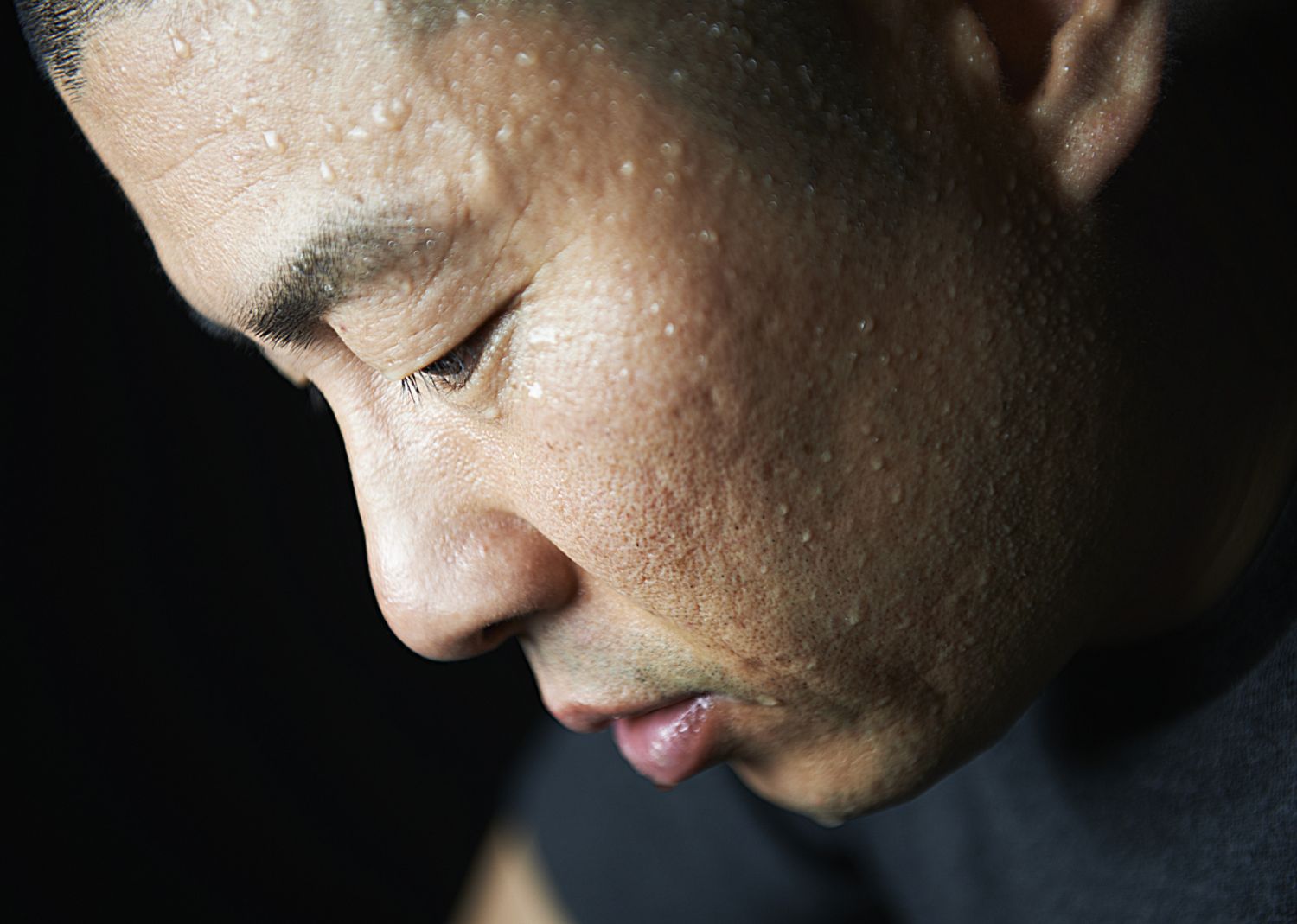
Above Excessive sweating can impact people's work and social lives
Excessive sweating can impact people's work and social lives
1 / 1
In these cases, there are a number of options for treatment, including:
· Topical antiperspirants containing aluminum chloride—these come in the form of sprays, lotions or roll-ons. However, aluminum chloride can cause skin and eye irritation, and users should be careful when applying it to the face.
· Oral medication such as anticholinergics, beta-blockers or antidepressants. These can, however, lead to a range of side effects including drowsiness, a dry mouth, blurred vision and bladder problems.
· Iontophoresis, a procedure that involves the use of a low-level electric current to disable sweat glands in the hands and feet. This needs to be repeated several times to be effective, and its efficacy is temporary.
· Injections of botulinum toxin type A. This procedure blocks neural impulses to sweat glands and has been approved by the FDA in the US. It becomes effective about a week after treatment and is effective for three to six months. It can lead to temporary muscle weakness in treated areas.
There are other more radical and permanent options, such as using microwave energy to permanently destroy sweat glands in the armpit area. This requires local anaesthetic and can lead to a degree of discomfort from swelling and bruising afterwards. Some patients may also require two treatments, three months apart.
In the most severe cases, surgery can remove sweat glands in the armpits or sever nerves in the chest that cause hands to sweat. This may in some cases lead to compensatory sweating over other parts of the body and, in rare cases, complications can include bleeding and injury to the lungs.
Before considering any treatment, patients should discuss the options with their doctor to determine their suitability. For some, eliminating excessive sweating can be life-enhancing. For others, that trickle of summer sweat is only a temporary inconvenience until cooler, drier weather blows in.
This is part of a monthly column by Dr Lisa Chan, a Hong Kong-based general practitioner who has an avid interest in medical beauty. Dr Chan, MBChB (CUHK), MScPD (Cardiff), PgDipPD (Cardiff), PGDipClinDerm (Lond), DipMed (CUHK), DCH (Sydney), also holds a master's degree in practical dermatology with distinction at Cardiff University.





