

Cover Do LED face masks really work?
Do LED face masks really work?
1 / 1
Hong Kong-based general practitioner Dr Lisa Chan shares her thoughts on the LED face mask craze
LED face masks have recently been gaining a significant amount of popularity. Many look quite extravagant, with sci-fi vibes that make the users appear as if they are extras in Star Wars.
They claim to treat acne and help with skin rejuvenation. Yet, despite their growing use, many are still skeptical about their efficacy—especially considering their high price.


Above LED masks can look very futuristic
LED masks can look very futuristic
1 / 1
With the rise of Zoom meetings, people are confronted with the vision of their own faces more often—which means many are becoming ever-more aware of skin conditions they may be suffering from.
I have encountered many patients who ask me whether they can or should use LED face masks. And my answer is always the same. Yes, you can use LED face masks. There is evidence that red and blue lights may work in improving one’s skin. While LED masks may make a difference in the complexions of some users, I have seen them make zero impact on the complexions of others. So your expectation must remain realistic—please use according to the safety instructions, and please don’t expect an immediate, dramatic improvement when using any such kind of home gear.
LED stands for “light-emitting diode”. It is a technology first developed for NASA in plant growth experiments in space, and was later found to have some benefits in skin rejuvenation and in speeding up natural wound healing processes. Light-emitting diodes send low-level energy to different layers of the skin, triggering changes at the molecular level. It stimulates the production of adenosine triphosphate, which rejuvenates damaged cells, generates collagen, and improves blood circulation.
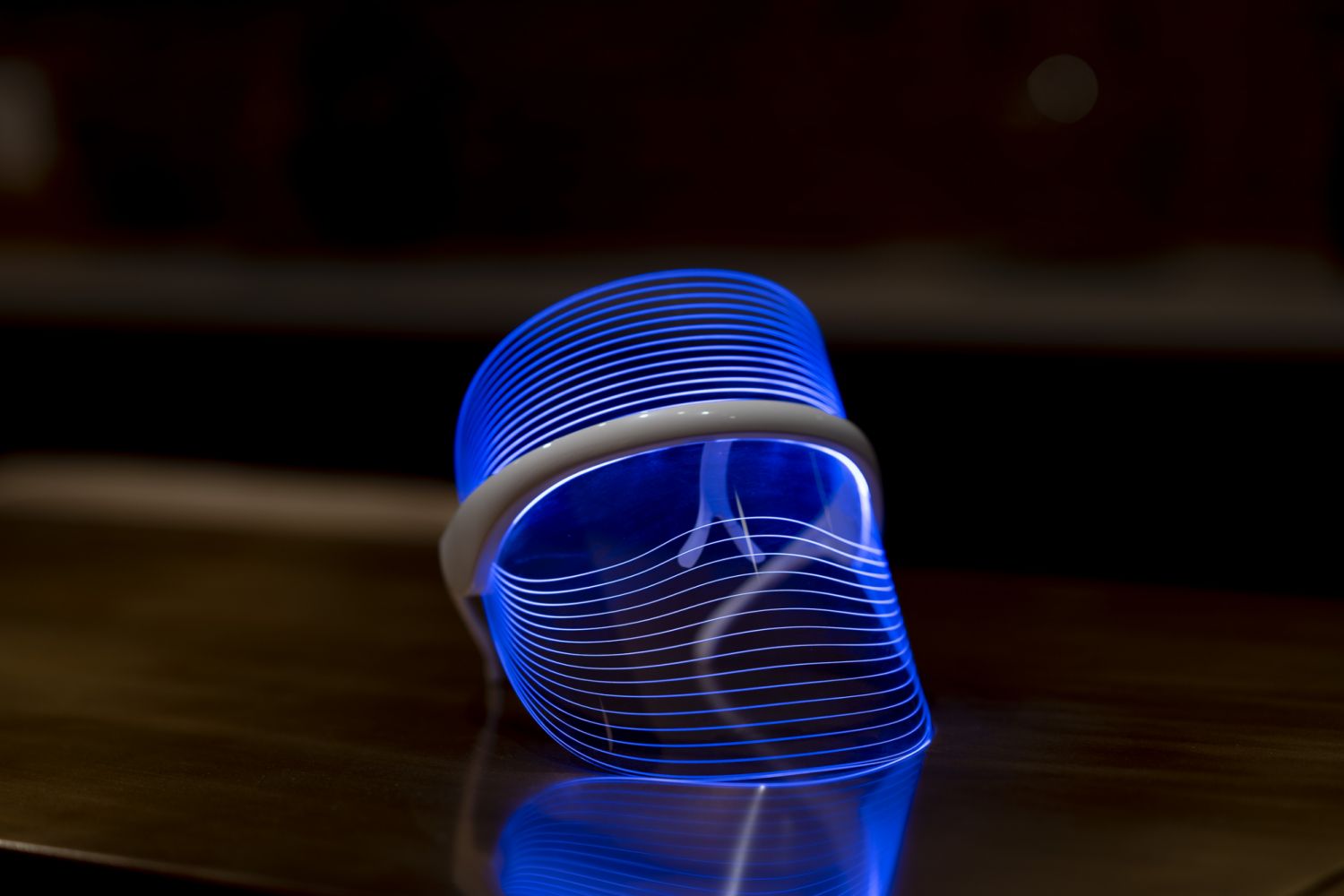
Above Dr Lisa Chan says there is evidence that red and blue lights may work in improving one’s skin
Dr Lisa Chan says there is evidence that red and blue lights may work in improving one’s skin
1 / 1
LED face masks for home use are less powerful than intense pulsed light machines used in clinics, but they offer their growing army of customers convenience and privacy. They irradiate the face with a variety of different coloured LED lights for different treatments—a blue light that alters the microbiome of the skin to treat acne and reduce the production of oil in the skin’s sebaceous glands, or a red light that penetrates a little deeper, stimulating collagen production and increasing blood circulation.
Some face masks give off a yellow LED light which manufacturers claim reduces redness and the skin’s healing time—this is sometimes suggested as a supplementary treatment to red light therapy in helping to fade out fine lines. Others emit a green LED light, which makers say helps even the skin texture and tone and, like red light therapy, treat broken capillaries. However, there is not enough scientific evidence to support the use of yellow and green light therapy, nor other colours being offered, including orange and purple.
If you want younger-looking skin, a LED face mask may give you a little more radiance but don’t expect miracles. It will never be as effective as botulinum toxin injections or fillers in smoothing out wrinkles. And it is not a cure for conditions like acne. Anyone with serious, inflammatory acne should see a doctor.
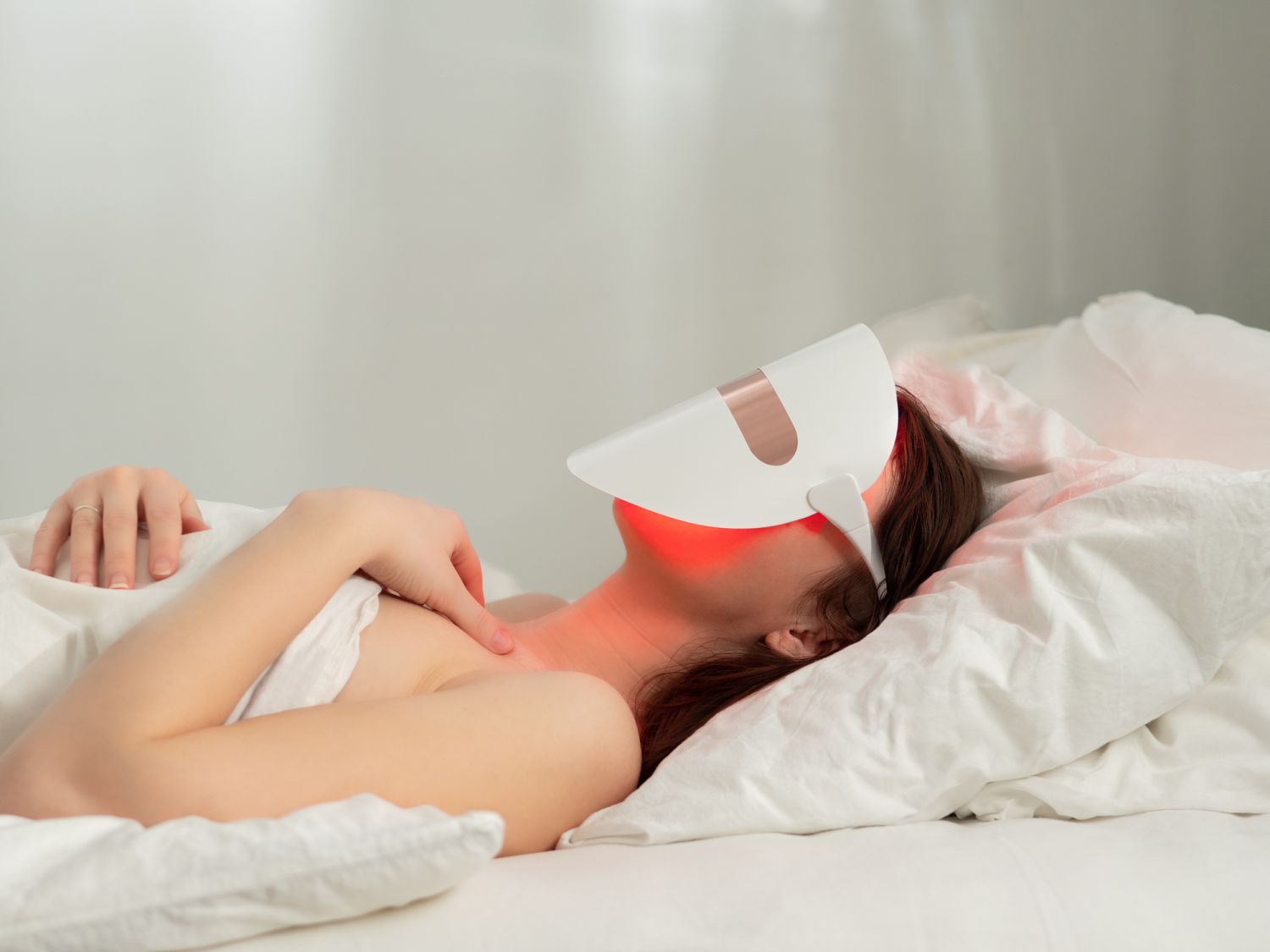
Above LED face masks for home use are less powerful than intense pulsed light machines used in clinics
LED face masks for home use are less powerful than intense pulsed light machines used in clinics
1 / 1
Finally, LED face masks are not entirely without risk. They can worsen skin conditions like melasma if they are not used properly. There is a potential risk of eye injury if they are not used with protective masks. People with histories of skin cancer or systemic lupus erythematosus, or diseases affecting the retina such as diabetes, or anyone taking photosensitising medicine like lithium or antipsychotic drugs, may not be suitable candidates either. If in doubt, always check with your doctor first.
We are still in the early days of LED face masks. There is reason to believe they can be beneficial in making us look a little fresher, but it will take time to shed light on how useful and effective these devices really are.
This is part of a monthly column by Dr Lisa Chan, a Hong Kong-based general practitioner who has an avid interest in medical beauty. Dr Chan, MBChB (CUHK), MScPD (Cardiff), PgDipPD (Cardiff), PGDipClinDerm (Lond), DipMed (CUHK), DCH (Sydney), also holds a master's degree in practical dermatology with distinction at Cardiff University.





