Cover Japan’s commitment to large-scale winter illuminations creates a compelling reason to travel during the colder months, from the historic serenity of Shirakawa-go in the snow to the kilometre-long artistic flows of Osaka’s Midosuji Avenue (Photo: yebisu_garden_place/Instagram)
Japan’s commitment to large-scale winter illuminations creates a compelling reason to travel during the colder months, from the historic serenity of Shirakawa-go in the snow to the kilometre-long artistic flows of Osaka’s Midosuji Avenue (Photo: yebisu_garden_place/Instagram)
1 / 1
Seven extraordinary Japanese winter illuminations that redefine light spectacles, from Kobe’s memorial structures to vast flower park displays
As winter sets in across Japan, the country transforms through a distinctly local tradition: large-scale winter illuminations. Unlike European holiday displays, these installations are not tied to Christmas and have evolved into an independent cultural practice. They are extensive, carefully designed and often technologically ambitious, attracting millions of visitors each year.
Across the archipelago, parks, gardens, commercial districts and even racecourses become seasonal light environments, combining digital artistry with natural or historic settings. The range is broad, from expansive amusement-park productions to quieter, more artistic installations. Together, they offer a compelling reason to visit Japan beyond the usual cherry blossom or autumn foliage periods.
Read more: Powder paradise: 7 pristine ski retreats to experience the snow-capped mountains anew
1. Nabana no Sato Winter Illumination (Mie Prefecture)
Located outside Nagoya, Nabana no Sato at Nagashima Spa Land is arguably the most famous and largest illumination event in Japan, drawing international recognition for its scale. The spectacle features millions of LED bulbs across a vast botanical garden. The highlight is consistently the Tunnel of Light, a long, arched passageway creating a fully immersive corridor of shimmering, warm-toned lights. The site also includes a massive, annually changing themed area and intricate light-ups of the park’s seasonal flowers. The precision of the display is evident, utilising colour and programming to create dynamic, moving scenes across the landscape.
2. Kobe Luminarie (Hyōgo Prefecture)
Established in 1995 as a memorial to the victims of the Great Hanshin Earthquake, the Kobe Luminarie possesses a gravitas distinct from other seasonal light displays. Its aesthetic is consciously European, employing elaborate Italian-designed light structures, known as luminarie, to create soaring Gothic and Renaissance-inspired tunnels and façades. The event’s move from December to January reflects its status as a memorial and symbol of recovery rather than a strictly Christmas-themed affair. The light fixtures, known as galleria and spalliera, are constructed solely with wooden frames and hand-painted bulbs, emphasising its artisanal, hopeful nature.
3. Ashikaga Flower Fantasy (Tochigi Prefecture)
While its reputation rests on its spring wisteria, the Ashikaga Flower Park pivots entirely in winter to host a remarkable light festival. This winter illumination event cleverly recreates the park’s floral magnificence using light. The most captivating display is the light-up of the park’s wisteria trees, where countless LED bulbs mimic the drooping clusters of the flowering plant. Other installations reproduce scenes like a water lily pond and a light-based pyramid, blending botanical themes with electric artistry.
4. Sagamiko Illumillion (Kanagawa Prefecture)
Perched on the hillsides of Lake Sagami Resort Pleasure Forest, the Sagamiko Illumillion is less about urban elegance and more about raw, panoramic scope. This light display, one of the largest in the Kanto region, blankets the entirety of the park’s rolling terrain in millions of colourful LEDs. The sheer elevation allows for stunning vistas of the illuminated landscape from a chairlift or a Ferris wheel, offering a comprehensive, top-down view of the immense installation. The setting within an amusement park environment provides a different, more dynamic context for the lights.
5. Yebisu Garden Place (Tokyo)
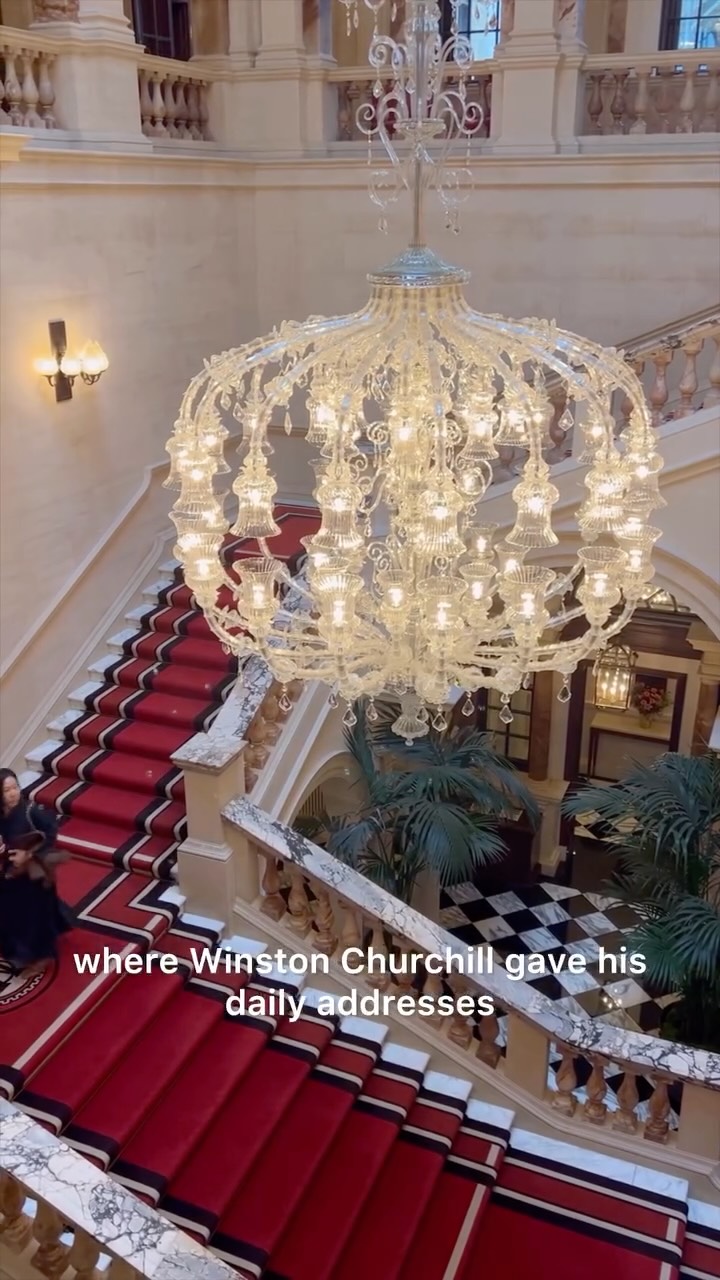
In the sophisticated confines of Ebisu, the Yebisu Garden Place illumination offers a restrained yet luxurious experience. The centrepiece is a magnificent Baccarat crystal chandelier, commissioned specifically for the display. Weighing over one tonne and standing several metres tall, it is composed of thousands of hand-cut crystals that catch and refract the surrounding light, creating a shimmering spectacle visible from across the plaza. The chandelier is suspended above the square as a permanent installation during the illumination period, serving as both a work of art and a symbol of elegance. Flanking the space, the surrounding trees are draped in warm, champagne-gold lights, establishing a refined atmosphere that contrasts with the high-energy mega-displays found elsewhere. This display emphasises classic European sophistication, favouring subtle grandeur over technological spectacle.
6. Shirakawa-go Winter Light-Up (Gifu Prefecture)
The Unesco World Heritage site of Shirakawa-go, famous for its traditional gassho-zukuri (praying hands construction) farmhouses, offers an extremely rare and unique winter illuminations experience. Held on only a handful of select evenings in January and February, the light bathes the snow-covered, thatched-roof village in a soft, ethereal glow. The event is heavily controlled to protect the historic atmosphere, with viewing often requiring a reservation or a stay at a local inn. The combination of deep snow, ancient architecture and gentle artificial light creates a scene of unparalleled serenity and beauty.
7. Midosuji Illumination (Osaka)
The city of Osaka’s main thoroughfare, Midosuji Avenue, becomes a continuous, four-kilometre-long spectacle of light. The Midosuji Illumination is characterised by the sheer length and consistency of its design, stretching from Umeda to Namba. The avenue’s ginkgo trees are wrapped in varying colours of LED lights—each block often designated a specific hue—creating a flowing ribbon of colour through the heart of the city’s business district. It transforms a functional urban space into a linear open-air gallery, demonstrating how large-scale light design can be integrated into the fabric of a major metropolis. This display is one of Osaka’s most celebrated winter illuminations, attracting residents and visitors alike each season.


Chonx Tibajia is a senior editor at Tatler Asia’s T-Labs team, where she writes widely on lifestyle subjects including beauty, style, entertainment and travel. She has a long career in journalism, including roles as a columnist at The Philippine Star, and is the founder of the creative platform Pineappleversed. Beyond Tatler, her bylines appear in regional lifestyle and business publications, showcasing a broad portfolio that spans beauty trends, travel guides and culture pieces.
Curated for you
The stories, profiles, and cultural moments featured on our Instagram feed