
1 / 1

The first time I met Colin Seah was in a nondescript international conference-style hotel in a second-tier Chinese city.
Seah, the founder and design director of celebrated design, interior and architectural firm, Ministry of Design (MOD), shared at the time that his business trip was almost like a holiday, since there was nothing of particular architectural significance in the hotel for him to take note of.
"I make it a point never to stay in design hotels though, unless I know there is one I will really like," he said.
To my own mind, architecture is a little like food: it is accessible; it is everywhere; and yet it offers so much variety in the way it reflects the history and culture of the people behind it. Indeed, architecture is one of the key aspects that make travel so enthralling.
Clearly, Seah can't get enough of architecture either. On a recent visit to New Zealand, the design guru and his colleagues made 11 stops across the country and they were all Bed & Breakfast establishments. "The entire time, we were living in someone else's home, so it wasn't even a design thing, but more about discovering what domesticity, warmth, shelter and home is about," he says.
" I loved every moment. A lot of it was appalling on numerous design levels, but it was just so comforting at the same time," he explains. "To me, architecture can never be as interesting as the life it supports. The best cities are about the people, not just the architecture, and what these people do with the architecture."
I tend to agree with Colin's view on a subconscious level. I have always loved the way that Europeans coexist in harmony with their old buildings, which seems in sharp contrast with what is happening in much of Asia, where demolition of old structures to make way for new ones seems to be the norm.
Fortunately, there are individuals like Colin working on what he calls "adaptive reuse" of historic buildings. MOD was responsible for the rejuvenation of the New Majestic Hotel in Singapore, and another recent project in Penang shows what is possible when you use a little imagination to revive old structures.
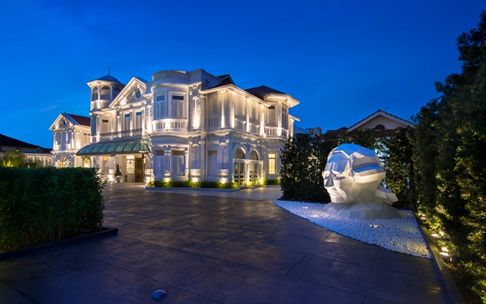
Situated in George Town, Macalister Mansion is an unusual hotel in that there are only eight guest rooms, while nearly 60 percent of the building is occupied by five F&B outlets, an anomaly in today's numbers-driven hospitality industry. Seah reveals that the idea behind the hotel's design was for guests to feel as though they were living in someone's mansion.
"People are blown away by how modern the hotel is; it's not just steel and glass, but also modern in its attitude," he says.


Clearly, preservation of architectural legacy doesn't have to be about freezing things in time; living with it, and adapting it to accommodate today's way of life.
As Seah so aptly puts it: "There's just something about giving new life to something old, and making it relevant again. History and culture isn't something that you can easily recreate."
Photos: Edward Hendricks





