
1 / 1
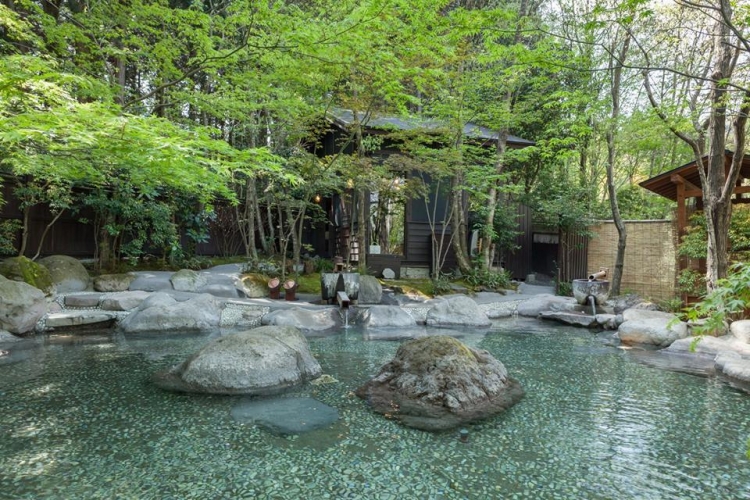
Embrace the springtime wholeheartedly at these places
Located deep in the southwestern islands of Japan, Kyushu is the third largest island and home to many natural hot springs, which has facilities for bathing in nutrient-rich water, mud and sand. Kyushu is also known to hold many traditional and historical sites made possible due to being the centre of civilisation in the early era.
Yet most travellers who visited Kyushu got limited time in hands and it is hard to see all of the wonders this beautiful island has to offers. With this in mind, we have compiled five springtime jaunts that you need to visit while you are in Kyushu.
Fukuoka
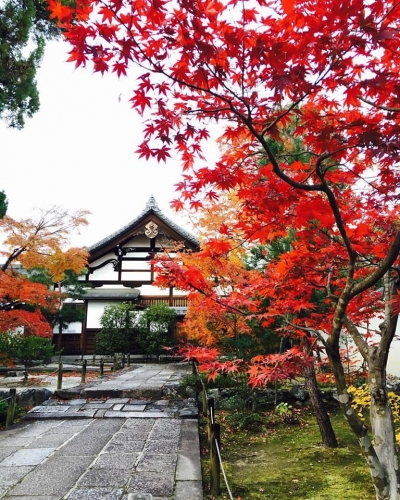
Fukuoka is the main city on the island (think of it as the more famous Tokyo) blending urban delights with traditional elements, which comes visible such as shrines and temples built around town. Travellers should visit Yanagibashi Market during springtime as some may be lucky enough to witness a tuna-cutting demonstration as fishmongers expertly cut up the large fish in a matter of minutes and then serve it unbelievable fresh.
Dazaifu
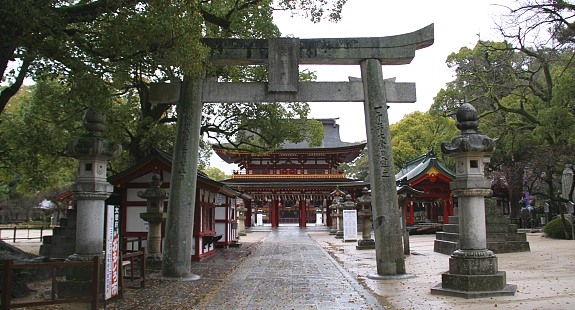
Travellers could also visit a more traditional town named Dazaifu about half an hour from the main city by train. Once there, a stopover at the Tenmangu Shrine, a place dedicated to the spirit of a famed scholar in Japanese history, is highly recommended. Dazaifu also houses a bevy of shops and stalls providing local produce.
Ureshino
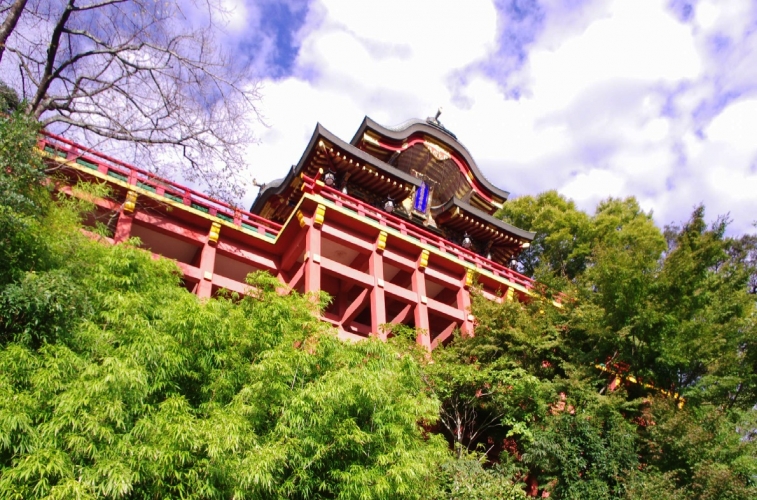
West of Fukuoka traveller will arrive in Ureshino, a small fishing village in Saga Prefecture. Climbing the many flights of steps is rewarded with an amazing view of the surrounding region, while on the top of the red temple is built into the hillside. However, Ureshino is most famously known for its green tea (said to beautify the skin) and its delicious boiled tofu stew, which is boiled in alkaline waters to produce a silky-smooth texture.
Kitakyushu
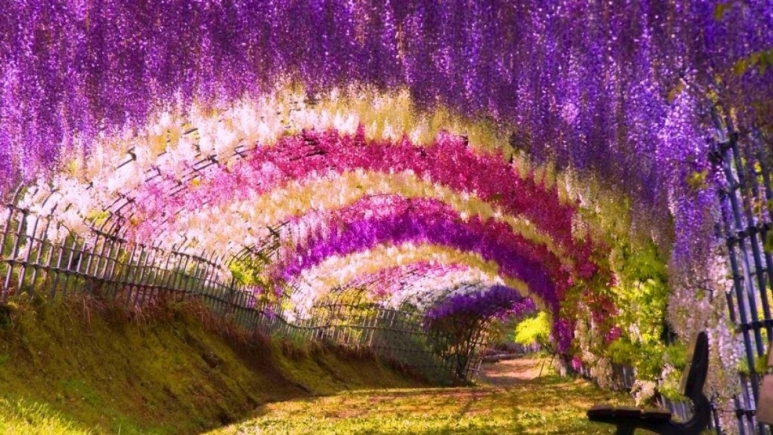
If one visit outside of the springtime months they can see the stunning cherry blossoms blooming in Kitakyushu, but if not then the wisterias will be in bloom. Both of these natural sites can be seen in the Kawachi Fujien Wisteria Gardens further in the city: a private garden, which is only open during from late April until early May, it filled with cascading flowers and picturesque images as can be seen as flocks of tourists come flocking down the site.
Sasaguri
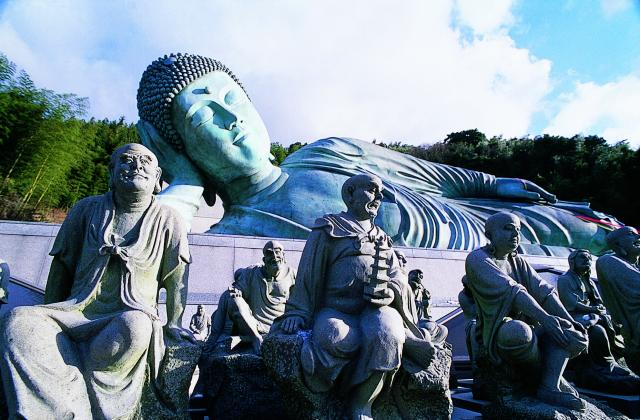
Before going back to Fukuoka, one should take a slight detour to the impressive bronze reclining Buddha statue situated in the Nanzoin Temple, Sasaguri. The largest Buddha of its kind in the world, the statue is said to capture the Buddha’s movement as he was able to find Nirvana. Tip: Fitting the whole thing into one photo might be less than a peaceful challenge, but one should definitely try!
(Text by Jamie Mackinnon & Photo credits: feel fukuoka japan, japan-guide, whentobewhere, thousandwonders and yokanavi)
Topics





