
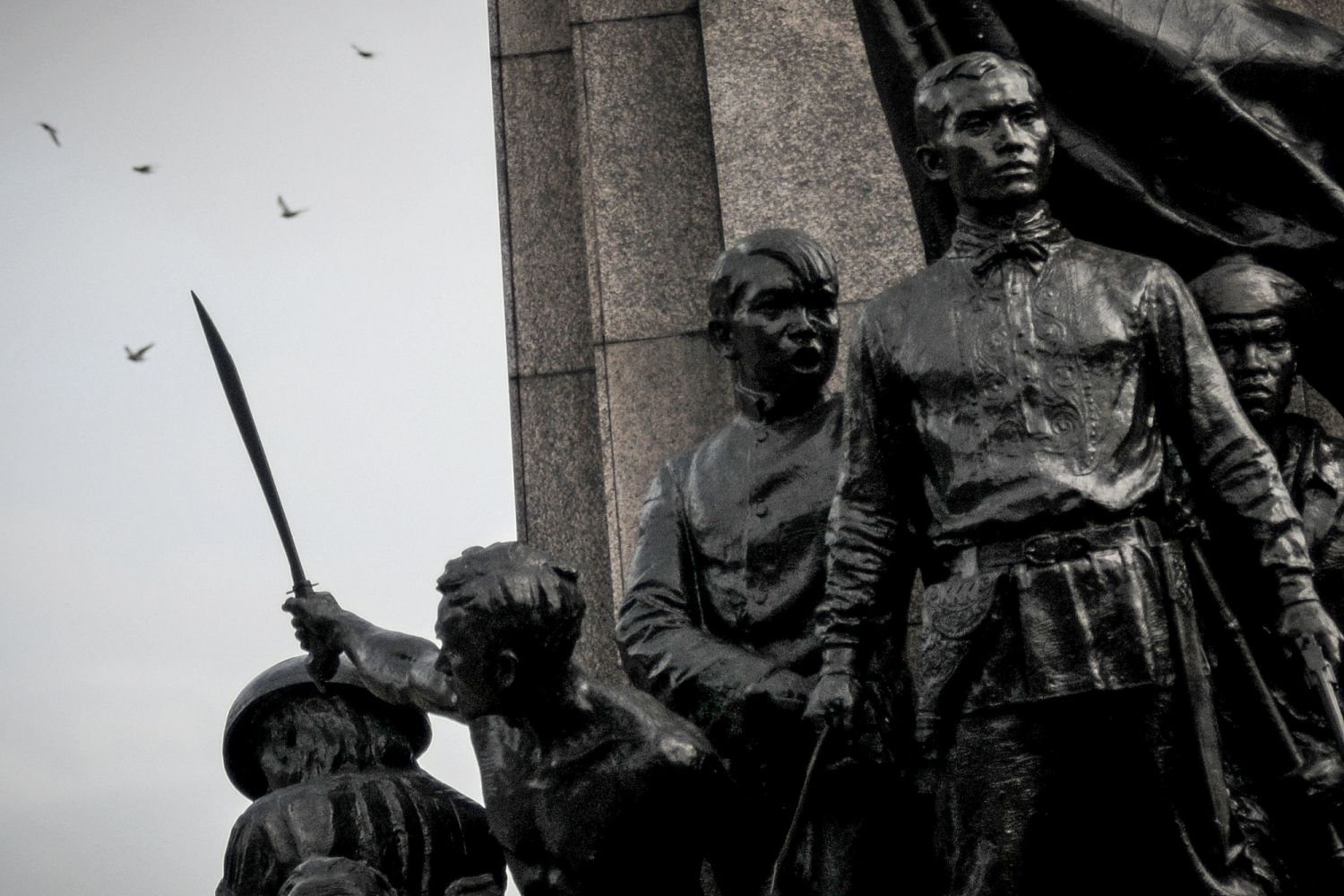
Cover Filipino nationalist and revolutionary Andres Bonifacio, one of the country’s beloved heroes (Photo: NurPhoto/Corbis via Getty Images)
Filipino nationalist and revolutionary Andres Bonifacio, one of the country’s beloved heroes (Photo: NurPhoto/Corbis via Getty Images)
1 / 1
Spend some time familiarising yourself with some of our country’s proudest and bravest! Here are the best museums to visit to learn more about our heroes
We owe plenty to their bravery and enjoy many of the freedoms we have today because of the sacrifices they made. These are the Filipinos who stood up for their country, fought for what they believed in and helped shape the course of our history. Their stories live on through the places built to honour their lives, struggles and contributions.
This National Heroes Day, take the opportunity to revisit these stories and learn more about the people behind them. From museums and memorials to historic homes and shrines, these sites offer a closer look at some of the country’s most valiant heroes and the legacies they left behind. Whether you are a history buff or simply looking to understand the past, these places are worth a visit.
Museo ni Jose Rizal
It’s no surprise that our national hero, Jose Rizal, has multiple museums and monuments dedicated to his life. Some of these include the ones in Calamba, Dapitan, and Fort Santiago. Each of these locations was an important setting for events in the writer’s life, and each museum is a testament to his milestones. In Calamba, the Museo ni Jose Rizal is an incredible replica of the hero's two-storey childhood home. Complete with a red tile roof and a library, dining room, kitchen and balcony, the museum also houses a sizeable collection of Rizal’s memorabilia and interactive exhibits.
Meanwhile, the museum in Dapitan is a commemoration of Rizal’s many contributions to the locale (which include a school, dormitory and clinic). Here, visitors can find personal memorabilia of Rizal and handwritten correspondence he had sent to friends and family. Lastly, the Fort Santiago museum, which is arguably the most well-known in Manila. This historical site pays tribute to Rizal’s final days and his life’s achievements. Here, one can walk through multiple galleries and audio-visual rooms that present some of Rizal’s last works, including the poem Mi Ultimo Adios and Rizal’s valedictory speech.
Museums dedicated to Jose Rizal are located in Calamba, Laguna, Dapitan, Zamboanga del Norte and Manila, Metro Manila
Museo ng Katipunan
Located in the heart of San Juan, the Museo ng Katipunan is located in an unassuming brick building right next to the Pinaglabanan Memorial Shrine. An ode to the Katipunero’s Supremo, Andres Bonifacio, this historical site narrates events in the hero’s life: from the first battle of the Philippine Revolution in San Juan, all the way to Bonifacio’s death after the Tejeros Convention. Visitors are also introduced to Oriang, Bonfacio’s beloved, in the museum.
Large-scale artworks, busts, paintings and newly installed dioramas are proudly on display for all to learn from. Interactive exhibits also make it a great destination for schoolchildren. But perhaps the best part of the entire museum is its focus on inclusion. There are multiple tactile exhibits and signs in braille so that visually impaired guests may also partake in local history.
The Museo ng Katipunan is located in San Juan City, Metro Manila
Museo ni Apolinario Mabini
Known as the brains of the revolution, Apolinario Mabini is among the most intellectual of our country’s heroes. Due to his poor health, Mabini contributed mostly through his writings and insights. He helped to organise the structures under Emilio Aguinaldo’s revolutionary government through various policies and decrees.
Today, his shrine is forever commemorated at his museum in Tanauan (his birthplace). The shrine itself was designed by National Artist for Architecture, Juan F Nakpil and was inaugurated in 1956. Not only are Mabini’s remains located within these grounds, but a replica of his childhood home is also open for visitors to see.
The Museo ni Apolinario Mabini is located in Tanauan, Batangas
Museo nina Juan at Antonio Luna
The brave Luna brothers are forever commemorated in their museum in Badoc, Ilocos Norte, where Juan (the older of the two) was born. Though a fire had damaged the Luna household, it has since been restored under government decree and has now been turned into a beautiful museum and a picturesque tourist site. Here, visitors can find personal memorabilia from the family, including the clothes they wore and items from their personal life. Their narratives are also explained through multiple exhibits and paintings around the site.
The Museo nina Juan at Antonio Luna is located in Badoc, Ilocos Norte
Museo ni Manuel Quezon
Some may not realise that the imposing shrine located in Quezon Memorial Circle also holds a museum dedicated to its namesake. The former president’s remains can also be found within the shrine designed by Federico Ilustre, which houses multiple items that detail his personal and political life. Open to all, the museum holds items such as Quezon’s walking stick and hat, as well as personal letters written by him to friends and family. Enjoy a picnic in the adjacent park afterwards for a truly enjoyable day out!
The Museo ni Manuel Quezon is located in Quezon City, Metro Manila
Museo ni Ramon Magsaysay
A tribute to one of the Philippines’ most inspiring leaders, the Museo ni Ramon Magsaysay is an incredible monument to some of the late president’s most well-known reforms. Though he tragically died after only three years as president, Magsaysay had obviously made an impact on the Filipino people. Today, his museum, located in Castillejos, commemorates his legacy through three galleries: the first being about his personal life, the second about his family, and the third about his death and achievements. Located in his former home (and painted in a striking shade of teal), the museum houses such artefacts as his shoes and barongs as well as his personal photos and letters. Setups of his office and visiting room are also open to the public.
The Museo ni Ramon Magsaysay is located in Castillejos, Zambales
Museo ni Jesse Robredo
There is no doubt that the Robredo family has impacted—and continues to impact and inspire—the Philippine political landscape. The patriarch of the family even has his own museum in the city of Naga. Much like the former president Ramon Magsaysay, Jesse Robredo had died in a tragic plane crash. Though his life had been cut short, it was obvious that his impact—on his community and his family—is very much alive. His museum consists of four galleries filled with personal items, informative displays and interactive exhibits that introduce visitors to the legacy of the man himself.
The Museo ni Jesse Robredo is located in Naga City, Camarines Sur
NOW READ
5 Tips When Donating To Charities in the Philippines
Leni Robredo: Philippine Vice President Mounts an Unprecedented Campaign
Weaving Patterns in the Philippines: Heritage, Design, and Their Meanings





