Cover Find out how K-dramas about female realities reveal the truth about womanhood (Photo: IMDB)
Find out how K-dramas about female realities reveal the truth about womanhood (Photo: IMDB)
1 / 1
From beauty standards and workplace fatigue to motherhood, class and quiet survival, these K-dramas about female realities document womanhood as it is lived, not idealised
For all its reputation for fantasy, fate and first-love mythology, the most quietly radical strain of K-drama has always been realism, particularly when it comes to women’s lives.
Long before “female-led” became a marketing category, certain dramas were already documenting the invisible taxes women pay: for beauty, for competence, for motherhood, for emotional grace. These K-dramas about female realities don’t announce themselves as manifestos. Instead, they observe. They linger in office hallways, commuter buses and hospital rooms, tracing how gendered expectations accumulate over time rather than explode in a single moment.
In honour of Women’s Month, here are K-dramas about female realities that stand out not because they flatter womanhood, but because they tell the truth about it precisely, patiently and without spectacle.
In case you missed it: Steel, silk and strategy: the most powerful female K-drama characters
1. ‘Mask Girl’ (2023)
Above A woman deemed invisible by society reinvents herself online, only to discover that visibility comes with its own brutal consequences
Mask Girl is structured like a psychological relay race, passing its central trauma through different women across decades. Kim Mo-mi, played in stages by Lee Han-byul, Nana and Ko Hyun-jung, is never allowed to exist as a whole person—only as a face, a body or a scandal. The drama observes how her anonymity as a masked Internet performer grants her temporary power, while her unmasked life remains subject to relentless scrutiny. Violence arrives not as shock but as inevitability, shaped by years of humiliation framed as normal social feedback. Even secondary female characters are trapped in cycles of appearance-based judgment, revealing how beauty standards function less as preference and more as enforcement. The series doesn’t argue that society objectifies women—it shows how casually and continuously it does.
2. ‘Kill Heel’ (2022)
Above Three women navigate ambition, ageing and visibility in an industry that treats youth as currency
Kill Heel situates its drama in the fluorescent, hyper-controlled world of home shopping, where female hosts are both salespeople and products. Woo Hyun (Kim Ha-neul) is competent to the point of invisibility, while younger women are rewarded for novelty rather than skill. The camera lingers on rehearsal rooms, countdown clocks and post-broadcast evaluations, showing how performance never truly ends. Ageing is never named as discrimination, but its effects are measurable—in airtime, tone and opportunity. Rivalry here isn’t personal; it’s structural, produced by scarcity engineered from above. What emerges is a portrait of professional survival where talent alone is insufficient without visual compliance.
3. ‘Birthcare Centre’ (2020)
Above A group of new mothers confront the physical and emotional aftermath of childbirth inside a luxury postpartum facility
Birthcare Centre opens after the “happy ending” most dramas stop at. Oh Hyun-jin, played by Uhm Ji-won, enters motherhood at the peak of her career, only to find her body and authority suddenly destabilised. The series documents breastfeeding struggles, surgical pain and identity loss with near-documentary patience. Conversations between women unfold in whispers and exhaustion, revealing how little preparation society offers for this phase of life. Even wealth fails to insulate them from shame or doubt. The drama’s realism lies in its refusal to romanticise maternal sacrifice.
4. ‘Search: WWW’ (2019)
Above Three women at the top of Korea’s tech industry fight for power while navigating scrutiny that extends far beyond their work
Search: WWW treats professional success as a negotiation rather than a destination. Bae Ta-mi, played by Im Soo-jung, is evaluated as much for her personal relationships as for her algorithms. Boardroom scenes reveal how authority is constantly tested through insinuation rather than confrontation. The drama contrasts male ambition, which is framed as natural, with female ambition, which must be justified. Romantic subplots don’t derail the story: they expose how women are asked to choose coherence over complexity.
5. ‘Little Women’ (2022)
Above Three sisters entangled in a financial conspiracy discover how poverty reshapes morality and choice
Little Women reframes economic precarity as an inherited condition. Oh In-joo (Kim Go-eun) isn’t reckless—she’s exhausted by scarcity. Money appears not as greed but as oxygen, something constantly rationed. The drama observes how wealth grants women privacy, while poverty exposes every decision to judgment. Sisterhood becomes both refuge and pressure, as survival for one risks collapse for another. The series never moralises—it documents the cost of being poor in a society that equates virtue with solvency.
6. ‘My Liberation Notes’ (2022)
Above Ordinary women confront emotional stagnation in a life defined by routine, restraint and unspoken obligation
My Liberation Notes unfolds at the pace of a commute. Yeom Mi-jeong, played by Kim Ji-won, performs politeness as labour, not temperament. Office interactions are less hostile than draining, marked by constant emotional calibration. The drama treats exhaustion as cumulative, built from years of small compromises. Silence becomes a recurring motif—not as peace, but as containment. This series validates fatigue without offering easy transcendence.
7. ‘When the Camellia Blooms’ (2019)
Above A single mother faces community judgment while building a life on her own terms
When the Camellia Blooms situates its tension in gossip rather than scandal. Dong-baek (Gong Hyo-jin) is never openly attacked—she’s quietly excluded. The drama documents how judgment travels through glances, rumours and civic concern disguised as morality. Motherhood is shown as both shield and vulnerability. Even love must pass through public approval. The series captures how resilience often looks like endurance rather than triumph.
8. ‘The Glory’ (2022–2023)
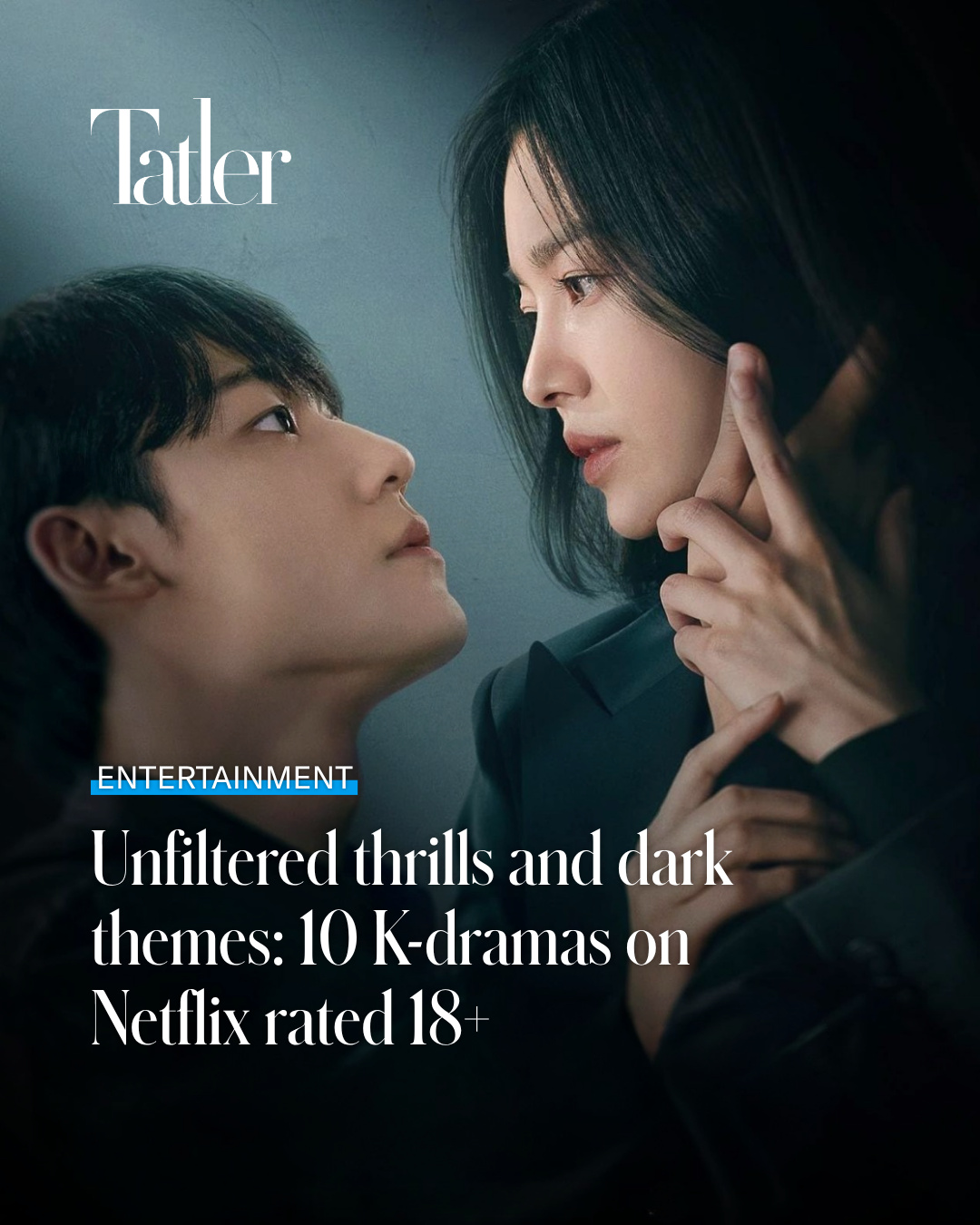
Above A woman systematically confronts the lifelong consequences of school violence rooted in class and gender
The Glory frames trauma as unfinished business. Moon Dong-eun (Song Hye-kyo) lives with scars that shape every adult decision. Institutions—schools, police, families—appear not as villains but as absences. The drama shows how violence persists when it’s never named. Revenge becomes less about punishment than acknowledgement. Who else has refused closure without accountability?
See more: 12 K-dramas where the leading lady does all the saving
9. ‘Queen of Tears’ (2024)
Above A high-powered heiress navigates marriage, illness and corporate identity under public scrutiny
It may be a love story, but it is hard not to overlook the struggles of the female lead in this drama. Queen of Tears presents Hong Hae-in, portrayed by Kim Ji-won, as emotionally constrained by success. Her authority in the boardroom does not translate to privacy at home. Illness is treated not just as vulnerability but as reputational risk. The drama observes how strength becomes mandatory for women in power. Even love is mediated by optics. How little room she has to fall apart as a successful woman is all too real.
10. ‘Work Later, Drink Now’ (2021–2023)
Above Three women navigate friendship, burnout and adulthood through alcohol-fueled honesty
Work Later Drink Now uses humour as access rather than escape. Conversations that begin as jokes reveal financial anxiety, romantic disappointment and professional stagnation. The women are not archetypes but contradictions—ambitious yet tired, cynical yet hopeful. Drinking functions as a social equaliser, temporarily suspending expectation. The realism lies in how friendship absorbs pressure that the workplace refuses to acknowledge. It’s candid without being indulgent.
11. ‘39’ (2022)
Above Three lifelong friends confront ageing, illness and unfinished dreams on the brink of 40
You cannot list K-dramas about female realities without mentioning this underrated gem. Time presses unevenly on the women of 39, turning ordinary moments into quiet reckonings. Cha Mi-jo (Son Ye-jin) appears outwardly secure—a successful dermatologist with emotional fluency—yet the drama carefully shows how stability can mask deferred grief.
Jeong Chan-young and Jang Joo-hee function not as supporting characters but as alternate life paths, each embodying compromises made for love, practicality or fear. Illness does not arrive as narrative shock but as a slow rearrangement of priorities, forcing the women to articulate feelings they’ve long postponed. The drama resists inspirational framing, instead observing how friendship becomes both anchor and mirror. What lingers is not loss itself, but the recalibration of what still feels possible at 40.
12. ‘The Agency’ (2023)
Above A female executive climbs to the top of an advertising firm where power is gendered and conditional
Go Ah-in (Lee Bo-young) navigates an office culture where authority is granted provisionally, then revoked the moment it becomes inconvenient. The series spends considerable time on internal politics—hallway conversations, sudden meeting reshuffles, strategic silences—revealing how exclusion often masquerades as professionalism. Ah-in’s ascent is not framed as a personal triumph but as an institutional anomaly, constantly questioned by peers and superiors alike. Even mentorship is depicted as transactional, underscoring how women are rarely groomed for power without strings attached. The drama also tracks the emotional toll of leadership, where solitude becomes the cost of credibility.
13. ‘When Life Gives You Tangerines’ (2025)
Above A woman’s quiet life on Jeju becomes a meditation on endurance, care and inherited responsibility
Set against Jeju’s deceptively serene landscape, the drama observes how routine sustains—and confines—Ae-soon (IU). Her days are shaped less by choice than by continuity, as caregiving and labour pass down through generations without formal acknowledgement. The narrative lingers on gestures rather than dialogue: meals prepared, chores repeated, emotions deferred. Relationships are defined by obligation as much as affection, revealing how love often operates through duty rather than declaration. Economic precarity hums beneath the pastoral calm, grounding the story in material reality. The drama’s power lies in its refusal to frame perseverance as heroism. It is simply part of life.
14. ‘A Virtuous Business’ (2023)
Above A sharp, deceptively gentle drama about women who monetise intimacy in a society that insists on moral purity while quietly profiting from their silence
Set in the conservative outskirts of Seoul, A Virtuous Business follows four middle-aged women who enter the adult retail business not out of rebellion, but economic necessity. The protagonists navigate debt, divorce, caregiving and professional obsolescence—conditions that make moral outrage a luxury they cannot afford. The series carefully observes how female labour is deemed respectable only when it is invisible, unpaid or framed as sacrifice.
What makes the drama quietly radical is its refusal to sensationalise sex; instead, it documents the emotional logistics of selling something society insists women shouldn’t even acknowledge possessing. Judgment comes not from the narrative, but from neighbours, institutions and polite society—revealing how virtue is often a weapon wielded downward. The show captures a rarely dramatised truth: for many women, survival requires negotiating shame long before dignity is ever on the table.


Sasha Lim Uy Mariposa is a lifestyle journalist who is known for her food writing. Based in Manila and currently a marketing content specialist, she still dabbles in entertainment, beauty and dining coverage. She was the former managing editor of Esquire Philippines and was the food editor at SPOT.ph. She also edited several best-selling books about food.
She now writes for the different Tatler Asia markets as a contributing writer for T-Labs.
Curated for you
The stories, profiles, and cultural moments featured on our Instagram feed