Cover ‘Our Beloved Summer’, which offers a gentle introduction to an illustrator’s life, is among the most watchable K-dramas set in the creative industry (Photo: IMDB)
‘Our Beloved Summer’, which offers a gentle introduction to an illustrator’s life, is among the most watchable K-dramas set in the creative industry (Photo: IMDB)
1 / 1
Set in fashion houses, architecture studios, art schools and museums, these K-dramas treat design not as background, but as an essential element to the story
K-dramas have always understood beauty, but only a handful truly understand the design industry—the long hours, the bad drafts, the client notes that ruin everything, the quiet thrill of getting something right. In these shows, creativity isn’t just a personality trait or a styling choice. It’s a job, and it comes with deadlines, commercial pressure, ego, hierarchy and the uncomfortable truth that taste alone is never enough.
What makes the dramas below endure is not that they glamorise creative work, but that they linger on the mechanics: fittings that go wrong, renderings that never quite match the vision, galleries that must survive on branding as much as belief. These are stories where art is shaped by money, time and relationships, where aesthetics are inseparable from power. And they are also a collective portrait of Korean creativity.
In case you missed it: 9 K-dramas about money, power and corporate warfare (that make “office politics” look like child’s play)
‘Now, We Are Breaking Up’ (2021)
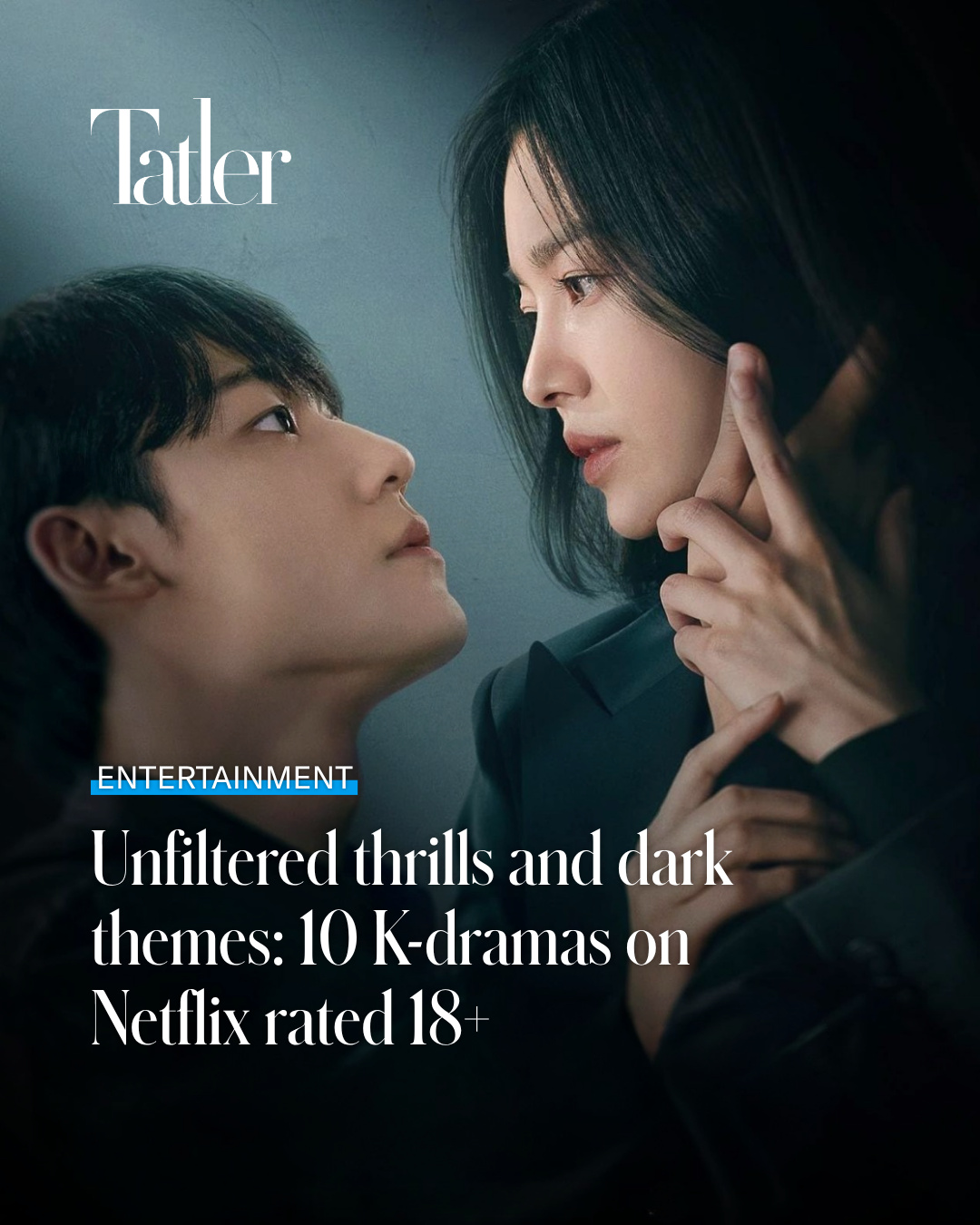
Above ‘Now, We Are Breaking Up’ is a fashion drama that treats design as management, compromise and endurance—not fantasy
As a team leader at a major fashion label, Han Young-eun (Song Hye-kyo) is not introduced as a fashion fantasy; she is introduced mid-crisis, juggling fabric shortages, production schedules and executives who want something trend-proof by next Tuesday. Her days revolve around seasonal launches, overseas sourcing calls and last-minute revisions that quietly undo weeks of work. Meetings are rarely about inspiration and often about margins, logistics and whether a silhouette can survive mass production. Even the romance at the centre of Now, We Are Breaking Up unfolds in the margins of fittings and late nights at the office, shaped by exhaustion rather than grand gestures. Fashion in this K-drama is less about runway theatrics and more about the invisible discipline required to make creativity commercially viable.
‘Search: WWW’ (2019)
Above ‘Search: WWW’ is a corporate drama that treats UI and branding as instruments of power
Bae Ta-mi (Im Soo-jung) and Cha Hyeon (Lee Da-hee) operate in a world where power is exercised through interfaces, algorithms and branding decisions. In Search: WWW, meetings revolve around colour schemes, layout logic and user behaviour—small choices that shape how millions interact with information. The visual identity of a portal becomes a battleground for ethics and influence. Design is invisible, but its consequences are not. This is one of the first K-dramas to showcase design in the digital age.
‘Dali and the Cocky Prince’ (2021)
Above The museum drama ‘Dali and the Cocky Prince’ understands culture as both belief and business
In Dali and the Cocky Prince, Kim Dal-li (Park Gyu-young) inherits an art museum on the brink of collapse, navigating donors, exhibitions and branding strategies to keep it alive. Board meetings clash with curatorial ideals; exhibitions must draw crowds without diluting meaning. The drama shows how art institutions survive through compromise as much as conviction. Curation becomes a form of negotiation. Deeper than your usual series, here, art does not exist outside economics; it adapts within it.
‘Perfume’ (2019)
Above ‘Perfume’ is a fantasy that grounds itself in the unforgiving realities of the atelier
Seo Yi-do (Shin Sung-rok) is a celebrated fashion designer whose reputation is built on perfectionism that borders on cruelty. The atelier scenes in Perfume are meticulous: sketches discarded, muslins pinned and repinned, assistants bracing for his temper.
Min Jae-hee (Ha Jae-sook), transformed into a younger version of herself (Go Won-hee), enters this world not as a muse but as a body shaped by fittings, measurements, and relentless critique. The drama repeatedly returns to the workroom, where inspiration must survive pressure, time, and human frailty. Yes, Perfume is one of those glossy K-dramas, but beneath the sheen, it shows that fashion brilliance often coexists with obsession; and that creation can be both transformative and punishing.
‘Nevertheless’ (2021)
Above Moody and honest, ’Nevertheless’ looks at art as physical and emotional work
In Nevertheless, Yoo Na-bi (Han So-hee) studies sculpture, spending long hours welding, sanding and assembling metal forms that resist easy interpretation. Studio scenes linger on process: burns, failures, revisions and critiques that cut deeper than romance ever does. Art school is depicted not as bohemian fantasy but as emotionally taxing labour. Creation becomes entangled with vulnerability. Nevertheless is compelling in how it shows that art is often as uncomfortable as it is expressive.
See more: K-dramas to leave you hungry: 14 best food-centric Korean series
‘The Fabulous’ (2022)
Above The fashion industry ensemble ‘The Fabulous’ understands how style is built collectively—and precariously
Pyo Ji-eun (Chae Soo-bin), Ji Woo-min (Choi Min-ho), Joseph (Lee Sang-woon) and Ye Seon-ho (Park Hee-jung) orbit the same industry from different angles: design, photography, PR and modelling. The Fabulous moves fluidly between backstage chaos, campaign shoots and brand launches, showing how “the look” is rarely the work of a single visionary. One episode might hinge on a delayed shipment; another on a shoot derailed by weather, egos or social media timing. The friendships strain under career disappointments that feel small individually but accumulate with real weight.
‘Monthly Magazine Home’ (2021)
Above The lifestyle drama ‘Monthly Magazine Home’ understands how homes become objects of aspiration
Na Young-won (Jung So-min) works at a lifestyle magazine where homes are curated, photographed and framed into aspiration. Each episode of Monthly Magazine Home introduces a new space—minimalist apartments, restored hanok, impractical dream houses—along with the editorial decisions that shape how they are presented. The drama exposes the gap between living in a home and selling its image, showing how design is sometimes narrative, not truth. It might lack a Miranda Priestly character with a memorable monologue, but it does for architecture and interior design what countless movies and shows set in fashion magazines did for the industry.
‘Our Beloved Summer’ (2021)
Above ‘Our Beloved Summer’ is a gentle portrait of creativity built on observation, not spectacle
In Our Beloved Summer, Choi Woong (Choi Woo-shik) earns his living drawing buildings, quietly observing their textures, proportions and emotional presence. His process as an illustrator is slow and solitary, often unfolding in silence as he redraws the same structure until it feels honest. The drama repeatedly returns to his sketchbook, where line weight and omission matter as much as detail. Art here is introspective, shaped by patience rather than ambition.
‘Cinderella with Four Knights’ (2016)
Above The rom-com ‘Cinderella with Four Knights’ gives a realistic insight into creative ambitions
Eun Ha-won (Park So-dam) dreams of becoming a fashion designer long before romance enters the frame. Her aspirations are shaped by internships, sketchbooks and moments of quiet self-doubt rather than instant success. When she brushes against the professional world, it’s clear how far passion alone can carry someone—and where it cannot. In Cinderella with Four Knights, design is a long game, unfolding slowly alongside financial constraint and social hierarchy. The hard truth in this K-drama is that creative ambition often survives in fragments, sustained through persistence rather than big opportunities.
‘Personal Taste’ (2010)
Above ‘Personal Taste’ is a design drama where a house carries as much emotional weight as its inhabitants
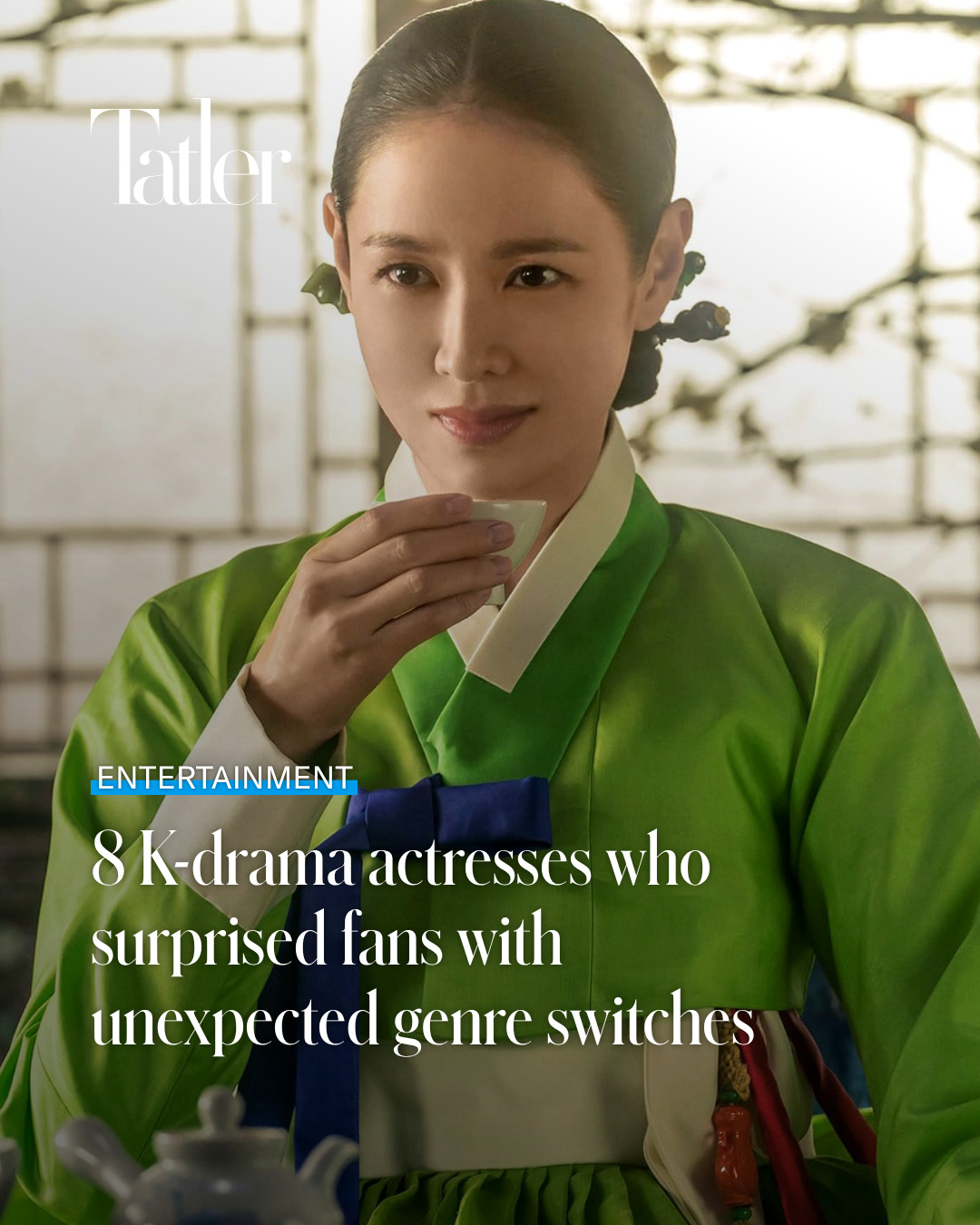
In Personal Taste, Jeon Jin-ho (Lee Min-ho), an architect desperate for a breakthrough, moves into Sang Go-jae, a meticulously designed hanok owned by Park Gae-in (Son Ye-jin). The house is not just a setting; it is a living archive of Korean design philosophy, dictating movement, light and privacy. Jin-ho studies its proportions, circulation and philosophy to win a major project, while Gae-in grapples with preserving heritage amid modern pressures. Their relationship unfolds through shared spaces rather than declarations.


Sasha Lim Uy Mariposa is a lifestyle journalist who is known for her food writing. Based in Manila and currently a marketing content specialist, she still dabbles in entertainment, beauty and dining coverage. She was the former managing editor of Esquire Philippines and was the food editor at SPOT.ph. She also edited several best-selling books about food.
She now writes for the different Tatler Asia markets as a contributing writer for T-Labs.
Curated for you
The stories, profiles, and cultural moments featured on our Instagram feed