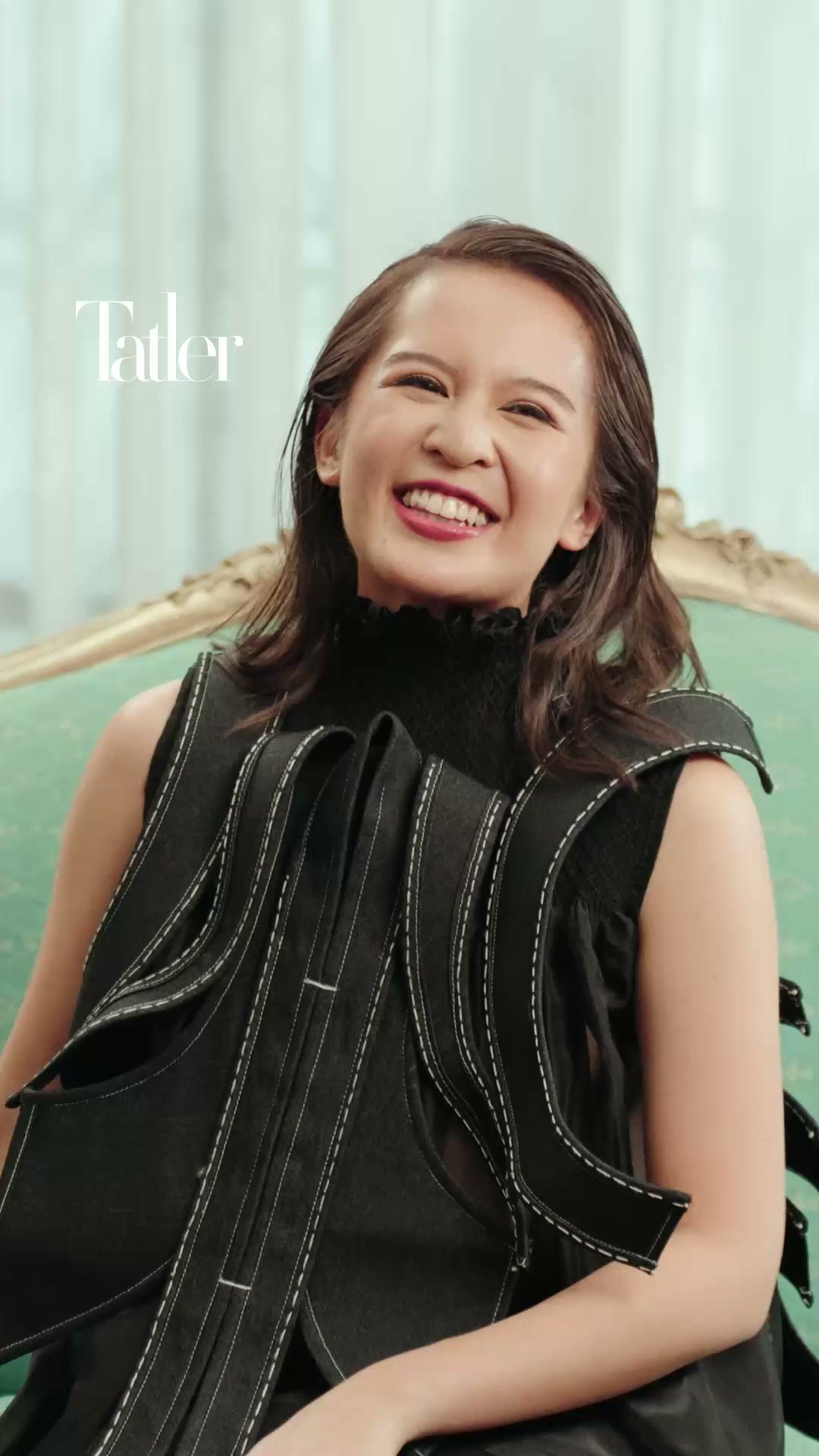
Cover Today, we highlight four of the eight “virgin” playwrights showcasing their works at this year’s Virgin Labfest (VLF)
Today, we highlight four of the eight “virgin” playwrights showcasing their works at this year’s Virgin Labfest (VLF)
1 / 1
Four debutant dramatists are challenging and captivating audiences as the 21st Virgin Labfest (VLF XXI) strips away pretence under its fearless new theme, “Hubo’t Hubad”
The process of translating the intricate language of the human soul into theatre is a gruelling task, often demanding immense dedication, blood, sweat and tears from creators wishing to execute their long-held visions. Since its establishment in 2005, the Virgin Labfest (VLF) has served as the country’s pioneering festival for untried, untested and unstaged one-act plays, turning these ambitious daydreams into reality.
Carrying the theme “Hubo’t Hubad” for its 21st edition, the festival transforms into a sanctuary for narratives that unwrap humanity’s innate hunger to be desired, seen and celebrated. This year, the VLF mainstage welcomes a fresh cohort of first-time or “virgin” playwrights. Today, we’ll highlight Elijah Felice Rosales, Alab Usman, Ron Evangelista and Gab Mactal, who are prepared to present the raw and unbridled truths of the human experience.
Read more: Virgin Labfest (VLF) XXI bares the human soul with 12 provocative works


Above Check here the schedule of VLF XXI
Check here the schedule of VLF XXI
1 / 1
For these debutants, bringing their scripts to life involved navigating intense emotional and creative hurdles.
Gab Mactal, a Theatre Arts student whose writing journey began in the seventh grade, admitted that her first love is writing for the stage. While drafting her play, Lualhati, she hit a major roadblock when she could not figure out its conclusion. At a low point, she visited the St Aloysius Gonzaga Chapel at Ateneo de Manila University, where a random girl unexpectedly hugged her, prompting Mactal to surrender to the uncertainty of her process. Mactal originally wrote the script during the COVID-19 pandemic, entirely unaware that it would eventually find a home on the VLF stage.

Above Alab Usman
Alab Usman
1 / 1
Media and philosophy teacher Ron Evangelista experienced a similar rough patch while drafting She’s Electric. Having felt a lack of catharsis when writing academic papers, Evangelista turned to fiction and theatre, discovering a profound sense of freedom in scriptwriting.
Meanwhile, full-time freelance artist Alab Usman chuckled as he recalled going through 12 drafts for his play, Haram. Drawing on his college thesis, Haram began without a formal writing background, which forced him to start with character sketches of his protagonists inspired by real-world struggles he encountered online.
Read more: National Artist Ricky Lee on the power of storytelling

Above Gab Mactal
Gab Mactal
1 / 1
Journalist Elijah Felice Rosales, who has worked in news media for nearly a decade, found the transition to playwriting for Human Rights Story of the Year an isolating experience. He lamented that, despite theatre being a collaborative medium watched by hundreds simultaneously, the actual writing process remains a lonely act that requires finding fellow artists who believe in the same vision.
Each of the four plays explores complex facets of identity, morality and acceptance. Rosales’s Human Rights Story of the Year captures the internal ethical dilemmas faced by media practitioners. The plot follows a reporter who is about to receive an international award, only for a former colleague at her farewell party to declare that she does not deserve the recognition. Rosales notes that the piece examines situations in which right and wrong pull against each other, asking whether the marginalised benefit from having their stories broadcast or whether it merely serves the media.

Above Elijah Felice Rosales
Elijah Felice Rosales
1 / 1
In She’s Electric, Evangelista weaves an absurd circumstance born out of a personal depressive episode. The play follows a former womaniser who meets the love of his life, but an unexpected discovery by his friends prompts an insightful discussion on the sexual and philosophical nature of relationships. Evangelista explained that the narrative reflects his own fears of finding someone who could accept him for his perceived eccentricities, emphasising that everyone ultimately wants to be understood.
Mactal’s Lualhati serves as an invitation for older queer generations to reconcile with their upbringings. Set on the final night of a wake held at the Our Lady of the Gate of Dawn convent, a former nun-turned-philosophy professor and another figure meet again, prompting memories of faith and romance to resurface. Mactal dedicates her work to individuals who feel compelled to box their identities into societal conventions, specifically highlighting the religious guilt tied to the belief that nonconformity is an anomaly.

Above Ron Evangelista
Ron Evangelista
1 / 1
Usman’s Haram emphasises kindness as the foundational core of all religions. The play follows three queer Muslims struggling to manage faith and love across borders and barriers. Usman, who grew up in Zamboanga City, acknowledged the heartbreaking disparity regarding acceptance between the city and his hometown, stating that while coming out is a shared experience, many of his friends in the province remain hidden to this day.
Stepping onto the VLF stage marks a monumental milestone for each writer. Usman served as the dramaturg for Neil Arkhe Azcuna’s Si Hesus Na’a Sa US during VLF 2024, and now shares the festival stage as a fellow playwright. He values the platform as an essential medium for showcasing Islamic culture and religion, providing much-needed space for underrepresented voices.
Rosales, an avid audience member since 2013 and a graduate of the festival’s Writing Fellowship Programme in 2023, expressed immense joy at being part of the mainstage lineup. He credited the festival’s rigorous discipline and constructive criticism with refining his work, noting that while writers love their characters, critique is vital.
As a complete outsider to theatre, Evangelista was deeply moved by the collective passion involved in mounting a production. He recalled being moved to tears during the first full run of She’s Electric, realising his deep love for the craft. Mactal echoed this sentiment, describing the festival as an experience that undresses the work and forces writers to be completely bare before their keyboards.
The festival continues to run at the Tanghalang Ignacio Gimenez until June 28.
NOW READ
Is the Philippine Theatre scene ready for ‘Ang Babae sa Septic Tank’?
Star-studded cast unveiled for ‘Bongga Ka, ’Day!: The Annie Batungbakal Musical’

Franz writes about the local cultural scene and rediscovering the country’s storied past and rich heritage. He earned his bachelor’s degree in Journalism from the University of Santo Tomas and is currently pursuing a master's degree in Art Studies at the University of the Philippines Diliman. Besides working on this luxury lifestyle magazine, Franz is an avid book reader, local traveller, museum-goer, chorister, and community theatre playwright. But above all this, this Aether main spends more time in Teyvat than anywhere else.
Curated for you
Discover the stories and updates featured on our Instagram page