1 / 1
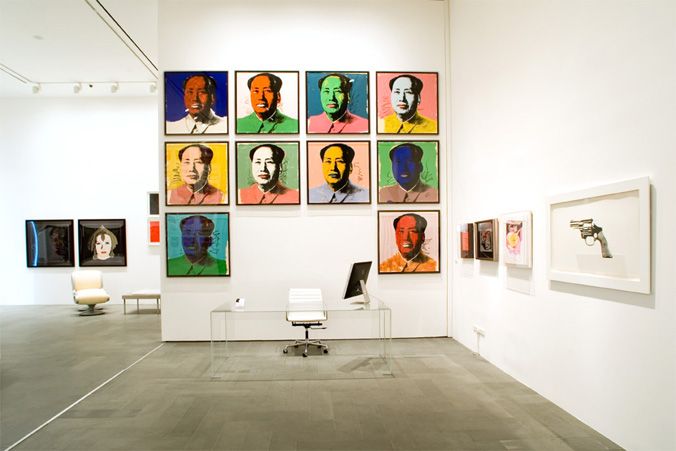
Protecting the artworks in a home or collection is an essential but often overlooked factor for many local art buyers. Find out more about the technicalities involved and things to look out for when deciding on the right policy for your art.
In 2006 casino owner and art collector, Steve Wynn, accidentally put his elbow through one of his exceptionally valuable possessions – a painting by Pablo Picasso entitled Le Rêve. The infamous incident took place the day after Wynn agreed to sell the painting to collector Steven Cohen for US$139 million.

While the majority of art enthusiasts and collectors may not necessarily be in possession of a multi-million dollar painting, many may find the experience of restoring or replacing a beloved damaged artwork, a painful, time-consuming and costly exercise.
This is where insurance becomes a key factor in the ownership of art and the care of a collection. Artworks have financial value, but also, and arguably most importantly, personal and emotional value for a collector. Why and how should such objects, characterised by rarity, fragility and exceptionality be insured?

Breaking It Down
Paul Le Boutillier, from the XL Group in Singapore provides some vivid examples of the reasons for insurance claims: “A porcelain vase can be knocked off a shelf, a picture can be damaged in transit, water can leak from an air conditioning unit onto lacquer furniture. All this can have expensive consequences.”
This sentiment is echoed by Regina P. Baxter at AXA Art, Asia: “The media is full of tatler_tatler_stories about art heists and the public have been entertained by films such as ‘The Thomas Crown Affair’ and ‘Entrapment.’ Though art theft rarely occurs especially in Singapore, in reality there are far more losses from transit and water damage, particularly in urban environments.”

To Begin
In order to take out art insurance a collector can either directly approach an insurance company or contact an insurance broker. Certain policies can only be purchased through a broker. For example, the XL Group only distributes their policies through insurance brokers licensed by the MAS (Monetary Authority of Singapore). You may already have a home insurance policy that covers personal possessions. However, standard policies often have a cap, where insurers will only pay up to a certain amount per item. Such policies offer limited coverage and may not take into account risks specific to artwork, such as the depreciation of value due to damage and restoration. Specialist art insurance is recommended. “Art Insurance is specialised - the values involved are often high and claim scenarios can be complex,” explains Bernard Tan of Chubb Personal Insurance. Such a policy should cover ‘all risks,’ apart from stated exclusions. “Generally, they cover sudden and accidental losses rather than gradual deterioration that can be protected against,” advises Paul Le Boutillier.
Premiums depend on the size of the collection, the type of coverage and the specifics of the policy. Premiums are greatly affected by the amount of claims per year and the location and condition of the artworks themselves. Fragile works kept in poor insecure conditions would incur significantly higher premiums than more stable works in secured locations.
Insurance representatives stress the importance of working with an insurance company and broker that understands the specialised nature of insuring art and the specifics of an individual collection. Speaking from his UK office, Tom Sargent of insurance brokers Aon comments. “Trying to explain the value impact of a hair line crack on a Song Dynasty bowl to a standard insurer could be a hard task.” Alongside the need for expertise, is the importance of choosing a company with financial stability and a reliable claims procedure. In terms of art insurers operating in Singapore, there are a number of companies to explore including XL, AXA Art, Catlin, Chubb and Nationale Suisse Asia, to name but a few.

Ask Around
Gallerist Gary Sng stresses the importance of listening to personal recommendations rather than a sales pitch. He says, “check around with people who have actually claimed if they had a decent experience or not. Talk to other art collectors but the key is to talk to those that have made claims.” There are also key factors that collectors can address in order to help themselves in the insurance process (see our ‘Insurance: A To Do List’).
Whether you own a small family heirloom or a vast collection as part of an investment portfolio, art insurance is a necessity. As Singapore-based collectors Blair and Elena Assini-Thomson explain, “You insure your car, your house, your health so why not your art, antiques and jewellery. The insurance premiums can be pricy but not as expensive and heart breaking as losing a beloved uninsured artwork. Insurance eases the pain. The trick is to shop around to find a policy that best suits your needs.”

You might also like:
- The 300 List
- EVENTS: The Theatre Ball 2015 By Singapore Repertory Theatre
- Pushing limits: Sabrina Ault, Ameer Jumabhoy, Sharanjit Leyl and Kevin Chua
Topics
Curated for you
The stories, profiles, and cultural moments featured on our Instagram feed