

Cover Gently winding carriage driveway in the Mošnice Landscaped Park, the routing of which allows in-hand driving of team of horses. | Photo by Magdaléna Straková, © National Stud Farm at Kladruby nad Labem, s.p.o.
Gently winding carriage driveway in the Mošnice Landscaped Park, the routing of which allows in-hand driving of team of horses. | Photo by Magdaléna Straková, © National Stud Farm at Kladruby nad Labem, s.p.o.
1 / 1
Going to Europe soon? You might want to include these UNESCO-inscribed sites on your itinerary.
Last June, the UNESCO’s World Heritage Committee held their annual meeting in the majestic walled city of Baku, Azerbaijan where they meticulously selected extraordinary places all over the globe to be added to the famous World Heritage List.
UNESCO has been evaluating and adding sites to the list since 1978, strictly adhering to their 10 selection criteria. There are currently 1,121 recognised heritage sites that represent a masterpiece of human creative genius, exhibit an important interchange of human values, bear a unique cultural tradition, displays exceptional natural beauty, among other natural and cultural standards of the committee.
Definitely, getting in this well-known list is not a walk in the park. Out of 37 nominees, 29 new sites bagged the much-coveted title for the year 2019. Twelve among these wonders can be found in the second smallest yet culturally-rich continent of the world – Europe.
Planning a trip to Europe? Make sure you visit and witness the magnificence of at least one of these UNESCO-inscribed sites:
Le Colline del Prosecco di Conegliano a Valdobbiadene (Italy)
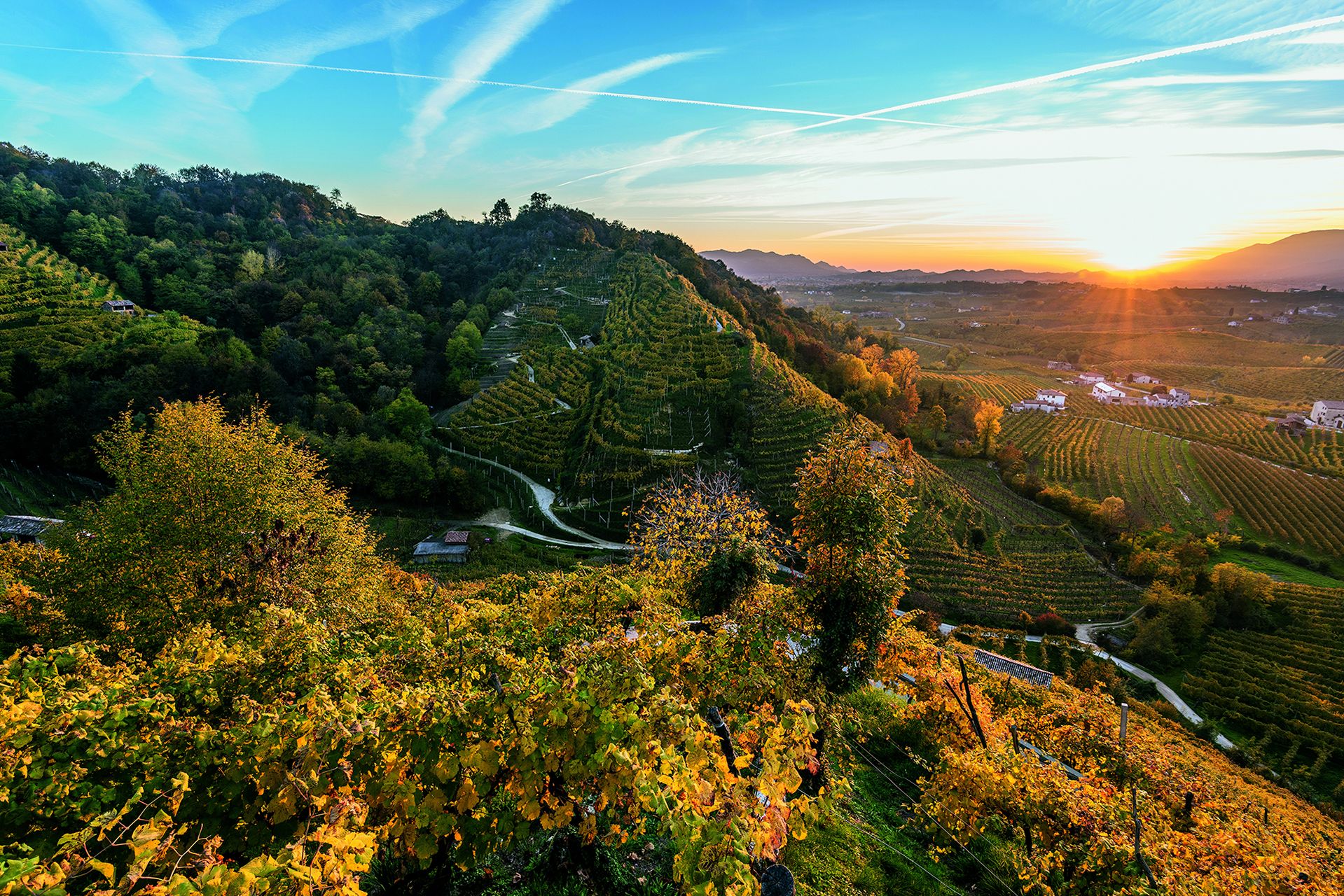
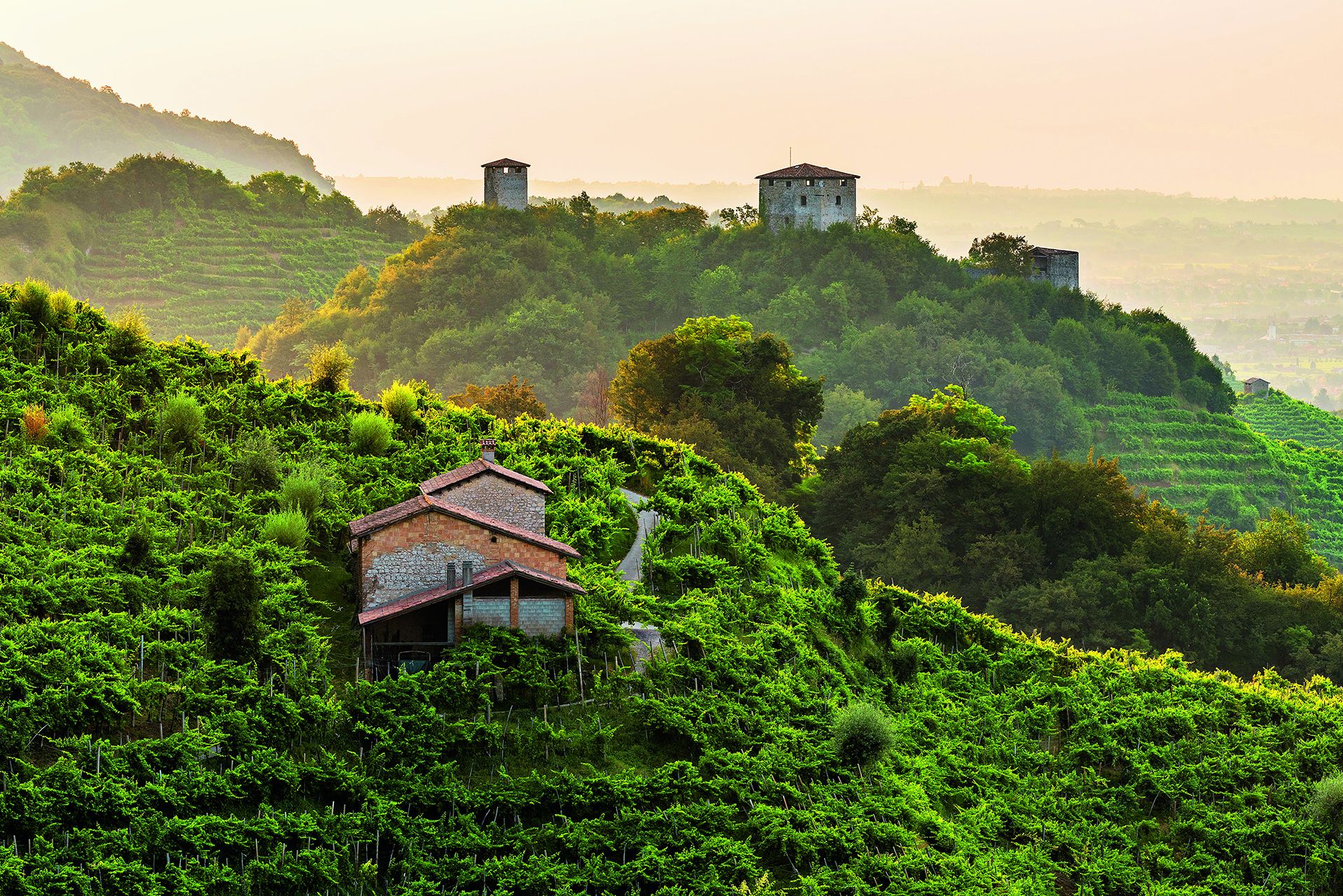
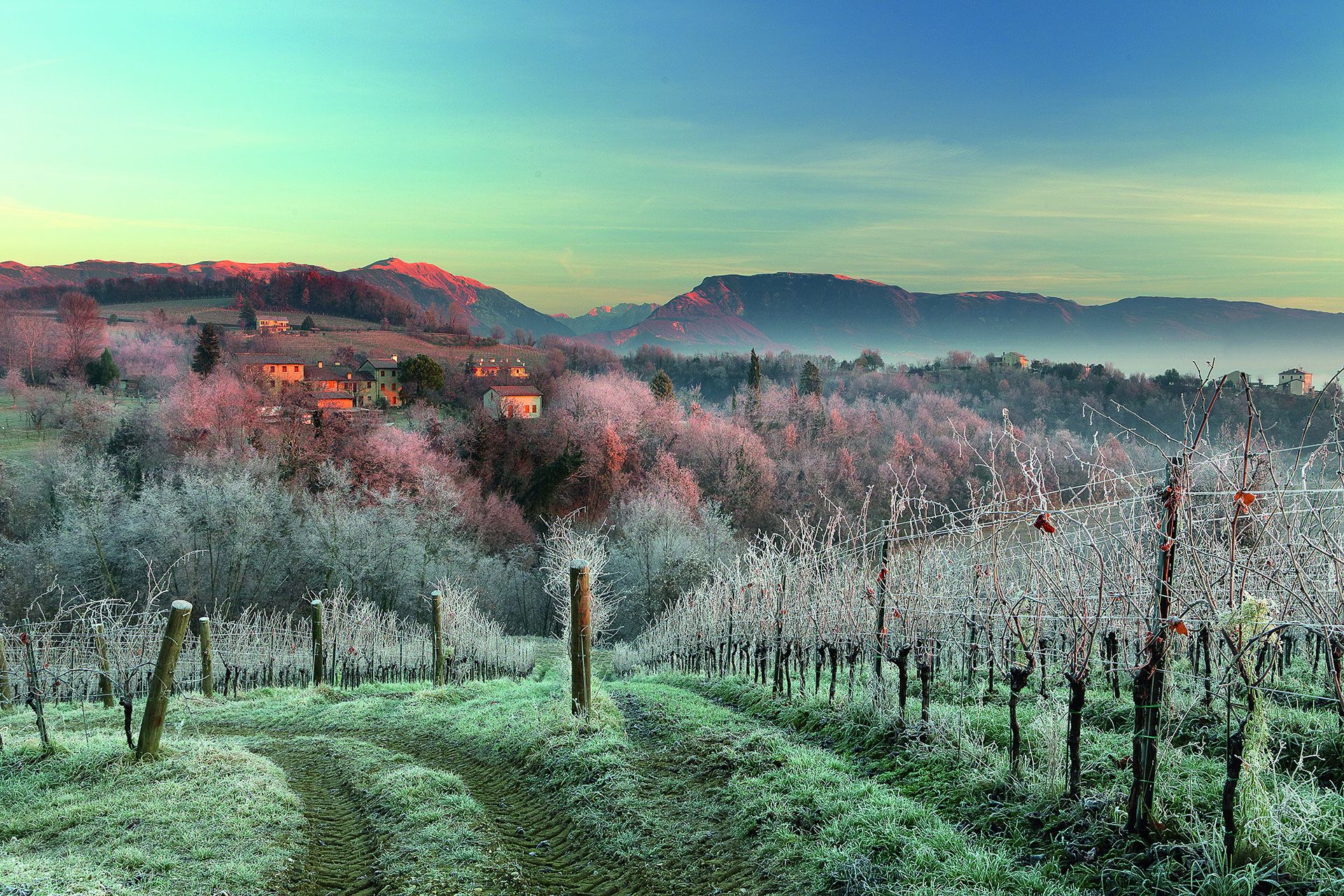
Le Colline del Prosecco di Conegliano e Valdobbiadene | Photo by Arcangelo Piai fotografo, © Consorzio Tutela del Vino Conegliano
1 / 3
An outstanding example of Italian culture and wine, the property encompasses a part of the Prosecco wine production landscape characterised by ciglioni or small plots of vines on narrow grassy terraces in forests, small villages and farmland formed and adapted by man. The use of ciglioni in the ‘hogback’ hills of north-eastern Italy began in the 17th century which created a beautiful chequerboard landscape over time.
Risco Caido and the Sacred Mountains of Gran Canaria Cultural (Spain)
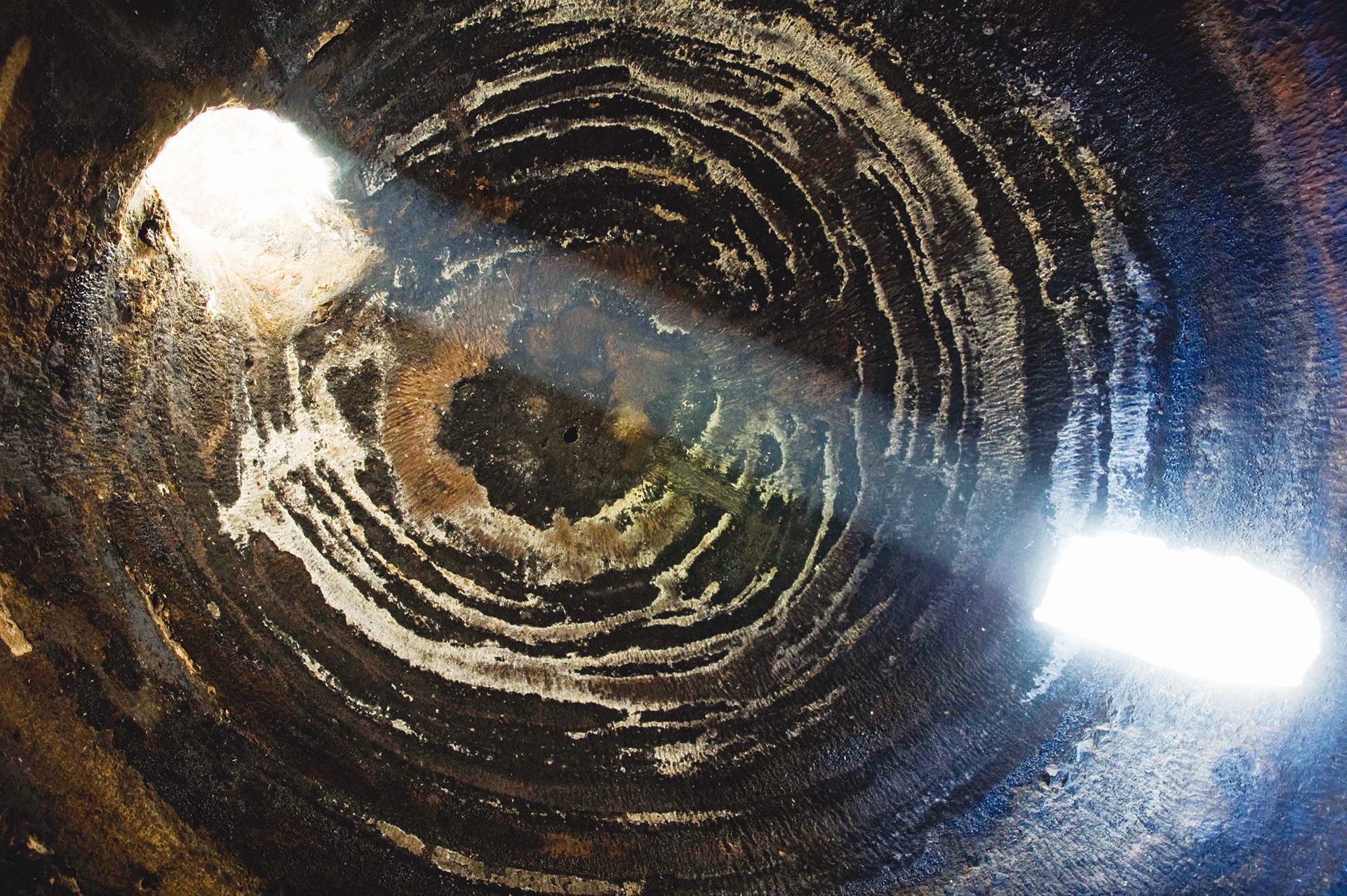
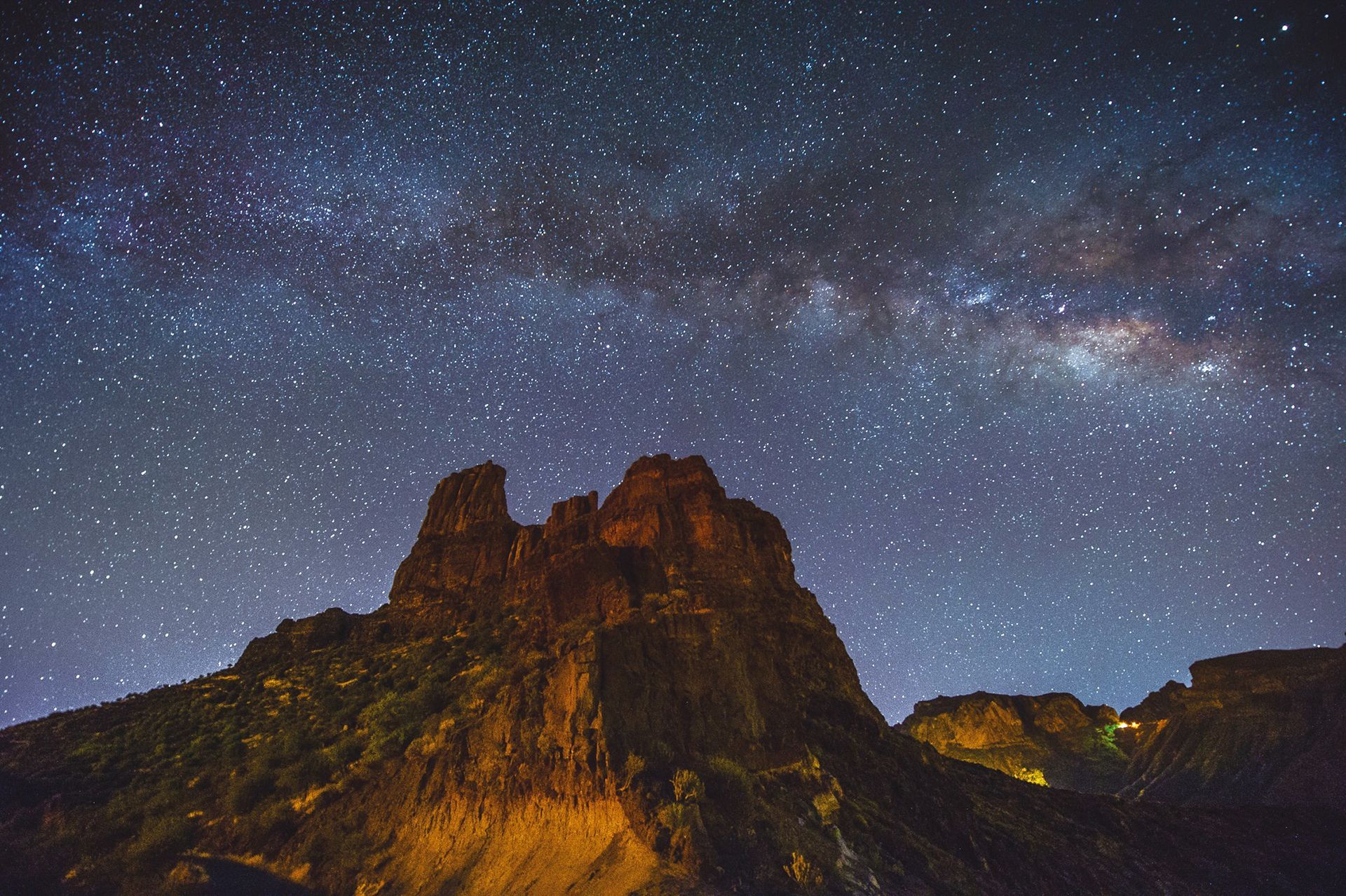

View of the dome of Risco Caido | Photo by Cabildo de Gran Canaria, © Cabildo de Gran Canaria
1 / 3
Located in the mountainous centre of Gran Canaria is Risco Caido which comprises cliffs, ravines, and volcanic formations in a landscape that has a large number of troglodyte settlements – evidence of the presence of a pre-Hispanic culture on the island which evolved in solitude. The complex includes cult cavities and two sacred temples, or almogarenes – Risco Caido and Roque Bentayga – where ceremonies were held. These temples are said to be linked to a possible cult of the stars and Mother Earth.
Jodrell Bank Observatory (United Kingdom and Northern Ireland)


The Mark II and Lovell Telescopes at Jodrell Bank Observatory, UK | Photo by Anthony Holloway, © Anthony Holloway 2016
1 / 2
Jodrell Bank is one of the world’s leading astronomy observatories situated in a rural area of northwest England where there’s no radio interference. The observatory began its operation in 1945 and has been contributing substantial scientific study on meteors and the moon, discovery of quasars, quantum optics, and tracking of spacecraft. Jodrell Bank witnessed radical changes in the study of the universe with its exceptional transition from traditional optical astronomy to radio astronomy (1940s to 1960s).
Churches of the Pskov School of Architecture (Russia)
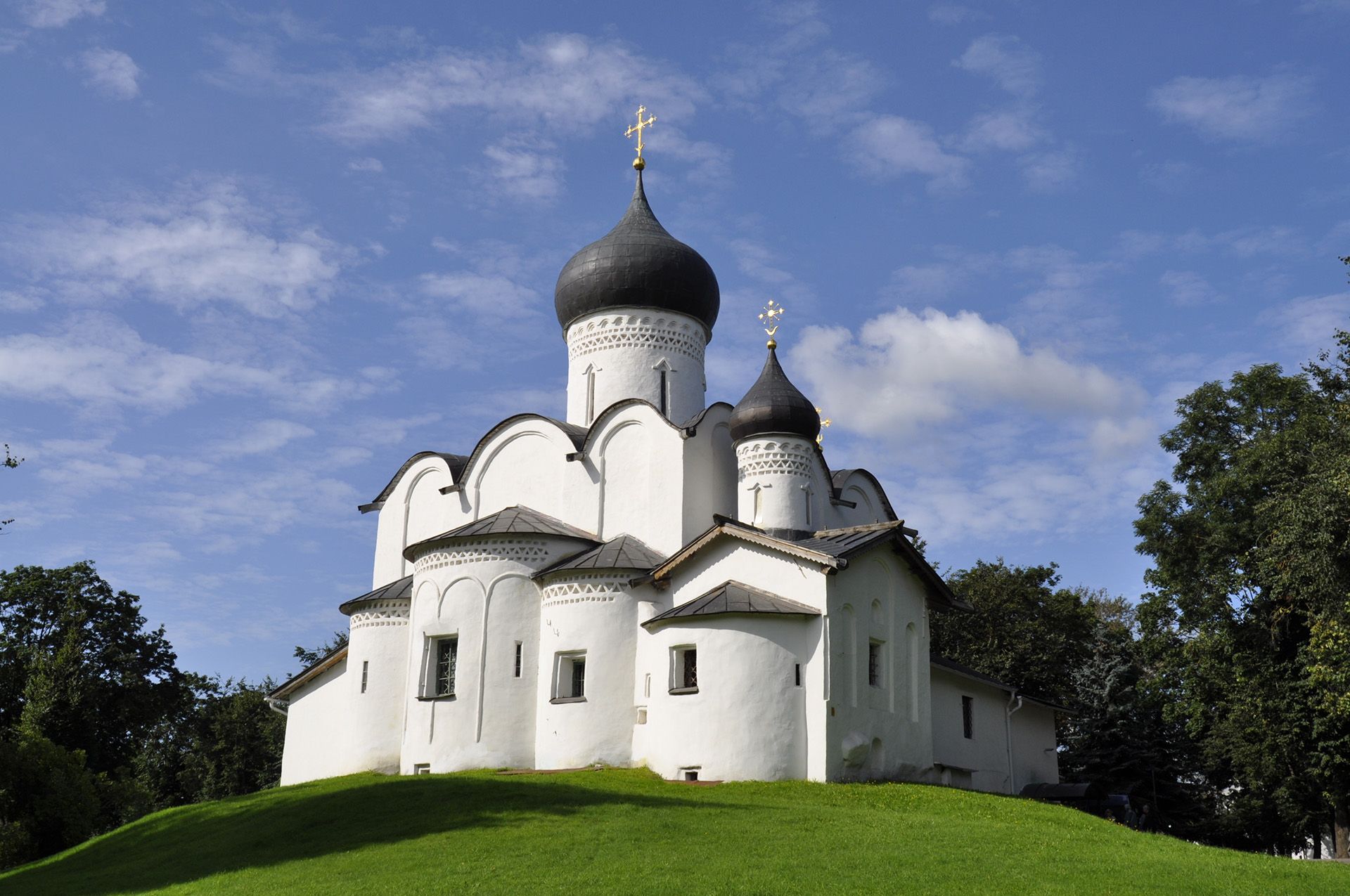
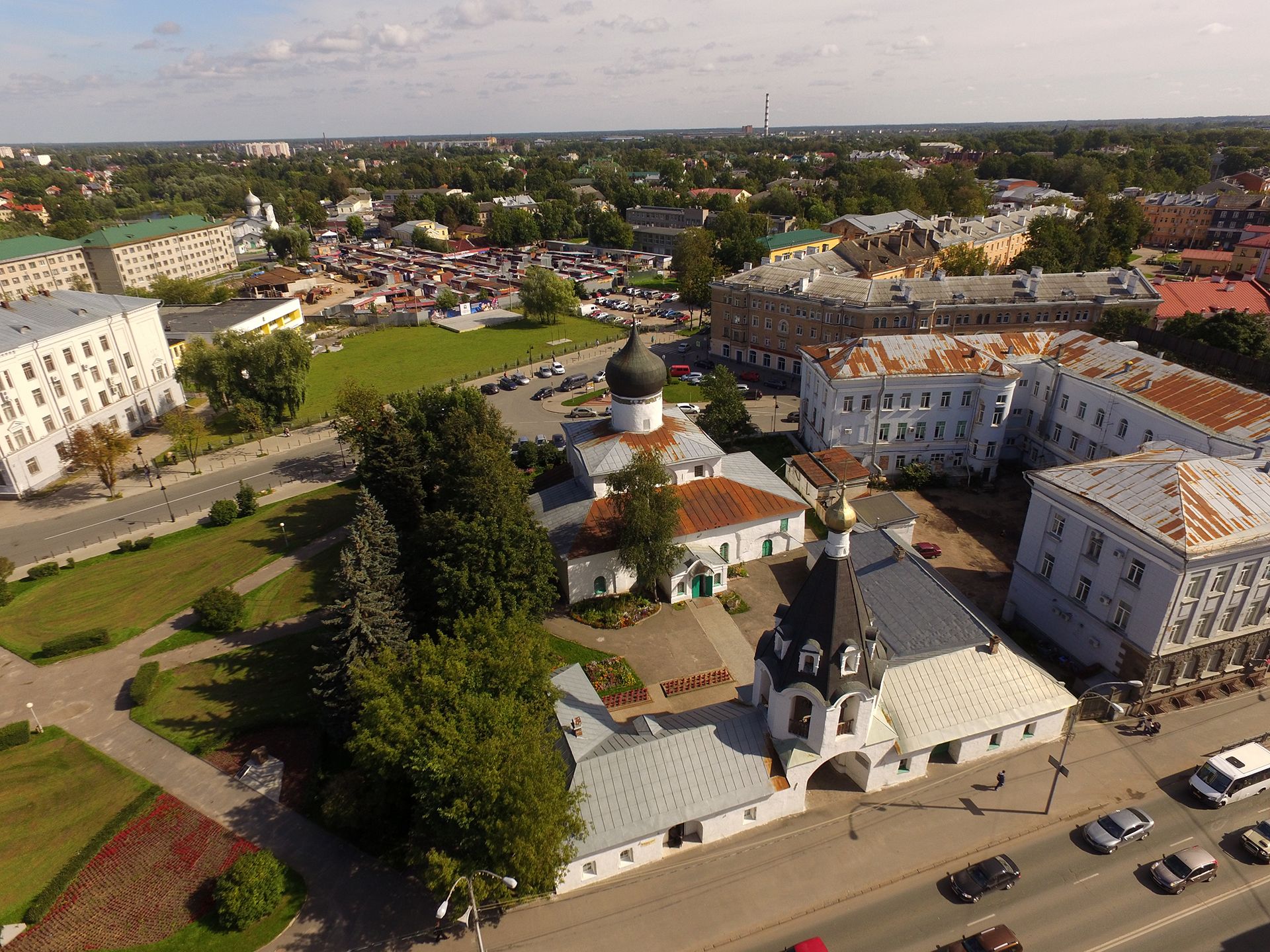
Church Vasiliya na gorke (St. Basil the Great on the hill), 15th century. | Photo by A.G. Kalinenko, © State budgetary institution of culture “Research and Development Centre for Conservation and Use of Historical and Cultural Monuments of the Pskov Region
1 / 2
This group of monuments, nestled in the historic city of Pskov in the northwest of Russia, displays important developments in architecture with its cubic volumes, domes, porches and belfries, with the oldest elements dating back to the 12th century. Influenced by the Byzantine and Novgorod traditions, it peaked in the 15th and 16th centuries and contributed to the evolution of Russian architecture for over five centuries.
Landscape for Breeding and Training of Ceremonial Carriage Horses at Kladruby nad Labem (Czech Republic)
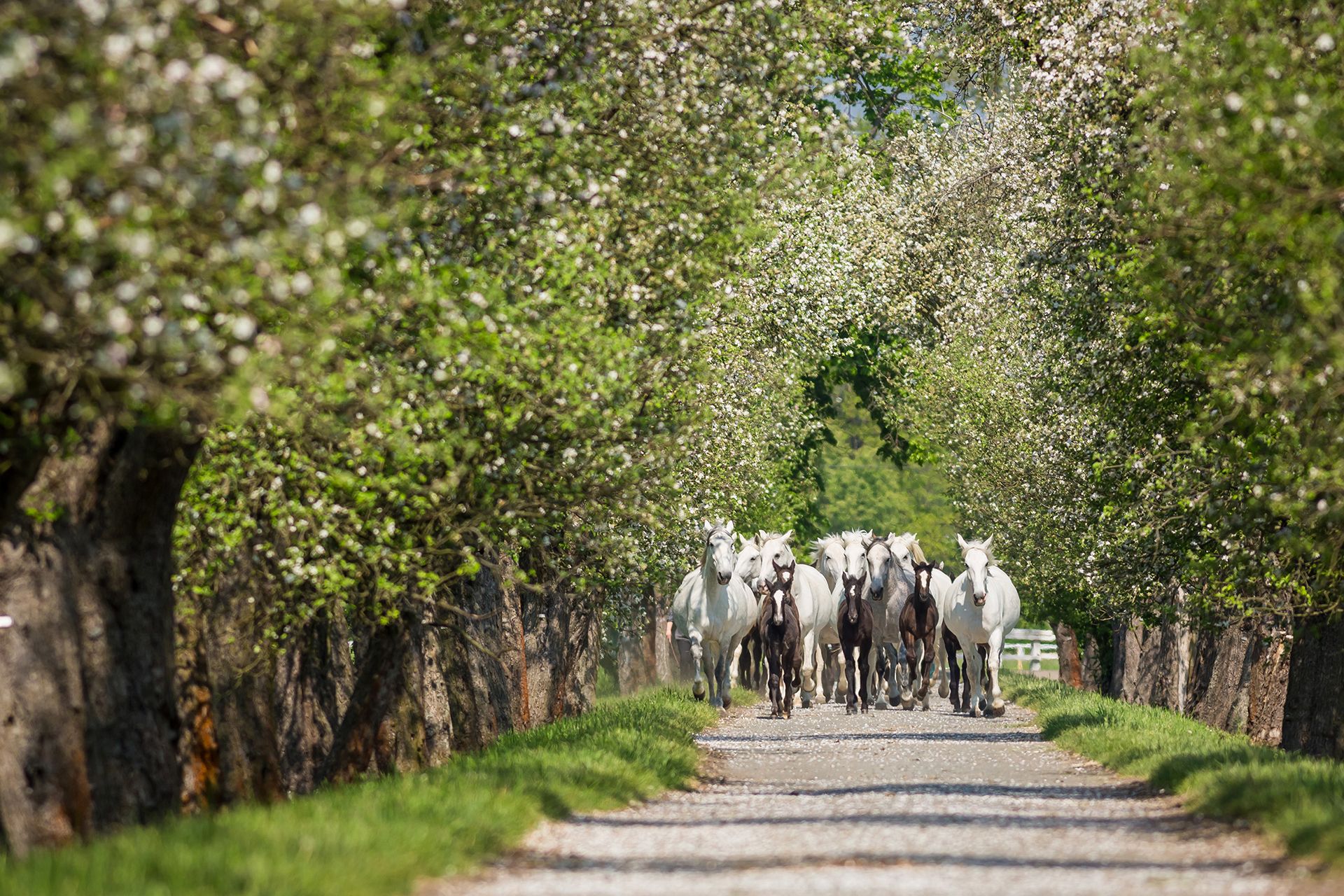

Carriage driveway towards the Josefov farmstead, lined with old species of apple trees. | Photo by Magdaléna Straková, © National Stud Farm at Kladruby nad Labem, s.p.o.
1 / 3
With its flat, sandy soils, including fields, fenced pastures, and a forested area, this site is designed mainly for training and breeding kladruber horses – a type of horse used in ceremonies by the Habsburg imperial court. It is one of Europe’s leading horse-breeding institutions established in 1579 when horses played vital roles in transport, agriculture, military, support and aristocratic representation.
Other new UNESCO-inscribed sites in Europe are: Erzgebirge/Krušnohoří Mining Region (Czech Republic/Germany), French Austral Lands and Seas (France), Water Management System of Augsburg (Germany), Vatnajökull National Park (Iceland), Krzemionki Prehistoric Striped Flint Mining Region (Poland), Royal Building of Mafra (Portugal), and Sanctuary of Bom Jesus do Monte in Braga (Portugal).
Credits
Words: Syrah Vivien Inocencio
Topics





