

Cover Frieze London 2026 (Photo: courtesy of Acb Gallery)
Frieze London 2026 (Photo: courtesy of Acb Gallery)
1 / 1
What went on inside London’s buzziest art fair this year? Rosana Lai takes us behind the white tent at Frieze in Regent’s Park
Ten steps into Frieze London, I bump straight into former Spider-Man star Andrew Garfield, attempting to fly incognito under a corduroy cap, with his partner and fellow actor Monica Barbaro in tow. But the excited gallerists and collectors buzzing from stall to stall on opening day took no notice of this Hollywood hotshot in their midst; the real stars here are what’s hanging on the walls.
Frieze London, one of the most celebrated contemporary art fairs in the world, holds its annual convention at Regent’s Park and draws a particularly glittery crowd all jostling to see (and buy) pieces from the most exciting contemporary artists today across 176 galleries from 43 countries and regions.
See also: Bathing beauties: contemporary art beneath Mimar Sinan’s 500-year-old hammam in Istanbul


Above Painting by Issy Wood displayed at Carlos Ishikawa Gallery, courtesy of Frieze London
Painting by Issy Wood displayed at Carlos Ishikawa Gallery, courtesy of Frieze London
1 / 1
This year, its 24th edition boasted ambitious solo projects at internationally renowned galleries, from Brazilian painter Dalton Paula at Lisson and German artist Albert Oehlen at Gagosian to Brazil’s Marina Perez Simão at Pace Gallery. There were increasing numbers of Asian artists too, with many claiming the spotlight at the new curatorial section The Code Universe, by Carol Yinghua Lu, director of the Beijing Inside-Out Art Museum, and co-curator of the 19th Istanbul Biennial in 2027.
Spanning works from the last half-century to the present, the section showcases artists who examine how popular culture is produced, circulated, then consumed, and how pop and conceptual art are still shaping this post-digital generation. A highlight includes works by the late Balinese painter Oototol of Chinese ink on canvas, which feature a recurring cast of androgynous figures in military uniform, who “move between ceremony, the erotic and the absurd”, according to their description.
After zigzagging through dozens of stalls (and getting distracted by a woman wearing a luxury jacket made from what looks like a patchwork of 20 different leathers), I arrive at the internationally renowned Singaporean gallery Ames Yavuz, which brought works by Pinaree Sanpitak to Frieze. The Thai artist is best known for her vessels and breast forms which distil the female body to its elemental parts; her chosen work for the fair, while muted, is an elegant allusion to her more sculptural repertoire. A few steps away is Kukje Gallery, the “Gagosian of Korea”, which brought together emerging and established artists; a mirrored circle by Anish Kapoor was hung near a breathtaking painting by Kwangho Lee of a summery field dripping in colour.
Next, a metaphorical trip southward takes us to Kolkata-based gallery Experimenter, which brought an exciting piece by Radhika Khimji that layers photography and pointillism to create a sensual mashing of tongues; as well as works from Chanakya School of Craft, a non-profit foundation and educational institution based in Mumbai, dedicated to empowering women through traditional hand-embroidery and artisanal craft. “Chanakya School has the coolest collaborations and has worked with Fendi and Dior, but it’s nice to see their work part of an exhibition setting at Frieze,” said Tahira Chawla, former director of South Asia for Saatchi Yates gallery, talking about a towering textile sculpture made from raffia, bamboo and cotton cord. “It’s not as colourful as their other works I’ve seen before, but it has really sat with me.”
Given the success of Frieze Seoul, which launched in 2022, it is no surprise that the London programme this year has included many opportunities to hear from the East Asian collaborators. At the New Horizons for Korean Art KAMS panel discussion hosted in collaboration with Frieze, Mark Mingu Cho, a Seoul-born, London-based art professional, shared why, despite the success of the Korean edition, Frieze London is still a key opportunity for East Asian artists. “It’s important for galleries from Korea to share the stories and expand the pedagogy to the west, but in all honesty, it’s also about the market,” Cho told Tatler. “The number of transactions in Korea still pales in comparison to the UK, so it’s important for Asian artists to have a presence here; it’s still a global event.”
See also: Branded residences: why architects are becoming the brand
Beyond celebrity spotting, an equally entertaining part of visiting Frieze is watching the buyers and gallerists mingle in their Dries van Noten pattern-clashing skirts or fluorescent orange Issey Miyake sets—and it is why the fair is still a major draw for luxury fashion and hospitality brands alike, hoping to capture this affluent crowd in between their art dealings. Well-heeled fairgoers dipped in and out of Dunhill’s Frieze Masters Talks, which bring audiences closer to legendary artists like English artist and stage designer Es Devlin and ceramicist and textiles and performance artist Grayson Perry to name a few, before stopping for a meal at one of the many restaurant pop-ups at the fair. At Sessions Arts Club, for example, diners could indulge in the cult London restaurant’s famous small plates, surrounded by homeware and glass sculptures on loan by beloved accessories label CompletedWorks. All the carefully selected brands sprinkled throughout the fair are a constant reminder of the varied talents London is home to.
At the close of the first day, the conversations varied greatly: some showgoers were expressing shock and horror caused by the headless, udderful gargoyle sculptures by Israeli installation artist Yuli Serfaty, many were effusive about the vibrant floral paints that seemed to be in every stall. Then we heard the rumour that had trickled from the Frieze Masters tent: "Still Life of Flowers in a Stoneware Vase" by Jan Brueghel the Elder, the 16th century Flemish painter who pioneered floral still-life painting in the Southern Netherlands, had been sold by Hauser & Wirth for a whopping £5 million. With the sale surpassing the leading transaction from last year’s opening day, Frieze’s 24th edition is already one for the books.
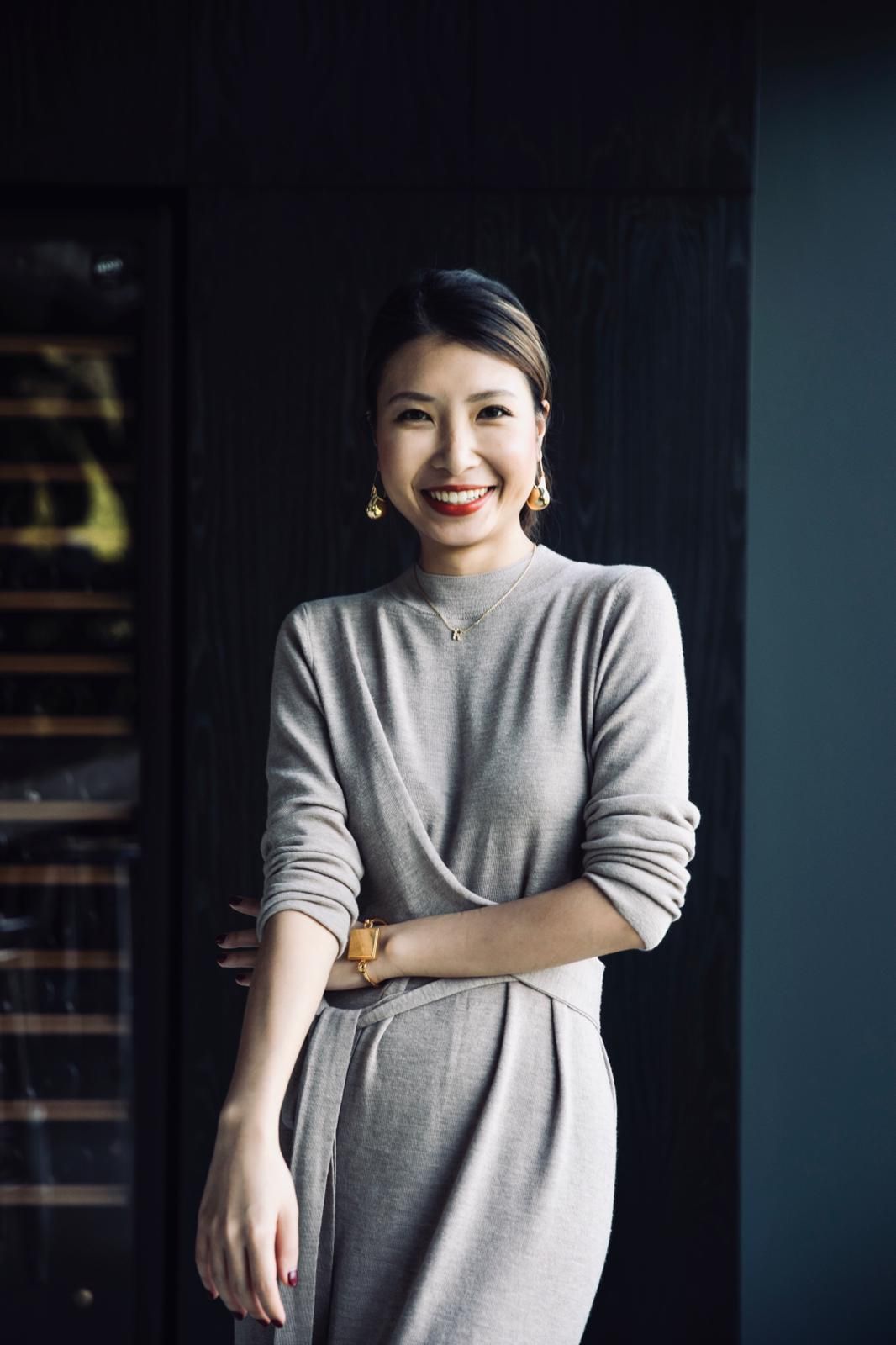
Rosana (Rosie) is the former Fashion Director for Tatler Asia. Formerly located in Hong Kong, Rosie now lives in London, UK.





