

1 / 1
A look at the Hung Kuen martial arts documentation project
Though perhaps the best-known martial art style from Southern China, popular knowledge of Hung Kuen remains rudimentary and coloured by hackneyed portraitures from film and television. Taking a quick look at Hong Kong’s film development, Hung Kuen is coeval with its history for the past sixty years, with some of Hong Kong’s most memorable narratives, characters and even cultural symbols being linked to this most representative style.

After the Second World War, Wong Fei Hung emerged as an epoch-defining personality, who gave a sense of identity to a transnational Chinese diaspora. The legend of Wong Fei Hung caught on in popular imagination and inspired a long concatenation of television and film serials that still hold the record in the Guinness Book. With advent of the 1970s, as a new generation of Hong Kong filmmakers sought to entertain a working-class public less impressed by the earlier films’ overt tendentiousness, they continued to look to Hung Kuen for inspiration. And with the Lau family came a new ‘real kung fu’ style, whose subject matter remained rooted to the myths and legendary characters of Hung Kuen, most memorably in Gordon Liu’s Southern Shaolin series. In the 1990s, as Hong Kong entered a new phase with the return of sovereignty to China, film-maker Tsui Hak again turned to Hung Kuen for his classic Once Upon a Time in China trilogy, nostalgically cast in late 19th century Hong Kong / Canton and starring Jet Li. With this film, Tsui Hak reinvented the popular image of Wong Fei Hung, to popular acclaim and box-office success.
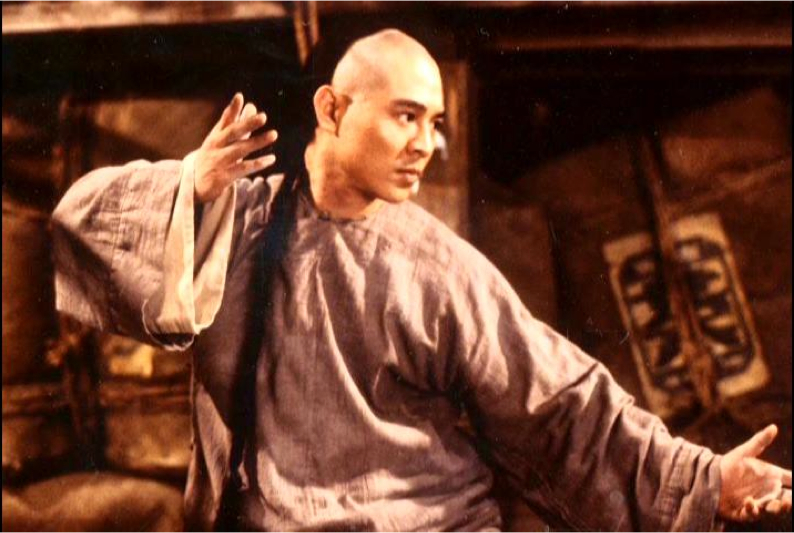
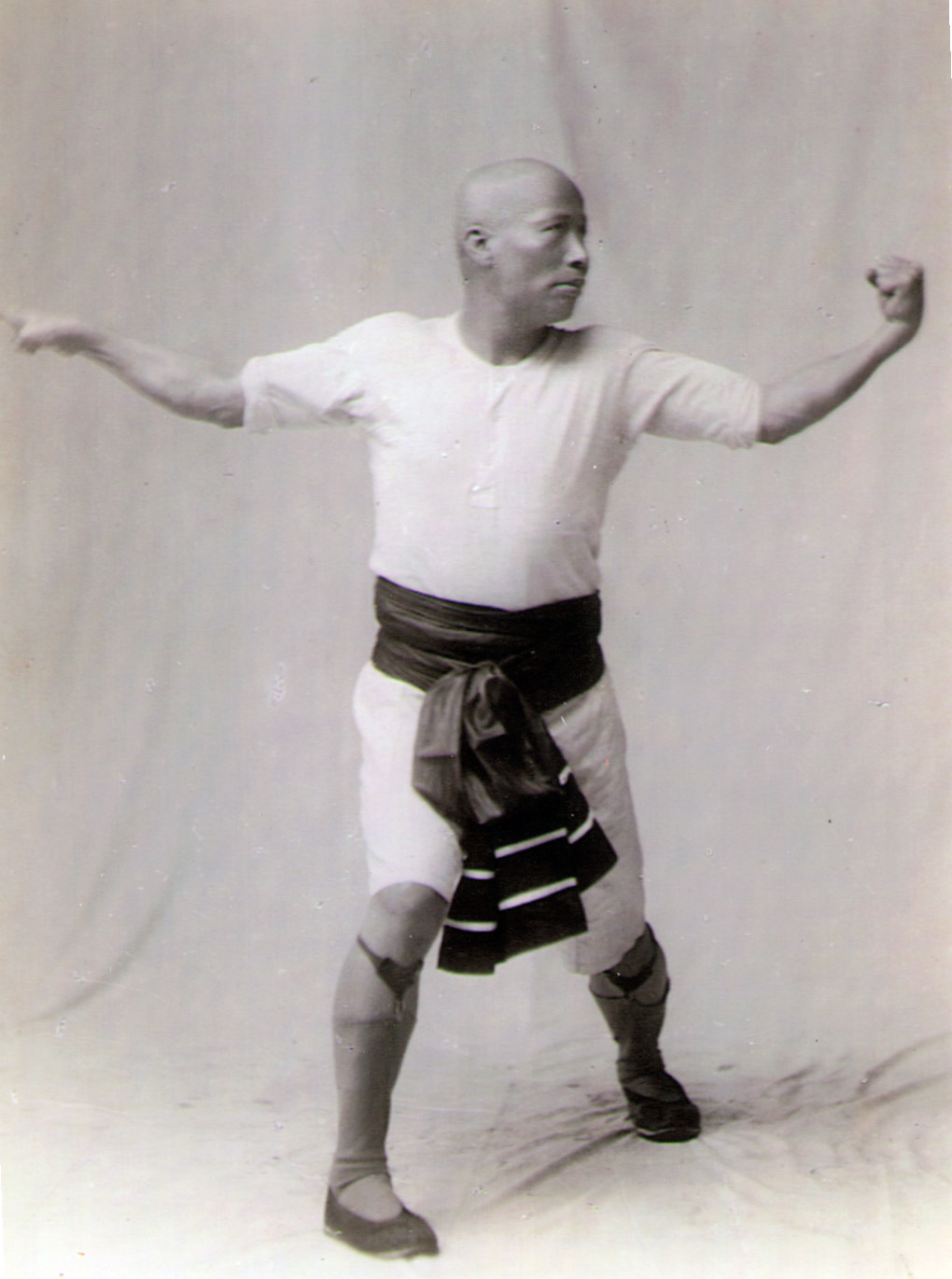
Yet despite its popularity, Hung Kuen is not well understood, even by people who profess to be experts in the style. Not since the early 1950s, when the author Chu Yu Zai posthumously published Iron Wire Boxing for Master Lam Sai Wing, has an authoritative book been written on the subject. Of over twenty empty-hand and weapon sets in the official Hung Kuen repertoire, only three – Tiger and Crane Boxing, Gong-Character Taming Tiger Boxing, and Iron Wire Boxing – have ever been recorded. Even here, there are mistakes and lacunae in the illustrations and descriptions of the published texts.
As martial arts are intangible aspects of knowledge which are passed on through oral transmission and practice, with the passing of old masters, and as fewer young people are equal to the task of inheriting these traditions, these valuable assets are in danger of becoming lost. The recent passing of Master Lam Cho served as a call to action to the international Hung Kuen community. Endorsed with the support of the Lam family, a new book containing a comprehensive manual on the fundamentals of Hung Kuen is being prepared. This will be the first time a Hung Kuen manual is being published by the Lam family, and perhaps the first time ever that the techniques of Hung Kuen are being presented in such a comprehensive and systematic manner. It is intended that this book will be the first of a series that will provide a definitive guide to Chinese martial arts, beginning with the precious kung fu heritage that we have here in Hong Kong.
Click here to read more of Hing Chao's columns on Culture and Heritage.





