

Cover The Rufous Hornbill that is endemic to the Philippines | Photo: Ebird Org
The Rufous Hornbill that is endemic to the Philippines | Photo: Ebird Org
1 / 1
It is time to pay close attention to things you see in the sky; one of them may be a rare bird that is endemic to the Philippines!
When people talk about Pinoy Pride, discussions are automatically linked to Filipinos whose names are known around the globe; it could be an athlete who has had several feats, a singer who is part Filipino, or a well-known philanthropist who had his or her humble beginnings in the country.
But there is one more thing that Filipinos need to be proud of and it has little to do with names and titles — the Philippines is considered rich in biodiversity, it is home to 70 per cent of the world's plants and animal species and was even considered one of the top global conservation areas.
There are also birds endemic to the country; in case you don't know it yet, there are 241 of them and we have listed our favourites below!
Read also: Top 10 Birds In Your Backyard: Fascinating Facts You Need To Know
1. Rufous Hornbill


Above A Rufous Hornbill | Photo: James L Taylor on Flickr
A Rufous Hornbill | Photo: James L Taylor on Flickr
1 / 1
Scientific name: Buceros hydrocorax
Also known as: Kalaw (pronounced kah-lau)
It can be seen in: Samar, Leyte, Bohol, Panaon, Biliran, Calicoan and Buad (Race semigaleatus), Dinagat, Siargao, Mindanao (plus Balut, Bucas and Talicud) and Basilan (Race mindanensis), and Sierra Madre
Did you know? The Rufous Hornbill inhabits largely in primary evergreen forests. This species is known for generating loud nasal honks that can be heard even if you are 1.5 kilometres away.
2. Red-vented cockatoo

Above The Katala Bird in the Philippines | Photo: The Times
The Katala Bird in the Philippines | Photo: The Times
1 / 1
Scientific name: Cacatua haematuropygia
Also known as: Philippine cockatoo, Katala, Abukay, Agay, or Kalangay,
It can be seen in: In rainforests and mangrove swamps of the Palawan archipelago
Did you know? The Philippine Cockatoo was once widespread in the country. But due to a series of illegal wildlife trade and intensive deforestation, this species is now endangered. Today, there are only 430-750 mature cockatoos in the Philippines.
Related: WWF Continues Its 60th Year Celebration With 'Bid For Nature' Post-Auction Selling
3. Philippine Falconet

Above Photo: E Bird
Photo: E Bird
1 / 1
Scientific name: Microhierax erythrogenys
Also known as: Kikiro
It can be seen in: Subtropical or tropical moist lowland primary and secondary forests of Luzon, Mindoro and Mindanao
Did you know? The Philippine Falconet is the smallest endemic raptor in the Philippines. The species can normally be seen on the branches of old dead trees. The falconet often hunts in small groups so it can get away from predators quickly. One falconet from the group may give alarm calls when a predator is sighted.
4. Philippine Duck

Above Photo: E Bird
Photo: E Bird
1 / 1
Scientific name: Anas luzonica
Also known as: Papan
It can be seen in: Variety of wetlands, from mountain lakes to small pools, reservoirs, small streams and rivers, saltpans, and coastal waters, including tidal creeks, but generally prefers shallow freshwater bodies with marshy vegetation.
Did you know? The Papan is the only endemic duck of the Philippines. Its diet includes shrimp, fish, insects, and vegetation.
More from Tatler: Birds as Furniture Inspiration
5. Scale-feathered Malkoha
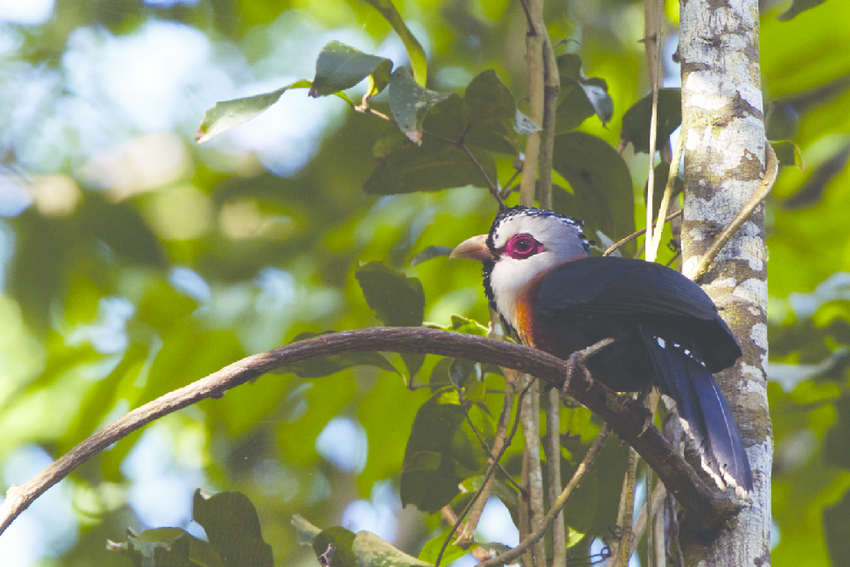
Above Scale-feathered malkoha in the Philippines. | Photo: Martin Lindop.
Scale-feathered malkoha in the Philippines. | Photo: Martin Lindop.
1 / 1
Scientific name: Dasylophus cumingi
Also known as: Abaloryo
It can be seen in: Luzon, Marinduque, and Catanduanes
Did you know? This species can make distinct metallic whistles described as an explosive and high-pitched "quizzzz-kid" or whizzzz-kid". Its diet includes insects, caterpillars, centipedes, scorpions, snails, worms, small snakes, and lizards.
6. Philippine Hawk Eagle
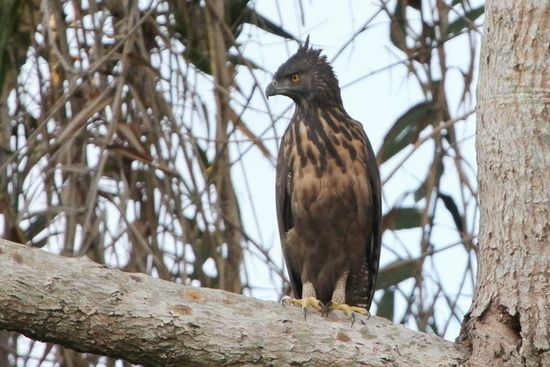
Above The Philippine Hawk Eagle | Photo: Christian Perez, Bird Watch PH
The Philippine Hawk Eagle | Photo: Christian Perez, Bird Watch PH
1 / 1
Scientific name: Nisaetus philippensis
Also known as: North Philippine hawk-eagle
It can be seen in: Luzon (primarily in Sierra Madre mountains)
Read more: Law to Protect the Philippine Eagle Awaits Final Signature
7. Palawan Peacock-pheasant
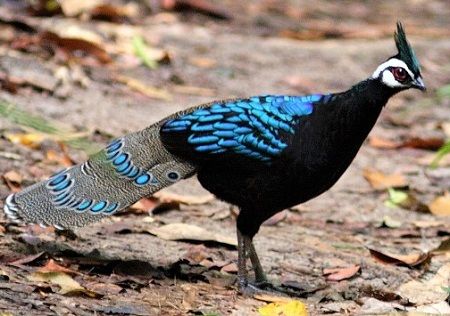
Above Photo: Domestic Forest
Photo: Domestic Forest
1 / 1
Scientific name: Polyplectron napoleonis
Also known as: Tandikan
It can be seen in: Palawan
Did you know? During mating season, this species uses its leaf litter to attract females. The male Palawan Peacock-pheasant spreads its tail in frontal display and dances near the opposite sex. Another interesting feature of the male Palawan Peacock-pheasant is the multiple spurs on its legs. These pointy parts serve as an anti-predator defence.
Topics

Jove holds a degree in Journalism and is currently pursuing graduate studies in Philosophy at the University of the Philippines–Diliman. She has flair for in-depth, interview-driven stories that explore politics and culture, shaped by her background in national broadsheets.
When she’s not on assignment, Jove spends her days painting, sipping lemonade, and walking her dog, Jupiter. She can often be seen in Escolta with a film camera in hand, browsing novelty shops in search of rare memorabilia. For leads, reach her at Jove@tatlerphilippines.com.





