

Cover Lion dances are a beloved tradition of Chinese New Year celebrations in Asia (Photo: iStock)
Lion dances are a beloved tradition of Chinese New Year celebrations in Asia (Photo: iStock)
1 / 1
From lion dances in Bangkok to CNY bazaars in Kolkata's Chinatown, here are just a few of many ways Chinese New Year is similarly feted across Asia
Chinese New Year marks a most auspicious period in the Chinese Lunar calendar, celebrated by Chinese communities all across the globe. In Southeast Asia, those who celebrate the Spring Festival, as it's also known, share many treasured traditions and customs each year that are beloved and enjoyed even by those of different cultures and races.
Related: 5 Must-Have ‘Lucky’ Dishes and Their Symbolism
From awe-inspiring lion dances to ubiquitous red decor and shared superstitions, here are some similarities you'll observe during Chinese New Year in Malaysia, Singapore, Taiwan and other Southeast Asian countries.
The heart of the celebration
Whether you're Singapore and Kuala Lumpur, or Yaowarat in Bangkok and Glodok in Jakarta, these places play host to Chinese New Year street celebrations that involve lively lion and dragon dance performances and markets selling all manner of indulgent snacks and treats.
Related: 8 Chinese New Year snacks and why we eat them
In the Philippines, Manila's Binondo is the nation's very own Chinatown (first established in 1594 and said to be the oldest Chinatown in the world) where you'll hear enthusiastic greetings of 'Kiong Hee Huat Tsai' during Chinese New Year. In India, Central Kolkata's Tiretta Bazaar is the place to see traditional Chinese New Year celebrations as well as various food markets, restaurants, medicine shops and beautiful Chinese temples.
Spring cleaning and tidying up
Spring cleaning is an important part of pre-Chinese New Year preparations. Families will get busy cleaning their homes as a way to bid the past year farewell while shopping for new colourful outfits and embellishing their abodes with colourful spring couplets, lanterns and kumquat plants. But from the eve of Chinese New Year and thereafter during the festivities, some put away their brooms and mops to avoid sweeping away good luck.
Chinese New Year 2022: Spring Cleaning Tips From a KonMari Consultant
Taboos and treats

Above Photo: Pixabay
Photo: Pixabay
1 / 1
From Thailand to Taiwan, some revellers believe it's wise to keep broken or sharp objects out of the way during the festive period. The New Year is also considered a time to settle accounts and debts so as to welcome prosperity and fortune ahead.
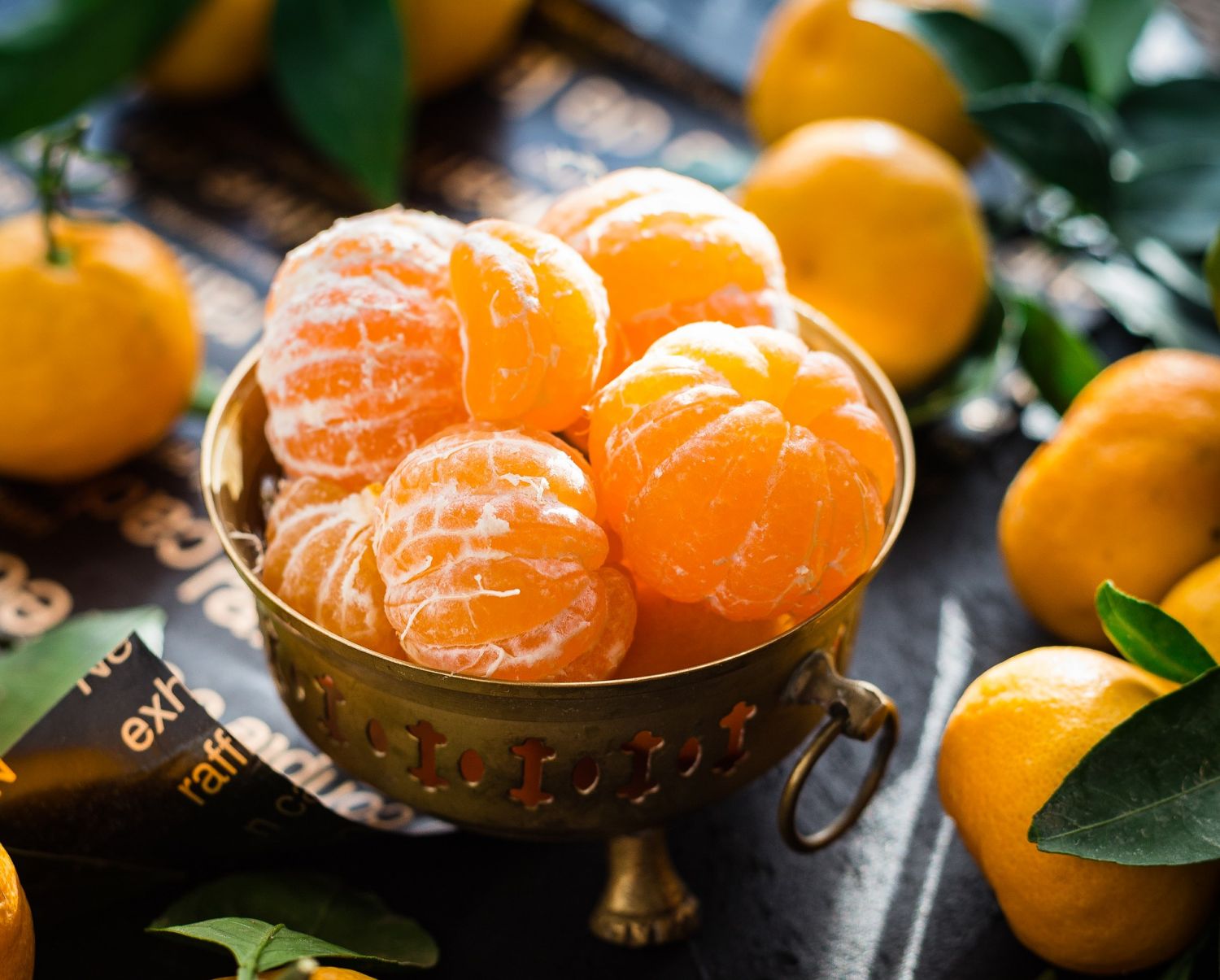
Some Chinese New Year traditions include leaving doors and windows open during Chinese New Year Eve to welcome positive energy and good fortune. Mandarin oranges and kumquats are especially popular during this season as they resemble gold ingots and are placed around the house as a symbol of gold.
See also: 6 Classic Chinese New Year Dishes Explained By Famous Hong Kong Chefs
Come bearing gifts
During Chinese New Year, the ang pow or red envelope with cash is often gifted by elders and married couples to kids and younger people.
There is certain etiquette surrounding the giving and receiving of ang pows in Southeast Asia. For instance, opening a red packet in front of the giver is considered disrespectful. Givers are also careful not to give any amounts with the number four, which is considered an unlucky number as its pronunciation sounds almost similar to the Chinese word for "death".
Sweet snacks and big feasts for a sweet year
At its heart, Chinese New Year is a time for families to gather together to celebrate over an auspicious reunion dinner. Apart from that, snacks like pineapple tarts, glutinous rice cakes known as nian gao (called dodol Cina in Indonesia and tikoy in the Philippines), peanut cookies and spring rolls make for a deliciously addictive pastime for the season.
During this time, yee sang, a colourful salad symbolising prosperity, usually kicks off a feast. This dish is particularly popular in Malaysia and Singapore.
NOW READ
The Stories Behind These 5 Chinese New Year Traditions
Chinese New Year 2022: Where to Order Flowers Online In Malaysia
Topics

Previously contributing to Esquire Malaysia, Expat Lifestyle and Newsweek, Tania oversees digital stories across Tatler’s key content pillars, also leading the Front & Female platform exploring issues and topics affecting women today.





