

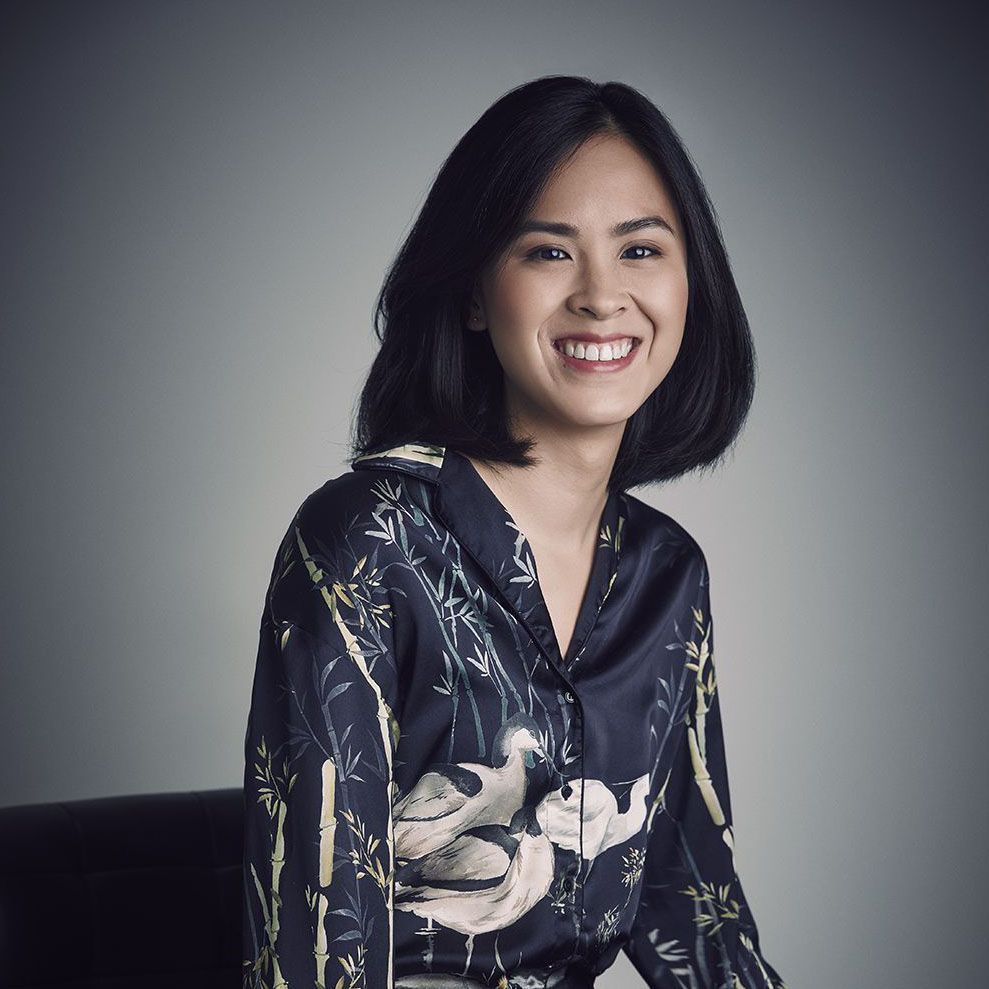
Cover Stefen Chow and Huiyi Lin are a Beijing-based artistic duo are best known for their ongoing art project, The Poverty Line, which they first started on in 2010 and now resides in the collections of the The Museum of Modern Art (MoMA) library and Centre Pompidou Bibliothèque publique d’information (Photo: Chow and Lin)
Stefen Chow and Huiyi Lin are a Beijing-based artistic duo are best known for their ongoing art project, The Poverty Line, which they first started on in 2010 and now resides in the collections of the The Museum of Modern Art (MoMA) library and Centre Pompidou Bibliothèque publique d’information (Photo: Chow and Lin)
1 / 1
The Singapore-born, Beijing-based economist turned artist and market researcher shares how growing up both rich and poor shaped her outlook on life and museum-worthy art
There’s no success without hardship, goes the saying by the Greek tragedian Sophocles. Huiyi Lin, one-half of the Beijing-based artistic duo Chow and Lin, has seen her and her partner’s works acquired by New York’s Museum of Modern Art (MoMA). They have also exhibited at Arles Les Rencontres De La Photographie, the world’s first international festival for photography, and been invited to present at the United Nations Conference Centre in Bangkok. However, why their works have attracted the attention of visual art lovers and museum curators alike can be attributed to the fact that they reflect the pair’s shared personal experiences.
Read more: My First: Illustrator Sophia Hotung on how she rescued herself and uplifts charities through art
As a child, Lin grew up in a relatively well-off environment. That changed when her family met with financial difficulties when she was in primary school. Her father, who ran his own business, would eventually declare bankruptcy. Stefen Chow, Lin’s partner in both life and art, had a similar experience. It was this, and many other commonalities, which would help them bond quickly when they met as students at the National University of Singapore.
In 2010, the pair would release the first works of their project, The Poverty Line. Over the past 14 years, they have showcased the daily food choices of people living at the poverty line across six continents, 36 countries and territories over a period of ten years. From tomatoes to instant noodles, everyday food items are photographed on top of a local newspaper from the day of the photoshoot.
The collection later caught the eye of MoMA senior curator, Paola Antonelli, who requested that it be added to the museum’s permanent collection and part of her Systems exhibition in 2023.
The Poverty Line was supposed to conclude in 2020, but that hasn’t happened yet, according to Lin. “It remains an ongoing project for us that is increasingly fascinating and meaningful because when we talk about food prices and social expectations, they change over time,” she says, in conversation with Gen.T’s Chong Seow Wei on the latest episode of our Crazy Smart Asia podcast.
In December 2021, Lin and Chow embarked on a new multi-year project. The Conversation is a video series of Lin and Chow seated across from each other in front of the camera, having a conversation for 12 hours straight. They talk about everything, from love and identity to capitalism and colonialism. The project is expected to end in 2061, or until one of them is no longer around.
Read more: Artist Sam Lo reflects on identity, art and pride 10 years after his brush with the law
Listen to Lin as she shares more about the impetus of her art projects, the roles of museums and her favourite piece of advice via the audio player below. Here are also a few excerpts from the conversation.
On food connecting the world
“There are a lot of things we have in common. Like instant noodles, we think it is Asian and specific to our culture, but we found instant noodles in Africa. When we spoke to our Nigerian friends, they thought instant noodles were a local product. There was a specific brand our friend pointed out [to us at the supermarket] that he thought was a local Nigerian instant noodle and when we looked at it, it was Indomie.”
On the impetus of her art projects
“It starts with a question, a curiosity about certain observations we have about the world around us, about ourselves and how we connect to them. The questions then build up and it becomes a conversation, a dialogue. At some point, some of these ideas and conversations become art projects.”
On the role of museums
“As humans, we’re not going to be here forever. We have such limited time measured in decades or years. So museums become the institutional memory, where meaning can be told of history. When we look at artefacts or art pieces, they’re constantly being reinterpreted and understood. They’re related to the current audience and what we’re going through now.”
On her favourite advice received
“Don’t run away, even if you’re [being] beaten to death. This means that if you believe in something, pursue it and go at it with as much passion and determination as you have. Some day, the dots will connect.”
Quotes are edited for clarity and brevity.
Listen to the episode and subscribe using your preferred podcast platform on our Crazy Smart Asia podcast page.
NOW READ
How Burgreens and Green Rebel’s Helga Angelina Tjahjadi turned a pandemic crisis into a business
From singers to directors: Meet the new wave of Asian rising talents in entertainment

Chong Seow Wei is a regional senior editor covering business, innovation, impact and people. Based in Singapore, she oversees content for Gen.T, Tatler’s platform for promising entrepreneurs and new-generation leaders, and its Power & Purpose vertical.





