
1 / 1
Musician turned crypto-currency investor Alexander Shulgin on five things everyone should know about songwriting, blockchain and how the two work together in harmony
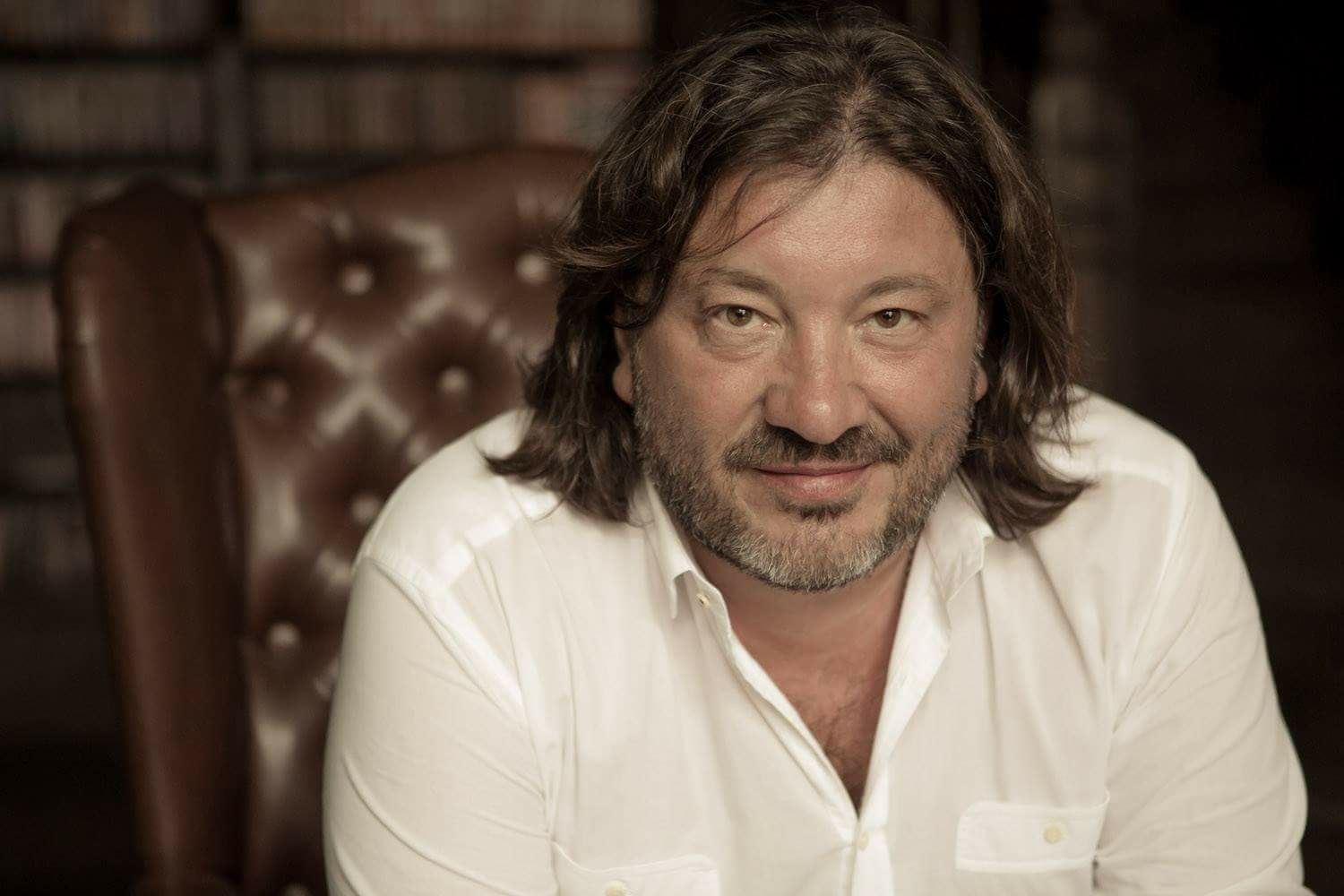
Alexander Shulgin is one of Russia’s best-known composers, boasting scores of number-one records and accolades over a 30-year career. As well as successfully walking the line between rock and classical music, since the fall of the Berlin Wall he’s also balanced music with a life as an entrepreneur and investor.
Shulgin’s Familia Group operates in media and entertainment, and he also runs several venture capital funds that increasingly focus on blockchain and crypto-currency investments. “I first predicted the rise of e-money back in 2009,” says Shulgin when we meet backstage at TEDx Hong Kong. “It was published, you can check it!” he says with a grin.
Today, Shulgin is an in-demand speaker on the subject of crypto-currency, which he personally invested in back in 2011 to put his money where his mouth is. “I’m very happy,” he says, rather understatedly, when asked about the recent Bitcoin price jumps.
After Shulgin’s TEDx talk, we talk to the composer turned crypto-capitalist about communism, Bitcoin and how blockchain could be used to compose an album.
The first years of post-Soviet Russia were like blockchain 1.0
I was a musician in the 1980s and I started to move into business [after the fall of the Berlin Wall]. This was the first time I heard terms like royalty and merchandising, because in the Soviet Union everything had belonged to the people.
At that time, no corporate law existed. The first corporate law didn’t come in until 1993. In those early days, it was a jungle! A complete jungle. Everything was based on trust. It was a kind of a prototype for blockchain, because you had to [follow and trust] the transfer.

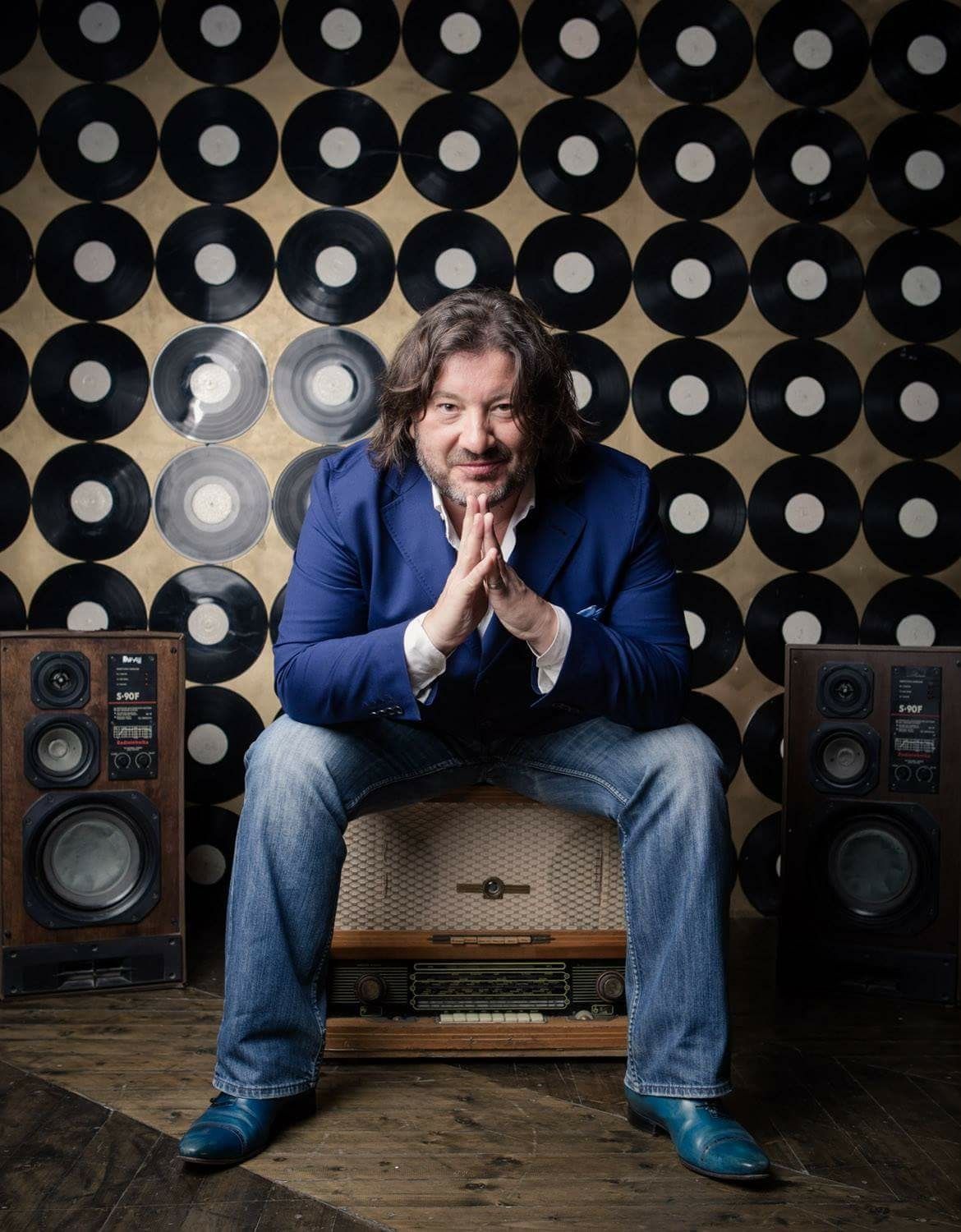
Above Alexander Shulgin. (Photo: Courtesy of Alexander Shulgin)
Alexander Shulgin. (Photo: Courtesy of Alexander Shulgin)
1 / 1
Investing is a lot like songwriting
There are similarities between writing a song and making an investment. When I write a song I have to use my imagination—I imagine the music then put it in the material world by recording it. Similarly, if a product or idea is totally new you need to imagine it; have a vision about something that has not existed before. Music has helped me do this.
The future implications of blockchain go far beyond fintech
In the future, the Internet of Things will be based on the blockchain ledger and become decentralised. Right now, everything’s connected to centralised servers—if the servers get hacked all the drones fall down.
This system also requires so much energy. If I send you an SMS when you’re right next to me, the message goes to some satellite 15,000 miles away then comes back down us. When these gadgets start using blockchain infrastructure and become decentralised, it will transform the world more than electricity did.
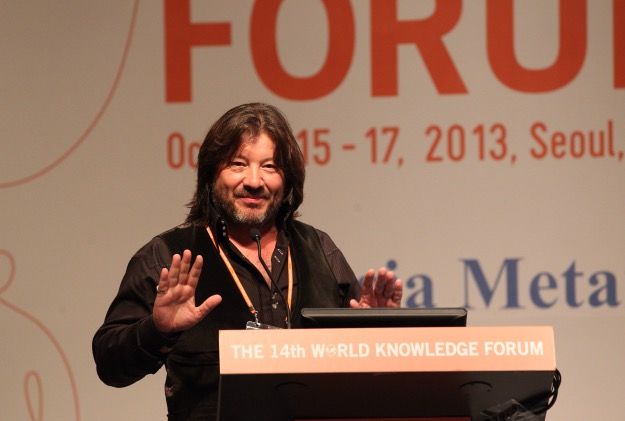
Above Alexander Shulgin is invited to speak on crypto-currency at forums around the world. (Photo: Courtesy of Alexander Shulgin)
Alexander Shulgin is invited to speak on crypto-currency at forums around the world. (Photo: Courtesy of Alexander Shulgin)
1 / 1
Crypto-currency will replace cash over the next decade
Crypto-currency will change the world. In the future, there will be no currency. In terms of [the redundancy of] physical cash, I think that will happen no later than 2030.
But the mental shift will come when the next generation grows up. For example, right now younger generations don’t know what a telegram is. Similarly, younger generations in the future will not understand cash.
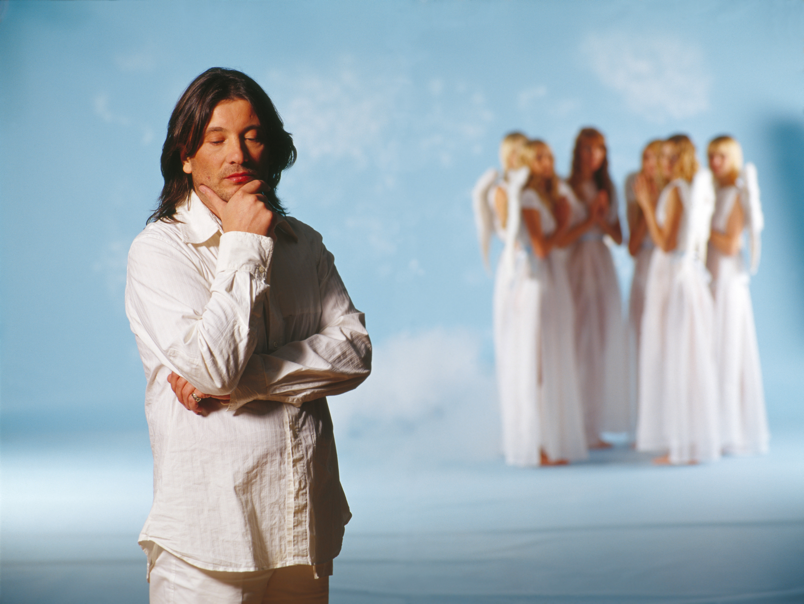
Above Alexander Shulgin has had a number of hits in a career that's spanned over 30 years. (Photo: Courtesy of Alexander Shulgin)
Alexander Shulgin has had a number of hits in a career that's spanned over 30 years. (Photo: Courtesy of Alexander Shulgin)
1 / 1
There’s a seminal album just waiting to be made with blockchain
All new music styles have been made through innovation. If there was no electricity, there would be no rock ‘n’ roll; if there was no keyboard, there would be no dance music. Technology is a gift to an artist. It means they can take the same seven notes and come out with something that is completely different. We’re always waiting for these new tools.
I think a blockchain with artificial intelligence could be used to create completely new sounds. It could create adaptive media, so the music listens to the sounds around us—background noise, conversation—and adapts accordingly. You will be able to mix music and reality; a new three-dimensional way to compose reality around you.

Lee Williamson is an award-winning media leader with over 12 years’ experience in Asia.
Joining Tatler Asia in 2017 as the first hire for Gen.T, Tatler’s content and events platform for the Leaders of Tomorrow, Lee has played a key role in shaping the brand from the ground up, using design thinking to build products that resonate with its audience of high-achieving young entrepreneurs across Asia.
An in-demand public speaker, content strategist and community builder, Lee was selected as a WAN-IFRA Young Media Leaders Fellow 2020.
Follow him on Twitter and Instagram @leesw1985.





