

Cover Photo: Ella Olsson / Pexels
Photo: Ella Olsson / Pexels
1 / 1
Be it for a cleanse, small changes to your meals, or a total lifestyle change, eating more mindfully is always a good idea
Mindful eating has been a buzzword for quite some time, and rightfully so! Knowing what we eat, where food comes from, how beneficial (or harmful) it is to our bodies and so on, is vital to health and nutrition. After all, knowledge is power. When planning your diet, always try to opt for foods that are nutrient-dense and chemical-free.
Below, we share tips to help those who want to adopt a more plant-based, vegan, or vegetarian diet—or pointers that can serve as a quick and easy guide for anyone who simply wants to be more aware of what they consume.
Related: Can mindful eating really help us live happier lives?
1. Eat fresh food


Above Photo: Anna Tarazevich / Pexels
Photo: Anna Tarazevich / Pexels
1 / 1
The fresher and less processed, the better. If you can get food as soon as it comes from the farms and the soil, then please do. This is the appeal of farmers’ markets and buying directly from producers—you get products with the least amount of handling. When foods are packaged, processed, and prepped with some chemicals to help with shelf-life, they may lose some nutrients, and you may ingest preservatives.
Another helpful tip for those who simply want to eat more mindfully is to focus on foods that are basic and whole, with the least amount of ingredients. When you turn a package around and read the label... that long winding list of ingredients can often be to your detriment. If you have a hard time pronouncing a lot of what's on the ingredients list, then maybe it's not for you.
2. Whole grains
Above Photo: Polina Tankilevitch / Pexels
Photo: Polina Tankilevitch / Pexels
1 / 1
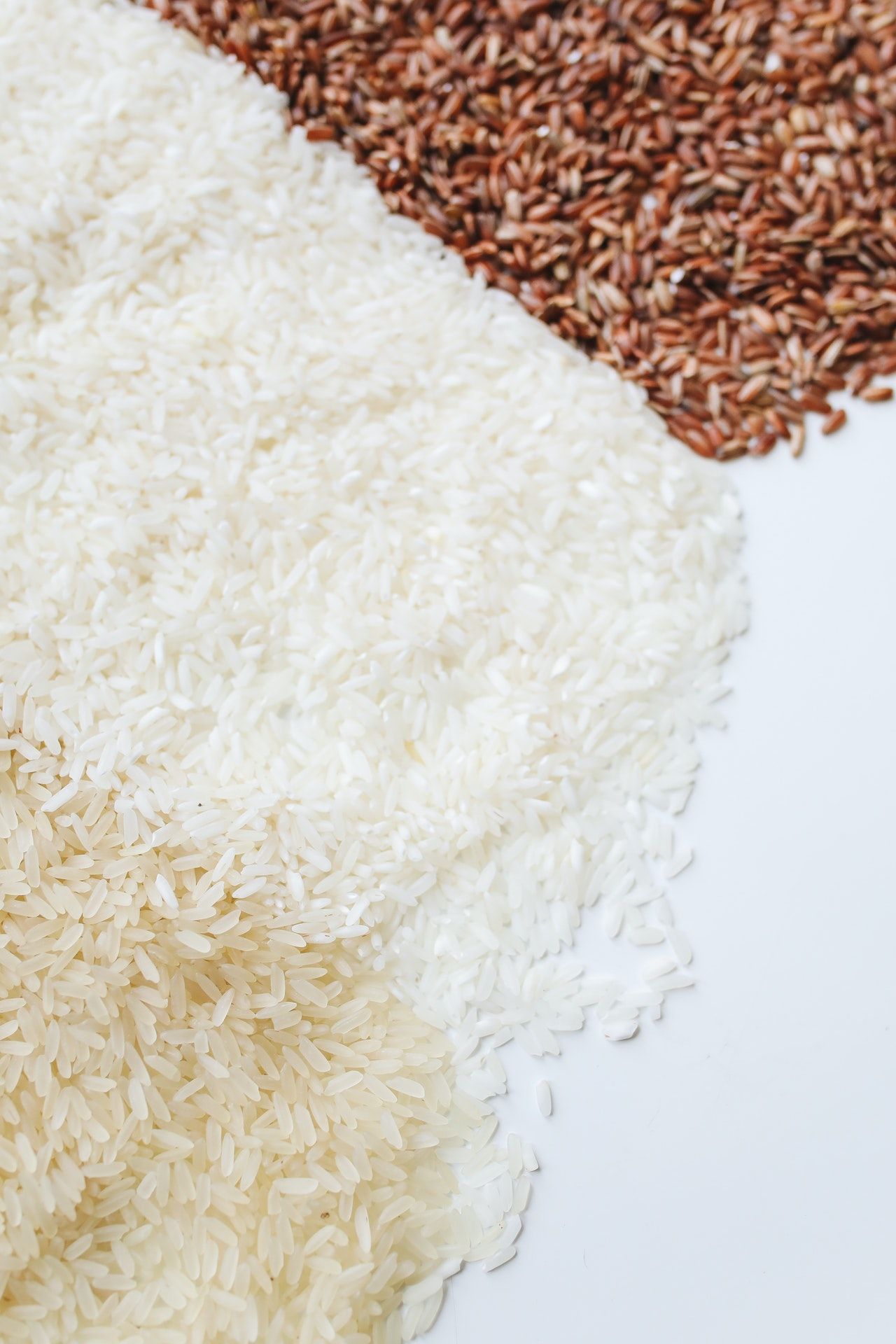
There are many interesting whole grains you can eat which are packed with nutrients. The less processed the grains, the more nutrients they deliver to your body, which is why instead of white rice, you should go for brown, red, black or wild rice. Quinoa and adlai are also excellent alternatives to white rice— they both have lower glycemic indexes, as other less processed whole grains do—which means they take longer to digest and will keep you full for longer since they release glucose into your system at slower rates. This also means you won't have as many sugar crashes.
Related: Rice alternatives you need to try
3. Plant-based proteins
Above Photo: Cottonbro / Pexels
Photo: Cottonbro / Pexels
1 / 1
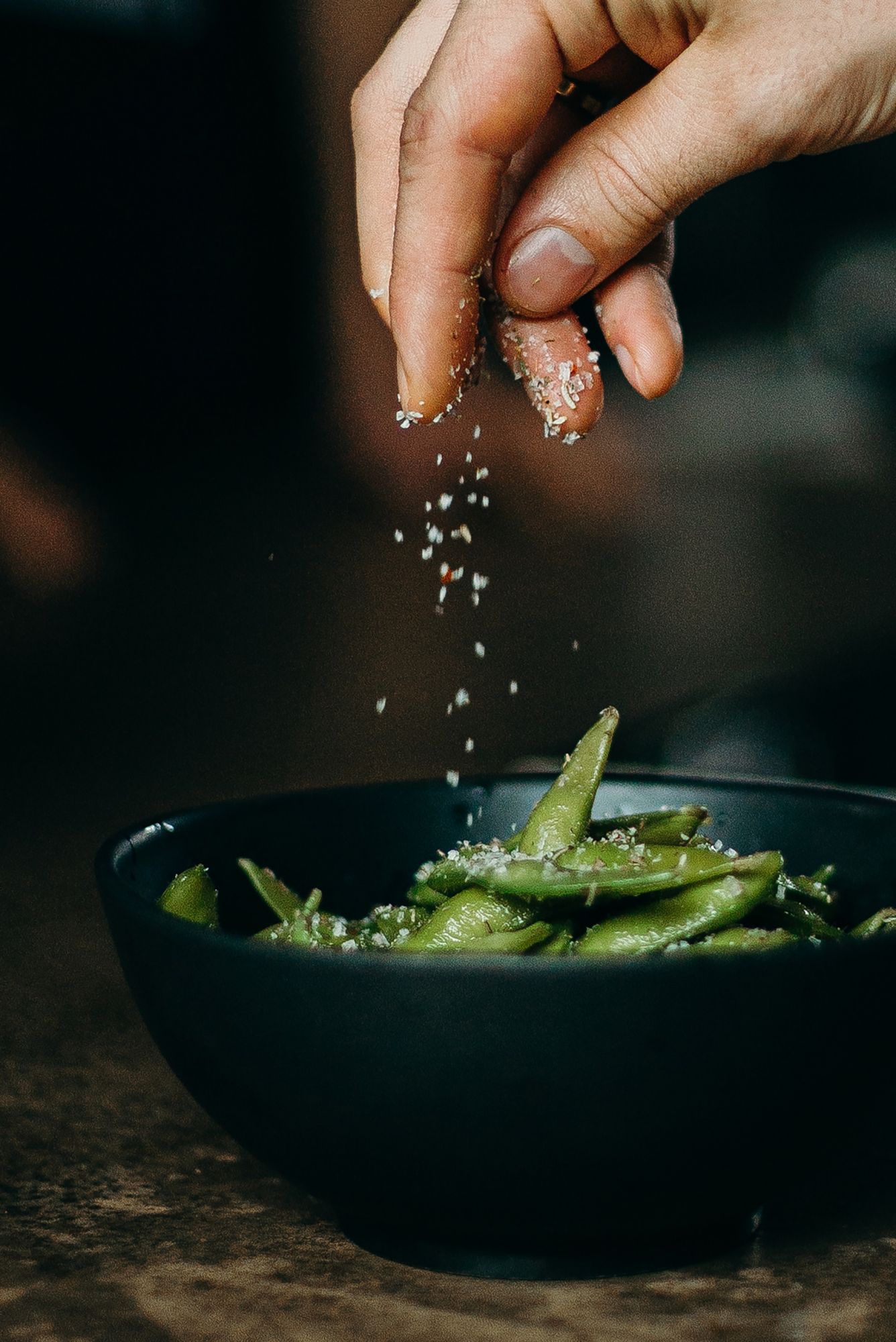
Since you won’t be eating meat and fish, you will need to get your daily dose of protein through other avenues. Luckily, there are many plant-based proteins which you can incorporate into your diet to ensure you do not have any deficiencies.
- Tofu
- Edamame
- Beans
- Lentils
- Whole grains (e.g. quinoa)
- Nuts (e.g. almonds)
- Chia seeds
- Chickpeas
- Tempeh
- Oatmeal
- Hempseeds
See also: Benefits of a high-protein diet: better skin, muscle retention, and more
4. Cheese and milk alternatives
Above Photo: Polina Tankilevitch / Pexels
Photo: Polina Tankilevitch / Pexels
1 / 1
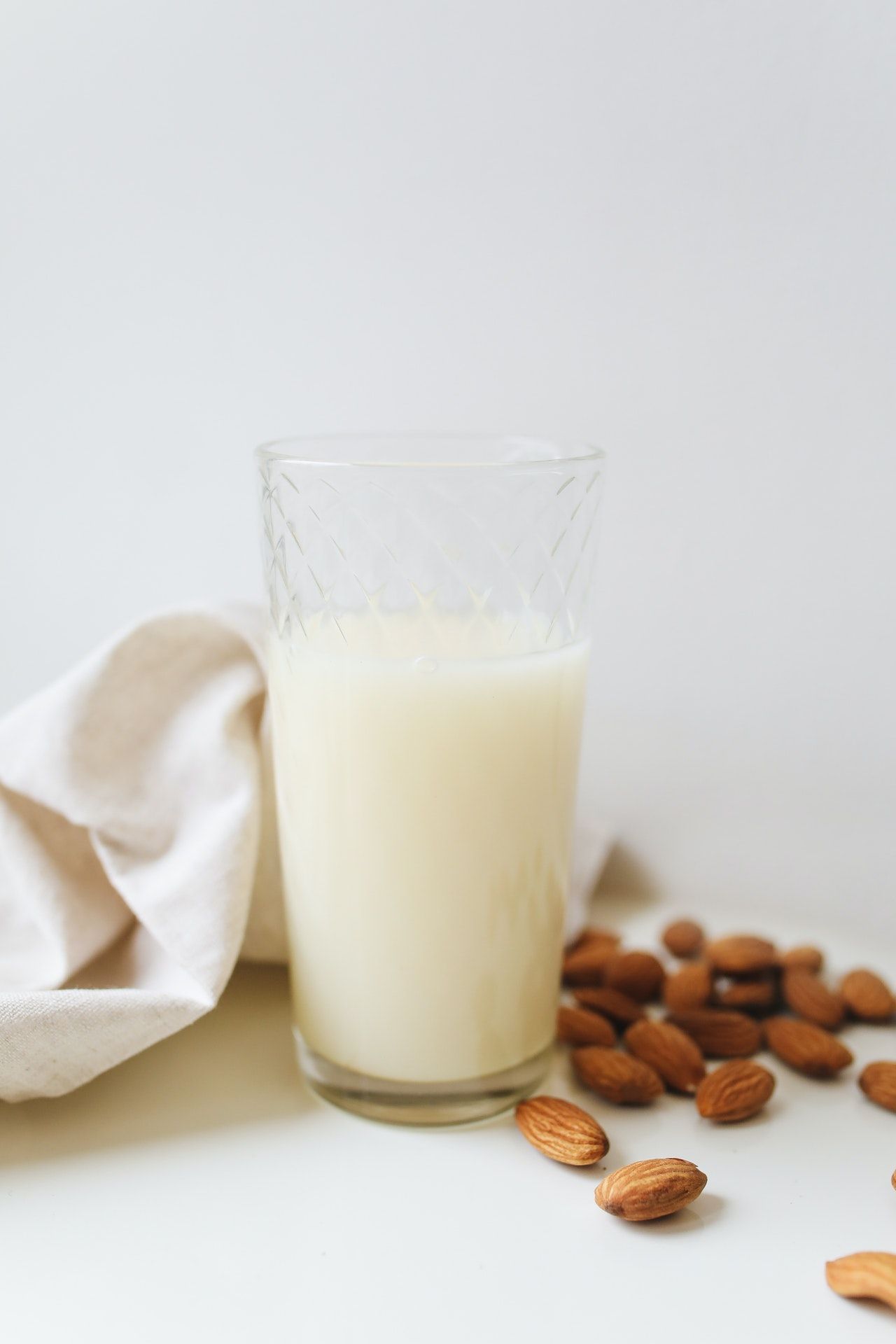
Instead of dairy milk, try alternatives like nut or soy milk. There are so many options, all of which bring their own flavour profiles which can enhance your meals, shakes, desserts and recipes. Play around with these milks: cashew, coconut, almond, walnut, pili, hempseed, pumpkin, and so much more!
See also: 5 Milk alternatives to try
5. Cold-pressed oils
Above Photo: Pixabay / Pexels
Photo: Pixabay / Pexels
1 / 1
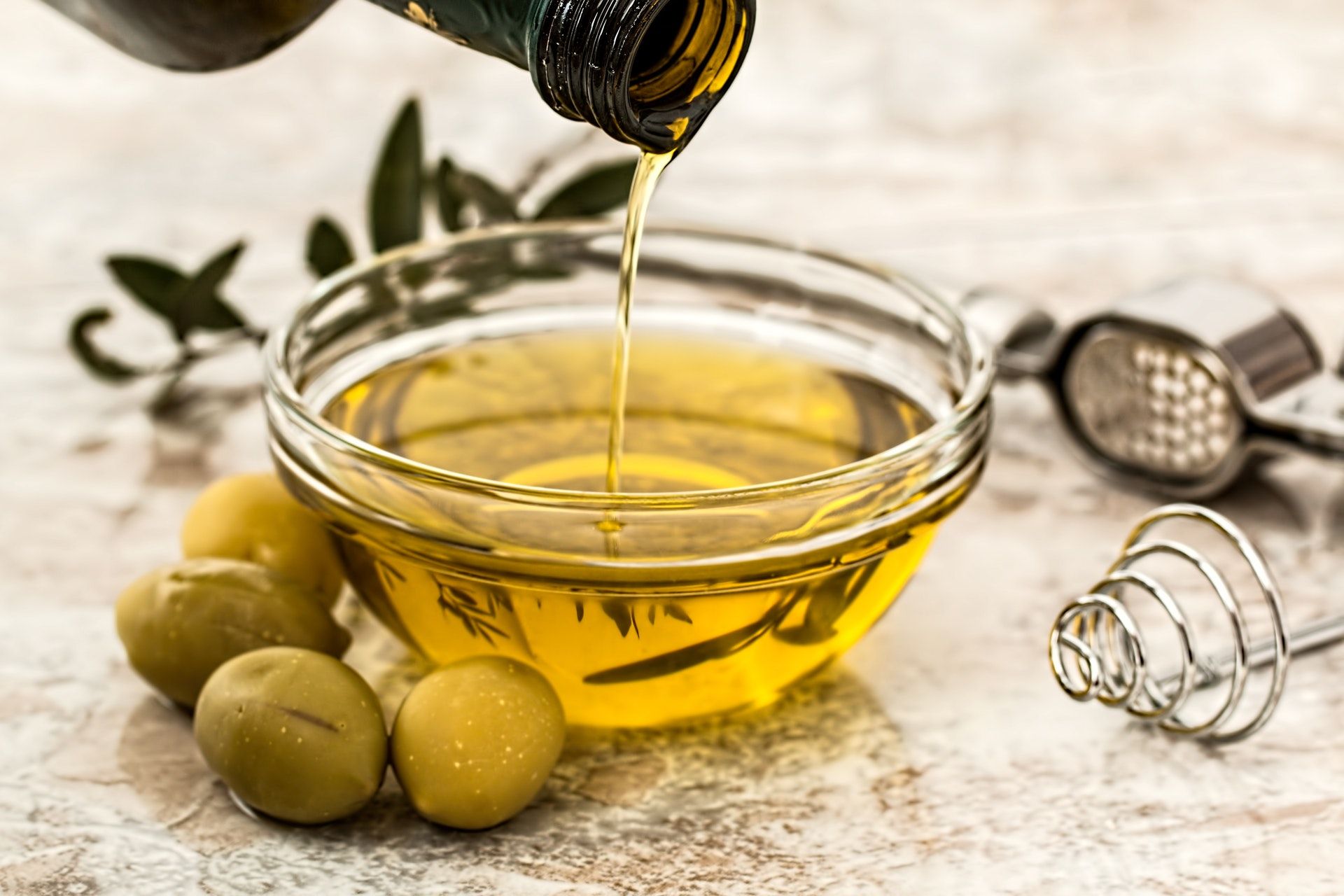
Cold-pressed oils are often made at room temperature or around 27 degrees Celsius and are processed without chemicals. This method keeps most of the oil’s nutrients and beneficial facets intact, which means that it is better for our consumption. The heat from hot-pressed oils can affect the structure of the oil and cause it to lose nutrients along the way.
6. No to faux
Above Photo: Snapwire / Pexels
Photo: Snapwire / Pexels
1 / 1
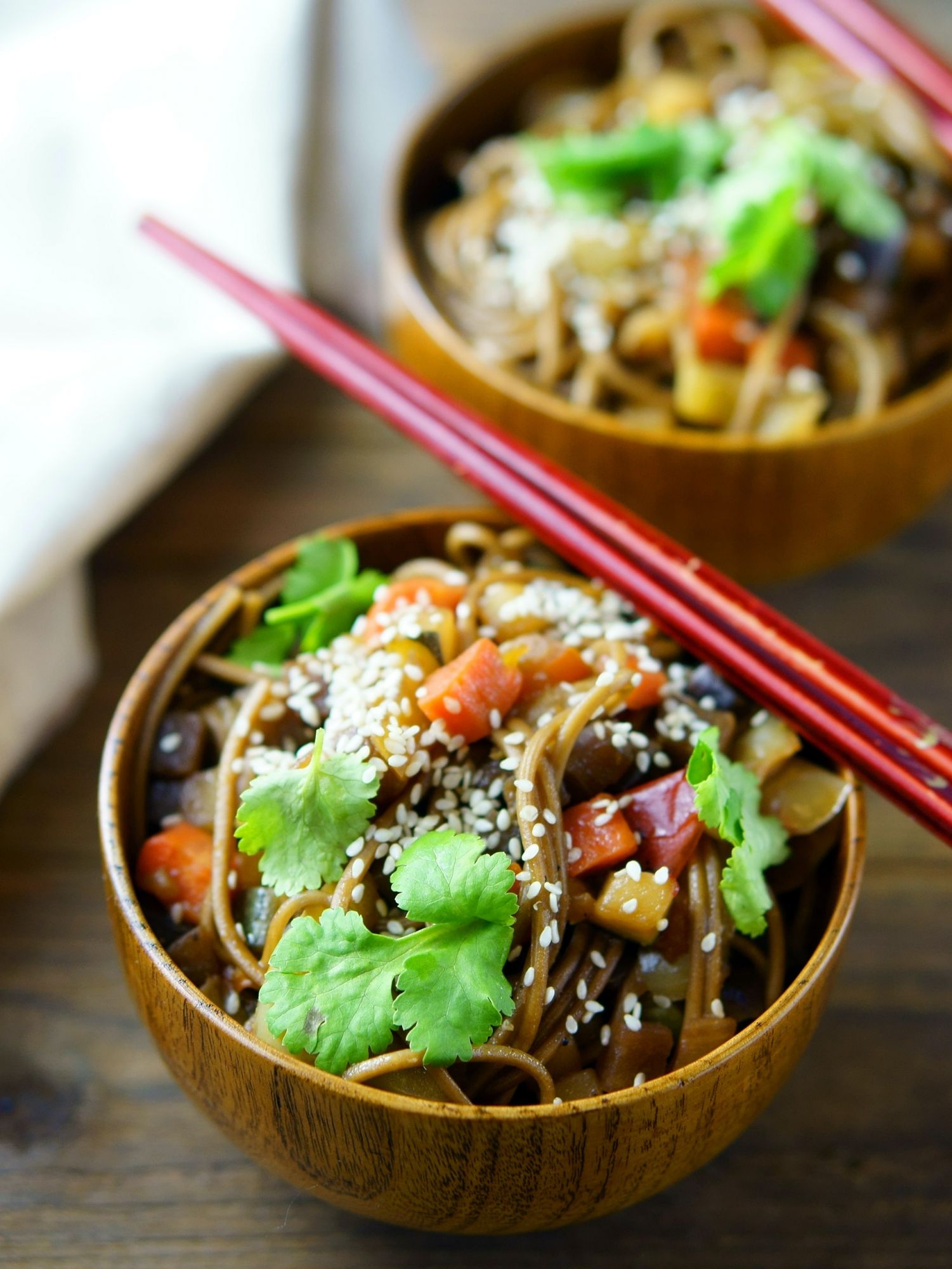
Don't depend on faux meats or foods made in laboratories. Yes, they are gorgeous developments in the fields of science, and can enrich your meals with intriguing textures and flavours. But these faux meat substitutes, more often than not, do not taste like the original and will leave you wanting more. Diners may not feel satisfied, and it may make it harder for you to stick to your cleanse or meal program.
I personally am not a huge fan of foods that are engineered to try to be other foods. Instead of ingesting meals that go through complicated chemical processes, why not work with whole foods and cook up innovative recipes that show off the produce? You can create cauliflower crust pizzas, sandwiches, chips, arancini, broccoli tater tots, wraps, pasta, skewers, and so many different kinds of desserts or bread. When cooking up plant-based meals, treat your vegetables like meat and cook them up the way you’d do proteins. There is no reason why you cannot season them just like you would your favourite steaks and birds. Vegetables have great natural flavours that can be complemented by herbs and spices.
NOW READ
Popular Korean dishes with vegetarian options that locals love
Dining’s greatest misunderstanding: The truth about MSG
High-protein foods (that aren’t eggs) to include in your diet
Credits
Images: Pexels
Topics

About
Isabel loves to learn, and see things from different perspectives. Connecting with people and engaging in new experiences to broaden her horizons is what inspires this storyteller, keeping her constantly curious, and excited for what's to come. An absolute love for all things F&B ignited a hunger to devour content from this world and keeps her jumping into tasty adventures around the globe. From the beauty of simple bites, to nuanced fine dining tasting menus, street food, and the art of entertaining, the multi-faceted nature of the dining experience is something she can't get enough of. A good cup of coffee or a glass of wine paired with a dash of witty conversation is a quick way to win her over. This editor loves travelling, food, music, skincare, fitness, and is only friends with people who love dogs. Guilty pleasure?: Binge-watching TV shows and movies she has already seen.
Work
Concept creation is the name of the game and branding takes centre stage in Isabel's day-to-day schedule. From producing shoots, conceptualising bespoke projects for our partners, relationship management, to cooking up features and events for Tatler Dining, this editor is a tried and tested foodie at heart. She mainly writes content for Tatler Dining, engaging in captivating discussions with restaurateurs, chefs, producers, and food enthusiasts to tell must-know stories. Aside from that Isabel manages Tatler Dining's flagship events like Off Menu, or Cocktail Festival and puts together the Tatler Dining Guide, our annual listing of the best eats around town.
Follow her on Instagram @isabelvmf.





