

Cover Photo: Unsplash
Photo: Unsplash
1 / 1
Why do we eat roast turkey for Christmas ? Why is KFC big in Japan for Christmas? The answers may surprise you
Think of Christmas dinners, and very specific foods usually float about in your head. Succulent roast turkey. Goblets of eggnog. Mince pies, candy canes and cakes. Truly a delicious feast, but why exactly are these foods associated with the Yuletide season?
See also: The Ideal Christmas Dinner According to Heritage Pizza Founder Tony Delachi
1. Turkey

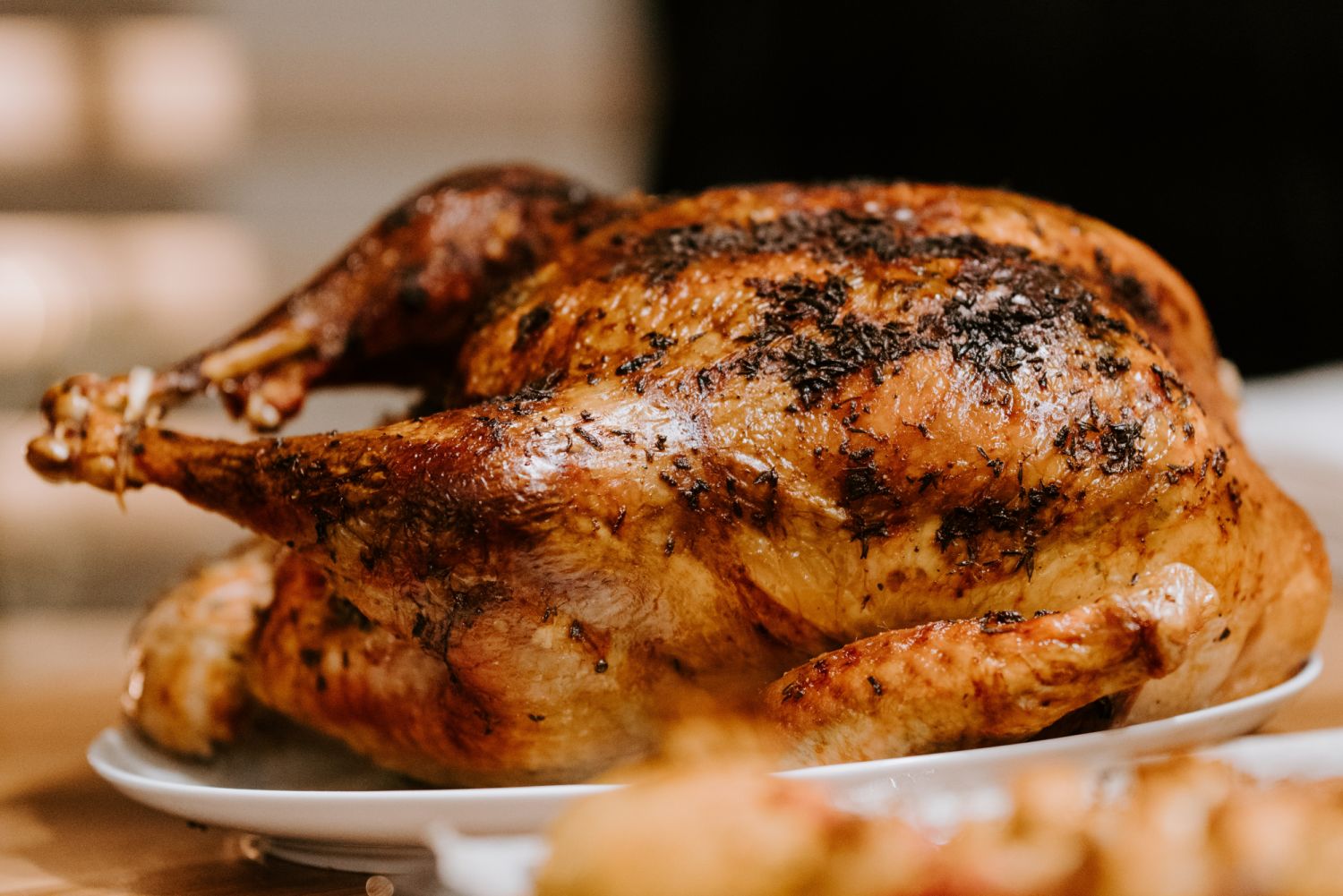
Above Roast turkey (Photo; Pixabay)
Roast turkey (Photo; Pixabay)
1 / 1
In the past, goose was the most popular meat for British Christmas times. Poor families could not afford to slaughter a cow, while chickens would lay eggs through the year, making them too valuable to waste. Geese, however, only laid eggs seasonally and could be fattened up for Christmas.
Geese had less flesh compared to other birds, and as families grew bigger and bigger in the 19th century, just one bird would not enough for a meal. Around this time, fleshier turkeys were being imported from America. King Henry VIII is believed to be the first person to have turkey on Christmas Day. A century later, turkeys overtook geese as the most popular Christmas meat.
See also: Christmas 2021: 14 Hotel Dining Promotions For A Festive Meal
2. Mince Pies
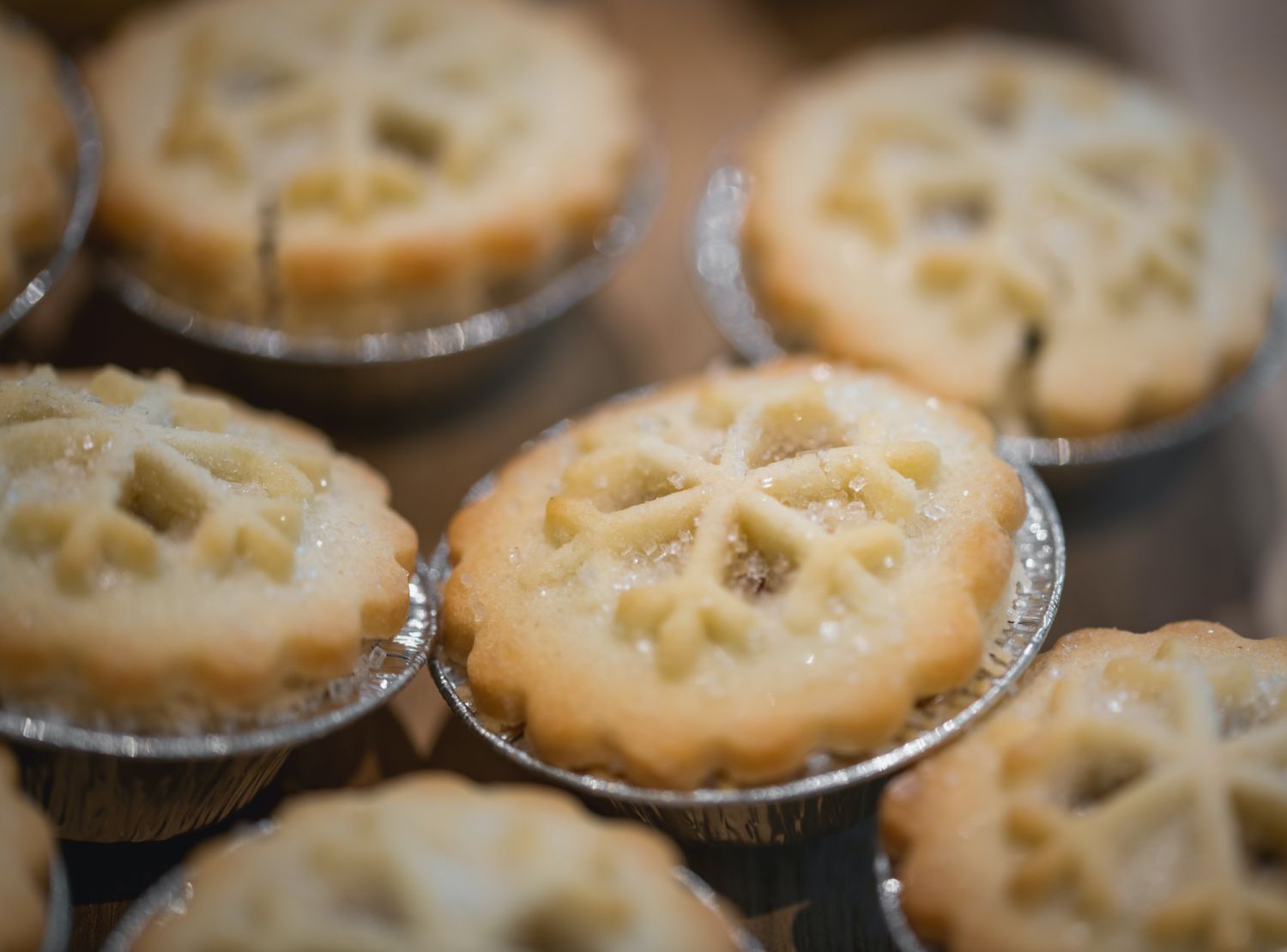
Above Mince pies (Photo: Pixabay)
Mince pies (Photo: Pixabay)
1 / 1
In the 16th century, mince pies used to be filled with beef and considered a savoury delicacy. Today, they are commonly made with a mixture of dried fruits, sugar, spices, and brandy. They also used to be much bigger, enough for 20 people, and were rectangular in shape.
In Georgian times, these pies became a status symbol, with richer households baking them in different shapes to prove their wealth. As time went on, sugar became cheaper and more accessible. Mince pies lost their meat filling and became smaller, slowly becoming the treat we know today.
3. Eggnog
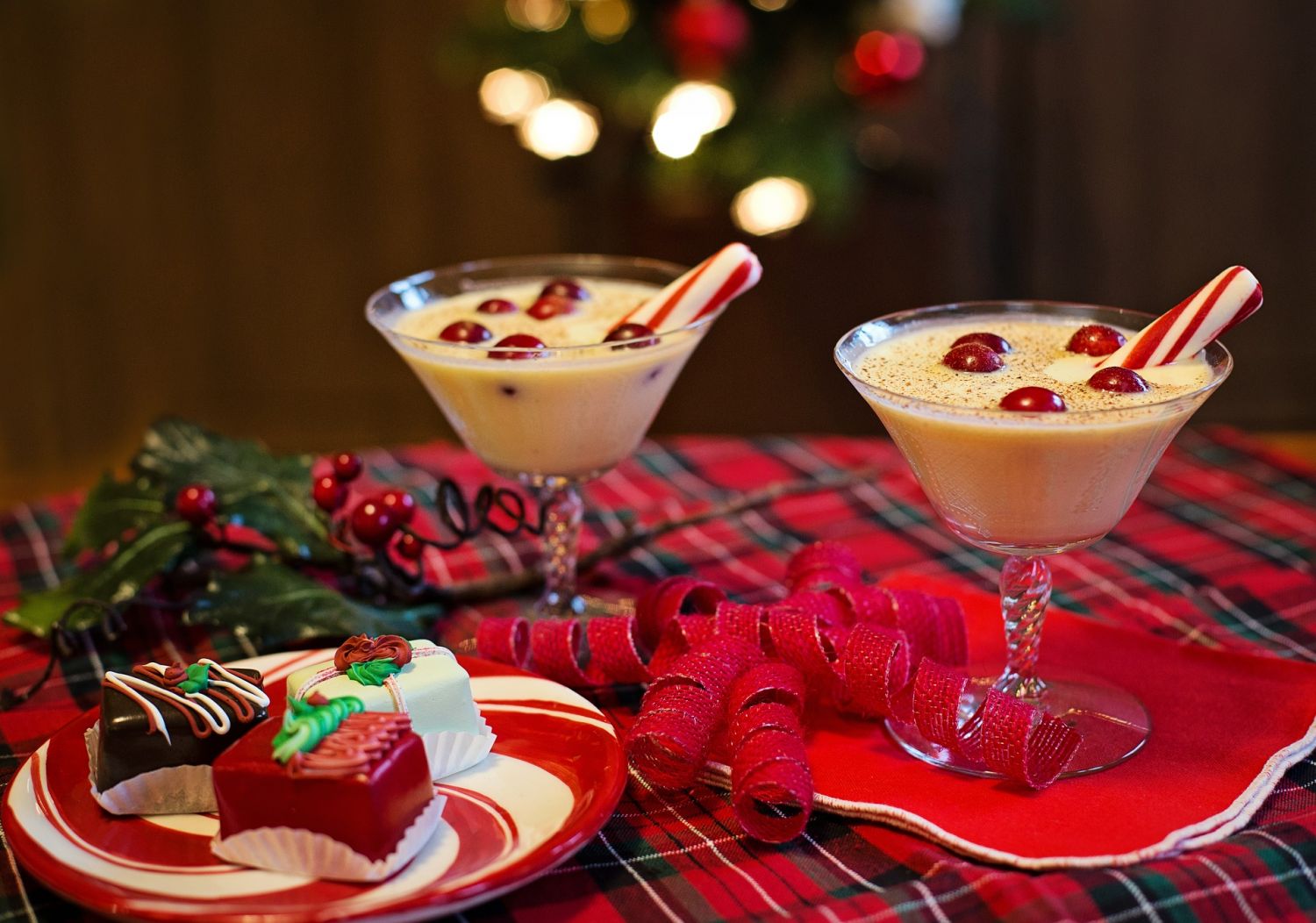
Above Eggnog (Photo: Pixabay)
Eggnog (Photo: Pixabay)
1 / 1
Made with whipped egg yolks and whites mixed with spirits is purported to have been a favourite treat of the American president George Washington. Its exact origins are not known but historians believe its ancestor was a warm milk and ale drink from early medieval Britain, reserved for toasting to good health and fortune among the upper class.
It is also commonly believed that the ‘nog’ in the name stems from ‘noggin’, a Middle English term for a small, carved wooden mug used to serve alcohol.
See also: Wine Crush: The Allure Of Orange Wine
4. Yule Log
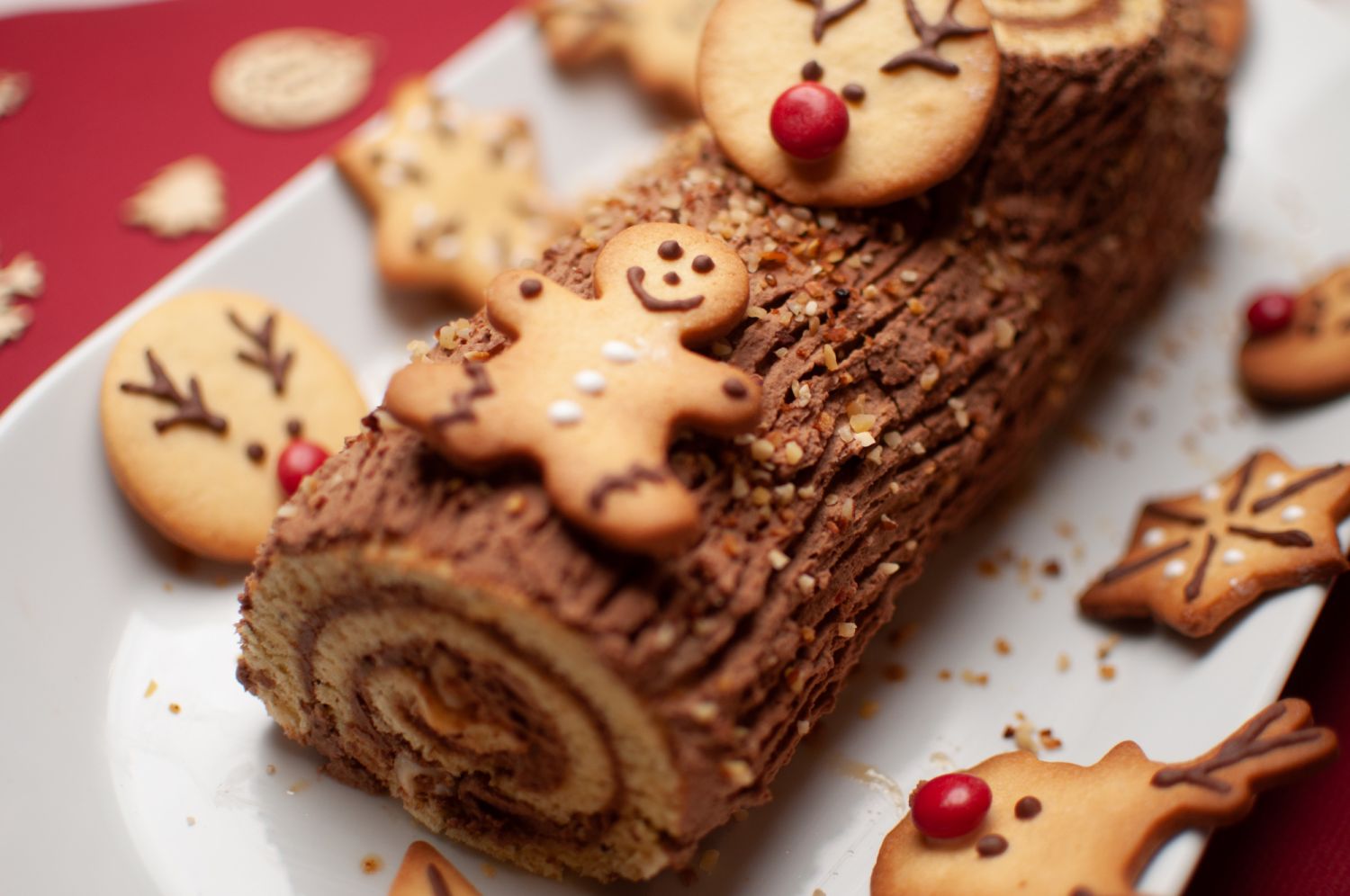
Above Yule log (Photo: Unsplash)
Yule log (Photo: Unsplash)
1 / 1
The tradition behind this festive practice go all the way back to the Iron Age. The Celts would burn large decorated logs for twelve days of Christmas to celebrate the winter solstice. It was considered bad luck if the fire went out before the last day.
It became harder to keep up with this tradition as houses and fireplaces became smaller and smaller. Soon, few homes were big enough to support the burning of whole logs. Someone suggested crafting a cake in the shape of a log and baking it in their fireplace instead. This idea was eagerly adopted, and the yule log cake was born.
See also: Christmas 2021: 9 Dining Treats for a Delicious Season
5. Panettone
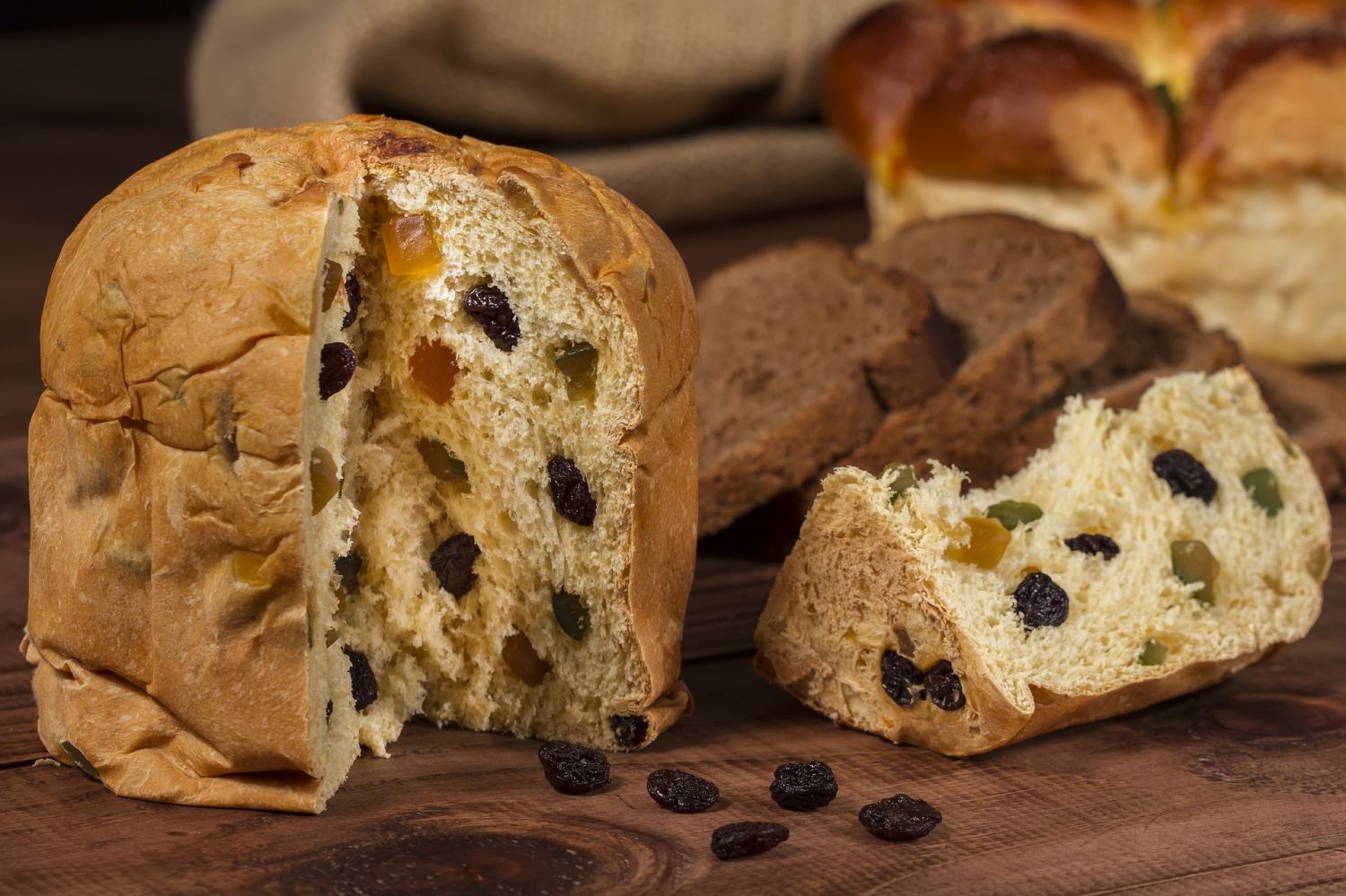
Above Panettone (Pixabay)
Panettone (Pixabay)
1 / 1
Popular in Italy, panettone is a cake-like bread with currants or raisins and citrus peel. A story from the 1500s goes that a baker named Toni accidentally burnt the cake meant for the town’s Christmas feast. To salvage matters, he added ingredients like candied fruit and raisins. This new dish was such a success, it was named Toni’s Cake, or Pan Di Toni.
6. Candy Canes
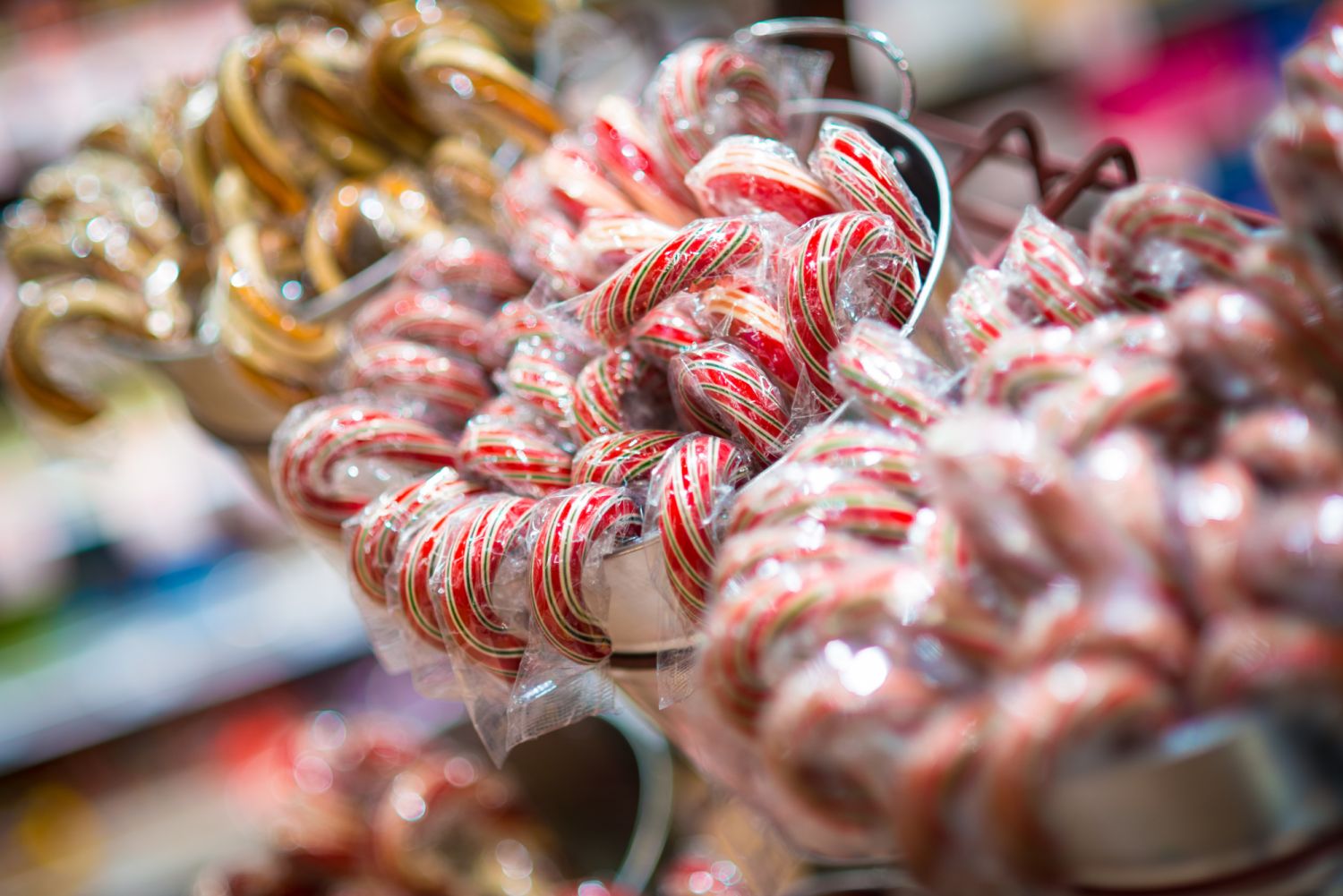
Above Candy cane (Unsplash)
Candy cane (Unsplash)
1 / 1
These popular sweets were originally plain white. According to legend, they originate from Cologne Cathedral in Germany, where a flustered choirmaster was trying to keep the children of the church quiet for an upcoming Mass service. He eventually succeeded by handing out sweet snacks to the children.
Some stories say the choirmaster shaped his sweets to form ‘J’ for ‘Jesus’, while other stories say they represent a shepherd’s crook, another popular Christian metaphor. Red and white stripes and peppermint flavouring were added in the 19th century to make these sweets more aesthetically appealing.
7. Kentucky Fried Chicken
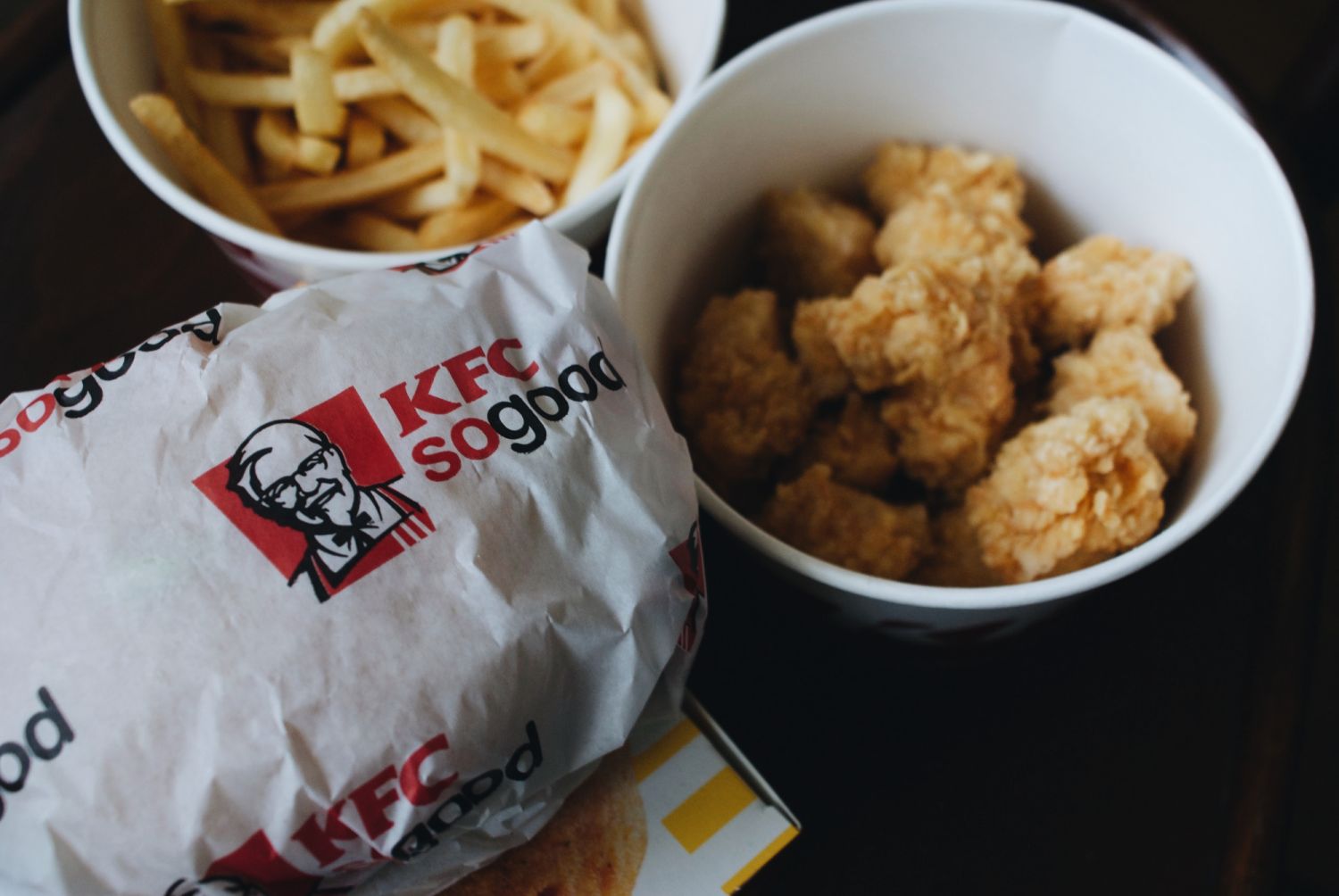
Above KFC (Unsplash)
KFC (Unsplash)
1 / 1
Wait, is this really a Christmas tradition? You may be surprised. In Japan, the Yuletide season is associated with a big bucket of fried chicken, so much so that Christmastime has been the busiest time of year for KFC in the Land of the Rising Sun for over 40 years.
How did this American chicken brand become a Christmas phenomenon? It all comes down to a clever marketing campaign. In the early 1970s, Japan’s small but rising Christian population wanted to enjoy Christmas dinners too. Turkeys were expensive to import so the Japanese settled on the next best thing: fried chicken.
KFC Japan’s marketing team saw this as a great opportunity and launched a Christmas campaign in 1974 with the slogan ‘kurisumasu ni wa kentakkii’ (Kentucky For Christmas). The impact of its enormous success lives on till today; in fact, in 2019, five percent of KFC’s annual revenue came from Christmas Eve alone!
NOW READ
A Vegan Christmas: Easy Meat-Free Recipes For the Holidays

Terence Toh is the Dining Editor of Tatler Malaysia.





