1 / 1
The keen preserver and owner of Tasmanian Gourmet Sauce Company visited Hong Kong to share his pot-to-jar passion

While fermentation has been a growing trend in the world of gastronomy, we’re thinking canning could be next. The process generally refers to preserving food in jars, covering everything from pickling, fermenting, or preserving with salt, alcohol, and the most commonly known preservative: sugar. The abundant selection of jams and preserves available for our choosing is one of the reasons for us to purchase over making at home. Yet, in other countries, smaller preserving businesses have thrived for years, creating small batch jams and selling them at farmers’ markets—and Tim Barbour is one of them.
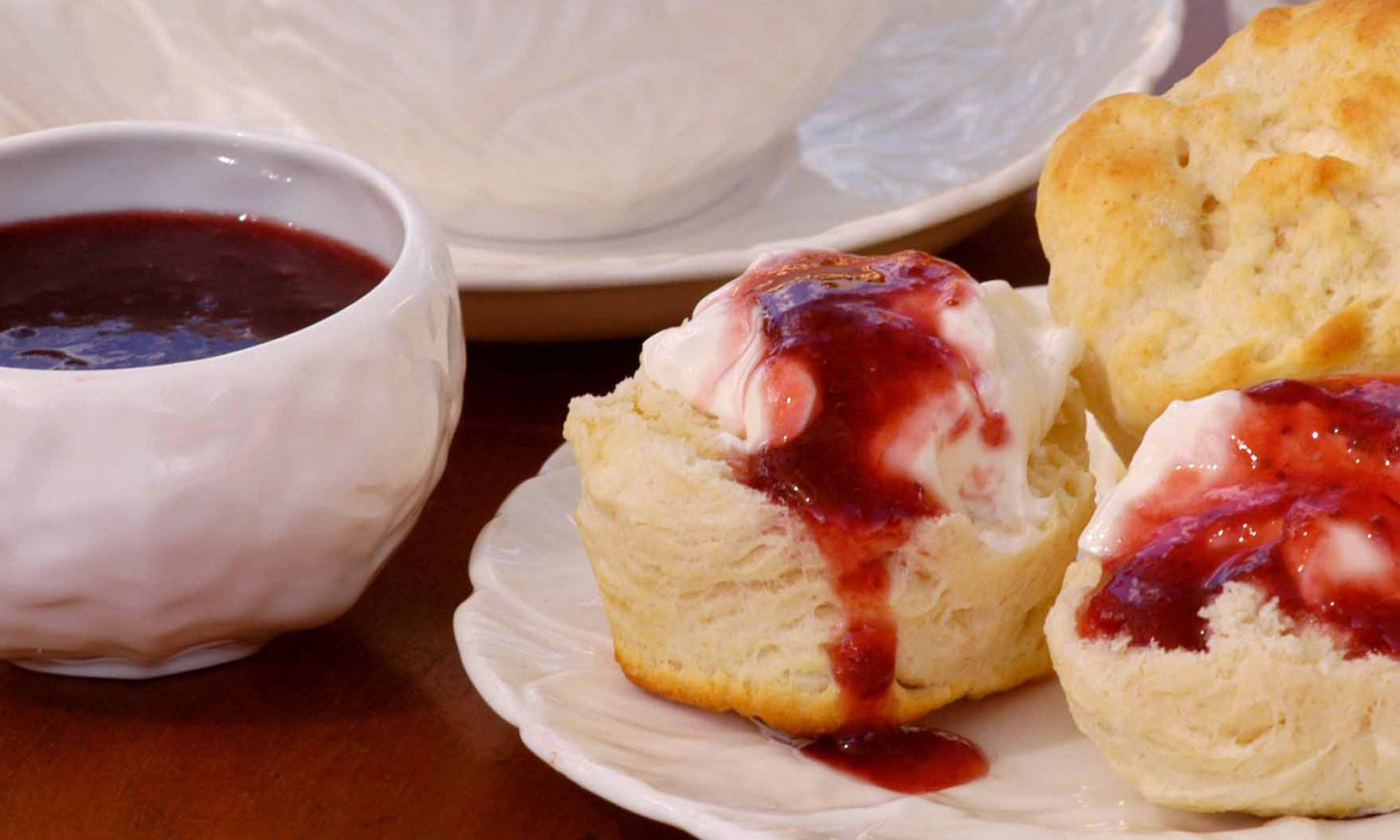
A freelance landscape architect by profession, 67-year-old Barbour started the Tasmanian Gourmet Sauce Company 21 years ago with his wife out of a simple desire to create a fruit sauce to serve with ice cream. From one sauce to numerous jams, marmalades, sauces, and mustards, the company remained a small business but shipped finished preserves worldwide. Barbour explains to us what makes a good jam.

The word ‘artisan’ is getting bastardised in mainstream food culture. My wife and I run a small sauce business and we do things the old fashioned way.
Jams are fruits cooked in sugar. Marmalades are mostly made with citrus fruits and have shreds of rinds in it. Conserves are like jams, except the fruits tend to be whole.
Natural is the key to a good jam. Commercial jams require chemical setting agents to solidify the jams into spreadable consistency. A good jam, as nature intends, can be made with natural pectin from lemon juice and apples.
Consistency of the product varies by personal preferences. Some like their jams runny, some like them more set to spread on toast. Marmalades, however, are stricter. When holding against the light you should be able to see through a glass of good marmalade.
I believe the best way to make jam all year round is to pick the fruit at its peak and freeze them. At our storage we have raspberries, apricots, and peaches picked at their peak and frozen until production time is called for.

Sugar content is the recurring dilemmas in jam discussions. People worry the sugar content is too high, but my take on it is that sugar is used as a preserving agent, and one does not consume an entire jar in one sitting. Moderation is the key.
Local produce is the best way to preserve. We have a small farm and we rely on neighboring farms to produce enough fruits for our production, even the whiskies and port we use are made in Tasmania, Australia.
Creating a new jam can take up to a few months, from recipe testing to creating prototypes and blind tastings. Everything is recorded and accounted for before finalising the product with the best texture and flavour.
There is no ‘best tasting time’ for jams. Berry jams are good the minute they are preserved. Citrus marmalades, especially with liquor added, will take an extended period of time for the alcohol to fuse with the fruit to bring out the depth. That takes a few weeks’ time.
Jams are versatile. You can use it on bread, with tea, and fill pastries. I use some of my jams to glaze meats during the preparation process. For instance, our our blueberry-port jam goes well with poultry, and whisky Seville marmalade with ham.
Topics


Wilson Fok was formerly the Senior Dining Editor for Tatler Asia Hong Kong, overseeing Tatler Dining Hong Kong and the annual Hong Kong Tatler Best Restaurants guide. As well as penning the latest stories about the city's latest restaurant openings and food culture, he is passionate in the search for new directions and trends in food and drink. Follow his food journeys and jam-making adventures on Instagram @happyquince
Curated for you
The stories, profiles, and cultural moments featured on our Instagram feed