
1 / 1
As pumpkin pie is key to Thanksgiving, so is fruitcake to Christmas
Christmas has just passed, although Epiphany or Three Kings’ Day on January 6, is the Christmas season’s official closure for some. The fruitcake traditionally eaten during this holiday time and its alcoholic content inside, however, will last till January and onto the next Christmas celebration in some traditions. First started during the Roman times before spreading out of Europe to other countries, we have listed a few interesting versions of this delicious, humble brown cake. Munch on!

Dundee Cake
Scotland and its modern version of the Dundee cake was created in the 19th century by a marmalade company, though the story was that Mary Queen of Scots didn’t like candied cherries in her fruitcake. Sometimes with whiskey and zests, and always with currants, sultanas and almonds, the cake was made and marketed in India until 1980 with a decoration on top of a concentric design made from almonds. Enjoy a good slice with your favourite cup of tea, just like Queen Elizabeth was once reported to favour, during a lightly drizzling afternoon.
Allahabadi Cake
India actually has its own version of fruitcake made with local ingredients namely maida flour and petha, or winter melon candy. Marmalade, rum and nuts are also added in besides ginger, mace, cinnamon and fennel, among other variations. Allahabadi cake, as it’s named after the Allahabad city in which one famous bakery called Bushy’s resides, has its own following cult. Loyal customers even from abroad come to book a date and queue outside after getting their own ingredients delivered to be hand-mixed for 45 minutes and baked for two hours by the Aslam family.

Panettone
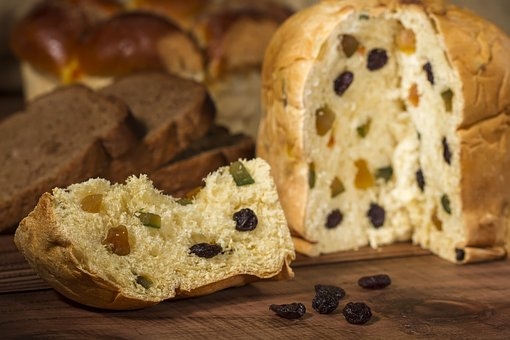
Unlike its fruitcake cousins, Italy’s panettone is more of a sweet loaf of bread rather than a cake with non-soaked fillings of dried and candied fruit and zest. Shaped to a dome on a normally cylindrical base, the height usually reaches 12-15cm for a 1kg cake. This is possible due to several days of proofing and around 20 hours of raising the dough before baking. The resulting bread is distinctively fluffy and served along sweet hot beverages or sweet wine, or topped by mascarpone-based cream, or drizzled with light custard called zabaione.

Stollen
Stollen from Germany is a more a dense fruit bread with rum added to the dough mixture. A moist texture is then achieved by slathering melted butter and rolling the bread in sugar as soon as it comes out of the oven, which helps to keep it for longer period, too. Candied fruits and zests are added alongside raisins, marzipan and almonds, which can be macerated in rum or brandy, plus spices of cardamom and cinnamon. Go to Dresden for a yearly Stollenfest serving giant three-to-four tones bread with proceeds going to charity.
Photo credits to: Pixabay, Daily Meal and RecipesPlus





