1 / 1
Hong Kong's infatuation with Italian cuisine shows no sign of waning, and we look at the newest wave of chefs changing the way we eat

Unlike many dining trends that reach a crest and then fizzle out, Italian cooking, with its comforting dishes and familiar flavours, has long been a constant in our city of fads and fashions, and the last two decades have been a golden era for Italian restaurants in Hong Kong. Now, newcomers such as Il Milione, L’Altro, and 121BC are adding unexpected interpretations to the scene.
Tsim Sha Tsui’s La Taverna is largely cited as the oldest traditional Italian restaurant in the city, and it only opened in 1969, serving dishes such as fettuccine all’alfredo and veal ossobuco (Giuseppe and Aldo Machetti, the brothers who opened the eatery, hail from Milan, where that dish originated). The restaurant was listed in the inaugural edition of Hong Kong Tatler’s Best Restaurants guide in 1984, the reviewer commenting on the rustic décor (“the usual hanging straw-covered fiaschi”) and the “well-prepared” pizzas and “nicely al dente” pastas. Desserts, which were deemed as “not particularly imaginative”, included the “unavoidable zabaglione al marsala”.
Cast an eye over Italian menus in Hong Kong today, however, and things could not be more different. Many attribute the switch to Umberto Bombana of 8 ½ Otto e Mezzo. Bombana started his local career in 1993 at Toscana, then housed in the old The Ritz-Carlton Hong Kong in Central. He is also credited with introducing Alba white truffle to Hong Kong, lifting the profile of Italian cuisine into a higher realm.

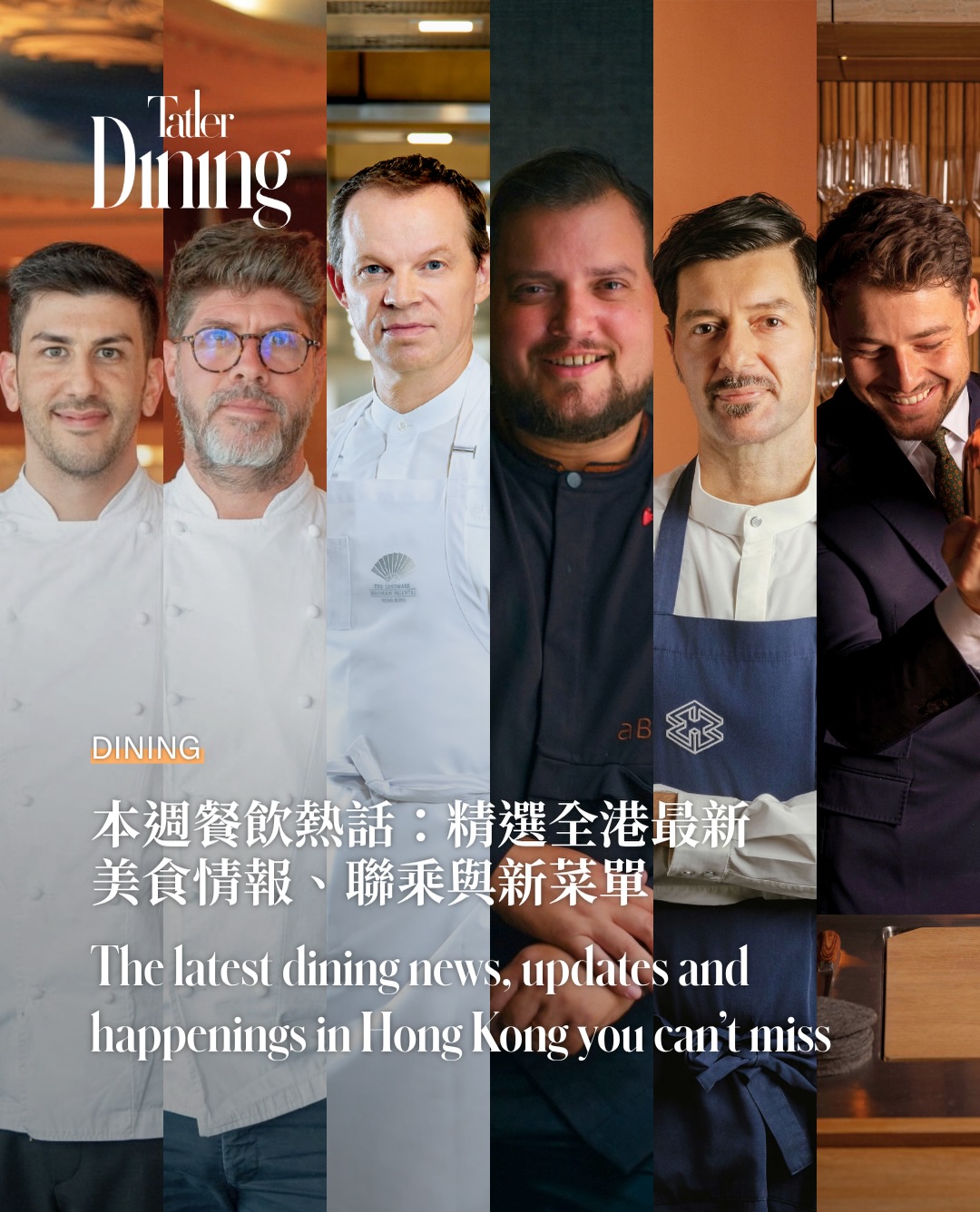
Two decades on, the Italian chef is still widely lauded by his peers, even those who have just arrived in the city, such as Pino Lavarra, the 44-year-old formerly of acclaimed Rossellini’s restaurant at Palazzo Sasso hotel on Italy’s picturesque Amalfi coast, and who now helms Tosca on the 102nd floor of The Ritz-Carlton Hong Kong in West Kowloon. “I respect all the Italian chefs here, but Bombana was the first one – the one who brought [modern] Italian food here and opened it to the public,” Lavarra says, stirring his single espresso. “He showed Hong Kong how Italian food is meant to taste.”

Like Bombana, Lavarra hopes to educate locals on the diversity of Italian cuisine. The chef, who hails from Putignano in southern Italy’s Puglia region, explains that, little by little, he is trying to introduce ingredients and techniques that will make diners do a double take. “My food is completely different to what anybody expects an Italian meal to be like,” he says. And one has to accept his statement – Lavarra’s artful creations include intricate oddities such as “sea tiramisu”, where layers of seaweed emulsion, dried tuna powder and sweet, raw Sicilian prawns combine to create something that transcends all notions of Italian cuisine. “I think southern Italy has plenty of ingredients left undiscovered,” Lavarra says. “The red prawns nobody knows, the dried peppers, the peaches that are so small they look like olives.” To Lavarra, Italian cuisine has moved on dramatically from the days of La Taverna. “We’re not still back in the ’60s,” he says. “Everything evolves. And Italian food moves on, as well.”

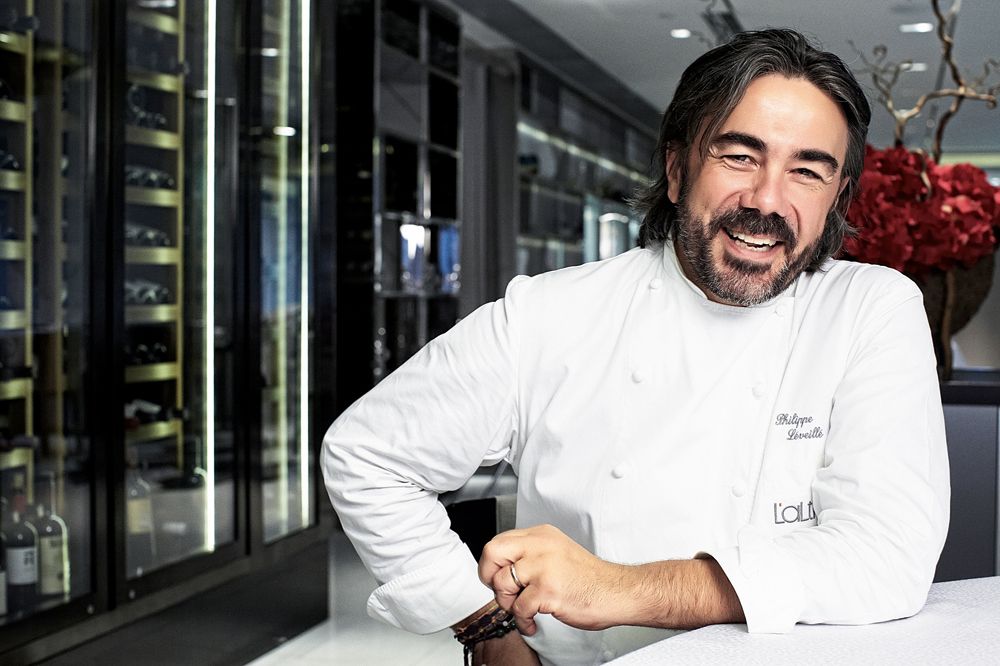
Working in a similar realm is L’Altro in Central, the first restaurant in Hong Kong by French-born chef Philippe Léveillé, creator of Miramonti L’Altro restaurant in Brescia, northern Italy. The style of cooking here is very much of the moment, with delicate presentation far removed from the trattoria-style cooking of the past. The chef’s signature dish of homemade spaghetti with Italian clams, confit tomatoes, Pantelleria capers and seawater emulsion is an elevation of classic vongole, the tangle of pasta tamed into a delicate cocoon, over which a seafood foam is spooned to evoke the scent of the ocean.
“What I am proposing here in Hong Kong is my personal interpretation of Italian cuisine, free of what we call Italian stereotypes,” says Léveillé with characteristic nonchalance. “I truly believe that Hong Kong people like good food more than a specific cuisine. If they are so in love with Italian food, then we are doing a good job.”
Lavarra, for his part, agrees with his partner in cuisine. “Italian food is very well loved around the world. I think, in Hong Kong, we are already at a very high level, so we’ll be fine,” he says, before adding with a wry smile: “And if it doesn’t go fine, we’ll go back home.”
Topics


Charmaine Mok was formerly the Content Director of Dining for Tatler Hong Kong, overseeing Tatler Dining, the Off Menu festivals and the annual Tatler Dining Guide and Awards. As well as penning the latest stories about the city's newest restaurant openings, dining trends and food culture, she's constantly searching for leads on new flavours, food personalities, and thrilling new culinary destinations. Follow her on Instagram @supercharz
Curated for you
The stories, profiles, and cultural moments featured on our Instagram feed