1 / 1
Feast away this Chinese New Year at Di Wei and give its exceptional Poon Choy dish a try.

[Editor's note: Di Wei is a non-halal establishment]
Being one of the more established addresses in Klang Valley, Subang’s food and beverage scene is often lively and bustling, as it caters to the needs of its large and extensive residents as well as those from Shah Alam, Klang, PJ and Puchong region. It is no surprise then that most eateries here, especially on the higher end market, often keep the quality of their cuisine to a high level to stay ahead of the competition. One such establishment that leaves an impression is Di Wei Chinese Restaurant, a modern Cantonese non-halal restaurant situated at Empire Hotel Subang.
Its spacious interiors promise plenty of room for those who wish to entertain, especially with Chinese New Year coming up, be it for corporate reasons or for family reunions and gatherings. Chef Yong Thian Teik has prepared a variety of specialties and menus for this festive occasion to suit your palate as you usher in the Year of the Horse in good company.
Of course, the must-try here for Chinese New Year is Di Wei’s auspicious Fatt Choy Salmon Yee Sang. Often served as a part of a multi-dish appetiser, yee sang often symbolises good luck for the New Year and tossing this colourful dish has become a fully-integrated tradition in most Chinese households. Chef Yong’s yee sang is served with salmon slices and green apple sauce, aside from your staple ingredients such as carrots, red pepper, radish and turnip, among others. We like the fact that the vegetables used for the yee sang here are mostly fresh, instead of the pickled variety, especially the unique deep-fried taro (yam) strips.

As part of the joyous mood that accompanies the festivities, a smiling waiter or waitress will use prosperous words as he or she adds ingredient after ingredient onto the basic plated shredded vegetables. For example, phrases such as Nian Nian You Yu are uttered as the raw fish is added to the plate, as the word yu (meaning abundance) sounds the same as the Chinese word for fish. The service brigade here at Di Wei takes great pride in performing this act of blessing, so sit back and let them take care of it for you before the tossing begins.
Taste-wise, this yee sang is light and refreshing on the palate. The freshness of the ingredients comes across at every bite, as the green apple sauce is made by Chef Yong to complement the dish, not overpower it.
Also, do look out for Di Wei’s Poon Choy dish, which is included in its Chinese New Year promotion. Also known as the big bowl feast, Poon Choy is a traditional Hakka dish from Hong Kong and has its origins traced back to the Song Dynasty, where it was served in wooden, porcelain or metal basins.
Poon Choy here at Di Wei is a true melting pot of flavours, consisting of layers of meat, vegetable and seafood, soaked in a delicious lotus root and white radish broth. Instead of stirring up the entire dish, diners are encouraged to eat it layer by layer from top to bottom. A total of 20 ingredients are featured in Di Wei’s Poon Choy bowl and you are encouraged to pick through the bowl and discover each item one by one.

The bottom of the pot features white fish balls, fish stomach, steamed chicken, mushroom, prawn, lotus root, radish, crispy pork belly, Chinese cabbage, bamboo pith, beancurd stick, taro, fish cake, shank and bean curd skin. The upper portion of the pot consists of fish maw, abalone, roast pork belly, sha jeng oyster, pork shank, Japanese sea cucumber, black moss, roast duck, prawns and scallops. Chef Yong presents the dish in a Japanese ceramic pot, an exquisite creation that is made especially for diners at Di Wei. You can even take this lovely pot home!
The separation of the two layers is done as such so that the juices or natural flavours from the top layer would flow down to the bottom of the pot and naturally marinate the food on the bottom layer, which are usually dry foods. Because this is an elaborate dish that requires six hours of preparation and three hours to cook, advanced booking – preferable a day before – is required before you enjoy the dish. We can testify that it is quite a delight sorting through the bowl and identifying the ingredients. The broth and natural juices of the ingredients are altogether very comforting to the palate, as you dig in methodically into the pot.
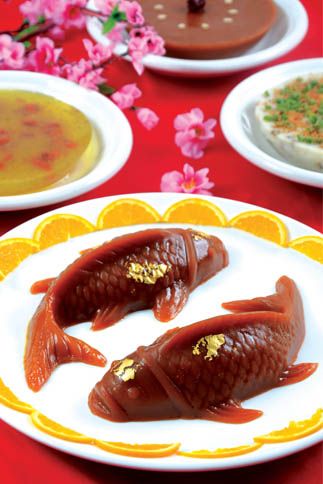
Cap off the festive experience with a Chinese New Year classic dessert, nian gao that has been steamed and lightly fried. The coated batter gives a crunchy texture and the fact that this moderately sweet and moreish dessert is not too oily in nature wins points in our books. As the Lunar New Year promotions at Di Wei are expected to end at the end of February 2014, you can always prolong the Chinese New Year atmosphere by regularly returning here throughout the next month.
Di Wei, Empire Hotel Subang, Jalan SS16/1, Subang Jaya. Tel: +603-5565 1388


Her 11 years at Malaysia Tatler has helped Lily level up from a shy introvert to a pseudo extrovert. She thinks the best thing about being the publication's Generation T and features editor is that she gets to meet inspiring individuals who represent #lifegoals to her. Lily's down time activities include geeking out on console games, devouring a good book (and some dark chocolates!) and singing karaoke. Indoor cycling is her new obsession at the moment. Follow her shenanigans on Instagram at @lilyongsl
Curated for you
The stories, profiles, and cultural moments featured on our Instagram feed