
Cover Best Restaurants in Beijing
Best Restaurants in Beijing
1 / 1
Explore the awakening culinary force of the best restaurants in Beijing
A visit to Beijing, the majestic historical centre of China, is always a visual feast. While famous for stunning attractions like the Forbidden City, Temple of Heaven and Great Wall, the capital hardly comes across as a gourmet destination compared to other Chinese cities such as Hong Kong and Shanghai.
Sure, Beijing has its world-famous Peking duck but for a long time, the local dining scene had played second fiddle to other business, political and cultural pursuits that visitors come for, as northern Chinese cuisine tended to be less delicate than its southern counterpart.
Fast forward 20 years and post-Olympics, things are beginning to change. With a large population of nouveau riche thirsty for luxurious experiences, fancy restaurants featuring exotic cuisines, private dining clubs catering to the exclusive and even celebrity chefs are becoming a norm in this transforming metropolis. If you are travelling to the capital city again, the food, service and ambience at the following four top-notch Chinese restaurants are sure to delight.
Bai Family Mansion
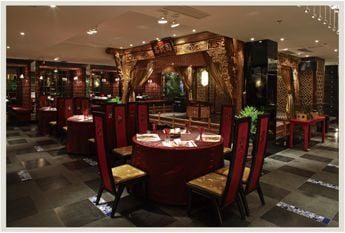
Baijia Dayuan, or the Bai Family Mansion, is a legend in the imperial dining scene in town. In this original 300-year-old compound built by descendants of Qing founding emperor Nuerhachi, guests are made to feel every bit like members of the imperial family. Staff members from car valet to food busser are dressed in elaborate Qing costumes that closely imitate authentic imperial couture.

Baijia Dayuan's many embellished private rooms make it the top choice for entertaining important foreign dignitaries and heads of businesses, while others seeking a relaxing dining experience can sit outdoors by the landscaped lake garden or in the main dining hall where traditional dance and instrumental performances are held.

Departing from the usual huge portions of northern Chinese dining, the imperial cuisine here features smaller and more exquisite dishes; each lovingly plated and refreshingly light. Its signature Concubine Flower Salad is a tangy mix of flower petals that leaves a gentle floral fragrance in the mouth; while Gold Medallion Ribs offer a robust burst of crispy garlic and pork. Another dish of note is Grade Toufu, which is a beancurd dish with a seafood filling and ingredients crafted to look like objects in a Chinese painting. The Mixed Bun Selection is a fun dish; each diner first picks a hand-shaped bun before the server announces the special blessing that comes with it.
15 Suzhou Street, Haidian District; +86 106 265 4186.
Duck de Chine 1949
Duck de Chine 1949 on Jinbao Street, like its predecessor at Sanlitun's 1949 – Hidden City, looks deceivingly more like a stylish oriental art gallery than a restaurant. As you enter the courtyard, images of ducks on kiln-fired tiles and lacquer paintings will remind you here is an institution for its Peking duck speciality.

At Duck de Chine, leaner ducks are carefully chosen and roasted in one of its three open brick ovens. To enhance the intensity of the flavour, the restaurant uses aged wood from date trees as opposed to younger apple or pear trees favoured by other restaurants. At the dining table, the waiter concocts a winning dip by swirling different sauces together, while the chef slices the smoking duck skin and removes an excess white layer of fat underneath to ensure a crisp and refreshing bite. F&B director Sarah Li tells us that this age-old Peking dish is best complemented with Bollinger champagne. The master behind this brilliant dish is Lei Garden-trained executive chef William Tam, who has worked in various parts of China and Hong Kong. In addition to Peking duck, the restaurant also specialises in Cantonese food with French-inspired modifications. The rest of the menu is predominantly duck-based in addition with succinct seafood, meat and vegetable highlights.
1949 – The Hidden City, Courtyard 4, Gongti Beilu; +86 106 501 8881.
Wuyutai Neifucai
Wuyutai is a long-standing brand in the tea business in Beijing. Their foray into the restaurant business is recent, but they have made quite an impression with its high-end tea-based cuisine. Neifucai literally translates as "dishes from the inner courts", meaning imperial cuisine. They have taken one step further to combine food for the nobility with a focus on healthy and creative dining.

Celebrating Chinese tea as an art, the ceremony of first initiating one into tea culture begins at Wuyutai Neifucai by having the pure fragrance of tea greet each guest upon arrival. The menu boasts an assortment of tea-focused choices – poultry with fermented tea, seafood with green tea, stir-fried meat with oolong, a dessert of jasmine tea, and the list goes on. Wuyutai's signature dishes include Longjing shrimps served in a clay teapot; and green tea with goose liver. To finish on a sweet note, the traditional teacakes will leave a pleasant lingering aftertaste of tea in the mouth.
144 Dongzhimennei Dajie,Dongzhimen; +86 106 401 2228.
Mei Mansion
Mei Mansion is in close vicinity to Houhai, Beijing's nightlife paradise, tucked away in a tight hutong alleyway on the west bank of Houhai. The mansion occupies a modest courtyard that was former home of the Qing emperor's concubine. Legendary Peking Opera actor Mei Lan-fang's son converted the property to a private dining premise as a tribute to his father, and the mansion is now run by the fourth-generation successor of Mei Lan-fang's personal chef, which serves Mei's favorite Huaiyang cuisine.

Mei Mansion adopts a price per head policy where you pick your budget from a given price range and inform the restaurant of any allergies upon making reservations. The chef will then visit the market early that morning to source for the best ingredients to work his magic on.

At its tastefully furnished private room refined with home artifacts of the opera master, diners will receive a handwritten menu in Chinese calligraphy on a folded paper fan. Diners will be delighted by the incredibly light but tasty Four Treasures abalone soup; and the springy and crunchy sesame and walnut shrimp. A fine traditional Beijing dessert of walnut cream will give the perfect ending of an evening of Chinese nostalgia.
24 Daxiangfeng Hutong, Houhai; +86 106 612 6845.





