

Cover Make 2026 the year you finally hit your protein goals! (Photo: Melanie Andersen / Unsplash)
Make 2026 the year you finally hit your protein goals! (Photo: Melanie Andersen / Unsplash)
1 / 1
No, it’s not just for athletes—find out why a high-protein diet is crucial for your metabolism, healthier skin and more
Protein is no longer viewed solely through the lens of athletic performance or muscle building—instead, it has become a cornerstone of modern nutrition, supporting metabolism, muscle retention and overall resilience as we age.
Boosting your intake of this macronutrient has been shown to not only preserve lean muscle mass but also promote satiety and support the body’s everyday repair processes. While athletes may have popularised high-protein eating, its benefits extend far beyond the gym.
Whether your protein comes from animal sources, plant-based foods or a combination of both, prioritising protein can play a meaningful role in long-term health. Below, we break down five reasons why you should try a high-protein diet this 2026.
What is a High-Protein Diet?
A high-protein diet typically starts with consuming 30 per cent (or more) of your total calories from protein, with the remaining 60 per cent split between the other two macronutrients, carbohydrates, and fat. Alternatively, you may also measure your protein intake through weight, aiming to consume about 1.2 to 1.6 grams of protein per kilogram of body weight. Following this broad definition, no foods are prohibited in a high-protein diet, and the main focus is on hitting your protein goal.
Don't miss: How different cultures approach healthy eating

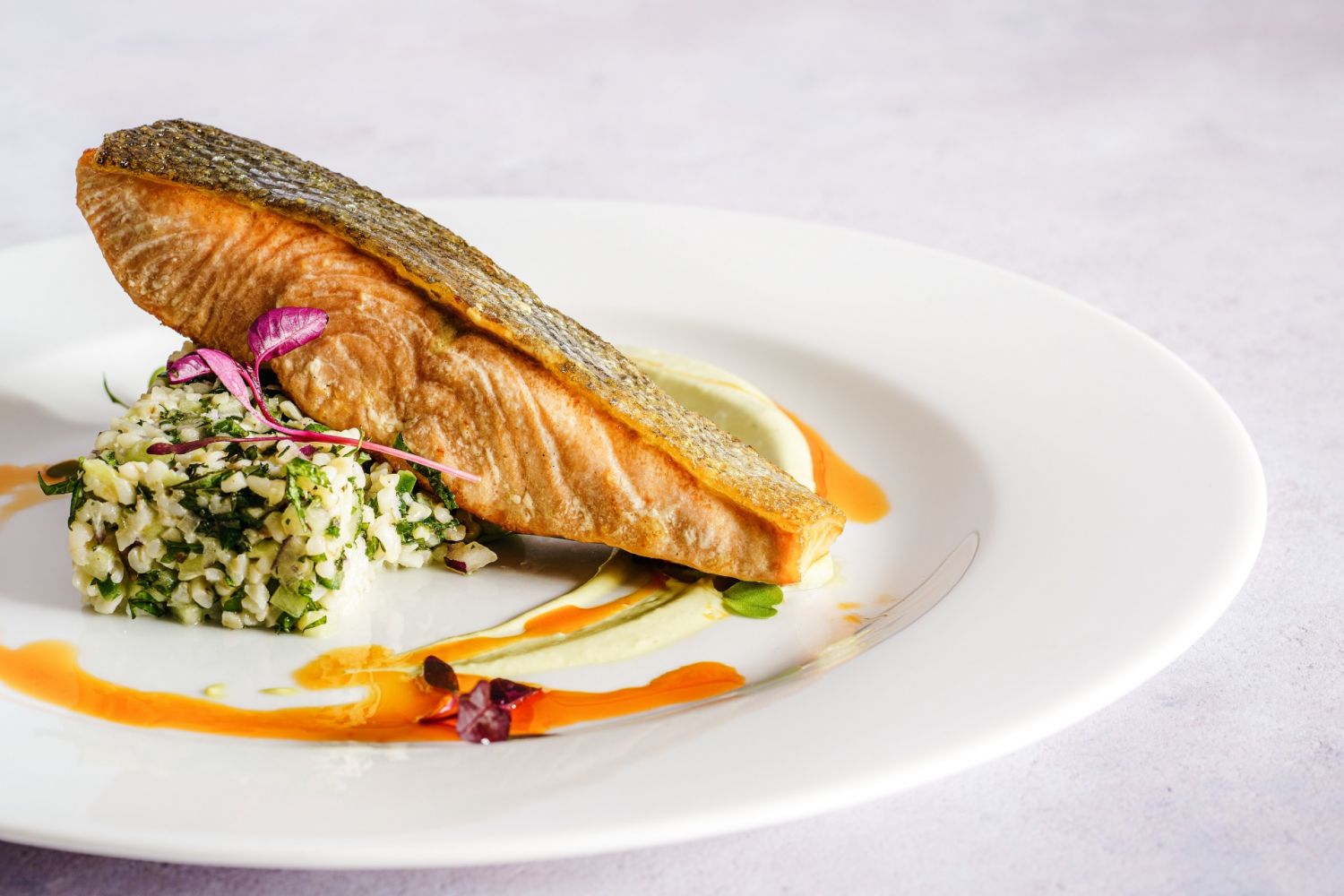
Above Salmon is a delicious and nutritious source of protein (Photo: Sebastian Coman Photography / Unsplash)
Salmon is a delicious and nutritious source of protein (Photo: Sebastian Coman Photography / Unsplash)
1 / 1
That said, not all sources of protein are made equal, and leaner sources of protein (i.e. those with significantly higher levels of protein than carbohydrates and fat) are key when subscribing to a high-protein diet as they help you reach your protein goal without exceeding your target calorie intake. This not only includes white meat, seafood, and eggs, but also quinoa, Greek yoghurt, and whey supplements, among others.
Learn more about the many benefits of increasing your protein intake, from building muscle mass to improving your skin, below:
Read more: Rice alternatives 101: wild rice, quinoa, freekeh, and many more
Essential amino acids

Above Going plant-based? You can also find protein in vegetarian-friendly foods like tofu (Photo: Sherman Kwan / Unsplash)
Going plant-based? You can also find protein in vegetarian-friendly foods like tofu (Photo: Sherman Kwan / Unsplash)
1 / 1
Often dubbed the “building blocks of proteins,” amino acids are crucial to a number of vital processes, from muscle repair to the production of hormones and enzymes. While the human body can produce about half of the amino acids required for these processes, nine of them must be consumed through external sources of protein.
However, not all sources of protein contain all nine essential amino acids. Complete protein sources include meat, seafood, poultry, eggs, and dairy products, as well as soy and pea proteins. Other high-protein plant-based foods such as beans and legumes are incomplete proteins, so those following a plant-based diet should try to consume a variety of protein sources to integrate all nine amino acids into their diet.
Read more: New year, better sleep: dos and don’ts for a better night’s rest
Muscle retention and boosting your metabolism
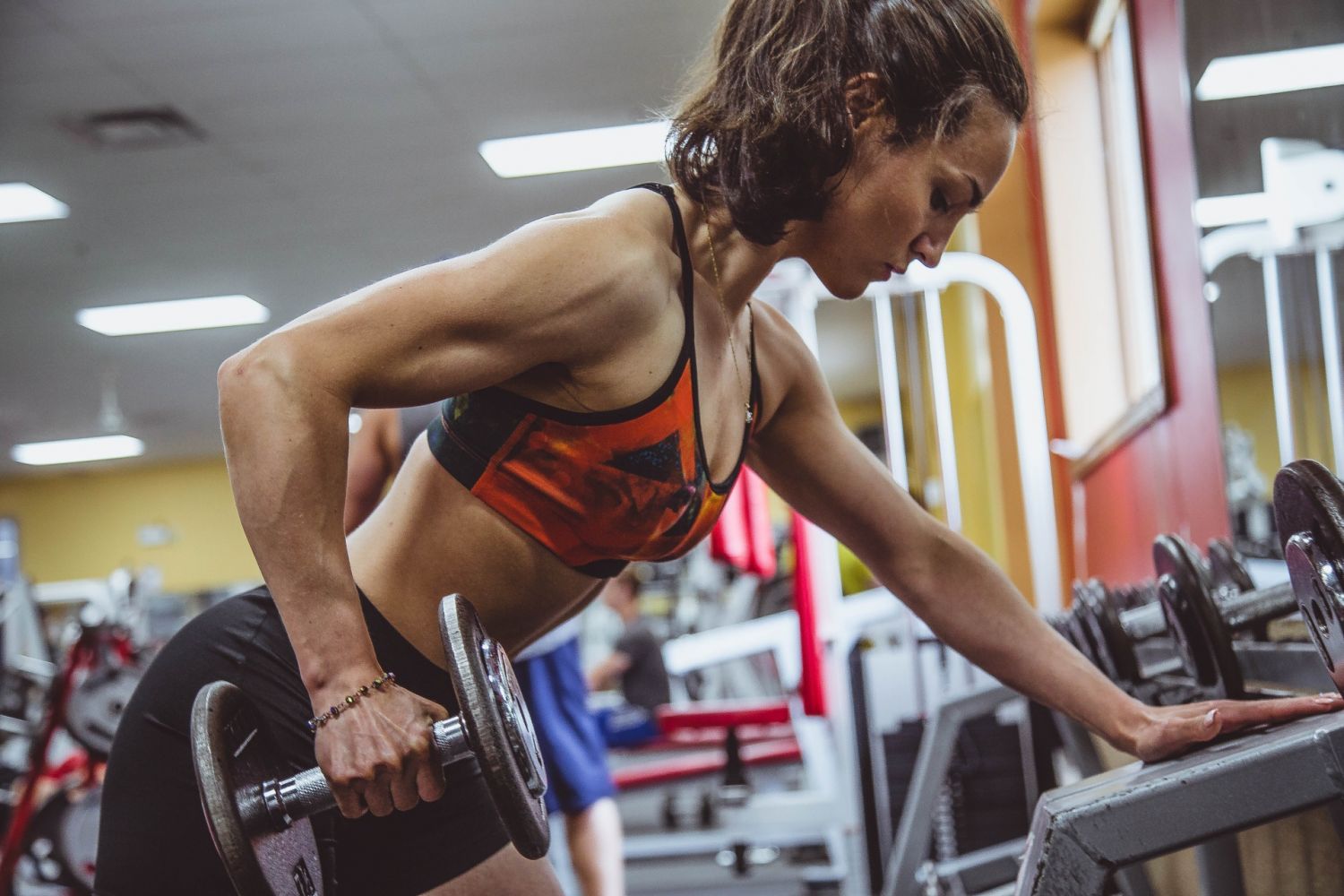
Above Protein promotes muscle retention and boosts your metabolism (Photo: Alora Griffiths / Unsplash)
Protein promotes muscle retention and boosts your metabolism (Photo: Alora Griffiths / Unsplash)
1 / 1
Supported by resistance training, following a high-protein diet can help prevent muscle loss and encourage muscle growth, thus boosting your metabolic rate and allowing your body to burn more calories over an extended period of time.
Some amino acids can also help improve physical performance by reducing muscle fatigue during a workout and minimising muscle soreness thereafter. Branch chain amino acids (BCAAs), three of the nine essential amino acids, are thought to be particularly helpful and are commonly sold as workout supplements. However, research studies are conflicted about their efficiency.
Don't miss: 6 wellness podcasts that cut through the noise
Weight management

Above Protein boosts satiety and has a highter thermic effect that both fats and carbohydrates (Photo: Siora Photography / Unsplash)
Protein boosts satiety and has a highter thermic effect that both fats and carbohydrates (Photo: Siora Photography / Unsplash)
1 / 1
Integrating more protein into your diet also contributes to a greater feeling of fullness, keeping you satiated until your next meal and aiding in portion control. Furthermore, protein has a higher thermic effect than fat and carbohydrates, which means that the body works harder to digest it, causing you to burn more calories.
See also: Fibre has entered the chat: why you need to eat more fibre (and how to do it)
Healthier hair, skin and nails

Above Protein can even promote healthier hair, skin and nails (Photo: Ron Lach / Pexels)
Protein can even promote healthier hair, skin and nails (Photo: Ron Lach / Pexels)
1 / 1
Consuming more protein, especially those that contain the amino acid L-cysteine, may support the natural production of keratin—the protein found in hair, skin, and nails. Thus, a high-protein diet may prevent hair loss, encourage plump and radiant skin, and strengthen nails, too.
Read more: Is your beauty routine damaging your skin barrier?
Other key benefits

Above Protein is an essential facet of a well-balanced diet, which is key to a healthy lifestyle (Photo: Towfiqu Barbuiya / Unsplash)
Protein is an essential facet of a well-balanced diet, which is key to a healthy lifestyle (Photo: Towfiqu Barbuiya / Unsplash)
1 / 1
An increase in protein intake has also been associated with stabilising blood pressure and preventing hypertension, minimising bone loss, improving rates of healing from injuries, and more.
NOW READ
How AI trends are shaping the future of wellness in Asia
15 honest books on the complexities of women’s health and wellness
Topics

About
Lauren’s love for food came much later in life than one would expect— an obsession awakened in the streets of Melbourne’s multicultural dining scene. Armed with this newfound passion, she returned to the Philippines determined to discover the best eats in her home country, with a personal advocacy to champion local cuisines and homegrown talent. Nothing is off-limits; if it’s delicious, it’s worth celebrating.
Work
As Tatler Dining associate editor, Lauren covers all things food and drink, from listing the latest openings in our monthly Dining Radar to interviewing chefs and bartenders about the biggest obstacles crippling the industry today. Beyond the digital space, she also organises Tatler Dining’s tentpole events, including Off Menu and Tatler Dining Kitchen, as well as the annual Tatler Best Philippines awards night and guide launch, detailing the best restaurants in the country.
For leads and event invites, contact her via lauren@tatlerphilippines.com or follow her on Instagram at @laurengolangco.
Photo: Ralph Mendo





