

Cover Wau, a moon kite traditionally flown in Kelantan (Photo: iStock)
Wau, a moon kite traditionally flown in Kelantan (Photo: iStock)
1 / 1
Kelantan is a land rich in arts and culture making for a unique experience that can’t be found anywhere else in Malaysia
Kota Bahru

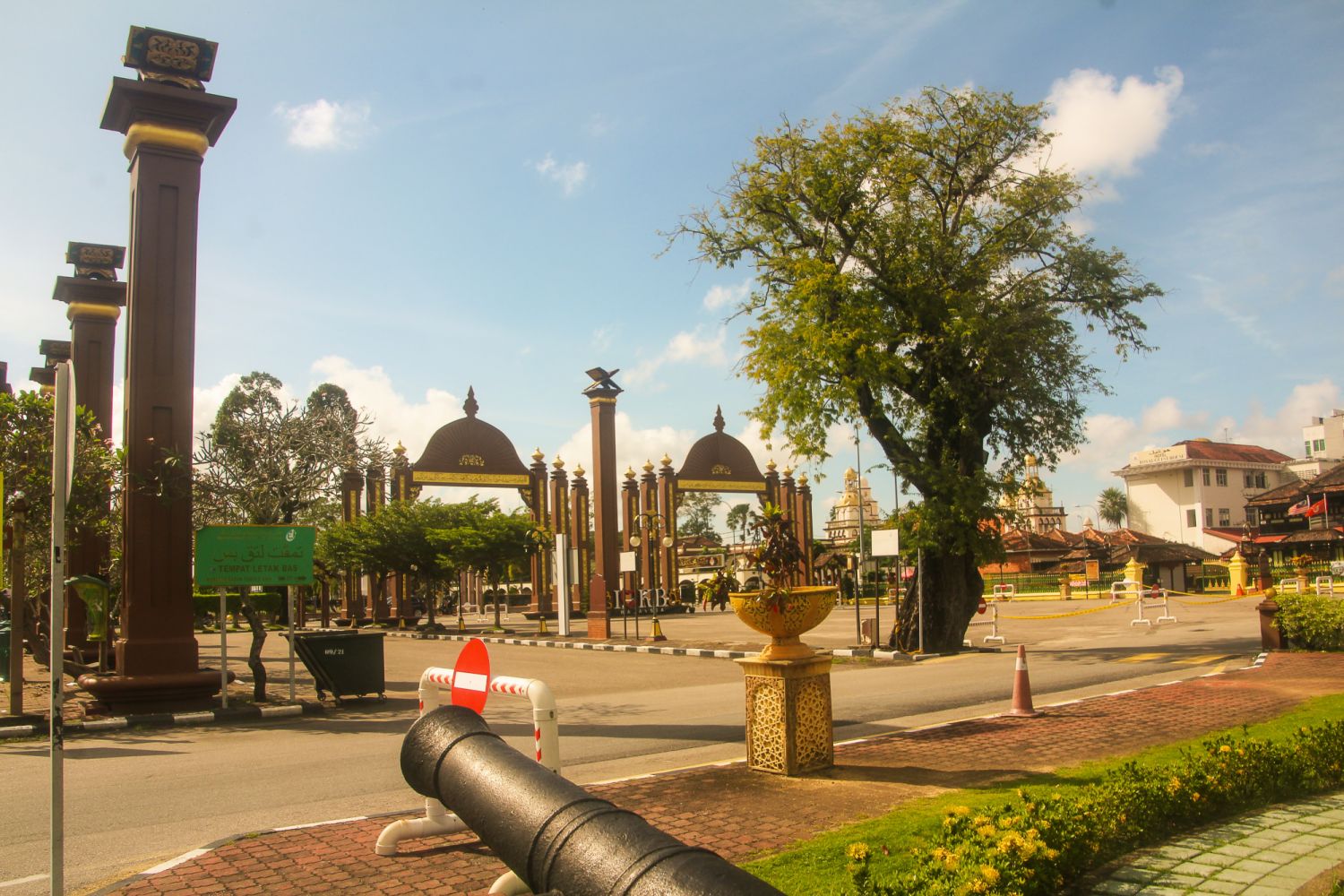
Above Gerbang Kota Sultan Ismail Petra (Photo: Izdihar Sahalan/Unsplash)
Gerbang Kota Sultan Ismail Petra (Photo: Izdihar Sahalan/Unsplash)
1 / 1
Arts, Crafts and Culture Walkabout
Known as the cradle of Malay culture, Kelantan still preserves the traditional arts and cultural expressions that were once widely practised. Get the full works from performance art like dikir barat and wayang kulit, to pastime games like gasing (spinning top) and wau kite flying, and craftsmanship such as batik painting, woodcarving and songket weaving at the Handicraft Village and Craft Museum and Gelanggang Seni at Kota Bharu’s cultural zone.
There are also several artisans and performers specialising in their respective art form located in several parts of Kelantan such as the legendary wau maker Galeri Wau Pak Sapie and shadow puppet master, Wayang Kulit Pak Dain.
See also: The Future of Chinese Opera in Malaysia
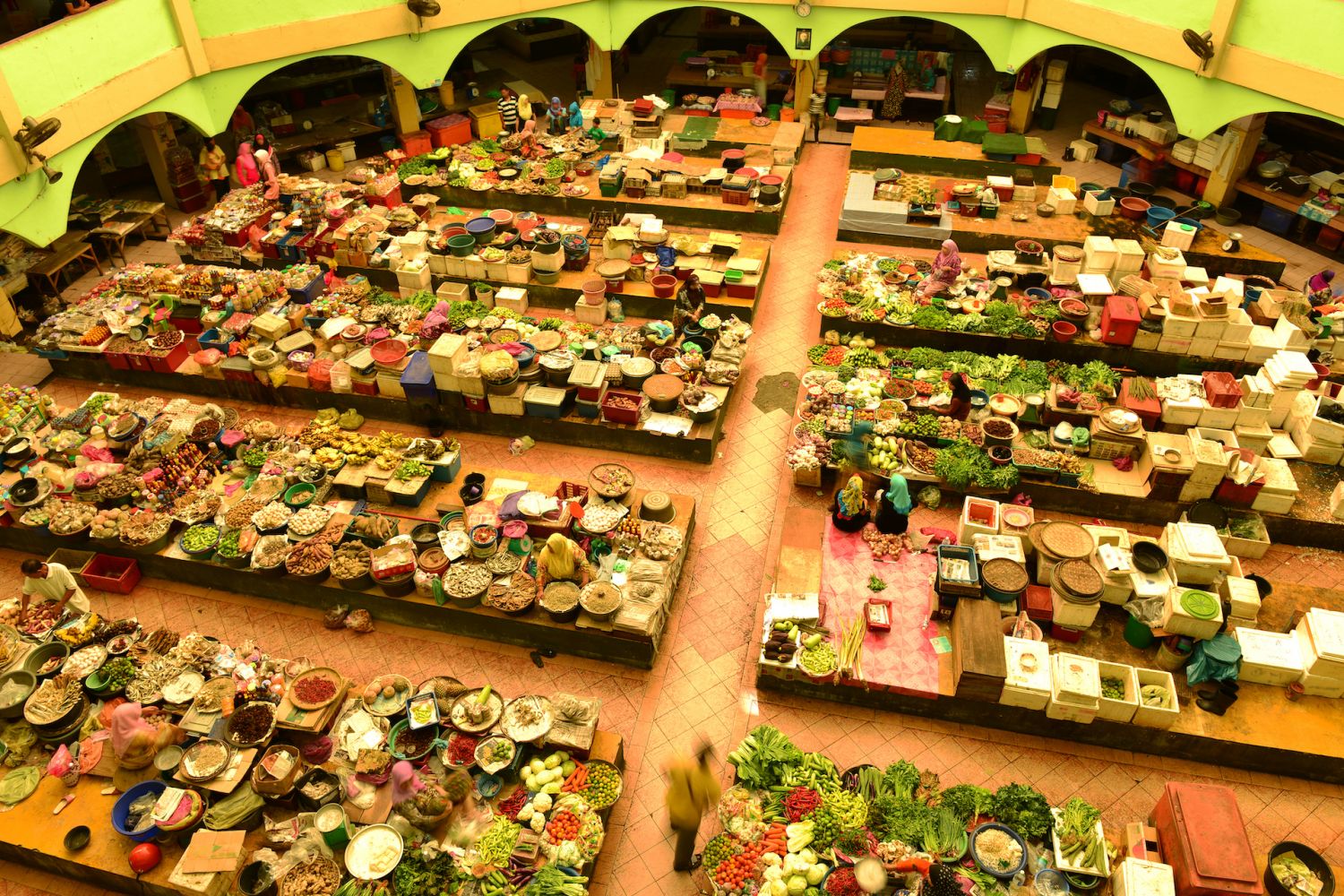
Above Pasar Siti Khadijah (Photo: iStock)
Pasar Siti Khadijah (Photo: iStock)
1 / 1
Shop and Eat at Local Markets
Crowned by a grand glass dome and famous for its chiefly women traders, the Siti Khadijah market is a full-scale Kelantanese bazaar spanning four floors offering everything from local produce, dried foods, sweet desserts to handicrafts and textiles like batik and songket. There are also many food stalls offering Kelantanese favourites such as ayam percik, nasi kerabu, laksam dan somtam.
Similar dishes plus fresh seafood can also be found at the Floating Market Pengkalan Datu, a marketplace on the river. While there, you can also go on a river cruise in a Perahu Kolek Kelatan, a traditional wooden boat once commonly used by Kelantan’s fisherfolk and noted for its vibrant colours and intricately painted designs.
Tumpat

Above Wat Machimmaram is an impressive Thai Buddhist Temple with a giant Buddha statue located in the Tumpat (Photo: iStock)
Wat Machimmaram is an impressive Thai Buddhist Temple with a giant Buddha statue located in the Tumpat (Photo: iStock)
1 / 1
See the Magnificent Buddha Statues
A taxi or bus ride from Kota Bharu to Tumpat, which borders Thailand and is home to Kelantan’s minority Thai community, is where two of Kelantan’s famous Buddhist temples are. Attracting thousands of pilgrims and visitors every year, Wat Machimmaram is known for having one of the tallest sitting Buddhas in Southeast Asia, at 30m high, while Wat Photivihan has one of the longest sleeping Buddhas at 40m in length.
See also: Stunning Buddhist Temples In Malaysia
Ride the Jungle Railway
This charming rail journey from Tumpat all the way to Gua Musang (with several stops along the way), rolls through scenic views of rice fields and small villages, the Kelantan river, forests, hills and limestone cliffs. At Kusial, the train passes through the Guillemard Bridge, which is the longest railway bridge in Malaysia, built by the British in 1925. During World War II, the British destroyed the bridge to hold back the Japanese Imperial Army, which landed in Kelantan to invade Malaya, from advancing further into the country. It was reconstructed in 1948 and is now one of Kelantan’s famous historic sights.
See also: Luxury Train and Yacht Experiences to Add to Your Bucket List
Kuala Krai
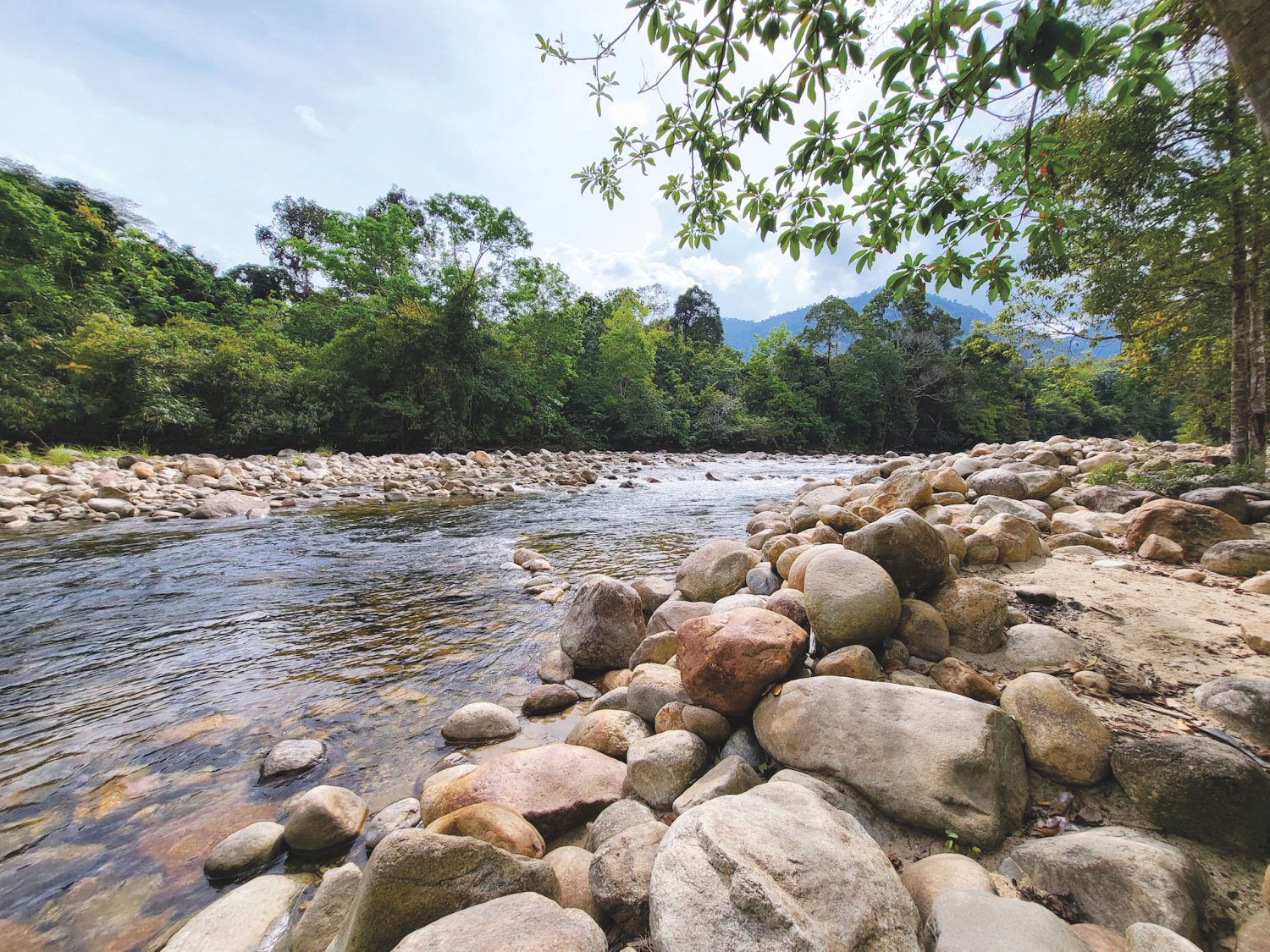
Above Dabong river in Kelantan (Photo: iStock)
Dabong river in Kelantan (Photo: iStock)
1 / 1
Go on a Dabong River Cruise
An exciting experience for eco tourists, this two-hour cruise along the Dabong river that meanders through thick jungle, may also offer a sighting of wildlife roaming near the edge of the forest. There are also little villages along the bank, where the boat docks for a few hours so visitors can take a stroll around the settlement, just to see the local way of life.
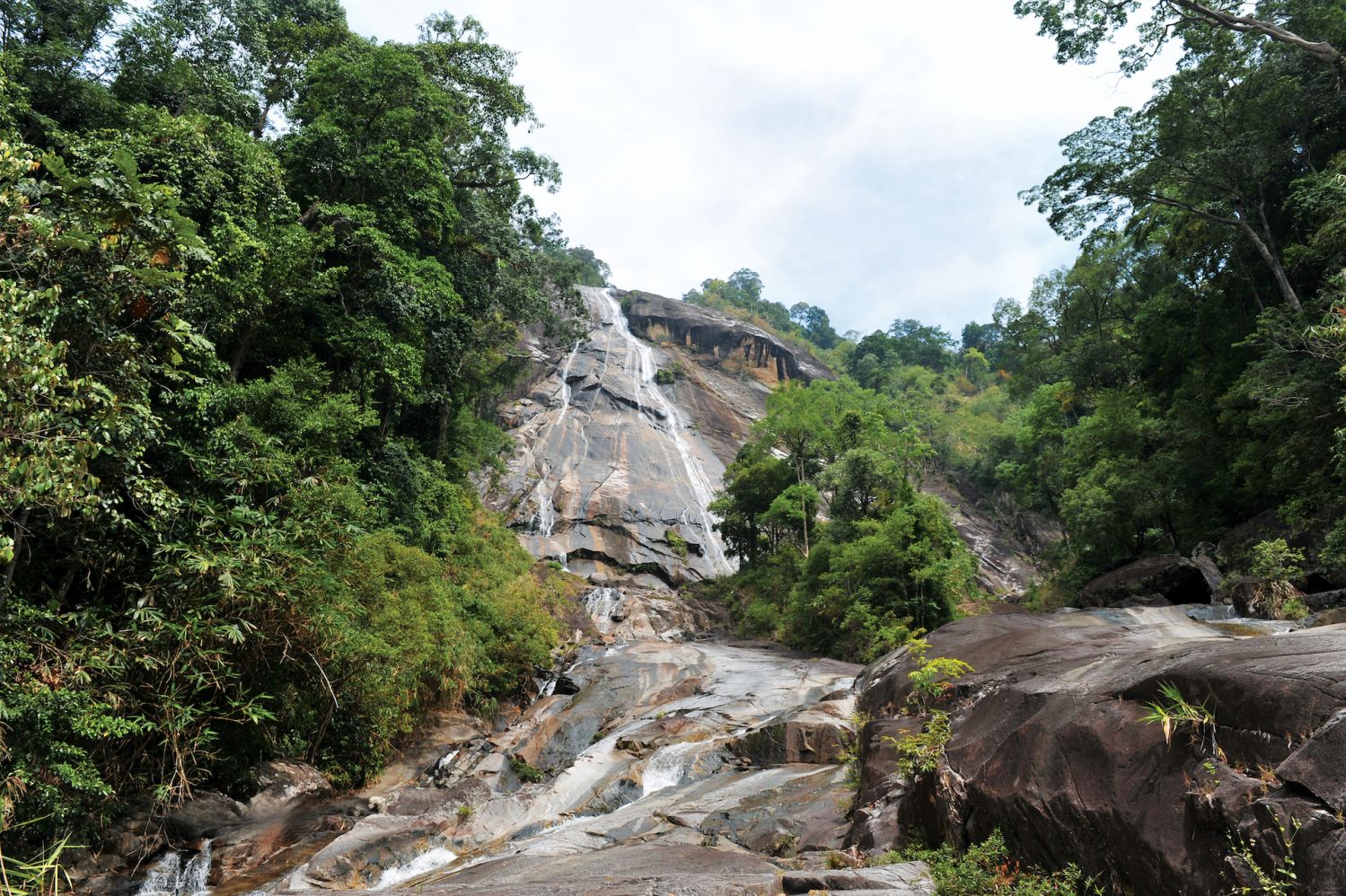
Above Gunung Stong State Park (Photo: iStock)
Gunung Stong State Park (Photo: iStock)
1 / 1
Hiking and Caving at Gunung Stong State Park
After the river cruise, head to Jelawang where a short jungle trek will bring you to the Jelawang waterfall. At 305m high, it is one of the tallest waterfalls in Southeast Asia. Adventurers can hike up to the top of the waterfall and camp overnight. From there, you can climb up Gunung Stong, known for its rich flora and fauna including the biggest flower in the world, the Rafflesia, and you may even catch a glimpse of wild animals.
Also near the park is Gua Ikan, known for the stream that flows inside the cave, which is said to house fishes. The 150-million-year-old limestone cave is only one of four caves in the area to explore with various degrees of complexity. A favourite for cavers is Gua Keris, which is known for the God’s light phenomena where the sun streams into the cave at certain times, creating an ethereal spotlight for that perfect shot.
NOW READ
Your Dream Holiday Awaits at These Island Resorts in Sabah
7 Chic Hotels in Melaka For a Nostalgic Getaway
How to Make the Most of Your Stay at The Datai Langkawi, Malaysia
Topics





