
1 / 1
Three home farmers in Singapore offer food for thought on ethno-botany, sustainability and how the produce we grow and eat tell the story of who we are
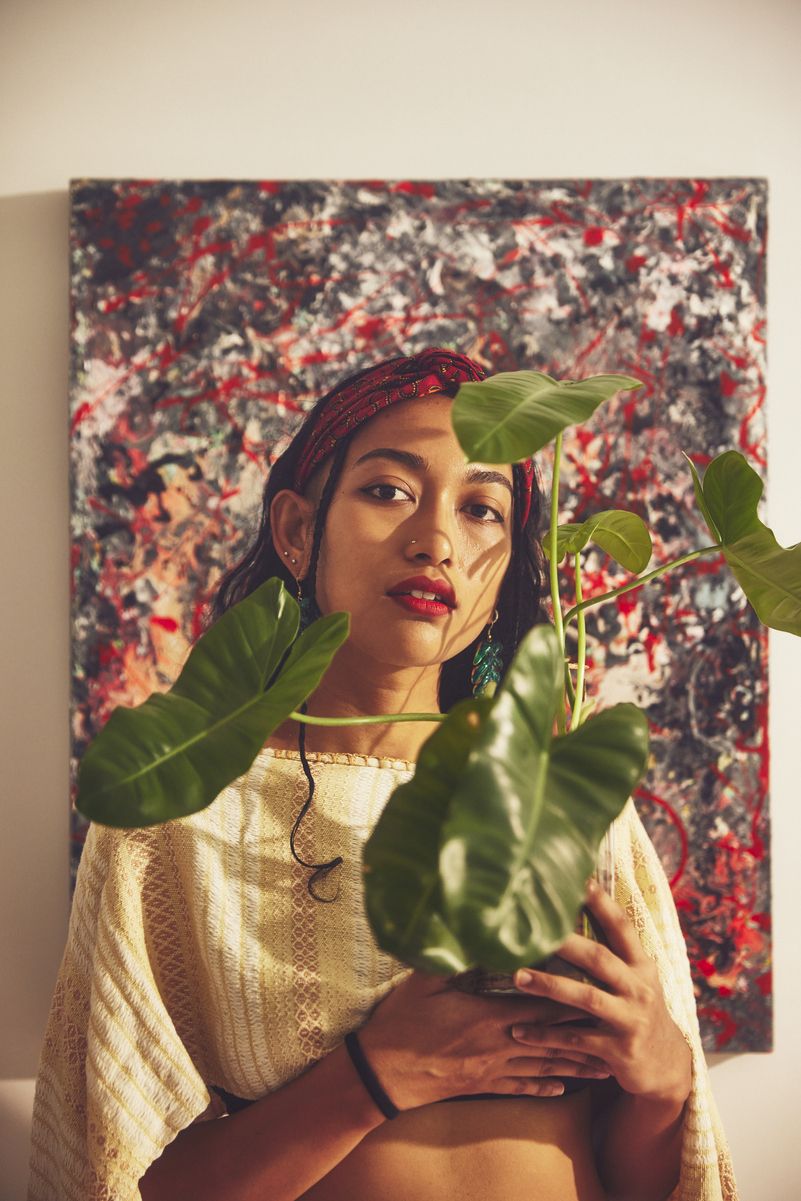
It’s early in the morning when we arrive at Nadia Kishlan’s apartment. It’s warm and inviting, with soft light peering through the surrounding trees. She excitedly tells us that a single strawberry has grown overnight in her hydroponic planter. This is a big deal—strawberries don’t grow in Singapore’s climate, but Nadia had figured out a clever hack.
“Strawberries need a drastic change in temperature in order to grow, which obviously doesn’t happen in Singapore. So I tricked the plant by putting ice in the water tray,” she shares, as she pours tea made from the Indian Borage she’s been growing on her balcony.
“I love how the Indian Borage leaves look. It has a velvety furry texture and they’re quite thick,” she says. “They’re fragrant and grow really well. Every time I prune them, they shoot up quickly. It’s a good plant to grow at home because it’s so easy and fuss free.”
Previously, Nadia produced content for a local tech start-up called Rooted, teaching urbanites how to farm at home with bite-sized episodes that cover everything from different plants’ cultural roots, how to grow from seeds, as well as interviews with farmers and scientists.
“Understanding how long it takes to grow food, and respecting that process, helps us realise that farmers put so much work into growing the delicious food that we love,” says Nadia. “You cultivate a sense of appreciation for all the time, love and effort it takes. When you eat something you’ve grown yourself, it’s so different. There’s a sense of pride there.”
On her balcony, Nadia grows everything from Thai basil to aloe vera. “I use the aloe for face masks,” she says. Lettuce and, a more recent addition, cranberry hibiscus, which lends a deep shade of maroon to her otherwise green collection of plants, and can be used in salads or brewed as tea.
“I got the cuttings from a man who adopted my pumpkin plant,” she says. “I like to tell people that there’s this ‘farmer energy’ among people in the plant community. There’s a spirit of wanting to share, and I love that. It’s a generous and supportive community that educates each other. If you think about plants and ecology—everything is connected. When you take care of something and take care of other people, you’re taking care of yourself as well.”


Coco Marett is a writer and editor who grew up between Hong Kong and Melbourne. She currently heads the travel section for Tatler Asia, and manages the Tatler Travel account on Instagram. She is known for her features on unique, under-the-radar properties and destinations. She's also known for her in-depth interviews that paint a refreshingly candid portrait of influential figures across various industries —from artists to political figures, CEOs to celebrity chefs. Follow her on Instagram @cocomarett





