
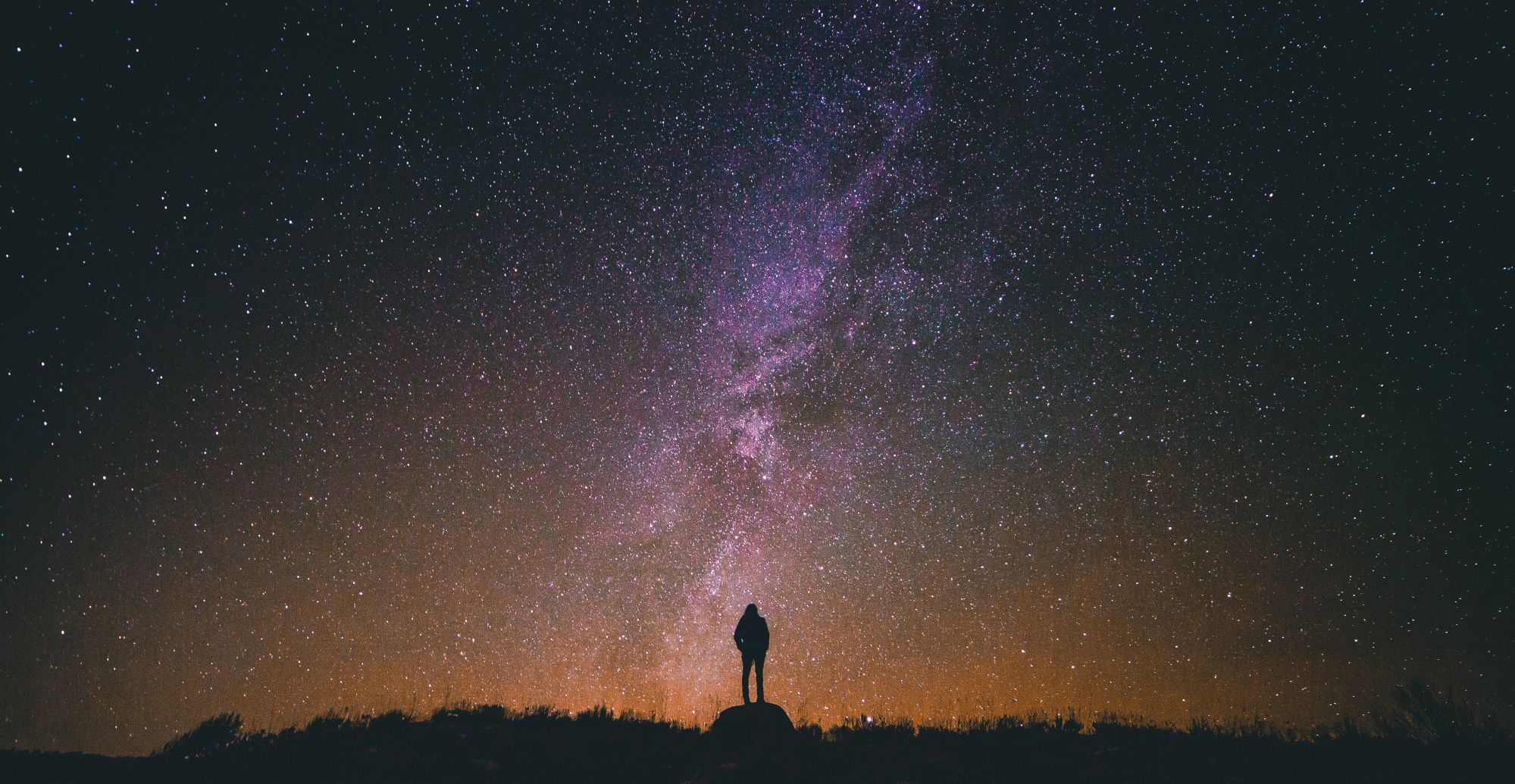
Cover Keep track of all the celestial events happening this 2021 with our astronomical calendar (Photo: Unsplash.com)
Keep track of all the celestial events happening this 2021 with our astronomical calendar (Photo: Unsplash.com)
1 / 1
Ready to go stargazing? Our 2021 astronomical calendar lists every full moon, meteor showers and eclipse to see in Hong Kong this year
Did you know that when you stargaze, you're actually looking back in time? This is because the light from the stars takes time to travel any finite distance, making it the closest thing we're going to get to time travel––or any kind of travel––anytime soon.
This year, stargazers, moon hunters and astronomy buffs can look forward to many natural phenomenons that are visible in the sky—from full moons and meteor showers to eclipses. To help you keep track of them all, we've put together this astronomical calendar of 2021's celestial highlights in Hong Kong.
Tatler tip: These celestial events are all natural phenomenons that are many not be easily visible to the naked eye. We recommend investing in a good telescope or binoculars and visiting a place where you can see the sky more clearly. Please check the official website of the Hong Kong Observatory for more information.
See also: The First Full Moon Of 2021 Is Coming This January
January
For the first month of 2021, we're instantly greeted with a meteor shower on January 3 and the first full moon on January 29.
January 3: Quadrantid meteor shower
January 10: Conjunction of Mercury with Saturn
January 11: Conjunction of Mercury with Jupiter
January 12: Conjunction of Venus with the moon
January 13: New moon
January 17: Conjunction of Neptune with the moon
January 21: Conjunction of Uranus and Mars with the moon
January 22: Conjunction of Mars with Uranus
January 29: Full moon
February
February 5: Conjunction of Venus with Saturn
February 10: Conjunction of Saturn with the moon
February 11: Conjunction of Venus, Mercury and Jupiter with the moon
February 12: New moon
February 13: Conjunction of Mercury with Venus
February 27: Full moon
See also: NASA Has Shared The 20 Best Photos Astronauts Took In The Past Year
March
March 5: Conjunction of Mercury with Jupiter
March 10: Conjunction of Saturn and Jupiter with the moon
March 11: Conjunction of Neptune with the sun
March 11: Conjunction of Mercury with the moon
March 13: Conjunction of Neptune and Venus with the moon
March 13: New moon
March 14: Conjunction of Venus with Neptune
March 29: Full moon
April
In April, the highlight of the month is the Lyrid meteor shower on April 22 and the supermoon, when the moon appears larger in the sky, on April 27.
April 6: Conjunction of Saturn with the moon
April 7: Conjunction of Saturn with the moon
April 9: Conjunction of Neptune with the moon
April 11: Conjunction of Mercury with the moon
April 12: New moon
April 12: Conjunction of Venus with the moon
April 13: Conjunction of Uranus with the moon
April 17: Conjunction of Mars with the moon
April 22: Lyrid meteor shower
April 23: Conjunction of Venus with Uranus
April 24: Conjunction of Mercury with Uranus
April 26: Conjunction of Mercury with Venus
April 27: Supermoon
May
A total lunar eclipse takes the spotlight on May 26 as well as an Eta Aquarid meteor shower on May 5.
May 1: Conjunction of Uranus with the sun
May 4: Conjunction of Saturn with the moon
May 5: Eta Aquarid meteor shower
May 5: Conjunction of Jupiter with the moon
May 7: Conjunction of Neptune with the moon
May 12: New moon
May 16: Conjunction of Mars with the moon
May 26: Total lunar eclipse
May 26: Full moon
May 29: Conjunction of Mercury with Venus
May 31: Conjunction of Saturn with the moon
See also: Tatler's Guide to Going to Outer Space
June
An annular solar eclipse is taking place on June 10. We may also need to set our alarm clocks for the earliest sunrise of the year on June 8.
June 1: Conjunction of Jupiter with the moon
June 3: Conjunction of Mercury with the moon
June 7: Conjunction of Uranus with the moon
June 8: Earliest sunrise of the year at 5:39 am
June 10: Annular solar eclipse
June 10: New moon
June 10: Conjunction of Mercury with the moon
June 12: Conjunction of Venus with the moon
June 14: Conjunction of Mars with the moon
June 21: Summer solstice
June 25: Full moon
June 27: Conjunction of Saturn with the moon
June 29: Conjunction of Jupiter with the moon
June 30: Conjunction of Neptune with the moon
July
Catch the latest sunset of the year on July 4 and end the month with the Southern Delta Aquarid meteor shower on July 30.
July 4: Latest sunset of the year at 7:11 pm
July 4: Conjunction of Uranus with the moon
July 8: Conjunction of Mercury with the moon
July 10: New moon
July 12: Conjunction of Venus and Mars with the moon
July 13: Conjunction of Venus with Mars
July 23: Full moon
July 25: Conjunction of Saturn with the moon
July 26: Conjunction of Jupiter with the moon
July 28: Conjunction of Neptune with the moon
July 30: Southern Delta Aquarid meteor shower
August
On August 12, the sky will be lit up by a Perseid meteor shower.
August 1: Conjunction of Uranus with the moon
August 8: New moon
August 10: Conjunction of Mars with the moon
August 11: Conjunction of Venus with the moon
August 12: Perseid meteor shower
August 19: Conjunction of Mercury with Mars
August 21: Conjunction of Saturn with the moon
August 22: Full moon
August 22: Conjunction of Jupiter with the moon
August 24: Conjunction of Neptune with the moon
August 28: Conjunction of Uranus with the moon
September
September 7: New moon
September 8: Conjunction of Mars with the moon
September 9: Conjunction of Mercury with the moon
September 10: Conjunction of Venus with the moon
September 17: Conjunction of Saturn with the moon
September 18: Conjunction of Jupiter with the moon
September 20: Conjunction of Neptune with the moon
September 21: Full moon
September 23: Autumnal Equinox
September 25: Conjunction of Uranus with the moon
October
October 6: New moon
October 6: Conjunction of Mars with the moon
October 7: Conjunction of Mercury with the moon
October 8: Conjunction of Mars with the sun
October 10: Orionid meteor shower
October 10: Conjunction of Venus with the moon
October 14: Conjunction of Saturn with the moon
October 15: Conjunction of Jupiter with the moon
October 20: Full moon
November
November is a busy moon for stargazers as there'll be a Leonid meteor show on November 17 and followed by a partial lunar eclipse on November 19. The earliest sunset will also take place on November 28.
November 4: Conjunction of Mercury and Mars with the moon
November 5: New moon
November 8: Conjunction of Venus with the moon
November 10: Conjunction of Mercury with Mars
November 10: Conjunction of Saturn with the moon
November 12: Conjunction of Jupiter with the moon
November 17: Leonid meteor shower
November 19: Partial lunar eclipse
November 19: Full moon
November 28: Earliest sunset of the year at 5:38 pm
December
In the last month of the year, you can enjoy a total solar eclipse on December 4 and a Geminid meteor shower on December 14.
December 3: Conjunction of Mars with the moon
December 4: Total solar eclipse
December 4: Conjunction of Mercury with the moon
December 14: Geminid meteor shower
December 15: Conjunction of Uranus with the moon
December 19: Full moon
December 21: Winter solstice
December 29: Conjunction of Mercury with Mars
For full information on the exact time of each astronomical event, please visit the Hong Kong Space Museum's website or the Hong Kong Observatory's website.
See also: Scientists Discover 14-Billion-Year-Old ‘Super-Earth’
Topics


Jianne is a Hong Kong-born, bred and based Filipino. She graduated with a degree in International Journalism from Hong Kong Baptist University and went to work in Japan a travel writer. Upon returning to Hong Kong, she joined Tatler as a digital writer.





