
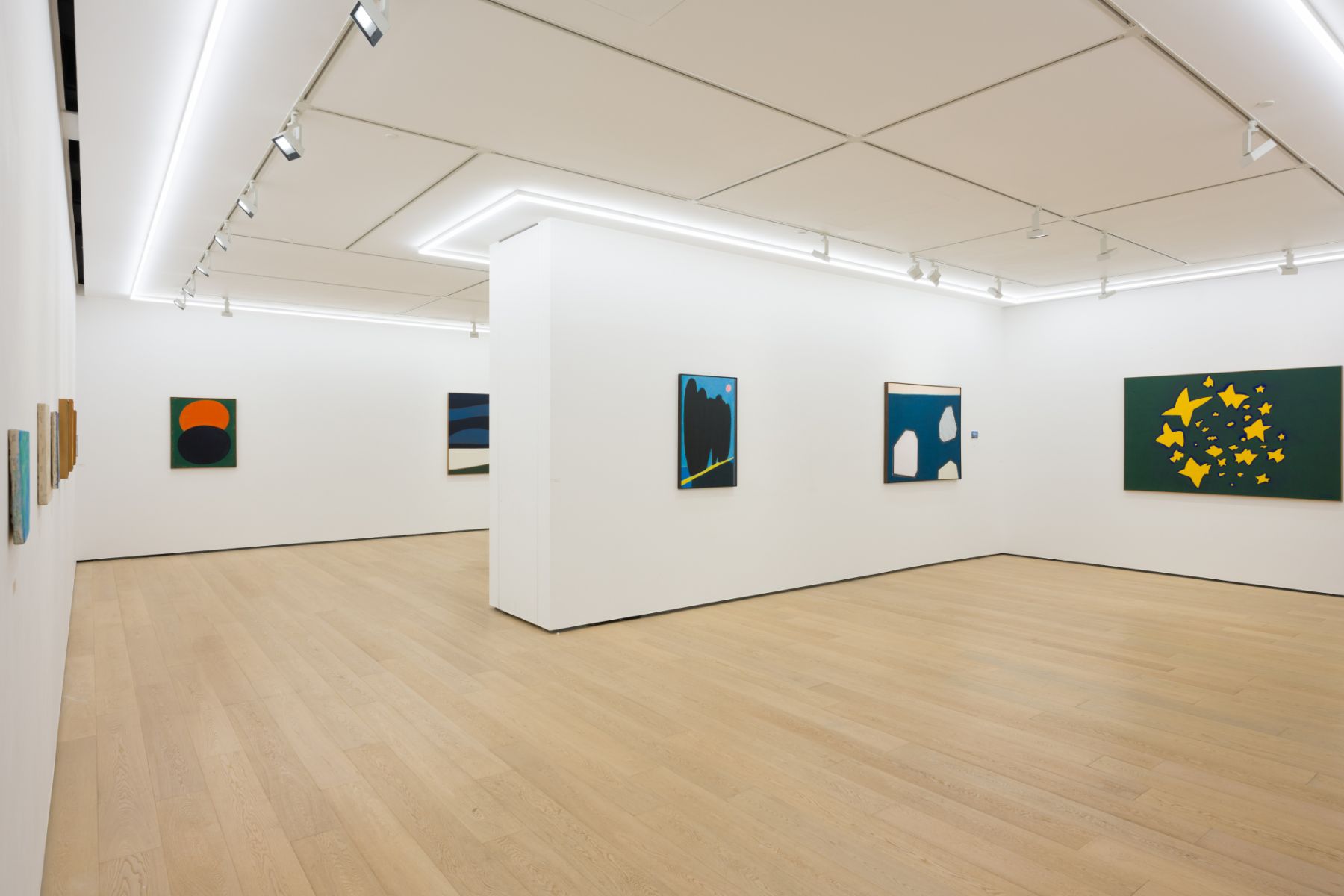
Cover Installation view, Kazuharu Hanada: Pirka, Northland. © Whitestone Gallery
Installation view, Kazuharu Hanada: Pirka, Northland. © Whitestone Gallery
1 / 1
Tatler+ H Queen's
A retrospective of the late Japanese artist’s work shows how his style evolved over time.
Kazuharu Hanada’s first solo exhibition in Hong Kong is at once a celebration of his art, and a study of his experimentation over five decades.
And as the show demonstrates, though Hanada ultimately settled on an abstract style, his sense of playfulness still shone through, as did his enduring love for the natural landscape of the northern Japanese island of Hokkaido, where he was born. The exhibition’s name, Pirka. Northland, references this. “Pirka” means “beautiful” in Ainu, the language spoken by the Ainu people indigenous to Hokkaido.
Above Koei Shiraishi, CEO, Whitestone Gallery, speaks to Tatler about Kazuharu Hanada: Pirka. Northland (Videography: Ivan Chan)
Hanada’s experimentation started early in his artistic life. His work from the 1960s, when he was not yet 30 years old, reveals a restless curiosity about various pre- and postwar styles. The influences of Impressionism, Surrealism, Cubism, and Abstract Expressionism can all be seen in his work from this period.

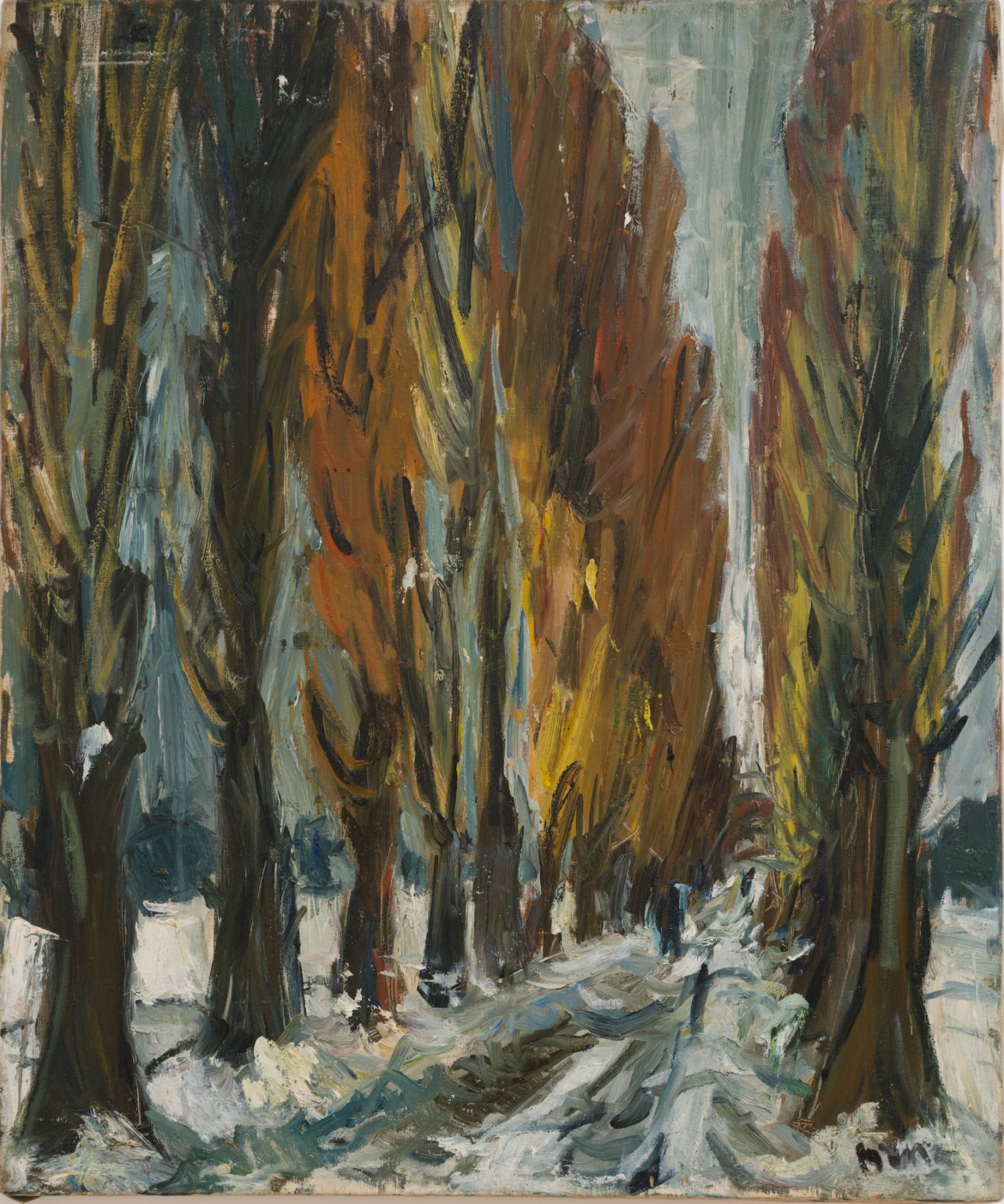
Above A Row of Poplar Trees, Kazuharu Hanada, 1961-1964. © Whitestone Gallery
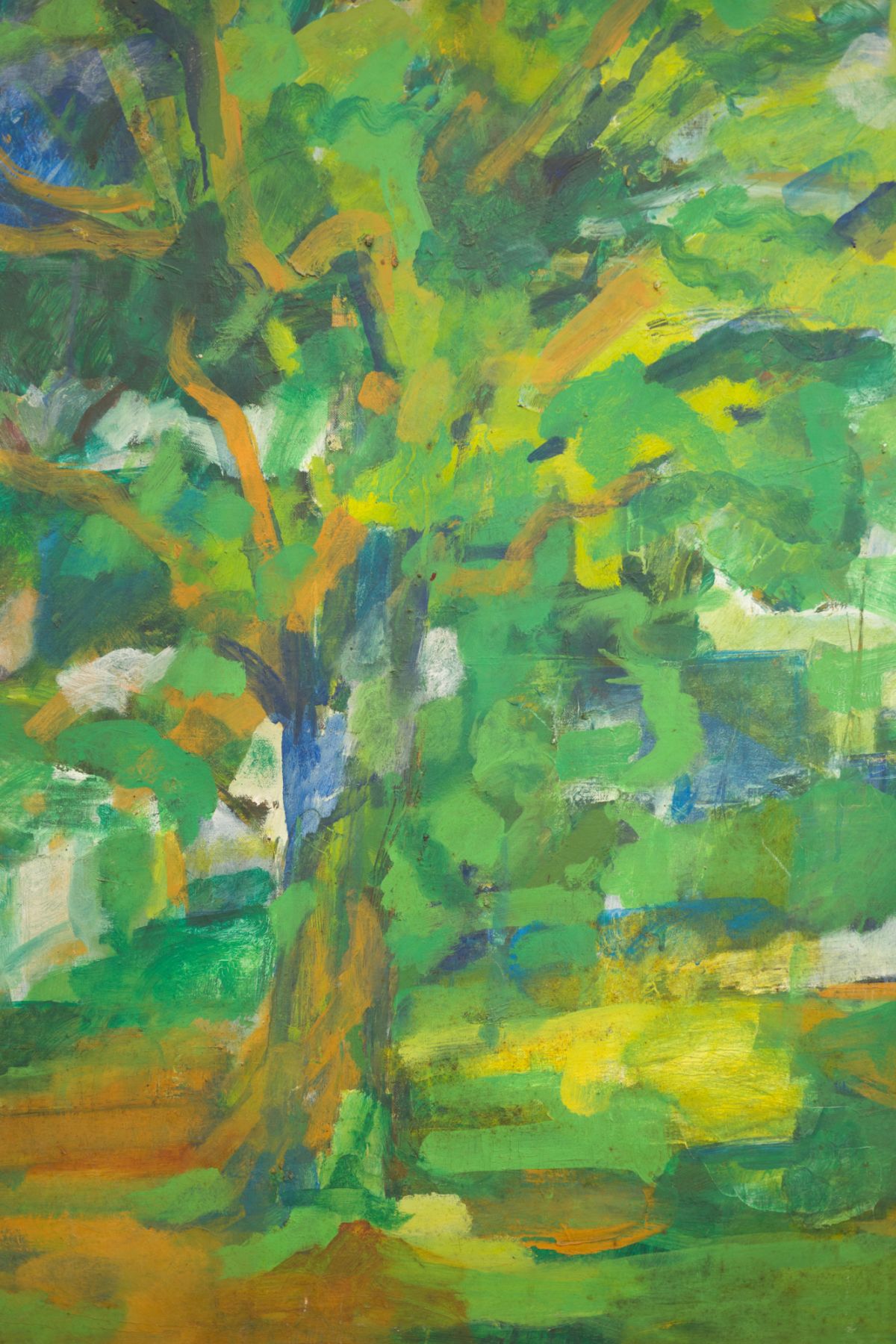
Above Untitled, Kazuharu Hanada, 1969. © Whitestone Gallery
A Row of Poplar Trees, Kazuharu Hanada, 1961-1964. © Whitestone Gallery
1 / 2
After completing postgraduate studies, and spending two years in Europe, Hanada returned to Sapporo in 1974. By now he had settled into a simpler style which aimed to express colour and materiality clearly. Stoic works like Socks (1974) composed of squares or rectangles in vivid colours, are typical of this period.
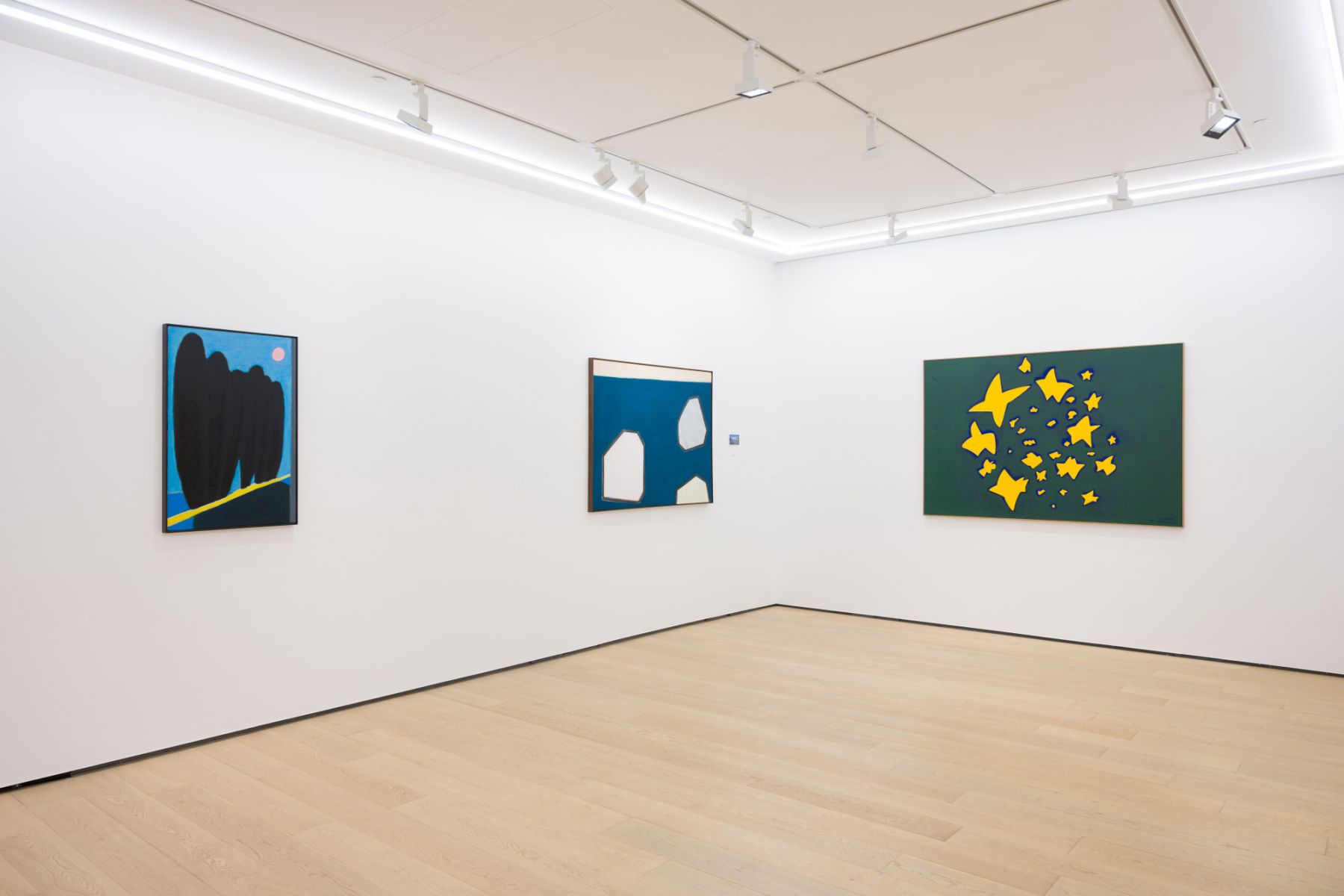
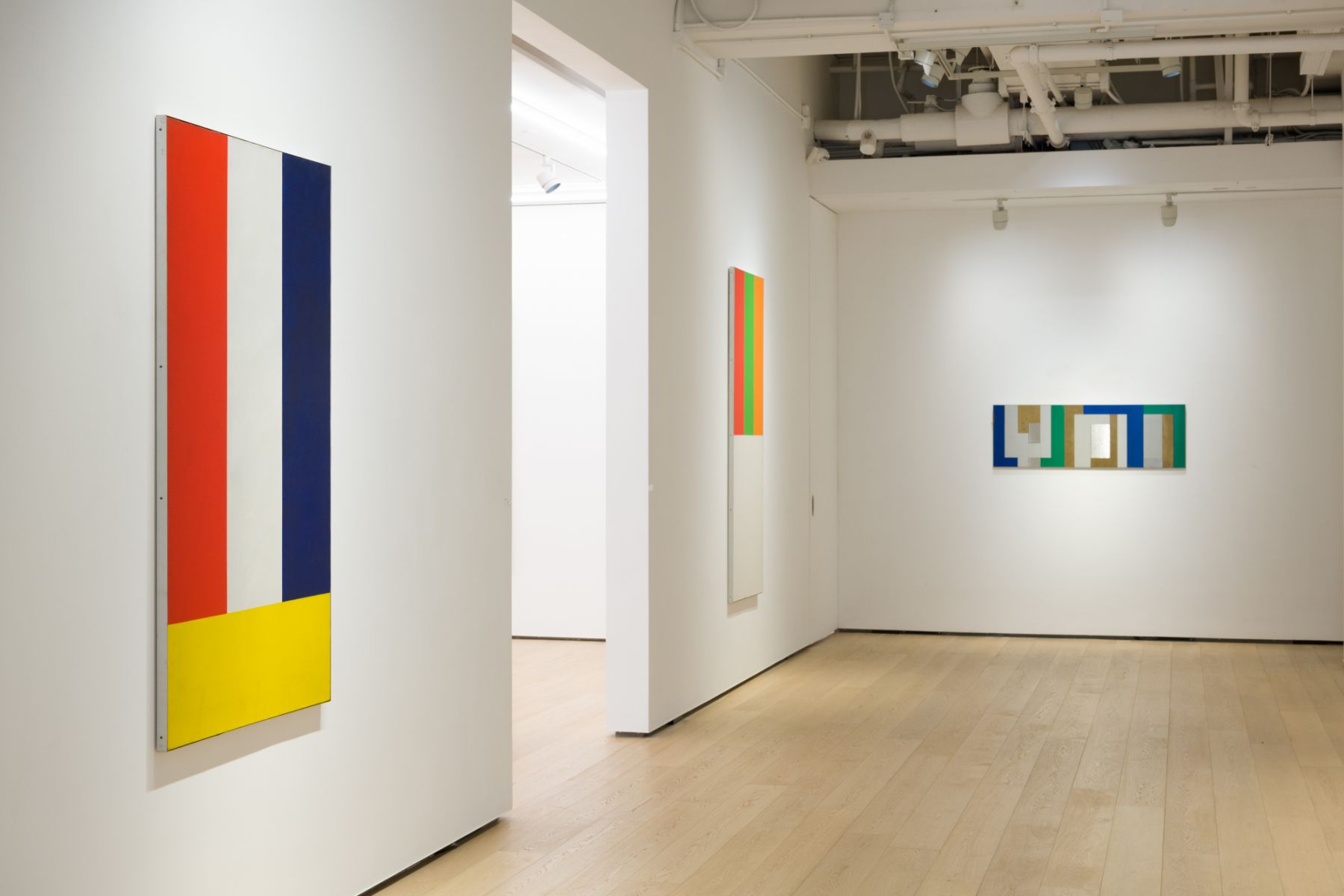
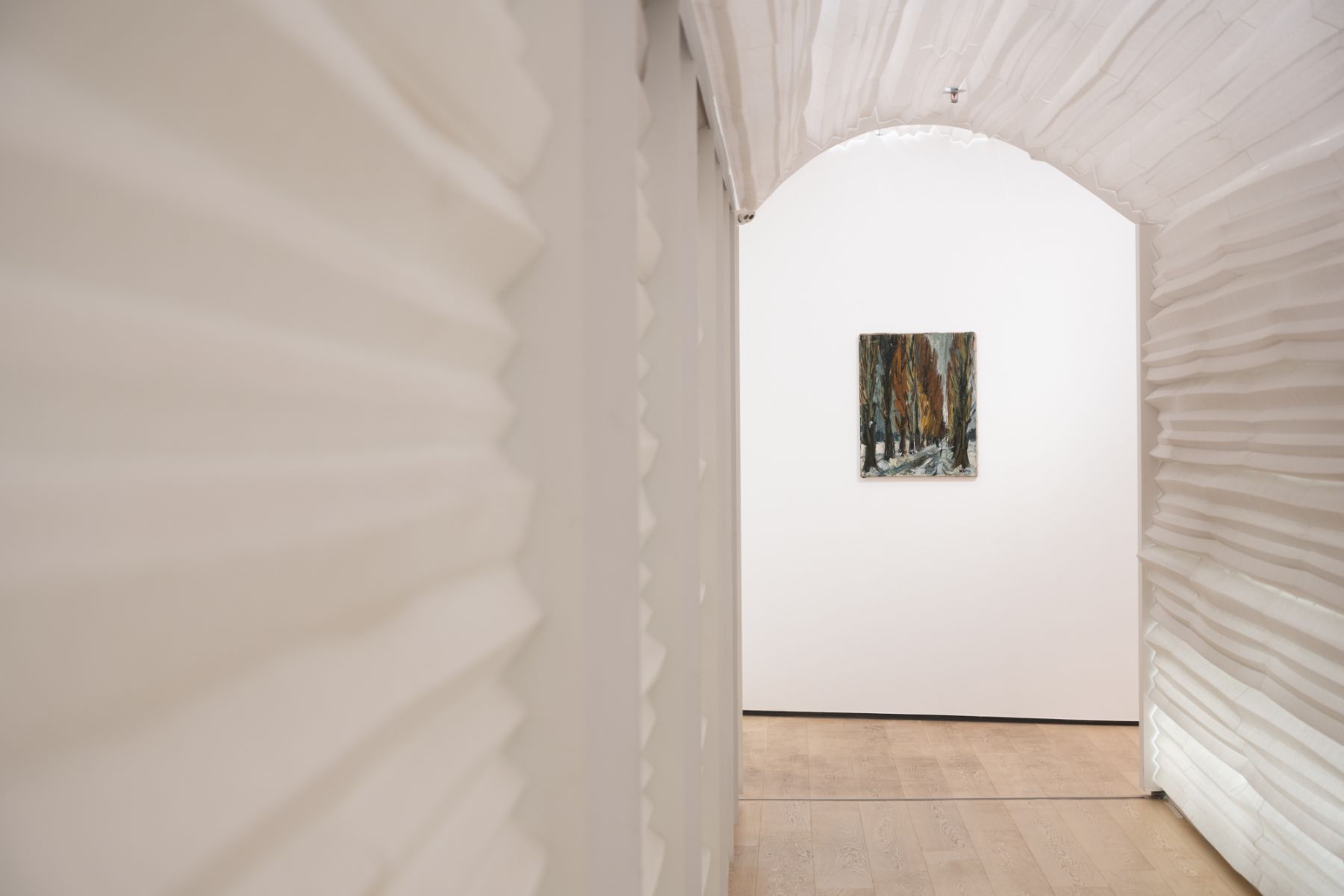
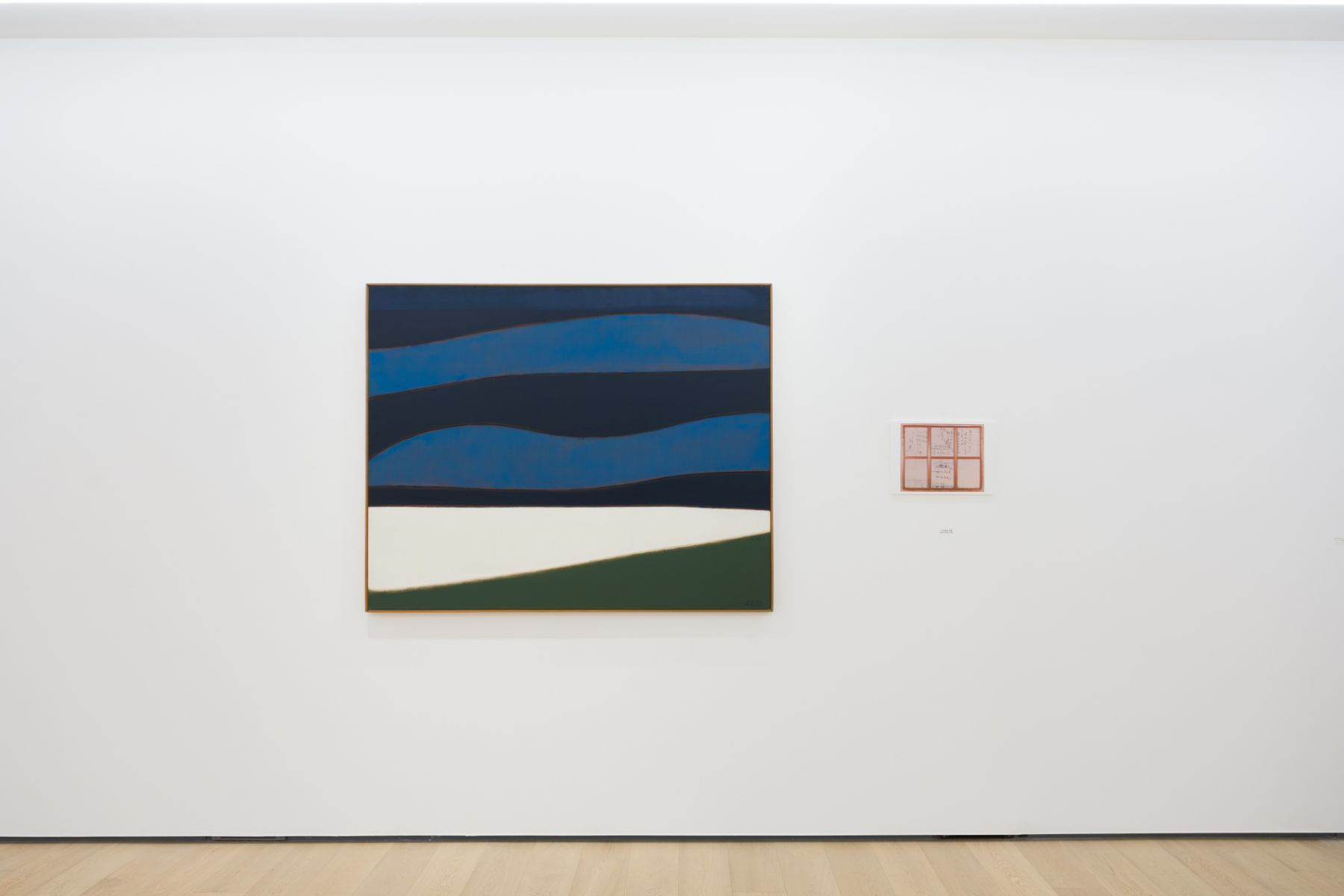
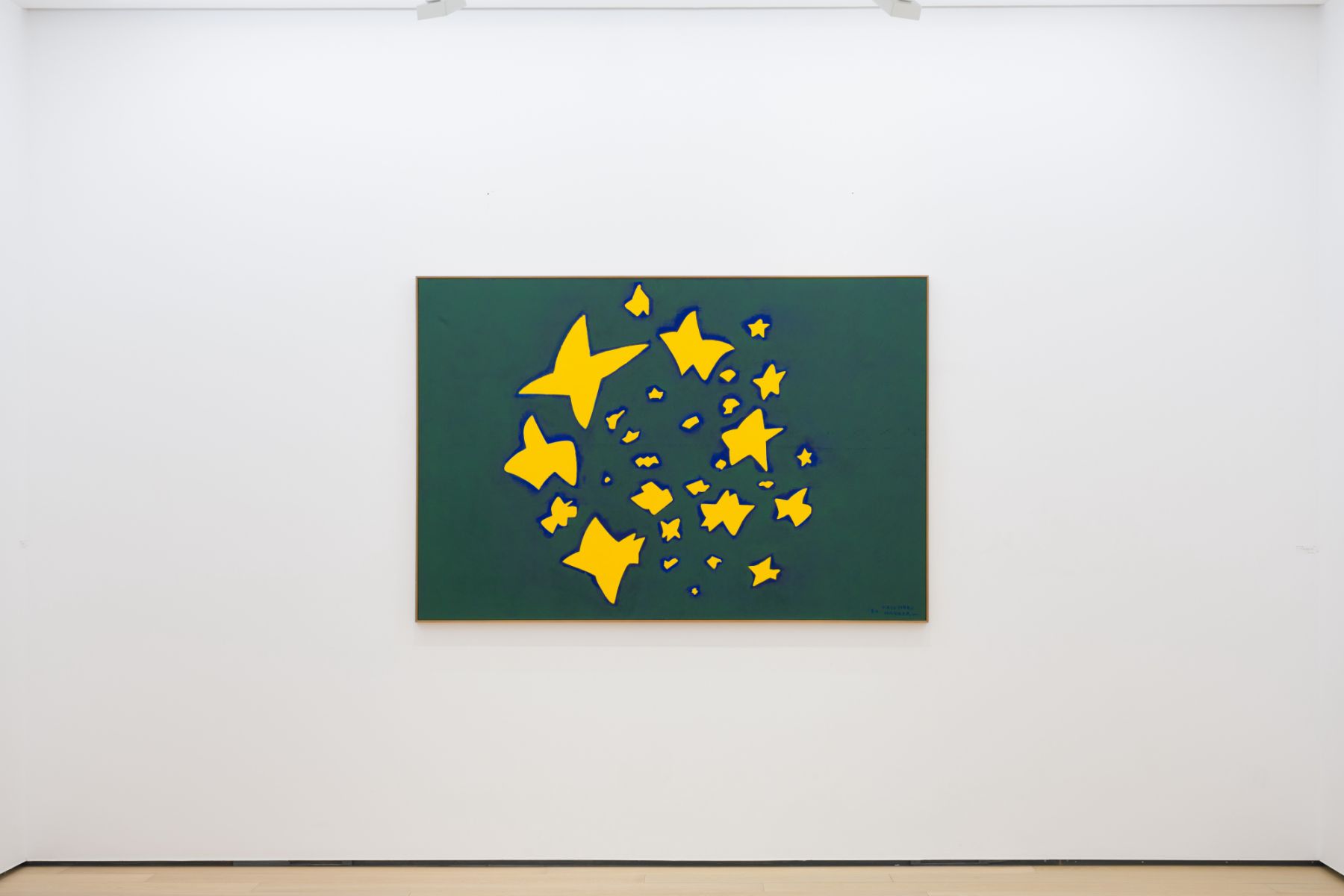
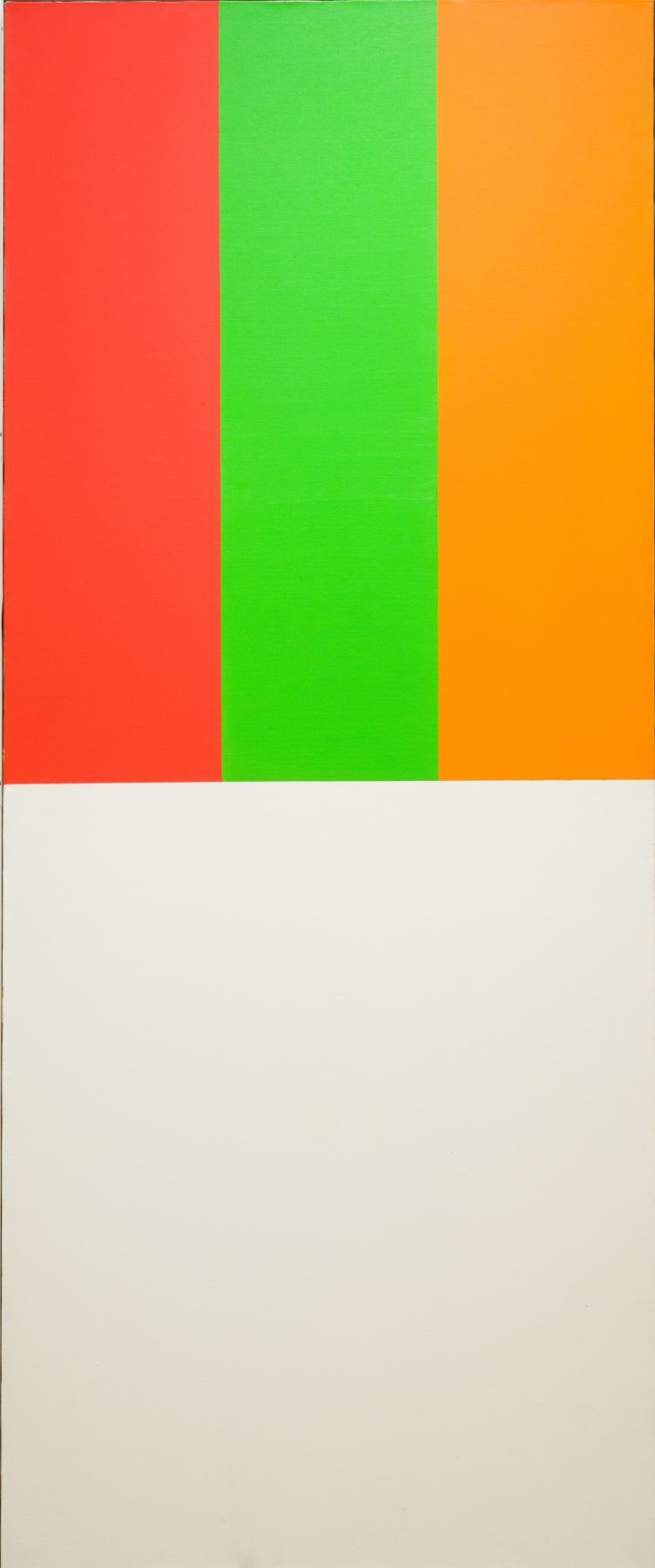
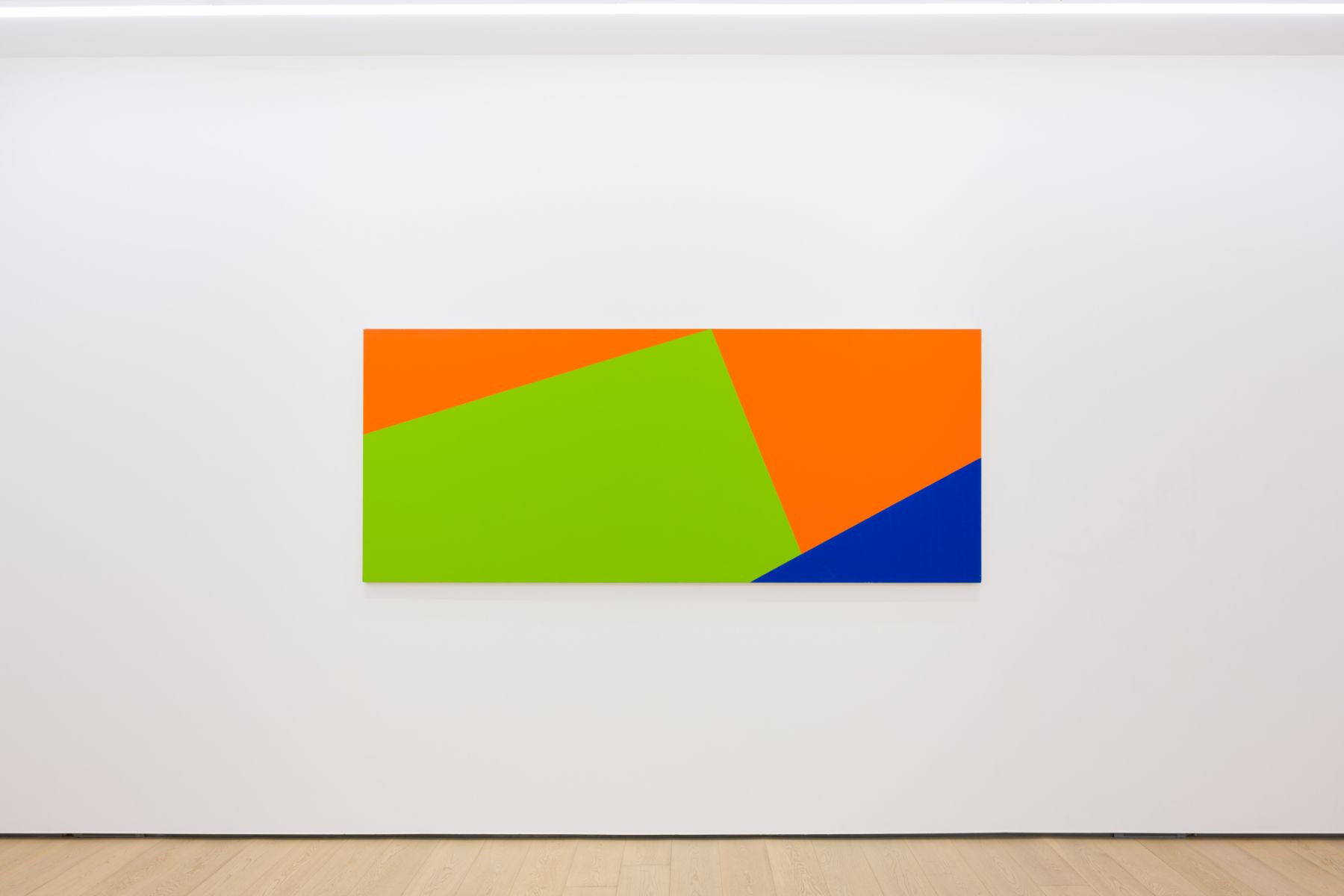
Installation view, Kazuharu Hanada: Pirka. Northland. © Whitestone Gallery
1 / 7
The 1980s marked a turning point. Unstable shapes in dark colours dominate works. The landscapes are covered in rough brush strokes as if they are trying to depict something writhing in the darkness of the night.
“Hanada is not here, but his work is still alive, and we want to introduce his work to art lovers.”
With its large exhibition spaces spread across two floors of H Queen’s, Whitestone Gallery is the perfect location to explore the various phases of Hanada’s career. The gallery makes full use of what H Queen’s has to offer: non-traditional spaces, multifunctional layouts and optimum floor-to-ceiling heights.
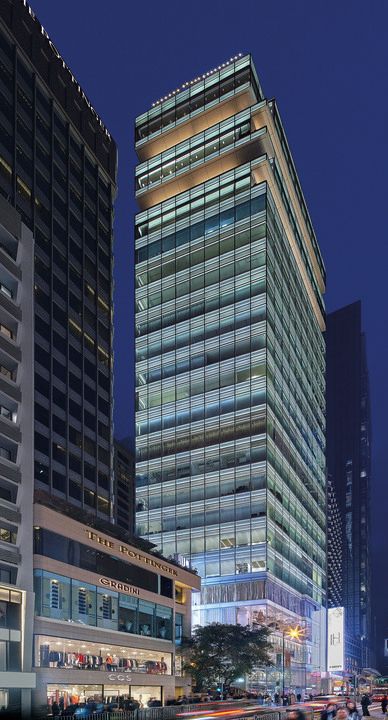
Above H Queen's at 80 Queen's Road Central
H Queen's at 80 Queen's Road Central
1 / 1
Designed by renowned architect and artist William Lim, H Queen’s is Hong Kong’s arts and lifestyle destination in a skyscraper, hosting a number of prestigious galleries.
The award-winning 24-storey development at 80 Queen’s Road Central also houses two-Michelin-starred restaurants and famous retail and lifestyle brands - all just footsteps away from the best of Hong Kong’s shopping and entertainment.
As Whitestone Gallery CEO Koei Shiraishi says, “This building is amazing. Every gallery shows so many different points of view.”
From the 1990s to the mid 2000s came a series of portraits, modelling people close to him, like his daughters. The works are figurative, the forms are abbreviated and the colours are vivid, giving the viewer tidy, icon-like images of the subjects.
And while the squares and rectangles of the 1970s make a comeback, there are brighter colours, varying sizes, and new shapes. Hanada’s tone is freer, more casual and relaxed.
Above Installation view, Mother's Train, Kazuharu Hanada, 2005. © Whitestone Gallery
Installation view, Mother's Train, Kazuharu Hanada, 2005. © Whitestone Gallery
1 / 1
Later in the decade, he turned his gaze towards nature, using the same shapes and colours to show the landscape surrounding him in his beloved Hokkaido. For example, Mother’s Train (2005) portrays the natural beauty and power of the oceans and mountains.
Like many other works from this period, it does so in a poetic and humorous way.
Proof, as if any more were needed, that Kazuharu Hanada could still experiment, and offer yet another point of view, even in his final years.
Kazuharu Hanada: Pirka. Northland is on show until January 5 at Whitestone Gallery. Find out more at www.whitestonegallery.com
H Queen's houses a number of renowned international art galleries and is located at 80 Queen's Road Central. Find out more at HQueens.com





